
Plot Summary
Midnight Milk, Marijuana, Meltdown
One restless night, Matt Prior, once a journalist and failed financial poet, finds himself sleep-deprived, wandering to a 7-Eleven for milk. There, he falls in with stoned twenty-somethings, whom he drives around, partakes in weed, and confesses his financial woes to. His life is on the brink: jobless, deep in debt, his home days from repossession, and his marriage rocky. Matt's disintegration is painted with both comic and tragic detail—his embarrassment, self-doubt, and yearning swirl through the haze of marijuana and malaise. Yet, underneath it all, his desperate love for his sons, his regret for disappointments, and an unshakeable awareness that he's clinging to the edge crackle through every anxious, hungry moment of the night.
Mortgage Panic, Marital Distance
The morning after, Matt stumbles through family routines, hiding his hangover and existential dread. His wife Lisa, herself emotionally distant, cycles through routines and reminders, barely crossing his turbulent mental space. As Matt tries to manage kids, an aging, demented father, and an avalanche of bills, he obsesses over the looming mortgage disaster—a $31,000 balloon payment that threatens foreclosure. Lisa isn't told the worst truth yet, and Matt wallows in his own avoidance, using humor as a defense. Their marriage, once lively, is now choked by unspoken anxieties, thin patience, and a pervasive sense of mutual disappointment.
Financial Poetry and Foolish Hope
Matt reflects on his grand misfire: quitting his steady newspaper job to try poetfolio.com, a doomed venture to make financial news poetic. The failure drained their savings, loaded them with debt, and left their garage full of unsold "eBay investments." Matt's attempts to salvage pride as a head-of-household sputter, and hope ferments into self-deprecating humor and nostalgia for riskier, younger ambitions. His attempt to blend creativity and business alienates him from Lisa, who can't understand the dream—or can't muster the strength to support it after so much is sunk and lost.
Lisa's Online Escape Hatch
As Matt drowns in financial and existential dread, Lisa retreats nightly into the digital world, chatting with old flames, browsing for affirmation and lost youth. Her online flirtation with Chuck, a buff, handsome ex-boyfriend, grows increasingly intimate. Matt, suspicious and wary, spies on her digital life, stoking jealousy and paranoia instead of connection. Unable to confront Lisa, immobilized by fear and pride, he buries himself in melodramatic daydreams and darkly comic rationalizations, as the gap in their marriage widens with each virtual message exchanged.
Dream House, Real Debt
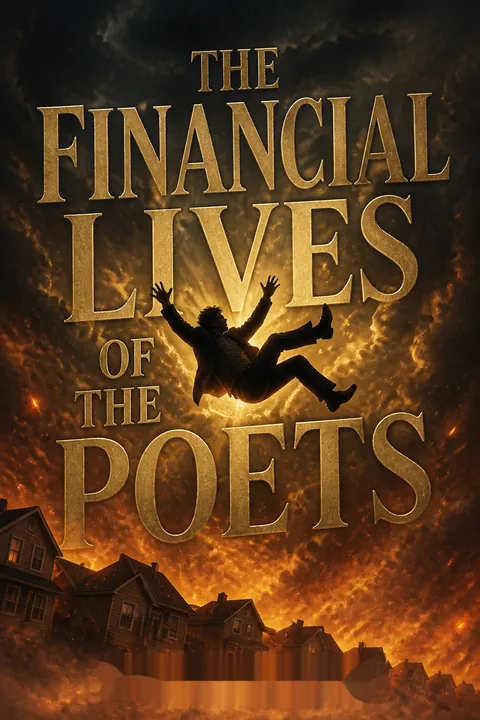
The "forever house" Matt and Lisa bought becomes the center of their unraveling. The very emblem of success, their over-leveraged home now embodies their failures—bad decisions, market hubris, the housing crash, and growing resentment. Bills, budgets, and pointless rituals of hope collide with harsh reality: they can't keep the house, and can barely hold the family together. Every morning, Matt watches the house—its physical structure mocking the erosion of trust and stability within.
Tree Forts and Broken Promises
The tree fort Matt once promised to build for his kids becomes a metaphor for his failures as both father and provider. In a misguided attempt at recon, Matt visits Lisa's ex, Chuck—now a lumber salesman—for tree-house advice, awkwardly confronting his own jealousy and inadequacy. The encounter is humiliating: Chuck, strong and capable, seems everything Matt is not. Even small projects become overwhelming signifiers of Matt's grander inability to deliver on promises or protect his sons from the world's cruelties.
Friends, Dealers, and Dead Ends
Matt, desperate for money, rekindles college-level weed connections, and starts buying and selling pot—first to his money guy, then to old colleagues and acquaintances. He's surprised to find so many people, supposedly "adults," still dabbling in drugs as a way of managing grim reality. But his attempts at entrepreneurship evoke more self-loathing and moral confusion than profit. His new companions, from low-level dealers to failed newspaper friends, are as lost as he is, groping for relief from a world that's crumbled beneath them.
Love and Loathing in Lumberland
Matt's paranoia about Lisa and Chuck drives him back to Lumberland, armed with the hope of catching them or at least reclaiming his dignity. Instead, he discovers both the banality of their flirtation and the futility of his anger. His attempt to confront Chuck devolves into embarrassing mishaps. The emotional intensity is comic, yet the humiliation is piercing—Matt's quest for control and revenge only deepens his sense of helplessness as husband and man.
Desperate Plans and Drug Deals
As job prospects vanish, Matt seeks out criminal opportunity—offering his entire small nest egg to buy bulk weed in hopes of flipping enough for a mortgage payment. Every detail—negotiations, absurd contracts, bizarre dealers, and the process of "going pro" as a suburban drug dealer—is laced with black humor and deepening anxiety. The deals grow riskier and more ridiculous, as Matt lies to Lisa, to himself, and to everyone around him, clinging to a fantasy that one smart move could turn the tide.
Parental Failings, Flailing Fathers
Matt's sons, Teddy and Franklin, become the stage for his failures—Franklin's trouble at school and fear of violence, Teddy's yearning for material comfort, and both boys' confusion as their parents grow more distracted and volatile. Trying to shield them while hiding his crises, Matt finds himself repeating his own father's cycles, uncertain if he's protecting them or simply setting them up for future pain. The generational trauma and tenderness surface as daily routines teeter on the edge of calamity.
The Unraveling Accelerates
The snowballing crises—financial, emotional, and ethical—accelerate. Lisa moves closer to infidelity, Matt's schemes fail, and the everyday humiliations grow. Matt's father's dementia progresses, symbolizing a loss of legacy and security. Routines devolve into negotiations for time, space, and basic kindness. The surreal experience of becoming a suburban pot-dealer, meanwhile, pushes Matt deeper into moral quicksand, as lying and self-deception become default states.
Drug Entrepreneurship and Lost Morals
Matt's interactions with drug dealer Dave, goofy business plans, and the criminal world become their own microcosm of the housing bubble: delusion, inflated promises, dangerous risk, and inevitable bust. His pursuit of an "easy fix" through moral compromise—selling drugs not just to survive, but for personal vendettas—brings a cascade of consequences. Betrayal and illusion multiply, and the boundaries between victim and perpetrator, user and abuser, grow hopelessly blurred.
The House Falls, Family First
The eventual foreclosure is both anticlimax and apocalypse: the family is forced into bankruptcy, their home lost, possessions sold, and Matt's dreams of stability evaporate. Amid the upheaval, a few moments of grace—building a tree fort with his father and sons, forgiving small slights, and quietly caring for each other—become redemptive, if fleeting. The true cost of collapse isn't measured in dollars, but in loss of trust, routine, and imagined futures.
Confessions, Consequences, and Collapse
Matt's crimes catch up with him: he becomes an informant, then blows his own cover; his friends, old and new, scatter and betray; his marriage suffers from truths told too late and lies clung to too long. The law, and the world, have little patience or sympathy for middle-class men who hide in self-pity. In the end, the guilt, shame, and consequences are unavoidable, and Matt finds himself, and those he thought could save him, facing courtrooms and cold realities.
Small Graces, Slim Salvations
After the dust settles, Matt and Lisa, now broken and nearly broke, begin to trace the outlines of something like a new life. Modest acts—sharing pizza, reusing an old fort, riding the bus, forgiving more than blaming—become the fragile ground for hope. Marital "bankruptcy" is admitted and embraced, the past not erased but at least shared. Matt's father, in a nursing home, offers comfort simply through presence, and tiny, everyday victories are treasured anew.
Temporary Jobs, Lasting Regrets
Matt's professional life restarts at a mediocre online business journal, poorly paid and poorly read. The loss of prestige, stability, and self-respect haunts him, but the work at least provides routine, a reason to get up, and something to offer his children. Old colleagues and friends are scattered; wounds remain open, but necessity pushes him forward.
Facing the Fallout
Reflection and reckoning dominate: Matt considers what it means to "make it," the blurred boundary between trying and failing, guilt and forgiveness. The loss of the house, reputation, and security is seen in the rearview; survival depends on acceptance, humility, and perhaps a sense of humor. The final lessons are smaller, more personal, emergent from scarcity rather than abundance.
Starting Over in the Ruins
In the end, Matt and Lisa practice humility, forgiveness, and a more modest kind of love. The habits of hope and humor, stripped of grandeur, become survival tools. Their sons, still hungry for affection and answers, remain the center around which they organize. Failure is neither redeemed nor erased, but endured with grace. The family, standing in the ruins of lost dreams, learns to settle for smaller joys and occasional second chances.
Analysis
Satire and empathy in an age of collapse"The Financial Lives of the Poets" is a darkly comic, deeply humane snapshot of late-stage American anxiety, documenting the descent of a once-stable man into chaos as jobs, financial security, and relationships disintegrate. Jess Walter's novel stands out for its ability to balance biting social and economic critique with a tender, unflinching portrait of weakness and endurance. Every character is given both flaws and grace, and the routines of middle-class life—school runs, bills, home projects—are rendered heroic in their futility. The novel questions the myth of the "rescue"—that one clever move or moral compromise will fix everything—while also suggesting that small kindnesses, forgiveness, and stubborn humor are the truest forms of resistance. In the end, there are no triumphant recoveries, but there is a cracked but persistent faith in second chances, in building "forts" with what's left, and in loving those who've seen you at your worst. For readers navigating their own uncertain times, the story is a mirror—sometimes ugly, frequently hilarious, surprisingly hopeful.
Review Summary
Reviews for The Financial Lives of the Poets are generally positive, averaging 3.72/5. Many readers praise Jess Walter's sharp wit, balance of comedy and heartfelt drama, and timely commentary on the 2008 financial crisis. Fans highlight the protagonist Matt Prior's relatable desperation and darkly humorous decision-making. Critics, however, find the main character irritating, the poetry gimmicky, and the ending overly tidy. The book draws frequent comparisons to Breaking Bad and Weeds, with most readers ultimately charmed despite its flaws.



Characters
Matt Prior
Matt is a witty, intelligent, but deeply anxious ex-journalist whose quest for meaning and stability repeatedly founders on pride, naïveté, and the existential traps of American middle-class life. His harebrained idea for a financial poetry website leads to job loss and debt, and his attempts to recover spiral into farce: drug dealing, humiliation, and ultimately criminal entanglement. Psychoanalytically, Matt is beset by fear of failure and a desperate need for validation from both his wife and children. His inner narration is dazzle and defense—humor masking an overwhelming sense of inadequacy. Over the course of the story, Matt moves from denial through breakdown to the ragged beginnings of acceptance and humility.
Lisa Prior
Lisa begins as a "put together" woman, collapsed into weariness after years of financial stress, career loss, and feeling sidelined by Matt's needs and mistakes. Her emotional withdrawal and ambiguous flirtation—online with her ex, Chuck—are both symptoms and sources of marital rot. Lisa's compulsive shopping, therapy-seeking, and desire for stability are compensations for a childhood upended by paternal betrayal and sudden poverty. She struggles with, but does not abandon, her marriage, showing both fierce independence and yearning tenderness as she and Matt stumble through their parallel shames and hopes.
The Boys: Teddy and Franklin
Teddy, the older son, is sharp, curious, and increasingly aware of adult disappointment; Franklin is fragile, sensitive, and subject to the most immediate fallout of family upheaval. Both serve as mirrors and motivators for Matt, embodying both what he wants to protect and what he fails to provide. Their reactions—clinging, joking, or acting out—illustrate the generational transmission of anxiety and the resilience of kids when anchored by love, even amidst chaos.
Jerry Prior (Matt's Father)
Jerry's dementia is both comic and tragic, his outbursts a mix of old grievances and confusion. He represents the fading lineage of masculinity, work ethic, and stoic endurance, but his vulnerability exposes new, uneasy tenderness between the generations. His decline serves as both warning and possible redemption for Matt, showing that what is lost—memory, competence, power—can be replaced, for a while, with presence and acceptance.
Chuck Stehne
Chuck, the ex-boyfriend and potential emotional rival, is the "better man" in Matt's jealousy narrative: strong, capable, helpful, but not cruel. His interactions with Lisa and Matt reveal more about their marriage than about himself; he is less an antagonist than a measuring stick for Matt's inadequacies. Ultimately, Chuck is more humane than feared, and his own vulnerabilities diffuse some of Matt's rage.
Jamie ("Slippers")
Jamie, one of the pot dealers Matt befriends, is streetwise but not hardened, easygoing but not dumb. He's emblematic of a generation improvising its way through economic decline, seeking belonging and distraction in weed, parties, and surface friendships. Despite his criminality, Jamie likes Matt, offers insight about writing and life, and unwittingly pushes Matt toward both danger and small moments of self-understanding.
Dave/Eddie ("The Lawyer")
A local dealer with the patina of professionalism, Dave/Eddie is a tangle of barely concealed fear, ambition, and desperation. His operations are efficient but fragile, and his descent into panic as police close in is both comic and unnerving. He is, in part, Matt's dark double: a man who wanted to rise but only manages to survive by the narrowest margin, now undone by the same forces that propelled him.
Monte
As the grower behind the operation, Monte's blend of autism, ingenuity, and sadness makes him both dangerous and pitiable. He is in over his head, manipulated by others, and ultimately just wants safety and escape. Monte's collapse—his desire to sell the business, his breakdown—intensifies as the criminal enterprise falters and Matt's nominal "purchases" become acts of betrayal.
Lt. Reese and Randy (Police)
The police who "turn" Matt into a confidential informant are as flawed as any of the criminals: Reese a hardass who despises hypocrisy, Randy a born-again who believes in redemption and manipulation equally. As handlers, they offer both threat and catharsis, engineering Matt's fall—and, with some irony, his final honesty.
Amber Philips
Amber, a minor character from Matt's past, represents the "straight world's" own need for relief and compromise. Her willingness to buy weed—and Matt's ensuing guilt about dragging her into trouble—punctuates the collapse of boundaries between legality and survival, solid and fallen.
Plot Devices
Collapsing time and ironic looping
The narrative is tightly compressed—a week's crisis—yet overloaded with flashbacks and digressive inner monologue. This mimics the fragmentation Matt experiences, blending past mistakes, present panic, and uncertain future into a swirl of anxiety. Recurring loops (childhood memories, marriage routines, betrayals) echo generationally and thematically, underlining the impossibility of clean starts or escapes.
Humor as defense and revelation
The story's tone is disarmingly funny on the surface: puns, satirical poetry, running jokes about financial language, marriage, and parenting. Beneath the humor, however, lies blame, self-loathing, and desperate longing—for Matt and for America's beleaguered middle class. The laughter is often a gasp, the punchline an admission of powerlessness.
Poetic interludes and mixed media
The book regularly shifts into verse, faux headlines, limericks, haikus, and even legal documents to capture the absurdity of its characters' predicaments. These shifts rupture the narrative and provide both relief and doubling-down on the sense of things coming apart.
Self-deception, rationalization, and unreliable narration
Matt's accounts are colored by defensiveness, minimization, and overanalysis; his motivations are complex even to himself. Readers must see through—or accept—the difference between what Matt claims and what actually unfolds. This device invites empathy even as it complicates moral judgments.
Satire of economic meltdown
The housing bubble, collapse of journalism, erosion of male roles, and the lure of get-rich-quick solutions are both topical references and the ground note of the book's anxiety. The personal and public crises feed each other, with Matt's struggle to keep his house and family mirroring wider cultural and economic disintegration.
Foreshadowing through running motifs
The recurring trips to 7-Eleven, the undelivered tree fort, missing sleep, and the ever-looming mortgage bill build a sense that Matt's world is running out of time and luck. The tragic inevitability is camouflaged by humor but made poignant by Matt's stubborn hope.
Download PDF
Download EPUB
.epub digital book format is ideal for reading ebooks on phones, tablets, and e-readers.








































