
Plot Summary
Flour, Fame, and Fear
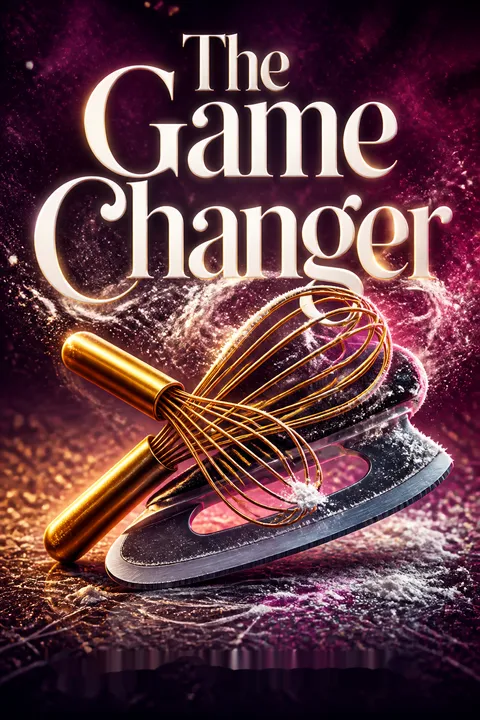
Delilah Baker, a talented pastry chef hosting the once-beloved "Whisk-y Business," faces declining ratings and mounting anxiety. Her perceived "girl-next-door" image both boosts and limits her. During and after her live taping, she tries to put on a bright face but is riddled with doubts, particularly when her executive producer delivers a veiled ultimatum: revitalize numbers or risk cancellation. Amid this pressure, her brother Jack suggests leveraging Boston's other obsession—hockey—for a ratings boost. The idea sticks, offering her hope, even as it means a favor owed to her unpredictable brother. Delilah's confidence is tested as she hustles to prove her worth in a shifting, trend-driven media landscape, determined not to lose the dream she built from scratch.
The Exile Returns
NHL star Ian Chase, once the city's golden boy, is returning home after years in Calgary—scarred by public scandal, a high-profile divorce, and six years of exile. Tabloid rumors still haunt him, especially about supposed infidelities, which cost him his marriage and nearly his sense of self. Despite the cold welcome from his family—his overbearing father and quietly suffering mother—Ian is desperate for redemption, not just as a player but as a person. He is wracked by guilt, secrecy, and the pressure to rehabilitate his reputation in Boston, where every move could reignite old wounds. The city's expectation weighs heavy as he steps back onto familiar ice, not yet knowing that the old world he left behind is about to collide with his future.
Proposal Under Pressure
Fighting for her show's survival, Delilah surprises herself by suggesting a collaboration between her show and the Boston Druids. What begins as a ratings stunt—a NHL player baking on TV—soon attracts both the show's and hockey team's PR machines. Everyone's desperate for good press, especially with Ian newly back and under scrutiny. The network greenlights a special, and management seizes on Ian's need for image repair as the perfect hook. Both Ian and Delilah are drafted into the plan, and for the first time in years, their lives will cross in the spotlight. As Delilah's nerves mount, she steels herself to see her old crush in the neon-lit chaos of live TV, uncertain what role Ian will play in her carefully constructed world.
Reunion at the Table
The first reunion between Ian and Delilah after many years is charged—awkward yet comfortingly familiar. Both remember the lighter days of adolescence, but beneath the surface, each detects the changes: Delilah's not the girl he remembers, and Ian has lost some of his shine but grown a more complex gravity. Their playful banter is laced with tension, and nostalgia gives way to awkward awareness—of new bodies, new wants, and old hurts. Unspoken feelings and What-Ifs settle between them like flour dust. Even a simple coffee after a meeting is thick with potential, bringing old longings to the edge of possibility. The artist and the athlete, both burnished by loss, find themselves wondering if there could be more beyond their assigned roles.
Baking a Game Plan
Baking together in front of cameras, Delilah and Ian naturally slip into old camaraderie. But what's meant to be a lighthearted, awkward episode—a hockey player learning to bake—becomes unexpectedly intimate. Lingering touches, inside jokes, and an on-screen spoon-feeding ignite rumors that leap from TV to social media. Both feel the pull but are unsure: is this just nostalgia, or something dangerous and new? Outwardly, everything is packaged as PR, a performance for viewers and bosses—for deeper inside, it feels real, unscripted, and almost too vulnerable. Their chemistry is undeniable, and viewers clamor for more, while Delilah and Ian struggle to separate what the world wants from what they secretly crave.
Past Scandals Surface
As PR teams celebrate the buzz, ugly undercurrents resurface. Ian is again the subject of tabloid speculation—his reputation still stained by tabloid lies. Guilt and shame fester, as public perception wavers, and online comments spiral out of control. Delilah is forced to confront the risk she's taking for ratings and for Ian. Meanwhile, hidden truths about Ian's family and his long exile—hints of a scandal bigger than infidelity—begin to boil just beneath the surface. Both are caught: if the world finds out, not just careers but families (and trust) might collapse. Yet, the threat forges an unspoken alliance, even as vulnerability and self-preservation battle within each of them.
Childhood Crush Rekindled
Behind the showbiz gloss and PR machinations, the pair's old dynamic deepens, moving from teasing comfort to longing and jealousy. Delilah's adolescent infatuation is resurrected—and met, unexpectedly, with Ian's own attraction. They navigate the strange territory between old affection and adult desire, both petrified of unreciprocated feelings or public humiliation. Being thrown into "couple" rumors forces them to test the boundaries of their friendship, challenging each to admit the true depth of their yearnings. What starts as play-acting spins out of control, as touches linger, glances deepen, and the line between performing for the public and acknowledging their hearts grows blurred, pushing them toward a decision neither can dance around.
Sparks in the Studio
Both Delilah and Ian agree to play along, appearing in public and filming a new episode as pseudo-lovers. Yet, what's "only for the cameras" quickly morphs into a means of exploring what they're both afraid to claim. Every staged date and deliberate touch intensifies the chemistry until—midway through their public masquerade—the divide between act and reality evaporates. When their tension finally combusts, lines blur: is it still just a bit for the crowd, or have they crossed a boundary that redefines their connection? Vulnerability and hope (so long buried under sarcasm and professionalism) finally surge to the surface, setting into motion a personal and professional reckoning neither saw coming.
Rumor Mill Ignites
As Delilah and Ian's staged photos light up the internet, public enthusiasm (and speculation) reach a fever pitch. Ship names trend, editors demand more, and even their families start to take notice. Not all the attention is welcome: tabloid stories rehash old wounds and invent new ones, and Delilah's network pressures her to fan the flames for the sake of ratings. The pressure pushes the pair together publicly but tests them privately. Both are forced to reconsider whether they can—or want—to keep hiding. The dating game, once a means to an end, suddenly seems like an invitation to leap into something both exhilarating and terrifying. Their next move will shape not only their careers but their hearts.
Playing Pretend in Public
With PR teams in full control, Delilah and Ian turn toward "fake relationship" outings and staged encounters. Each outing cuts closer to truth, and they both begin questioning how much is real versus performed. As their friends and family weigh in—some with cheer, others with warnings—Delilah wrestles with her own insecurities, unsure if Ian's feelings are as deep as hers. Ian, for his part, is drawn out of stoic self-defense, yearning for something lasting but afraid of damaging Delilah's world as he destroyed his own. When their public act finally spills over into private confession—and passion—the lines between fake and genuine irrevocably disappear, leaving them exposed but, for the first time, fully themselves.
Crossing the Line
The dam finally bursts: Delilah and Ian move from hesitant touches and longing looks to full confession and physical intimacy. Years of yearning and unsaid words implode as they admit their feelings—melding bodies and souls in a way both healing and destabilizing. What began as "pretend" now feels like the most honest thing either has done. Their love, hard-won and complicated, now makes them braver: they choose to risk scandal, public opinion, and the business interests stacked against them to claim something real. Yet, having crossed the threshold, they now must weather fallout from a world intent on tearing them apart—and reckon with traumas neither has fully healed.
Breaking Old Patterns
With new love comes new vulnerability. As Delilah and Ian grow closer, the ghosts of the past—failed families, absent parents, and long-secret betrayals—threaten to undo their hard-won peace. Ian confronts his toxic, legacy-obsessed father, whose manipulations once convinced him to flee Boston, and finally sees how deeply his own silence has enabled family pain. Delilah stands by him, determined not to repeat the cycles of secrecy and self-neglect that upended her childhood. Together, they resolve to stop hiding, even as wounds are reopened and old loyalties tested. Only by breaking these old patterns can they open space for something healthier and more hopeful.
Secrets and Sisters
The truth finally detonates: Ian's long-guarded secret is revealed—he has a half-sister, Abigail, born from his father's affair. For years he has suffered in silence to protect both Abby and his mother, even bearing the weight of public scandal and exile. When Abby, desperate for recognition and exhausted by secrecy, decides to tell the world herself, the family's carefully constructed image—and business standing—shatters. The fallout forces Ian to confront not just his father, but his own complicity in family lies, and finally step up for Abby in her loneliness. Delilah, witnessing this reckoning, sees the fullness of Ian's pain and character, reaffirming her love and her decision to stand by him as the press descends.
Whisked Away by Love
As the dust settles, Ian and Delilah draw closer still, finding solace and happiness in each other at last. Public chaos, family betrayals, and shattered illusions have stripped away all that is superficial—leaving only the love that has always hovered beneath. Supported by their makeshift family (including Abby and Delilah's irrepressible brother Jack), both start anew: Ian at peace in his home city, Delilah with her ratings and reputation reborn, and Abby learning to accept the flawed but real family she's found. Even as the world watches, they find new safety in each other's arms, and dare for the first time to build a life entirely their own, beyond the gaze of critics or fans.
The World Watches
Opting not to hide anymore, Delilah and Ian step out as a couple—the line between reality and PR is erased. At the hockey season's opening game, with the city watching and the media still hungry, Ian claims Delilah with a kiss on the Jumbotron, making public what has become their unapologetically private truth. Despite the inevitable attention and lingering disapproval from some quarters, both feel a surge of community and belonging—no longer fractured by secrecy. The support of fans, family, and each other is the foundation for a new kind of fame: one that is real, sustainable, and joyful, centered on honest connection rather than spin.
Family Unraveling
With Bradley Chase's power finally broken, both the Baker and Chase families fundamentally change. Christine, Ian's mother, finds relief and a new beginning away from her husband's toxic influence, and Abby is embraced as the sister she is. Delilah's brother Jack proves that real family, chosen and earned, can be messy but fiercely loyal. The wounds of abandonment, betrayal, and loss still ache, but new family bonds emerge from the ruins. Ian and Delilah learn to open up—not just to each other, but to the possibility that love, chosen honestly, can hold when everything else falls apart. They begin not from perfection, but from hard-won understanding.
Scandal and Standstill
The last ripples of scandal test Delilah and Ian's love. While public forgiveness is slow, their private life flourishes: officiating family reconciliations, nurturing Abby, daring to look ahead, and moving into a shared home. Together, they weather losses, cherish small joys, and realize the future is theirs to claim—a future not built on legacy, spectacle, or outside validation, but forged in the fires of vulnerability and acceptance. Through their ordeal, both have learned the beauty of seeing, and being seen. In choosing each other, over and over, their love finally, fully steps into the light.
Truth Set Free
In the aftermath, Delilah and Ian's relationship—and family—are out in the open. Adoring fans, reconciled mothers, and new siblings form an imperfect but loving constellation around them. The pair's journey, from hiding behind masks for family, media, and career, to claiming joy in the open, sends a message to those around them—and to themselves. Having risked everything, they find that the truth, while messy and public and scary, is the foundation of lasting happiness, not its enemy. Their game-changing love doesn't just mend their own wounds, but invites those nearest them to believe in new beginnings. And so, in flour-dusted kitchens and cheering arenas, Delilah and Ian at last get to write (and live) their own story.
Analysis
Lana Ferguson's The Game Changer is a contemporary romance that both revels in and interrogates classic tropes—the fake-relationship, friends-to-lovers, and redemption arcs—transforming them into something emotionally rich and strikingly modern. The novel's power lies in its refusal to treat love, fame, or "winning" as single victories; instead, it insists that happiness comes from facing pain, shame, and fear head-on, and from choosing honesty over performance, even at a cost. The book deftly explores how public personas—on camera, on the rink, online—can box people in, rendering them caricatures of themselves, and how risking real vulnerability is both petrifying and transformative.
Both Delilah and Ian are haunted by familial legacies: she by orphanhood and the expectation to be unfailingly sweet; he by generational pain, betrayal, and his constant willingness to take on others' burdens. Only by stepping out from old patterns—acknowledging desire, setting boundaries, and daring to want happiness for themselves—can they build something real. The secondary characters further highlight the necessity of chosen family, open communication, and mutual support.
The real game-changer, then, is not a single dramatic gesture, but the cumulative, hard-fought willingness to be known—messy, imperfect, ordinary, and extraordinary. By the end, Ferguson argues that love is not a reward for being performed correctly but a collaborative act of courage—one that changes everything, not just for the individuals but for all those they let in. The book's lessons are clear: Own your narrative, let yourself be seen, and don't be afraid to rewrite the ending.
People Also Read










Characters
Delilah "Lila" Baker
Delilah is a pastry chef and local TV host whose sweet and approachable image belies a deep-seated fear of irrelevance and abandonment. Orphaned young, she clings to hard-won self-reliance but yearns for affirmation—from family, viewers, and, secretly, Ian Chase. Her identity is shaped by expectation: of being a "good girl," the reliable sibling, the "sweetheart" of Boston flavor. Underneath, though, she is driven, bold, and emotionally intelligent. Her long-standing crush on Ian evolves from girlish daydream to vulnerable, mutual, adult love. As she weather's public prying and professional threat, Delilah chooses authenticity, risking both heart and career for real connection. Her journey is toward owning her ambition and her desire, not in spite of, but because of her imperfections.
Ian Chase
Once Boston's favorite hockey son, Ian is marked by scandal—the result of his father's secrets and his own willingness to bear blame to protect others. Prone to stoic suppression, he hides pain behind duty, loyalty, and a quiet need to be needed. His return is not triumphal, but the act of a man seeking closure and maybe redemption. Struggling with guilt and distrust, Ian's journey is about learning to let himself be cared for, to admit frailty, and to want happiness for himself. Love for Delilah (and for his lost little sister) cracks open his armor of self-negation; choosing her is both the bravest and most terrifying thing he's ever done.
Jack Baker
Jack, Delilah's older brother and a hockey player himself, copes with orphanhood through irreverence, jokes, and hyper-protectiveness toward Delilah. He is both her shield and her, at times, greatest source of chaos—unstable, impulsive, but always loyal. Jack's pseudo-brotherly bond with Ian complicates matters when the past, and Delilah's affections, resurface. Though often self-centered, beneath his bravado lies a wounded kid who fears being left behind. As new family configurations emerge, Jack is forced to grow from sidekick to true partner, supporting Delilah in her bid for happiness even if it means letting go.
Christine Chase
Christine is Ian's often overlooked mother: elegant, loving, and long-suffering in her husband's shadow. Scarred by betrayal and loss, she holds her family together with grace, even as it unravels. She represents the power of endurance but also its limits—teaching Ian that silence and self-sacrifice cannot save others, only oneself. With the truth finally liberated, she chooses herself, becoming an unexpected source of wisdom and stability for Ian, Delilah, and Abby alike.
Abigail (Abby) Thompson
Abby is the hidden child of Bradley Chase's affair, raised as a secret and orphaned young. Her loneliness drives her to risk everything to be seen, even if that means exposing herself—and Ian—to scandal. She is intelligent, wounded, and desperately craves acknowledgment and love. Her need for recognition, while dangerous, is also deeply relatable: she wants a family, not on someone else's terms, but her own. Abby's story is about learning to accept love, trust, and forgiveness, finding family in unexpected places.
Bradley Chase
Ian's father, the owner of the Boston Druids, is the architect of much misery. Obsessed with reputation and control, he has inflicted generations of harm—demanding perfection, pressuring silence, and using love as leverage. His legacy is one of secrets, shame, and public image at the expense of individual well-being. Bradley's eventual loss of power is both tragedy and justice; he is a cautionary figure of tradition left behind.
Ava Carmichael
Ava is Delilah's co-worker and confidante—a pragmatic, compassionate sounding board. She offers Delilah perspective, humor, and a safe space for emotional honesty. Ava's own brassy optimism and frankness cut through Delilah's self-doubt, serving as both cheerleader and kick in the pants when necessary.
Theo King
As Delilah's agent and friend, Theo treads the line between supportive and brutally honest. His loyalty is protective, his skepticism a useful check on Delilah's impulsivity. Witty and blunt, Theo's role is to question, prod, and, when asked, go to war for his client's best interests—reminding Delilah of the costs and stakes of her choices.
Logan Thomas
Logan, a college teammate, embodies the best parts of Ian's past—loyalty, fun, camaraderie. His ease in accepting change and rooting for Ian's happiness contrasts sharply with more rigid figures from their shared history. As a backdrop character, Logan's unconditional acceptance helps pull Ian out of shame and isolation.
Mei Garcia
Mei is Ian's ex-wife and his best friend, debunking the easy trope of bitterness and betrayal. Their relationship is proof that intimacy can transform rather than disappear. Mei's acceptance, honesty, and new life serve as both blueprint and inspiration for Ian and Delilah, reminding both that love, in all its forms, is ultimately about freedom and care.
Plot Devices
Dual Narrative and Alternating Perspectives
Ferguson alternates between Delilah's and Ian's first-person perspectives, allowing readers to inhabit each character's vulnerabilities, doubts, and emotional arcs. This narrative structure lays bare the misunderstandings, secret desires, and personal growth of both, showing how two versions of the same event can be colored by wounds and wishful thinking. It also lets themes like self-concealment, familial obligation, and risk play out in high relief.
Fake Dating / "PR Relationship" Trope
The heart of the plot is built on the well-loved device of "fake dating"—a PR play that capitalizes on chemistry for external gain but ultimately forces the protagonists to confront their real desires. The boundaries between performance and authenticity dissolve as small acts meant to sway others expose true longing and the courage required to embrace vulnerability.
Parallel Personal and Professional Stakes
Ferguson weaves Delilah's professional crisis (declining ratings, potential job loss) with personal risk—what might she lose in pursuit of real love or truth? Ian's comeback is similarly doubled: winning back public goodwill is inseparable from healing family wounds and claiming a relationship he has long denied himself. The story's tension is built as each "performance" for business or family turns into a test of personal bravery.
Secrets, Revelations, and Scandal
Central to the narrative is the long-held secret of Ian's half-sister and the silent sacrifices made to protect others. The inevitable exposure functions both as climax and crucible, destroying some relationships and remaking others. Ferguson uses rumor, paparazzi, and family drama not just for tension, but as a means to examine responsibility, guilt, and the cost of secrecy.
Transformative Power of Love and Community
The relationship between Delilah and Ian evolves from performance to real intimacy not by escaping their broken worlds but by remaking them. Family is revealed to be not merely blood, but those who stand beside you when the world falls apart; love is shown, not as an endpoint, but a beginning—from which vulnerability, acceptance, and joy can finally grow.





Download PDF
Download EPUB
.epub digital book format is ideal for reading ebooks on phones, tablets, and e-readers.








































