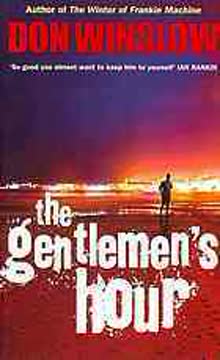
Plot Summary
Kansas Days, Gentlemen's Hour
Boone Daniels, ex-cop and private investigator, floats on his board off Pacific Beach, San Diego, as the Dawn Patrol—his tight-knit group of surfer friends—gives way to the Gentlemen's Hour, a later-morning session for older, more successful surfers. The ocean is flat, the mood languid, and the camaraderie is thick with banter and inside jokes. Boone's life is shaped by the tides: his relationships, his work, and his sense of self all revolve around the surf. Yet beneath the sunlit surface, there's a sense of unease—shifting ground, both literal and metaphorical, as the community faces changes, and Boone himself is adrift, missing his ex Sunny and uncertain about his future with Petra, the ambitious British lawyer who doesn't surf.
Surf, Sun, and Shadows
The Pacific Beach surf scene is a microcosm of Southern California's contradictions: beauty and violence, freedom and tribalism. Boone's friends—Dave the Love God, High Tide, Johnny Banzai, and Hang Twelve—embody the surf ethos, but the peace is fragile. Localism, the ugly side of surf culture, is on the rise, with gangs and turf wars creeping into the water and the bars. The Sundowner, a beloved surf hangout, becomes the site of a confrontation that will shatter the illusion of innocence. Boone, more comfortable in the ocean than on land, senses that the world he loves is changing, and not for the better.
The Dawn Patrol Bonds
The Dawn Patrol is more than a surf crew; it's Boone's chosen family. Each member brings their own quirks and histories—Dave's womanizing, Tide's reformed gang past, Johnny's cop instincts, Hang's tech wizardry. Their rituals—surfing, eating, talking story—are sacred, offering solace and identity. Yet Boone feels the strain as life pulls them in different directions: Sunny's gone pro, Dave's in limbo, and Boone himself is caught between the pull of the ocean and the demands of adulthood. The bonds are tested as outside pressures—crime, ambition, love—intrude on their sanctuary.
Dan Nichols' Secret Fears
Dan Nichols, a successful surf entrepreneur and Gentlemen's Hour regular, confides in Boone: he suspects his wife Donna is cheating. Boone hates matrimonial cases, but Dan's vulnerability and genuine love for Donna sway him. The investigation begins with phone records and surveillance, but Boone is uneasy—he knows that digging into people's private lives rarely ends well. Dan's pain is palpable, and Boone is reminded that even in paradise, heartbreak and betrayal are never far away. The case will soon entangle Boone in a web of corruption, violence, and moral ambiguity.
The Legend of Kelly Kuhio
Kelly Kuhio—K2—is a surfing legend, a mentor, and a symbol of the old-school surf values: aloha, community, peace. His presence in Pacific Beach is a blessing, his murder a catastrophe. K2's life story is woven into the fabric of the surf community, and his loss is felt as a collective wound. The paddle-out memorial draws surfers of all backgrounds, united in grief and respect. Boone, who idolized K2, is devastated. The killing exposes the fractures in the community—race, class, violence—and forces Boone to confront the darkness beneath the sunlit waves.
Violence at The Sundowner
The Sundowner, once a haven for surfers, becomes the scene of escalating aggression. Corey Blasingame and his "Rockpile Crew" bring localism and gang mentality into the bar, clashing with the Dawn Patrol and K2. The confrontation spills outside, and later that night, K2 is attacked and fatally injured. The incident marks a turning point: violence has invaded the heart of the surf world. Boone, absent that night, is wracked with guilt and anger. The community's response is swift and unforgiving, demanding justice and retribution.
The Blasingame Confession
Corey Blasingame, a privileged but aimless young man, confesses to killing K2 with a "Superman Punch." The evidence is damning: multiple witnesses, a written confession, and the testimony of his own crew. Yet Boone, hired by Corey's defense team (led by Petra and Alan Burke), senses something is off. The confession feels coached, the witnesses' stories too neat. Boone's investigation reveals the toxic influence of Mike Boyd, a martial arts instructor and white supremacist, who has radicalized Corey and others. The case becomes a battleground for issues of race, justice, and the soul of the surf community.
Petra's Dilemma, Boone's Choice
Petra Hall, Boone's would-be lover and Corey's defense attorney, is torn between her professional duty and her personal feelings for Boone. Their relationship is fraught with tension—Boone's friends distrust her, and Boone himself is conflicted about helping a client he despises. As the case deepens, Petra and Boone's bond is tested by secrets, misunderstandings, and the ever-present threat of violence. Their eventual union is hard-won, forged in crisis, but Boone's sense of alienation from his friends and his own values lingers.
Localism and Lost Utopia
The rise of localism, gang mentality, and white supremacy in the surf scene mirrors broader societal fractures. Boone's investigation into the Rockpile Crew and Mike Boyd uncovers a network of hate, violence, and exclusion. The "Five Words" tattoo—"I have nothing to say"—becomes a chilling symbol of silence and complicity. Boone is forced to reckon with the loss of his utopian vision of surfing as a pure, democratic space. The ocean, once a sanctuary, is now contested territory, and Boone must decide where he stands.
The Case Against Corey
As Boone digs deeper, he uncovers evidence that Corey may not have thrown the fatal punch—Trevor Bodin, Boyd's protégé, is the likely killer. The legal case hinges on confessions, coached testimony, and the community's demand for a scapegoat. Boone's efforts to exonerate Corey put him at odds with his friends, especially Johnny Banzai, who took Corey's confession. The cost of pursuing the truth is high: Boone's relationships fracture, and he becomes a pariah in the surf world. Yet he persists, driven by a sense of justice and the memory of K2's teachings.
Boone's Divided Loyalties
Boone's work on the Blasingame case alienates him from the Dawn Patrol and the broader surf community. High Tide, Dave, Hang, and even Johnny turn their backs on him, seeing his defense of Corey as a betrayal of K2 and their shared values. Boone is isolated, torn between loyalty to his friends and his commitment to the truth. The emotional toll is immense, and Boone is forced to confront his own identity, values, and the meaning of friendship. The bonds of the Dawn Patrol are tested as never before.
The Gentlemen's Hour Rules
The Gentlemen's Hour represents the old guard of surfing—successful, established men who cherish the sport's traditions. Boone, caught between the Dawn Patrol and the Gentlemen's Hour, feels the pull of both worlds. The rules of the Gentlemen's Hour—respect, humility, storytelling—are contrasted with the aggression and entitlement of the younger generation. Boone's investigation into Dan Nichols' marriage and the Paradise Homes scandal reveals that even the "gentlemen" are not immune to corruption and moral compromise.
The White Five and Hate
The investigation uncovers the extent of white supremacist ideology among the Rockpile Crew and their mentor, Mike Boyd. The "Five Words" code, the "14 Club," and the network of hate groups reveal a cancer at the heart of the surf community. Corey's confession is exposed as a product of manipulation and self-loathing, his desire to belong twisted into violence. Boone's confrontation with Boyd and the Rockpile Crew is both physical and moral—a battle for the soul of the beach.
The Web of Corruption
Boone's parallel investigation into the Paradise Homes sinkhole uncovers a web of bribery, fraud, and murder. Bill Blasingame, Dan Nichols, and cartel interests are all implicated in a scheme to build luxury homes on unstable ground, falsify geological reports, and silence whistleblowers. The murder of Phil Schering, the geologist, is a key turning point, drawing Boone into a deadly game with the Baja Cartel and their sadistic enforcer, Jones. The stakes escalate as Boone and Petra become targets.
Paradise Homes, Sinking Foundations
The literal and metaphorical sinkhole at the heart of the story symbolizes the collapse of illusions—about friendship, justice, and paradise itself. As the legal and criminal cases converge, Boone and Petra race to expose the truth before they are silenced. The cartel's reach is long, and the violence escalates: torture, murder, and betrayal threaten to destroy everyone involved. Boone's survival depends on his wits, his friends, and the lessons of the ocean—never turn your back on a wave.
Betrayals and Broken Friendships
The aftermath of the cases leaves Boone battered, both physically and emotionally. His friendships are strained, his reputation tarnished, and his sense of self shaken. Petra, now his lover and partner, helps him find solace, but Boone is haunted by what he's lost. The Dawn Patrol is fractured, the surf community divided, and the dream of paradise seems irretrievably lost. Yet Boone is determined to make amends, to "take care of his piece of the world," and to rebuild what he can.
The Cartel's Deadly Reach
The Baja Cartel's enforcer, Jones, brings a new level of brutality to the story—torture, murder, and intimidation. Boone narrowly escapes death with the help of Red Eddie, a local gangster with his own code of honor. The violence exposes the fragility of the social order and the limits of the law. Boone, Petra, and their allies must navigate a world where justice is elusive and survival is never guaranteed. The final confrontations—legal, physical, and moral—force Boone to choose who he is and what he stands for.
Redemption at Rockpile Beach
In the climactic Battle of Rockpile, Boone and the Dawn Patrol confront the Rockpile Crew and reclaim the beach from hate and violence. The fight is brutal but cathartic, a symbolic cleansing of the community's wounds. Boone's relationships are mended, Petra is accepted into the tribe, and the surf world begins to heal. The story ends with Boone rejecting the trappings of success—law school, corporate security—in favor of authenticity, friendship, and the ocean. The Gentlemen's Hour, once a symbol of exclusion, becomes a space for renewal and hope.
Analysis
Don Winslow's The Gentleman's Hour is a meditation on the fragility of paradise—how even the most idyllic communities are vulnerable to violence, corruption, and the slow erosion of values. Through the lens of surf culture, Winslow explores universal themes: the search for belonging, the dangers of tribalism, the seduction of hate, and the cost of integrity. The novel's structure—interweaving personal and societal mysteries—mirrors the complexity of real life, where no issue is isolated and every action has ripple effects. Boone Daniels, as both insider and outsider, embodies the struggle to reconcile loyalty with justice, comfort with truth. The book's ultimate message is one of cautious hope: paradise is not a place, but a practice—a commitment to community, honesty, and the willingness to confront darkness, both within and without. In a world of shifting ground, the only solid foundation is the choice to do the right thing, one wave at a time.
Review Summary
The Gentleman's Hour receives mostly positive reviews, averaging 4.13/5. Readers praise Winslow's conversational style, vivid San Diego surf culture setting, and memorable characters, particularly protagonist Boone Daniels. Many enjoy the lighter tone compared to Winslow's darker cartel novels. Critics note the plot can be conventional and predictable, with some finding the romance between Boone and Petra melodramatic. Most agree it's an entertaining, fast-paced read, though considered lesser Winslow compared to works like The Power of the Dog or Savages.
People Also Read



Characters
Boone Daniels
Boone is the heart of the novel—a former cop turned private investigator, defined by his love of surfing and his loyalty to his friends. He is introspective, haunted by past failures (notably the unsolved Rain Sweeny case), and torn between the easy rhythms of surf life and the demands of justice. Boone's relationships—with Sunny, Petra, and the Dawn Patrol—reveal his deep need for connection and meaning. His journey is one of self-discovery, as he confronts the darkness in his world and himself, ultimately choosing integrity over comfort. Boone's development is marked by loss, resilience, and a hard-won sense of purpose.
Petra Hall
Petra is a British-American lawyer, fiercely intelligent and driven, yet vulnerable in matters of the heart. Her relationship with Boone is fraught with tension—professional, romantic, and ethical. Petra's commitment to justice is tested by the Blasingame case, her loyalty to Boone, and the violence that engulfs them. She is both Boone's equal and his foil, challenging his assumptions and pushing him to grow. Petra's arc is one of empowerment: she becomes a partner in her firm, a survivor of violence, and a full member of the Dawn Patrol tribe.
Dan Nichols
Dan is the quintessential Gentlemen's Hour surfer—wealthy, charming, and seemingly content. Beneath the surface, he is plagued by jealousy, fear, and a willingness to compromise his values to protect his interests. His request for Boone's help in investigating his wife's fidelity sets off a chain of events that exposes his involvement in the Paradise Homes scandal. Dan's relationship with Donna is complex—marked by love, betrayal, and mutual manipulation. Ultimately, Dan is revealed as both a victim and a perpetrator, his choices driving much of the novel's tragedy.
Donna Nichols
Donna is Dan's wife, the object of his suspicion and the catalyst for Boone's investigation. She is intelligent, attractive, and dissatisfied with her marriage, seeking validation and excitement outside its bounds. Donna's affair with Phil Schering is both a symptom and a cause of deeper problems—loneliness, ambition, and entanglement in criminal schemes. Her actions have far-reaching consequences, implicating her in the web of corruption and violence. Donna is both a victim and an agent, her choices shaped by circumstance and desire.
Kelly Kuhio (K2)
K2 is the embodiment of surf culture's highest ideals—generosity, humility, and community. His murder is the novel's central trauma, a loss that reverberates through every character and plotline. K2's influence endures in memory, guiding Boone and others toward redemption and justice. He is a symbol of what the surf world could be, and his absence is a constant reminder of what has been lost. K2's legacy is both inspiration and challenge, urging the characters to live up to his example.
Corey Blasingame
Corey is a privileged but aimless young man, desperate to belong and easily led astray. His involvement in K2's death is ambiguous—he confesses, but the truth is murky. Corey is radicalized by Mike Boyd and the white supremacist subculture, his need for identity twisted into violence. He becomes the focus of the community's rage, a symbol of everything gone wrong. Corey's arc is one of confusion, self-destruction, and, ultimately, tragic insignificance—he is both perpetrator and victim, never fully in control of his fate.
Mike Boyd
Boyd is a martial arts instructor and white supremacist, the dark heart of the Rockpile Crew. He preys on vulnerable young men like Corey, offering them belonging and purpose in exchange for loyalty and violence. Boyd's influence is pervasive, infecting the surf community with hate and aggression. He is both a physical and ideological antagonist, challenging Boone and the Dawn Patrol to reclaim their world. Boyd's downfall is a necessary step in the community's healing.
Johnny Banzai (John Kodani)
Johnny is Boone's oldest friend and a dedicated homicide detective. His Japanese heritage and outsider status give him a unique perspective on the surf world's racial dynamics. Johnny's commitment to justice is unwavering, but his friendship with Boone is tested by the Blasingame case and the pressures of the job. He is caught between loyalty to his friends and duty to the law, and his career is jeopardized by the fallout from the cases. Johnny's arc is one of integrity, sacrifice, and reconciliation.
Dave the Love God
Dave is the lifeguard and ladies' man of the Dawn Patrol, known for his easygoing nature and fierce loyalty. He provides humor and warmth, but also serves as Boone's confidant and moral sounding board. Dave's own struggles—with love, purpose, and the changing surf world—mirror Boone's, and his support is crucial in Boone's darkest moments. Dave's development is subtle but significant, as he moves from comic sidekick to steadfast friend.
High Tide
High Tide is a former gang leader turned public works supervisor, a Samoan whose size and presence command respect. He represents the possibility of redemption and the importance of community. Tide's perspective on violence, loyalty, and justice is shaped by his past, and he serves as a bridge between worlds—gang, surf, and family. His friendship with Boone is tested by the Blasingame case, but ultimately endures. Tide's arc is one of growth, forgiveness, and leadership.
Plot Devices
Surf as Metaphor for Life
The novel uses surfing not just as a backdrop, but as a central metaphor for existence: the unpredictability of the ocean, the need for balance, the inevitability of wipeouts, and the importance of community. The rhythms of the surf sessions—Dawn Patrol, Gentlemen's Hour—structure the narrative and symbolize the passage of time, generational change, and the tension between tradition and innovation. Surfing's democratic ideal is contrasted with the rise of localism and exclusion, mirroring the broader social conflicts at play.
Dual Investigations and Interwoven Mysteries
Boone's simultaneous investigations—into Corey Blasingame's alleged murder of K2 and the Paradise Homes sinkhole scandal—create a complex, layered narrative. The cases intersect through shared characters, motives, and themes: the search for truth, the cost of loyalty, and the corrosive effects of secrecy and corruption. The structure allows for foreshadowing, misdirection, and gradual revelation, keeping the reader engaged and highlighting the interconnectedness of personal and societal failures.
Confession, Coercion, and the Nature of Truth
The novel explores the fragility of truth in the legal system: confessions are coached, witnesses are manipulated, and the desire for closure often overrides the pursuit of justice. Boone's skepticism and dogged investigation reveal the dangers of easy answers and scapegoating. The motif of "I have nothing to say"—the white supremacist code—underscores the power of silence, denial, and complicity. The narrative structure uses shifting perspectives and unreliable narrators to challenge the reader's assumptions.
The Web of Corruption
The Paradise Homes plotline exposes the depth and breadth of corruption in San Diego's business, political, and criminal worlds. Bribery, fraud, and murder are linked through a network of relationships, with the Baja Cartel's violence serving as both catalyst and consequence. The use of documents, flow charts, and investigative techniques grounds the story in procedural realism, while the escalating violence raises the stakes and tests the characters' resolve.
Redemption Through Community
Despite the darkness, the novel offers hope through the restoration of friendship, the reclamation of the beach, and the possibility of personal growth. The climactic Battle of Rockpile is both literal and symbolic—a cleansing of the community's wounds and a reaffirmation of shared values. The narrative structure allows for reconciliation, forgiveness, and the reestablishment of trust, suggesting that paradise, though flawed, can be rebuilt.








































