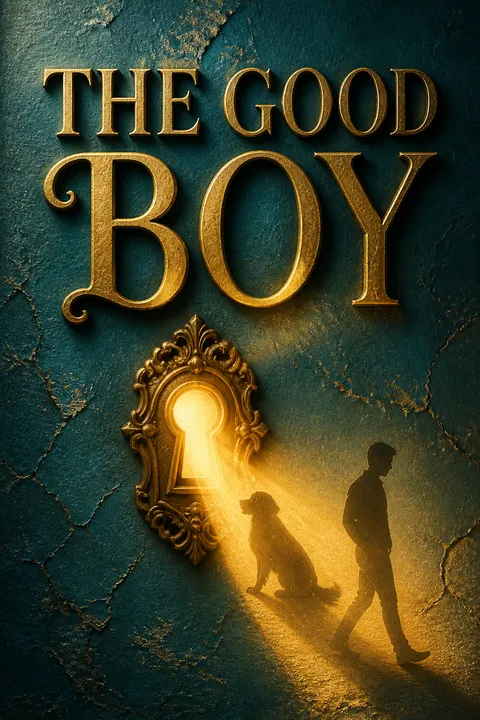
Plot Summary
Birthday Wishes and Warnings
Eugenie "Genie" Wilson celebrates her thirtieth birthday with her vibrant, eccentric family in Scarborough. Her grandmother, Nanna Maria, a fortune-teller with a flair for drama, insists on the family's magical Maltese heritage and bestows upon Genie a once-in-a-decade wish, with strict rules: it must be made at midnight and is irreversible. Genie, skeptical but tipsy, shrugs off the warning, dismissing the magic as family folklore. The warmth of her family, the comfort of routine, and her beloved golden retriever Rory are all she needs—or so she thinks. But beneath the laughter and rituals, there's a sense of longing and resignation, a quiet ache for something more, even if Genie refuses to admit it to herself.
Midnight Mistakes Unleashed
Returning home after her birthday dinner, Genie is greeted by her loyal dog Rory and a late-night visit from her neighbor and childhood friend, Miles. As midnight strikes, Genie, half-joking and half-lonely, absently wishes Rory were human so her family would stop worrying about her being alone. She forgets the wish as soon as she makes it, but the magic is already set in motion. The next morning, Genie wakes to find a naked man—her dog transformed—sleeping in Rory's bed. The shock is both hilarious and terrifying, and Genie's world is upended as she realizes the wish was real, and the consequences are far more complicated than she ever imagined.
A Man in the Dog Bed
Genie's initial panic gives way to confusion and reluctant acceptance as the man insists he is Rory, her dog. He knows intimate details only Rory could know, from favorite toys to buried shoes. His behavior is unmistakably canine—loyal, anxious, food-obsessed, and eager to please. Genie's attempts to rationalize the situation fail, and she's forced to confront the reality of magic in her life. The absurdity of explaining Rory's transformation to others, especially her skeptical but supportive friend Miles, adds layers of comedy and pathos. Genie's carefully constructed world of "good enough" is shattered, and she must navigate the chaos of caring for a dog in a man's body.
Miles, Magic, and Mayhem
Genie enlists Miles's help, struggling to convince him of the truth. Miles, a geologist and rationalist, is initially incredulous but gradually accepts the impossible as Rory's dog-like behavior proves undeniable. Together, they attempt to teach Rory basic human skills—clothing, hygiene, and social norms—while hiding his true identity from neighbors and friends. Genie's family, especially her mother and Nanna Maria, reveal that the wish is indeed real and irreversible, deepening Genie's guilt and desperation. The trio's dynamic is tested as they search for a solution, and Genie is forced to confront her own fears, regrets, and the possibility that magic—and change—are real.
The Dog Next Door
Genie's mother and Nanna Maria offer support but little hope for reversing the wish. The family's magical legacy is both a comfort and a burden, as Genie realizes she's not as ordinary—or as powerless—as she believed. Rory's adjustment to human life is both comical and poignant, highlighting the joys and sorrows of being human. Genie's friendship with Miles deepens, complicated by unspoken feelings and the presence of Claudia, a new colleague who takes an interest in Miles. Genie's sense of isolation grows, even as she's surrounded by love, and she begins to question what she truly wants from life.
Family Secrets and Rules
As Genie seeks a way to undo the wish, she learns that the family magic comes with strict rules and a heavy price. The wish cannot be reversed except by death or by fulfilling one's true purpose—a quest for self-acceptance and meaning. Genie is forced to confront the traumas and disappointments she's buried: the loss of a child, a failed relationship, and the abandonment of her dreams. Rory's struggle to adapt mirrors Genie's own journey, as both grapple with identity, belonging, and the fear of change. The family's love is steadfast, but only Genie can find the courage to face her past and shape her future.
The Wish's Irreversible Cost
Nanna Maria confirms that the wish is irreversible except through death or by Genie's personal transformation. Genie is devastated, realizing she may have condemned Rory to a life he never wanted. The ethical dilemma of caring for a humanized pet, the absurdity of teaching him to navigate the world, and the heartbreak of watching him lose his "dogness" weigh heavily on her. Yet, Rory's unwavering loyalty and optimism inspire Genie to try—if not for herself, then for him. The only hope lies in Genie's willingness to rediscover her own magic, purpose, and capacity for joy.
Friends, Lies, and Revelations
Genie's attempts to hide Rory's true identity from friends, especially Kelly, lead to a series of comic misunderstandings and emotional confrontations. Kelly, fiercely loyal and outspoken, eventually learns the truth and becomes an ally in Genie's quest. The group's dynamic shifts as secrets are revealed, vulnerabilities are exposed, and old wounds resurface. Genie's reluctance to pursue happiness, her fear of failure, and her unresolved feelings for Miles come to the fore. The support of friends and family becomes both a lifeline and a mirror, forcing Genie to confront the gap between the life she has and the life she wants.
Rory's Human Education
Rory's journey through human life is a blend of slapstick comedy and genuine pathos. He struggles with clothing, food, social cues, and the complexities of human relationships. His innocence and candor highlight the absurdities of adulthood, while his longing for the simple joys of doghood—running on the beach, unconditional love, and living in the moment—underscore the losses that come with growing up. Genie and Miles become his guides, but also learn from him: the value of play, honesty, and hope. Rory's gradual loss of "dogness" is both a metaphor for growing up and a catalyst for Genie's own transformation.
Dancing, Drinking, and Despair
A birthday night out with friends becomes a turning point. Genie, Miles, Rory, and Kelly navigate the chaos of clubs, dancing, and drunken confessions. Genie's jealousy over Miles's flirtations, her fear of vulnerability, and her sense of being left behind come to a head. Rory's exuberance and confusion add levity, but also highlight the emotional stakes. The night ends with moments of connection and regret, as Genie realizes she cannot keep hiding from her feelings or her past. The hangover the next day is both literal and metaphorical—a reckoning with choices made and paths not taken.
The Quest for a Cure
Desperate for a way to restore Rory, Genie explores every possible avenue: family lore, magical rituals, and even a druid-led ceremony in the local park. Each attempt is both farcical and sincere, blending humor with genuine longing. The rituals fail, but the process forces Genie to confront her own resistance to change, her fear of happiness, and her need to forgive herself. Rory's acceptance of his fate, his forgiveness of those who hurt him, and his unwavering love for Genie become the true magic that propels both toward healing.
Facing the Past
Genie's journey reaches its emotional core as she faces the loss of her child, the betrayal of her ex, and the grief she's carried for years. With the support of her mother, Kelly, and Miles, she opens the box of memories she's avoided, allowing herself to mourn and to remember the love that shaped her. A meeting with her ex brings closure, not through reconciliation but through the act of forgiveness—for his failures and her own. Genie's willingness to feel, to grieve, and to hope again marks a turning point in her quest for self-acceptance and purpose.
The Art of Becoming
As Genie reconnects with her passion for art and design, she begins to reclaim the vibrant, hopeful self she once was. Encouraged by Rory, Nanna Maria, and her friends, she starts drawing, designing, and wearing color again—literal and metaphorical signs of her transformation. The act of creation becomes a form of healing, a way to honor her past and imagine a new future. Genie's journey is not about erasing pain but about integrating it, finding beauty in imperfection, and daring to dream again.
Claudia, Confessions, and Complications
Claudia's presence complicates Genie's feelings for Miles, forcing her to confront her own desires and fears. Claudia, sincere and kind, becomes both a rival and a friend, embodying the possibility of new beginnings. Genie's reluctance to confess her love for Miles, her fear of rejection, and her sense of unworthiness create tension and missed opportunities. Ultimately, honesty—about love, pain, and hope—becomes the only way forward. Genie learns that true magic lies in vulnerability, connection, and the courage to speak her heart.
Rituals, Realizations, and Release
A final ritual in the park, led by a druid and witnessed by friends and family, becomes a moment of collective hope and acceptance. The magic fails to restore Rory, but the experience brings the group closer and clarifies what truly matters: love, forgiveness, and the willingness to embrace uncertainty. Genie realizes that some things cannot be fixed or undone, but can be transformed through acceptance and compassion. The journey is not about returning to the past but about creating a new future, together.
The Power of Forgiveness
Rory's confrontation with his abusive former owner becomes a powerful act of forgiveness—not for the other's sake, but to free himself from fear and pain. Genie, too, learns that forgiveness is not about absolving others but about releasing herself from the chains of regret and resentment. The act of forgiving, of letting go, becomes the final key to transformation—for both Rory and Genie. The past cannot be changed, but its hold can be broken, making space for joy, love, and new beginnings.
Love, Loss, and Letting Go
With Rory's fate seemingly sealed, Genie finally confesses her love to Miles, risking heartbreak for the chance at happiness. Miles reciprocates, revealing that he has always loved her, too. Their union is marked by magic—snow in August, colored lights, and a sense of wonder—but also by the ordinary, everyday acts of kindness and care that define real love. Rory, accepting his new life, finds peace in the love that surrounds him, even as he mourns the loss of his doghood. The story becomes a celebration of love in all its forms—romantic, familial, and unconditional.
The Final Transformation
In the quiet aftermath of confession and acceptance, Genie discovers that her own magic has grown strong enough to grant a wish. She uses it not for herself, but for Rory, restoring him to his true form. The reunion is joyful and bittersweet, a testament to the power of love, hope, and selflessness. Genie, Miles, Rory, and their extended family—human and animal—find a new equilibrium, shaped by the trials they've endured and the lessons they've learned. The impossible has become possible, not through magic alone, but through courage, honesty, and the willingness to believe.
Magic, Hope, and Home
The story ends with Genie, Miles, Rory, and their chosen family embracing the messiness and wonder of life together. Magic is real—not just in wishes and transformations, but in forgiveness, hope, and the everyday acts of love that bind them. Genie's journey from resignation to joy, from fear to hope, becomes a fable for anyone who has ever doubted their own worth or the possibility of happiness. The impossible is possible, the ordinary is extraordinary, and home is wherever love is found.
Analysis
Stella Hayward's The Good Boy is a contemporary fairy tale that uses magical realism to explore the complexities of grief, love, and self-acceptance. At its heart, the novel is about the consequences of wishing for change without understanding its cost, and the redemptive power of forgiveness—of others and oneself. Genie's journey from resignation to hope, from hiding to vulnerability, is both deeply personal and universally resonant. The transformation of Rory from dog to man is a brilliant device, allowing the story to interrogate what it means to be human: the joys, sorrows, absurdities, and possibilities. The novel's humor softens its exploration of trauma and regret, while its magical elements elevate everyday struggles into acts of courage and wonder. Ultimately, The Good Boy argues that magic is real—not just in wishes and transformations, but in the acts of love, forgiveness, and hope that make life worth living. The lesson is clear: happiness is not found in avoiding pain, but in embracing the messiness of life, daring to hope, and believing that the impossible is possible.
Characters
Eugenie "Genie" Wilson
Genie is the heart of the story—a thirty-year-old woman who has settled for "good enough" after a series of heartbreaks and disappointments. Haunted by the loss of her child and the collapse of her dreams, she hides behind sarcasm, routine, and a refusal to hope for more. Her journey is one of reluctant transformation: forced by magic to confront her fears, regrets, and desires, she gradually reclaims her creativity, vulnerability, and capacity for joy. Genie's relationships—with her family, friends, and especially Rory—reveal her deep well of love and loyalty, even as she struggles to accept it for herself. Her arc is one of self-forgiveness, courage, and the rediscovery of magic in the everyday.
Rory
Rory, Genie's golden retriever, is transformed into a human by Genie's careless wish. His journey from dog to man is both comic and poignant, highlighting the absurdities and sorrows of human life. Rory's innocence, honesty, and unconditional love serve as a mirror for Genie and those around her, exposing their fears and inspiring their growth. As he loses his "dogness," Rory grapples with identity, belonging, and the pain of change. His ultimate acceptance of his fate—and his forgiveness of those who hurt him—becomes the story's emotional core. Rory is both a symbol of lost innocence and a guide to hope, reminding everyone of the power of love, play, and forgiveness.
Miles
Miles, Genie's childhood friend and neighbor, is a geologist with a scientific mind and a gentle heart. Orphaned young, he finds family in Genie and her clan, but struggles with loneliness and unspoken longing. His loyalty to Genie is unwavering, even as he hides his own feelings and supports her through chaos and crisis. Miles's journey is one of quiet courage: learning to risk vulnerability, to hope for more, and to accept love when it is finally offered. His relationship with Genie is marked by humor, tenderness, and a deep, unspoken bond that becomes the foundation for both their transformations.
Nanna Maria
Nanna Maria is Genie's grandmother and the family's magical anchor. Flamboyant, wise, and unapologetically herself, she embodies the power and peril of family magic. Her belief in Genie's potential is both a blessing and a burden, pushing Genie to confront truths she would rather avoid. Nanna's love is fierce and unconditional, but her insistence on honesty and self-acceptance forces Genie to grow. She is both a source of comic relief and a wellspring of wisdom, guiding the family through crisis with humor, drama, and a deep understanding of the human heart.
Kelly
Kelly, Genie's lifelong friend, is outspoken, loyal, and unafraid to call Genie out on her self-deception. Her own struggles with marriage and self-worth mirror Genie's journey, and her willingness to confront pain head-on becomes a model for healing. Kelly's humor, warmth, and refusal to let Genie hide from herself provide both comfort and challenge. She is the friend everyone needs: honest, supportive, and unafraid to demand more from those she loves.
Claudia
Claudia, Miles's colleague and would-be love interest, is sincere, kind, and searching for connection in a new town. Her presence forces Genie to confront her feelings for Miles and her fear of vulnerability. Claudia's openness and willingness to befriend Genie, even as a rival, highlight the importance of honesty and the possibility of new beginnings. She is both a complication and a gift, embodying the idea that love is not a zero-sum game.
Genie's Mother (Rita)
Rita is Genie's mother, a source of unconditional love and practical wisdom. Her own experience with the family magic and her support through Genie's grief provide a model of resilience and hope. Rita's encouragement, honesty, and willingness to hold space for Genie's pain are crucial to her daughter's healing. She represents the enduring power of maternal love and the importance of facing the past to build a better future.
Genie's Father
Genie's father is a steady, loving figure who provides quiet support and humor. His relationship with Rita and his acceptance of Genie's choices offer a model of healthy masculinity and partnership. He is a reminder that love can be simple, steadfast, and transformative.
Matilda
Matilda, Miles's elderly cat, is both a source of comic antagonism and a symbol of resilience. Her survival after an accident, her grudging acceptance of Rory, and her role in Miles's life highlight the importance of unlikely connections and the healing power of companionship. Matilda's presence underscores the story's theme that family can be found in the most unexpected places.
Andy (Rory's Former Owner)
Andy, Rory's abusive former owner, represents the pain and fear that haunt both Rory and Genie. His reappearance forces Rory to confront his trauma and choose forgiveness—not for Andy's sake, but to free himself from the past. Andy's role is brief but pivotal, highlighting the story's message that healing requires both courage and compassion.
Plot Devices
Magical Realism and the Irreversible Wish
The central plot device is the magical wish that turns Rory from dog to man, setting off a chain of events that force Genie and those around her to confront their deepest fears, regrets, and desires. The wish is both a literal and metaphorical catalyst, representing the unintended consequences of longing for change without understanding its cost. The rules of the wish—irreversible except by death or personal transformation—create urgency and stakes, propelling the characters on a quest for meaning, forgiveness, and self-acceptance. The magic is woven seamlessly into the fabric of everyday life, blurring the line between the ordinary and the extraordinary.
Humor and Pathos in Transformation
Rory's transformation is played for both laughs and tears, using slapstick, misunderstandings, and absurdity to explore deeper themes of identity, loss, and hope. The juxtaposition of dog logic and human complexity exposes the absurdities of adulthood, the pain of growing up, and the longing for innocence. The humor softens the story's darker moments, while the pathos grounds the magic in real emotion.
Foreshadowing and Symbolism
The story uses recurring symbols—snow in August, colored lights, the squeaky pigeon Diego, and the act of running on the beach—to foreshadow transformation and healing. These motifs connect past and present, loss and hope, and serve as touchstones for the characters' journeys. The use of rituals, both magical and mundane, underscores the importance of intention, community, and the willingness to believe in possibility.
Narrative Structure and Emotional Arc
The narrative follows a classic quest structure, with Genie's journey mirroring the stages of grief, acceptance, and renewal. Each attempt to "fix" Rory becomes an opportunity for Genie to confront her own wounds, culminating in acts of forgiveness, confession, and self-acceptance. The emotional arc is one of movement from resignation to hope, from isolation to connection, and from fear to love. The story's resolution is both magical and grounded, affirming that true transformation comes from within.








































