
Plot Summary
Storm Over Gillam
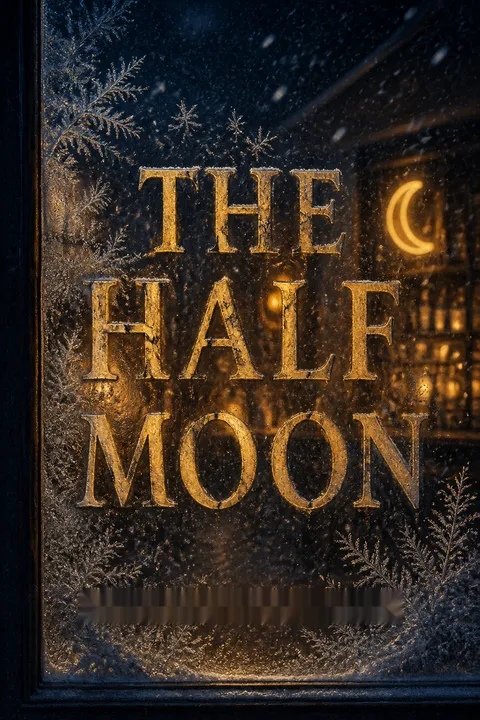
As a fierce winter storm descends on the small town of Gillam, Malcolm Gephardt, owner of the Half Moon bar, braces for a long, cold night. The storm's arrival is more than just weather—it's a metaphor for the turbulence in Malcolm's life. His marriage to Jess is unraveling, the bar's finances are dire, and the community he's always counted on feels distant. The snow traps everyone in place, forcing Malcolm to confront the emptiness of his home and the growing chasm between him and Jess. The storm's silence amplifies his loneliness, and the bar, usually a place of warmth and camaraderie, becomes a stage for his anxieties and regrets. The blizzard sets the stage for a reckoning, both with the past and with the uncertain future.
The Bar's Glow Fades
The Half Moon, once a beacon of local life, is now struggling. Malcolm, who bought the bar after years of working under its previous owner, Hugh, is discovering that ownership is lonelier and more precarious than he imagined. The regulars are aging, new competition is siphoning off business, and every small repair or update feels like a battle against nostalgia and inertia. Malcolm's optimism is tested by financial pressures, unreliable staff, and the realization that the bar's magic can't be conjured on demand. The bar's decline mirrors Malcolm's own sense of fading purpose, and the community's shifting loyalties leave him feeling adrift. The Half Moon's struggles become a symbol of dreams that don't survive contact with reality.
Marriage in Fragments
Malcolm and Jess's marriage, once passionate and full of shared dreams, is now marked by silence and misunderstanding. Years of failed fertility treatments have left them both exhausted and resentful, each blaming themselves and the other for their inability to have a child. Their conversations are fraught, circling around money, the bar, and the emptiness in their home. Jess's career has stalled, and Malcolm's secret financial decisions—especially his risky deal with Hugh—create further distance. The couple's intimacy has faded, replaced by routines and unspoken grievances. Their love, though still present, is buried under layers of disappointment and unmet expectations, and both are tempted by the idea of escape.
Dreams and Deals
Malcolm's lifelong dream of owning the Half Moon comes at a steep price. He makes a handshake deal with Hugh to buy not just the business but the building itself, taking on debt he can barely manage. Jess, already drained by the costs of fertility treatments, is furious when she discovers the secret arrangement. Their financial future becomes a source of tension, with Malcolm clinging to the hope that the bar will turn around and Jess growing increasingly skeptical. The dream that once united them now divides them, as each feels betrayed by the other's choices. The bar's ownership, meant to be a foundation for their life together, instead becomes a wedge that drives them further apart.
The Baby That Wasn't
The couple's struggle to have a child is a wound that never heals. Jess endures years of invasive treatments, miscarriages, and dashed hopes, while Malcolm tries to be supportive but feels helpless and excluded. The rituals of hope and disappointment become their shared language, but also their prison. The absence of a child shapes every aspect of their lives, from their finances to their friendships. Jess's grief is raw and consuming, while Malcolm's is quieter but no less real. The loss of the imagined child—Nora or Dennis—haunts them, and the sense of failure seeps into every corner of their marriage. The baby that never arrives becomes the ghost at the center of their story.
Jess's Escape
Overwhelmed by grief, anger, and the sense that her life is slipping away, Jess decides to leave Malcolm. She moves in with her friend Cobie in the city, seeking space to think and heal. The separation is both a relief and a new source of pain. Jess grapples with guilt over abandoning Malcolm and uncertainty about what she wants. She tries to imagine a future without him, but the pull of their shared history is strong. In the city, she is both anonymous and exposed, forced to confront who she is outside the roles of wife and would-be mother. Her escape is not a solution, but it is a necessary step toward clarity.
The Other Man
While living apart from Malcolm, Jess begins an affair with Neil, a recently divorced lawyer and friend of her friends. The relationship is both a distraction and a genuine connection, offering Jess the sense of family she's been missing. Neil's children become a bittersweet reminder of what she and Malcolm never had. The affair is discovered by their mutual friends, and the news eventually reaches Malcolm, shattering his last hopes for reconciliation. Jess is torn between the comfort of the familiar and the excitement of the new, but neither path offers easy answers. The affair forces both Jess and Malcolm to confront the reality of their marriage's end.
The Vanishing Act
Amid the personal turmoil, a regular at the Half Moon, Tripp, goes missing after a drunken night at the bar. The police investigation draws Malcolm into a web of secrets, as it's revealed that Tripp was fleeing legal trouble and may have faked his own death with the help of a young bartender, Roddy. The mystery of Tripp's disappearance becomes a parallel to Malcolm and Jess's own desires to escape their lives. The bar, once a place of community, is now a stage for deception and reinvention. The search for Tripp exposes the fragility of the stories people tell about themselves and the lengths they'll go to start over.
Fire and Forgiveness
Facing financial ruin and pressure from Hugh's enforcer, Malcolm and Jess contemplate burning down the Half Moon for the insurance money. The plan is a last-ditch effort to free themselves from debt and the burdens of the past. As they prepare to set the fire, they are forced to confront the morality of their choices and the possibility of truly losing everything. In the end, they can't go through with it, realizing that starting over requires more than destroying the past. The aborted arson becomes a turning point, a moment of reckoning that opens the door to forgiveness and the possibility of a new beginning.
The Last Stand
With the bar's future in jeopardy and their marriage at a crossroads, Malcolm and Jess must decide what they truly want. Jess uses her legal skills to uncover a decades-old deed that gives them leverage over Hugh, allowing them to negotiate a way out of their crushing debt. The confrontation with Hugh is both humiliating and liberating, as Malcolm finally lets go of the dream that has defined him for so long. The couple's willingness to face the truth about themselves and each other becomes the foundation for a different kind of partnership—one built on honesty, vulnerability, and acceptance.
Letting Go of Home
With the Half Moon sold back to Hugh and their house on the market, Malcolm and Jess begin the painful process of letting go. They sort through the remnants of their life together, donating the baby things they never used and reflecting on the choices that brought them here. Their friends and family react with a mix of sympathy, judgment, and support. The process of leaving is both an ending and a beginning, as they make peace with the lives they didn't lead and the dreams that didn't come true. Letting go becomes an act of courage, a way to honor the past while making space for the future.
A New Beginning
With nothing left to tie them to Gillam, Malcolm and Jess accept an offer to manage a bar in the Caribbean, embracing the chance to reinvent themselves. The move is both a leap of faith and a pragmatic choice, a way to escape the weight of old disappointments and start fresh. As they prepare to leave, they are filled with uncertainty but also a sense of possibility. Their relationship, battered but unbroken, becomes a source of strength. The story ends not with a tidy resolution, but with the promise of new adventures and the hard-won knowledge that happiness is something you choose, again and again, every day.
Analysis
A modern meditation on marriage, dreams, and reinventionThe Half Moon is a deeply empathetic exploration of what it means to build a life—and what happens when that life falls apart. Mary Beth Keane uses the microcosm of a small-town bar and a marriage in crisis to examine universal questions: How do we cope with disappointment? What do we owe to ourselves and to those we love? The novel is unsparing in its depiction of grief, longing, and the slow erosion of hope, but it is also generous, offering its characters the possibility of forgiveness and renewal. Keane's nuanced portrayal of infertility, financial stress, and the search for meaning resonates in a world where many feel trapped by circumstances beyond their control. The story's refusal to offer easy answers is its greatest strength—happiness, it suggests, is not a destination but a choice, made daily in the face of uncertainty. The Half Moon ultimately argues for the courage to let go of old dreams, to accept imperfection, and to embrace the messy, miraculous business of starting over.
Review Summary
The Half Moon receives mixed reviews, averaging 3.39/5. Many praise Mary Beth Keane's character-driven storytelling and realistic portrayal of a struggling marriage between bar owner Malcolm and lawyer Jess, who face financial strain, infertility, and communication breakdowns during a blizzard. Fans highlight the authentic emotional depth and hopeful ending. Critics find the pacing slow, characters immature and frustrating, timelines confusing, and a subplot involving a missing patron unnecessary. Comparisons to the author's previous novel, Ask Again, Yes, are frequent, with opinions divided on whether this meets that standard.
People Also Read










Characters
Malcolm Gephardt
Malcolm is the heart of the Half Moon and the novel's emotional center. A charming, affable man in his mid-forties, he's spent his life tending bar, dreaming of ownership, and believing in the power of community. His marriage to Jess is both his anchor and his undoing, as years of infertility and financial stress erode their connection. Malcolm's optimism is both a strength and a blind spot—he clings to the idea that hard work and good intentions will be enough, even as reality proves otherwise. His relationships with friends and family are marked by loyalty and a deep need to be needed. Over the course of the novel, Malcolm is forced to confront his limitations, let go of old dreams, and find the courage to start over.
Jess Gephardt
Jess is Malcolm's wife, a lawyer whose ambition and intelligence are matched by her vulnerability. Her longing for a child becomes an obsession, shaping her identity and her marriage. Jess's sense of failure is compounded by professional setbacks and the feeling that life is passing her by. Her affair with Neil is both a rebellion and a cry for help, a way to feel alive after years of disappointment. Jess is fiercely independent but also deeply loyal, torn between the desire for escape and the pull of home. Her journey is one of self-discovery, as she learns to forgive herself and Malcolm, and to imagine a future not defined by loss.
Hugh Lydon
Hugh is the former owner of the Half Moon, a larger-than-life presence whose influence lingers long after he retires. He is both mentor and antagonist to Malcolm, offering him the chance to buy the bar but saddling him with impossible terms. Hugh's worldview is shaped by old loyalties and grudges, and his relationships are transactional. He represents the weight of tradition and the dangers of nostalgia. Hugh's eventual willingness to negotiate is less about generosity than self-interest, but his role is crucial in forcing Malcolm and Jess to confront the realities of their situation.
Neil Bratton
Neil is a recently divorced lawyer who becomes Jess's lover during her separation from Malcolm. He is attentive, stable, and offers Jess the semblance of the family she's always wanted, complete with children from his previous marriage. Neil's presence is both comforting and unsettling—he represents a path not taken, but also the realization that no relationship is free from complications. His inability to fully understand Jess's grief and his own baggage ultimately make him an imperfect solution to her problems. Neil's role is to challenge Jess's assumptions about happiness and to force her to choose what she truly wants.
Roddy Horan
Roddy is a young bartender at the Half Moon, awkward and eager to please, but underestimated by everyone. His involvement in Tripp's disappearance reveals a hidden intelligence and resourcefulness. Roddy's actions are motivated by desperation and a desire to prove himself, but he is also a mirror for Malcolm's own youthful ambitions and mistakes. His ability to reinvent himself and disappear becomes a dark echo of the novel's themes of escape and transformation.
Tripp Waggoner
Tripp is a longtime patron of the Half Moon whose sudden disappearance sets off a police investigation and a wave of speculation. Beneath his bluster and complaints lies a man desperate to escape the consequences of his actions. Tripp's vanishing act is both a literal and metaphorical expression of the desire to start over, and his story intertwines with Malcolm's in unexpected ways. He is a reminder that everyone harbors secrets and that reinvention often comes at a cost.
Siobhán Hill
Siobhán is a close friend to both Malcolm and Jess, serving as confidante, mediator, and sometimes judge. Her own stable family life is a contrast to the Gephardts' turmoil, but she is not immune to the complexities of loyalty and betrayal. Siobhán's attempts to support both Jess and Malcolm are fraught with difficulty, and her reactions reflect the broader community's struggle to process the couple's unraveling. She embodies the challenges of friendship in the face of change.
Patrick Hill
Patrick is Malcolm's oldest friend and Siobhán's husband. He is steady, reliable, and deeply invested in Malcolm's well-being. Patrick's discovery of Jess's affair puts him in an impossible position, torn between loyalty to Malcolm and empathy for Jess. His inability to fully understand or forgive Jess reflects the limits of even the closest friendships. Patrick's presence is a reminder of the importance—and the limits—of community.
Emma
Emma is Malcolm's best bartender, competent and loyal, with a quiet affection for him that never quite crosses the line. She is a stabilizing force at the Half Moon, and her honesty is crucial in exposing the theft that nearly sinks the bar. Emma's presence is a reminder of the possibilities that exist outside the boundaries of marriage, and of the small, everyday acts of care that sustain a community.
Gail Gephardt
Malcolm's mother is a background presence whose influence is felt throughout the novel. She represents the endurance of family and the wisdom that comes from surviving loss. Gail's own struggles with aging and memory mirror the larger themes of change and letting go. Her support for Malcolm and Jess is unwavering, and her insights are instrumental in helping them find a way out of their predicament.
Plot Devices
Dual Narrative Structure
The novel employs a dual narrative, shifting between Malcolm and Jess's points of view. This structure allows readers to inhabit both characters' inner worlds, understanding the misunderstandings and missed connections that drive them apart. The alternating chapters create a sense of intimacy and immediacy, while also highlighting the ways in which two people can experience the same events so differently. The structure mirrors the fragmentation of their marriage and the slow process of reconciliation.
The Bar as Microcosm
The bar is more than a setting—it is a living symbol of Malcolm's dreams, the town's traditions, and the inevitability of change. Its decline parallels the unraveling of Malcolm and Jess's marriage, and its fate becomes a barometer for the health of the community. The bar's regulars, staff, and rituals serve as a chorus, commenting on the main action and providing context for the characters' struggles.
Foreshadowing and Echoes
The novel is rich with foreshadowing—weather events, offhand remarks, and minor characters all hint at the larger crises to come. The blizzard at the beginning sets the tone for the emotional storms that follow. The disappearance of Tripp and the temptation to commit arson are both foreshadowed by earlier discussions of escape and reinvention. Echoes of the past—childhood memories, old debts, and lost dreams—recur throughout, reinforcing the themes of regret and hope.
Parallel Plotlines
The mystery of Tripp's disappearance runs alongside the unraveling of Malcolm and Jess's marriage, creating suspense and deepening the novel's exploration of escape and accountability. The investigation into Tripp's fate becomes a metaphor for the characters' own desires to disappear or start over. The convergence of personal and public crises forces the characters to confront the consequences of their actions.
Symbolism of Weather and Place
The novel uses weather—especially snow and storms—as a metaphor for emotional states. The blizzard that opens the story is both a literal and figurative barrier, trapping characters and forcing introspection. The changing seasons mark the passage of time and the slow process of healing. The town of Gillam, with its familiar streets and shifting boundaries, becomes a symbol of both comfort and confinement.

Download PDF
Download EPUB
.epub digital book format is ideal for reading ebooks on phones, tablets, and e-readers.








































