
Plot Summary
Lavender Lodge: Ghosts and Betrayal
Lockwood & Co.—Anthony Lockwood, Lucy Carlyle, and George Cubbins—investigate Lavender Lodge, a boardinghouse linked to disappearances. The elderly owners, Mr. and Mrs. Evans, trap the team upstairs, hoping the house's ghosts will kill them. The trio's psychic talents—Lockwood's Sight, Lucy's Listening, George's research—are tested as they confront a cluster of restless spirits and a powerful Changer ghost in the attic. Their teamwork, though chaotic, saves them. They discover the Evanses murdered guests for profit, using the haunting as cover. The case cements the trio's bond but foreshadows the dangers of their work and the emotional toll of facing the dead. The episode ends with the team's narrow escape and the arrest of the Evanses, but also with a sense of exhaustion and the first hints of strain.
Teamwork Under Fire
The Lavender Lodge case highlights the necessity of teamwork in the face of supernatural peril. Lockwood's leadership, Lucy's sensitivity, and George's practicality combine in moments of crisis, but their methods are messy and improvisational. The aftermath finds them physically battered and emotionally shaken, yet proud of their success. However, the relentless pace of cases and the growing threat in Chelsea strain their resources. Lockwood proposes hiring a new agent to help, but Lucy and George resist, fearing disruption of their close-knit dynamic. The chapter explores the tension between the need for help and the fear of change, setting the stage for future conflicts as the team's vulnerabilities become more apparent.
The Skull's Wicked Counsel
Lucy's unique ability to communicate with the Type Three ghost in the skull jar becomes both asset and liability. The skull offers advice—often malicious or mocking—while also providing genuine insights into supernatural threats. Its presence isolates Lucy, as only she can hear its voice, and its commentary stirs doubts about her colleagues and herself. The skull's relationship with Lucy evolves from antagonism to a twisted camaraderie, reflecting her growing power and the risks of her Talent. The skull's warnings and provocations foreshadow the dangers of deeper psychic connection and hint at the psychological costs of Lucy's gift.
Lockwood's Secret Room
Lockwood finally reveals the forbidden room in his house: his sister Jessica's bedroom, preserved since her death by ghost-touch. The room's psychic residue is overwhelming, and Lockwood's stoic facade cracks as he recounts the tragedy. Lucy and George learn of his family's history with the supernatural and the guilt Lockwood carries for not saving his sister. The revelation deepens the team's bond but also exposes Lockwood's emotional distance and the unresolved trauma that drives him. The chapter explores themes of grief, secrecy, and the burden of leadership, as well as the ways personal loss shapes the fight against the Problem.
Chelsea's Spreading Darkness
The Chelsea district is beset by an unprecedented outbreak of hauntings—ghosts of all types, growing in number and aggression. DEPRAC and the major agencies struggle to contain the crisis, evacuating streets and facing public unrest. Lockwood & Co., excluded from the official response, chafe at their marginalization. The outbreak's mysterious origin and rapid escalation suggest a deeper cause. The chapter captures the city's fear, the inadequacy of adult authorities, and the pressure on young agents. It also introduces the idea of clusters—hauntings that feed on each other—and the possibility that something new and terrible is stirring the dead.
The Veiled Woman's Confession
On a case with Lockwood, Lucy confronts a veiled female ghost haunting a child's bedroom. Using her Listening Talent, she communicates with the spirit, who reveals the location of a hidden confession—a letter admitting to murder. Lucy's approach, favoring connection over confrontation, resolves the haunting peacefully. Lockwood, wary after his sister's fate, warns against such risks. The episode highlights Lucy's growing confidence and the potential of her Talent, but also the dangers of empathy with the dead. It marks a turning point in Lucy's methods and foreshadows the conflicts her approach will cause within the team.
Lucy's Dangerous Experiment
Alone on a case, Lucy deliberately forgoes standard defenses to make contact with a ghost—a miserly old man haunting his chair. She successfully discerns his purpose (to reveal hidden money to his family) and resolves the haunting without violence. The experience convinces Lucy that many ghosts seek connection, not harm, and that her Talent can bridge the gap. However, the experiment is risky and violates agency protocols. Lucy's success emboldens her but also isolates her from her colleagues, who fear for her safety. The chapter explores the allure and peril of pushing psychic boundaries.
Holly Munro Arrives
Overworked and disorganized, Lockwood hires Holly Munro, a highly competent former Rotwell assistant, to manage the agency's affairs. Holly's efficiency, tidiness, and social skills quickly improve operations, but her presence unsettles Lucy, who feels displaced and judged. Holly's rapport with Lockwood and George exacerbates Lucy's insecurities, while the skull in the jar mocks the situation. The chapter examines themes of jealousy, adaptation, and the challenge of integrating new members into a close-knit group. Holly's arrival marks a shift in the team's dynamic, introducing both practical benefits and emotional friction.
Rivalries and Resentments
As Holly's role expands, Lucy's resentment grows, fueled by perceived slights and competition for Lockwood's attention. The team's interactions become strained, with small conflicts escalating into larger arguments. Meanwhile, rival agencies, especially Fittes and Rotwell, dominate the response to the Chelsea outbreak, sidelining Lockwood & Co. Encounters with Quill Kipps and his team highlight professional rivalries and the struggle for recognition. The chapter explores the corrosive effects of envy, pride, and exclusion, both within the team and in the broader world of psychic investigation.
The Bloody Footprints Mystery
The team investigates a wealthy client's house plagued by bloody footprints on the stairs. Night-watch children hired to observe the phenomenon are killed or driven mad. Research reveals a historical murder: a servant boy, "Little Tom," chased and killed by his master. The haunting replays the fatal chase, with two ghosts—victim and murderer—locked in a cycle of pursuit. The case tests the team's investigative skills and their ability to interpret complex hauntings. It also raises questions about the nature of innocence and guilt among the dead, and the dangers of misreading a ghost's intentions.
Nightmares on the Staircase
During the vigil at the haunted house, Lucy experiences powerful ghost-lock and misidentifies the victim and perpetrator. Her empathy for the child ghost nearly leads to disaster, as the spirit turns out to be the murderer seeking a new victim. Lockwood's intervention saves her, but he is injured. The episode exposes the risks of Lucy's approach and the limits of compassion in the face of evil. The team's trust is shaken, and Lucy is forced to confront the consequences of her methods. The chapter explores the ambiguity of the past, the unreliability of perception, and the cost of mistakes.
The Fetch and the Hollow Boy
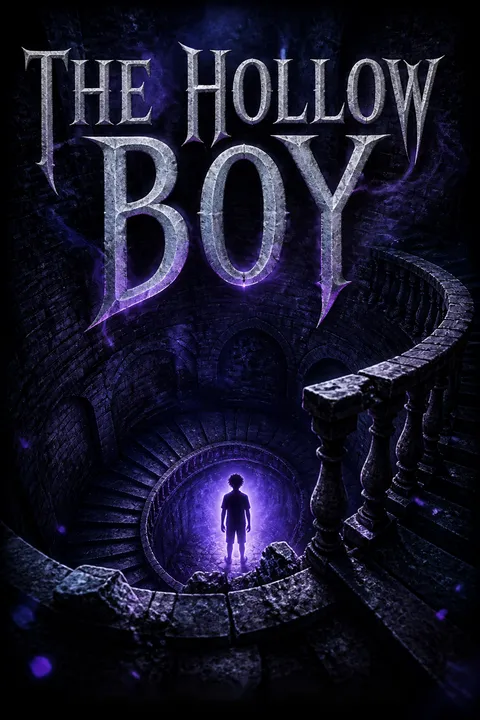
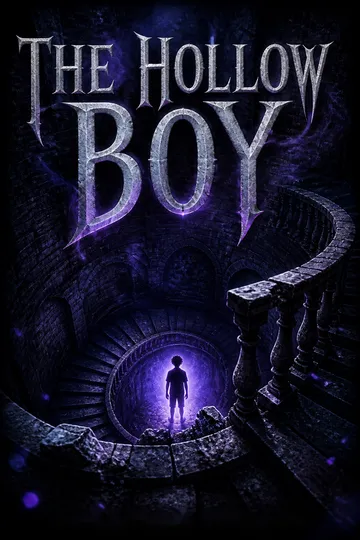
In the depths of Chelsea's haunted underground, Lucy encounters a Fetch—a rare ghost that takes the form of someone the onlooker knows. The Fetch appears as a hollow, dead Lockwood, showing Lucy a vision of his death and blaming her for it. The experience is profoundly disturbing, blurring the line between past and future, reality and fear. Lucy is rescued by the real Lockwood, but the encounter leaves her haunted by the possibility of losing him and by doubts about her own role in the team's fate. The chapter delves into themes of prophecy, guilt, and the psychological impact of ghost-hunting.
Poltergeist Unleashed
While searching Aickmere Brothers department store—the suspected source of the Chelsea outbreak—Lucy and Holly's simmering resentment erupts into a fierce argument. Their emotional turmoil triggers a powerful Poltergeist, which devastates the store and nearly kills them. The team is scattered, and Lucy is sucked into the depths below. The incident forces Lucy and Holly to confront their mutual hostility and the destructive potential of unchecked emotion. The chapter illustrates the dangers of internal conflict and the way supernatural forces feed on human weakness.
Collapse and Descent
Lucy regains consciousness in the ruins beneath Aickmere's, surrounded by skeletons—the victims of the old King's Prison. She realizes the room is the true Source of the Chelsea outbreak, its psychic energy unleashed by recent disturbances. Alone and vulnerable, Lucy faces the ghosts of the forgotten dead and the approach of the crawling figure that has haunted the store. The chapter is a descent into the literal and metaphorical underworld, confronting the legacy of cruelty and neglect that fuels the Problem.
The Prison Beneath Chelsea
Exploring the underground chamber, Lucy discovers evidence of recent occult activity—candles, burn marks, and a cigarette butt—suggesting someone has been performing rituals among the bones. The ghosts of the prisoners, angry and abandoned, surround her, seeking recognition and release. Lucy's empathy allows her to communicate with them, but her own fear and guilt threaten to overwhelm her. The chapter connects the personal and historical, showing how the unresolved past continues to shape the present and how the living and the dead are bound together.
Facing the Source
The crawling figure reveals itself as the central spirit of the outbreak, a manifestation of suffering and rage. Lucy faces a vision of Lockwood's death, delivered by the Fetch, and is nearly undone by grief and terror. The real Lockwood arrives in time to save her, and together they piece together the mystery: the outbreak was triggered by someone exploiting the prison's psychic energy for unknown purposes. The team's actions seal the Source, ending the Chelsea crisis. The chapter is a climax of emotional and supernatural confrontation, blending personal stakes with the fate of the city.
Aftermath and Revelations
The destruction of the Source ends the Chelsea outbreak, and Lockwood & Co. are celebrated as heroes. Rivalries with Kipps's team are set aside, and the agency's reputation soars. However, the victory is bittersweet. Lucy is haunted by the Fetch's prophecy and by her own sense of responsibility for the dangers the team faces. Evidence of occult rituals in the prison hints at a larger conspiracy behind the Problem. The chapter explores the costs of success, the persistence of trauma, and the uncertainty of the future.
A Team Divided
Despite the team's triumph, Lucy decides to resign from Lockwood & Co., believing her growing Talent is too dangerous and that she endangers her friends. Her decision is met with shock and sadness, but she is resolute. The chapter ends with the team fractured, their relationships altered by the events in Chelsea. The unresolved mysteries—the rituals in the prison, the true nature of the Problem, and the fate of the team—linger, setting the stage for future challenges. The emotional arc closes on themes of sacrifice, change, and the search for belonging.
Analysis
Jonathan Stroud's The Hollow Boy is a masterful blend of supernatural adventure, psychological drama, and social commentary. At its heart, the novel explores the costs of confronting the past—both personal and collective—and the ways trauma, guilt, and unresolved grief shape individuals and societies. The haunting epidemic in Chelsea is not just a backdrop for ghostly thrills; it is a metaphor for the wounds that fester when ignored, and for the dangers of failing to acknowledge history's victims. The story's emotional arc is driven by Lucy's journey: her growing power, her experiments with empathy, and her struggle to balance connection with self-preservation. The addition of Holly Munro and the escalation of internal conflict reflect the challenges of change and the necessity of adaptation. The Fetch's prophecy and the unresolved mysteries of the prison rituals point to a world where the boundaries between life and death, past and future, are porous and unstable. Stroud's narrative warns of the perils of pride, secrecy, and isolation, while celebrating the messy, imperfect bonds of friendship and the courage to face the unknown. The novel's lesson is clear: healing—whether of individuals, teams, or societies—requires honesty, vulnerability, and the willingness to confront what haunts us, even when the future remains uncertain.
Review Summary
People Also Read




Characters
Lucy Carlyle
Lucy is the narrator and emotional core of the story, gifted with exceptional Listening and Touch Talents that allow her to communicate with ghosts. Her empathy is both her strength and her vulnerability, drawing her into dangerous psychic connections and making her question the boundaries between the living and the dead. Lucy's relationships—with Lockwood, George, the skull, and later Holly—are marked by loyalty, jealousy, and a longing for acceptance. Her past traumas and her experiments with her Talent isolate her, and her fear of causing harm leads to her eventual resignation. Lucy's arc is one of self-discovery, grappling with the costs of her abilities and the meaning of trust and sacrifice.
Anthony Lockwood
Lockwood is the head of Lockwood & Co., renowned for his Sight and his daring, but haunted by the death of his sister Jessica. His charm and confidence mask deep guilt and a need to protect those he cares about, especially Lucy. Lockwood's secrecy and emotional distance create tension within the team, but his courage and loyalty are unwavering. He struggles to balance his ambition for the agency with his fear of repeating past mistakes. Lockwood's development centers on confronting his grief, opening up to his friends, and learning to trust others with his vulnerabilities.
George Cubbins
George is the team's researcher and the voice of reason, often providing comic relief with his untidy habits and dry wit. His curiosity drives much of the investigation, and his methodical approach balances Lockwood's impulsiveness and Lucy's intuition. George's loyalty is fierce, and he often acts as a mediator in conflicts. He is less psychically gifted than his colleagues but compensates with intelligence and determination. George's arc involves stepping into greater responsibility, especially during the Chelsea crisis, and finding his place in a team of strong personalities.
The Skull
The Type Three ghost in the jar is a source of both danger and insight. Only Lucy can hear its voice, which alternates between mockery, malicious advice, and genuine warnings. The skull's perspective is amoral and self-serving, but it also understands the supernatural world in ways the living cannot. Its relationship with Lucy is complex—part adversary, part confidant—and it serves as a mirror for her own doubts and fears. The skull's presence highlights the psychological risks of Lucy's Talent and the thin line between help and harm.
Holly Munro
Holly is introduced as a highly competent former Rotwell assistant, hired to bring order to Lockwood & Co. Her organizational skills and calm demeanor quickly improve the agency's operations, but her presence disrupts the existing dynamic. Holly's perfectionism and social grace contrast with Lucy's messiness and emotional intensity, leading to rivalry and resentment. Beneath her polished exterior, Holly carries her own traumas and insecurities, revealed in moments of crisis. Her arc involves moving from outsider to valued team member, and her conflict with Lucy forces both to confront their weaknesses and grow.
Quill Kipps
Kipps is the head of a Fittes team and a long-standing rival of Lockwood & Co. He is ambitious, competitive, and often condescending, but the events in Chelsea force him into uneasy cooperation with Lockwood's team. Kipps's own losses and frustrations humanize him, and his willingness to set aside rivalry for the greater good marks his development. His interactions with Lockwood and Lucy reveal the complexities of professional pride, envy, and the need for respect.
Penelope Fittes
The leader of the Fittes Agency, Penelope is a figure of authority and influence. She is gracious and politically astute, recognizing Lockwood & Co.'s achievements and encouraging cooperation among agencies. Penelope's motives are not always clear, and her involvement in the Orpheus Society and the broader mysteries of the Problem hint at deeper layers. She represents the adult world's control over the agencies and the limits of youthful independence.
Flo Bones
Flo is a relic-woman who scavenges psychic artifacts from the Thames and the city's margins. Her knowledge of the supernatural underworld and her pragmatic approach make her a valuable, if unconventional, ally. Flo's rough manners and disregard for social niceties contrast with the agency world, but her loyalty and courage are unquestioned. She serves as a reminder of the broader social impact of the Problem and the diversity of those fighting it.
Inspector Barnes
Barnes is the government inspector overseeing agency activities. He is competent but overworked, often dismissive of Lockwood & Co. and beholden to the major agencies. Barnes's decisions are shaped by political pressures and a desire to avoid risk, leading to frustration and conflict with the protagonists. He embodies the limitations of adult authority and the challenges of institutional inertia in the face of crisis.
The Fetch / Hollow Boy
The Fetch is a rare and terrifying ghost that appears as someone known to the onlooker—in Lucy's case, a dead, hollow Lockwood. It feeds on emotion and sows despair, blurring the line between vision and reality. The Fetch's appearance forces Lucy to confront her deepest fears about loss, responsibility, and the future. It symbolizes the psychological dangers of ghost-hunting and the uncertainty that haunts the living as much as the dead.
Plot Devices
Psychic Talents and Team Dynamics
The narrative is built around the unique psychic abilities of the protagonists—Sight, Listening, Touch—and how these gifts both empower and endanger them. The interplay of talents determines the team's approach to hauntings and their ability to survive. The story uses the team's dynamic—trust, rivalry, jealousy, and loyalty—as both a source of strength and a vulnerability. The addition of Holly Munro and the evolving relationship with the skull highlight the challenges of change and the psychological costs of their work.
Haunting as Metaphor for Trauma
The supernatural threats are consistently linked to unresolved trauma—murders, betrayals, abandonment, and injustice. The ghosts' inability to move on reflects the characters' own struggles with grief, guilt, and the past. The Chelsea outbreak, fueled by the mass grave of the King's Prison, becomes a symbol of society's failure to confront its history. The Fetch, in particular, embodies the fear of loss and the haunting power of prophecy.
Foreshadowing and Prophecy
The appearance of the Fetch and Lucy's psychic experiences foreshadow possible tragedies, especially the loss of Lockwood. The narrative uses these visions to build suspense and to explore the psychological impact of living with constant danger. The unresolved mysteries—rituals in the prison, the true nature of the Problem—are seeded throughout, promising further revelations.
Parallelism and Repetition
The structure of the story mirrors itself: hauntings replay past tragedies, team conflicts repeat old wounds, and the cycle of loss and rescue recurs. The motif of the closed room—Lockwood's sister's, the prison chamber—serves as a metaphor for secrets and the difficulty of moving on. The repetition of arguments, reconciliations, and near-death experiences underscores the precariousness of the team's existence.
Narrative Voice and Humor
The story is told in Lucy's first-person voice, combining immediacy, vulnerability, and dark humor. Her commentary on her colleagues, the skull's interjections, and the absurdities of agency life provide relief from the horror and deepen the emotional resonance. The narrative structure balances action with introspection, allowing for both suspense and character development.
Lockwood & Co. Series

About the Author
Other books by Jonathan Stroud

Download PDF
Download EPUB
.epub digital book format is ideal for reading ebooks on phones, tablets, and e-readers.








































