Plot Summary
Wedding Shadows and Whispers
India Glass attends the wedding of Hope Glass and Lord Coyle, a union marked by tradition, social maneuvering, and underlying discontent. The event is a microcosm of the upper-class world: appearances are everything, but beneath the surface, alliances and resentments simmer. India and her husband Matt observe the guests, noting the absence of certain family members and the strained relationships among those present. The wedding is not just a celebration but a stage for subtle power plays, gossip, and the ever-present undercurrent of magical intrigue. As the newlyweds depart, India and Matt are left with a sense of unease, aware that the world of magic and society is shifting, and that their own roles within it are about to become more complicated.
Oscar's Attack and Rising Tensions
After the wedding, Oscar Barratt, a journalist and magician, is violently attacked in broad daylight. The assault is not random; Oscar is targeted for his outspoken advocacy for magicians and his controversial book about magic. The incident exposes the growing rift between magicians and the artless, as well as the dangers faced by those who refuse to hide their abilities. India, Matt, and their friends rally around Oscar, but the attack is a warning: the struggle for magical freedom is becoming more perilous. Meanwhile, personal relationships are strained as secrets, misunderstandings, and old wounds resurface, setting the stage for further conflict.
Magic, Manipulation, and Motives
India and her circle navigate a web of manipulation and hidden agendas. Mrs. Delancey, a socialite with her own ambitions, tries to extract magical secrets from India, while Willie, India's fiercely independent cousin, struggles with her own romantic entanglements and sense of belonging. The group's experiments with new spells—particularly the creation of a flying carpet—attract unwanted attention from other magicians eager to exploit India's unique abilities. The tension between using magic for personal gain and protecting the magical community intensifies, as India realizes that her power makes her both a target and a potential catalyst for change.
The Kidnapping Ultimatum
The stakes escalate when Willie is kidnapped by a pair of desperate magicians, Mr. Bunn and Amelia Moreton. Their demand is simple but chilling: India must use her rare extension spell to make Bunn's magical leatherwork permanent, or Willie will be killed. The ultimatum forces India and her friends into a race against time, as they struggle to locate Willie and outmaneuver her captors. The kidnapping is not just a personal crisis but a symptom of the broader unrest in the magical world, where fear, ambition, and the desire for power drive people to dangerous extremes.
Searching for Willie
India, Matt, and their allies launch a frantic search for Willie, following clues that lead them through the city's underbelly and into the homes of other magicians. The investigation reveals the lengths to which people will go to protect their own, as well as the moral ambiguities of using magic for personal or collective gain. India is forced to confront her own limits and responsibilities, both as a magician and as a member of a chosen family. The search is not just for Willie, but for a way to balance loyalty, justice, and the greater good.
Rescue and Reckonings
Willie manages to escape her captors just as India and Matt close in, but the ordeal leaves everyone shaken. The rescue is bittersweet: while Willie is safe, the threat from Bunn and Amelia remains unresolved. The group must reckon with the consequences of their actions and the realization that their enemies are willing to escalate the conflict. Relationships are tested as trust is both broken and rebuilt, and India is forced to consider the true cost of her magic—not just to herself, but to everyone she cares about.
Bombs and Blackmail
Bunn and Amelia raise the stakes by threatening to detonate bombs unless India complies with their demands. The threat is not idle: a bomb explodes in Hyde Park, demonstrating Amelia's ability to use magic to detonate explosives from a distance. The city is thrown into panic, and the authorities are stretched thin. India and Matt must work with Detective Inspector Brockwell and even Lord Coyle, their sometimes-adversary, to prevent further attacks. The crisis forces unlikely alliances and reveals the dangers of unchecked magical power in a world unprepared to handle it.
The Brighton Ultimatum
The terrorists' next ultimatum is even more daunting: India must appear in Brighton by a specific time, or another bomb will be detonated. With the main railway line sabotaged, reaching Brighton in time seems impossible. The group scrambles for alternatives, facing logistical and magical obstacles. The ultimatum is a test not just of India's abilities, but of her resolve and the strength of her friendships. The tension mounts as the deadline approaches, and the group is forced to consider desperate measures.
The Impossible Journey
With no conventional way to reach Brighton in time, India and her friends turn to the untested flying carpet spell. The plan is risky and unproven, but it is their only hope. The journey is both a literal and metaphorical leap of faith, as India must trust in her own power and the support of her companions. The flight is harrowing, marked by magical failures and near-disaster, but it also represents the possibility of transcending limitations—if only for a moment.
The Magic Carpet Gamble
The magic carpet journey is fraught with peril. As the spell begins to fail, the group faces the very real possibility of death. India is pushed to her limits, forced to cast multiple spells simultaneously to save her friends. The experience is a crucible, revealing both the potential and the dangers of magical innovation. The group survives, but not without scars—physical, emotional, and ethical. The gamble pays off, but at a cost that will reverberate through their lives.
Brighton Confrontation
Arriving in Brighton just in time, India confronts Bunn and Amelia on the train platform. The encounter is tense and dangerous, as Amelia's fanaticism and Bunn's desperation collide with India's determination to prevent further violence. The confrontation forces India to make impossible choices, balancing the safety of innocents against the demands of her enemies. The resolution is both tragic and cathartic, as the immediate threat is neutralized but the underlying issues remain unresolved.
The Final Spell
The final confrontation ends with Amelia's death and Bunn's arrest. The threat of magical terrorism is ended, but not without loss and trauma. India is left to grapple with the consequences of her actions and the knowledge that her power can be both a blessing and a curse. The group must come to terms with what they have done and what they have become, as individuals and as a community. The victory is bittersweet, marked by relief but also by a sense of mourning for what has been lost.
Aftermath and Revelations
In the aftermath, secrets come to light: the true motives of various characters, the hidden connections between magicians and the government, and the personal costs of the conflict. India and Matt must navigate the shifting landscape of trust and betrayal, as old wounds are reopened and new alliances are forged. The group reflects on what they have learned and what they still have to face, both as magicians and as people trying to find their place in a changing world.
Family, Forgiveness, and Futures
As the dust settles, India and her chosen family begin the process of healing. Old grievances are addressed, forgiveness is sought and sometimes granted, and the bonds between friends and family are strengthened. The group looks to the future with a mixture of hope and uncertainty, aware that the struggle for magical freedom and acceptance is far from over. The events have changed them all, but they remain committed to supporting one another and building a better world.
The Cost of Magic
India is forced to confront the true cost of her magic—not just to herself, but to everyone around her. The events have shown that power comes with responsibility, and that even the best intentions can have unintended consequences. The group debates the ethics of magical innovation, the dangers of secrecy, and the need for transparency and accountability. The cost of magic is not just measured in lives lost or saved, but in the choices made and the relationships tested.
The Collector's Bargain
Lord Coyle, ever the collector and manipulator, attempts to acquire the flying carpet for his collection. Matt and India outmaneuver him, offering a non-magical carpet in exchange for valuable information and a promise to keep the secret. The negotiation is a microcosm of the larger struggle: the value of magic, the dangers of exploitation, and the importance of trust. The bargain is struck, but the underlying tensions remain, as everyone seeks to protect their own interests.
Choices and Consequences
India and her friends must live with the consequences of their choices. Some, like Oscar, choose to abandon dangerous projects for the greater good; others, like Louisa, continue to pursue their ambitions regardless of the risks. The group debates the ethics of secrecy, the dangers of exposure, and the need for solidarity in the face of external threats. The future is uncertain, but the choices made will shape the world to come.
Christmas at Park Street
The story concludes with a Christmas celebration at Park Street, where India, Matt, and their friends gather to reflect on the year's events. The holiday is a time of joy, forgiveness, and renewed commitment to one another. Despite the challenges they have faced, the group finds strength in their shared experiences and the bonds they have forged. The future remains uncertain, but together, they are ready to face whatever comes next.
Analysis
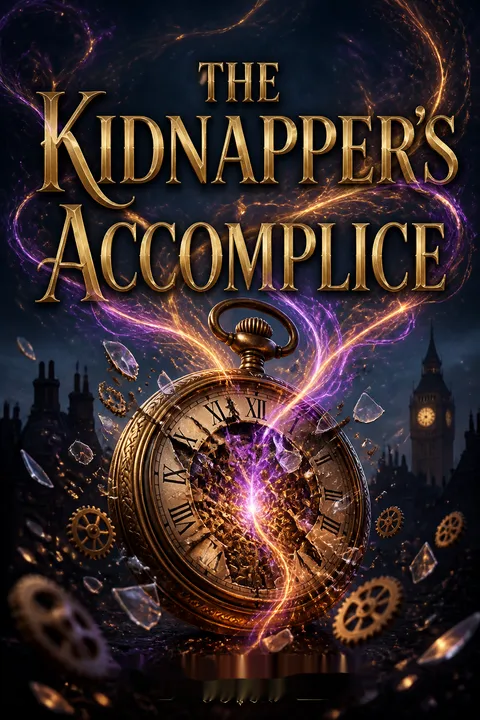
A modern lens on power, responsibility, and the cost of changeThe Kidnapper's Accomplice is more than a Victorian magical mystery; it is a meditation on the costs and responsibilities of power, both personal and collective. Through India's journey, the novel explores the dangers of both secrecy and exposure, the ethical dilemmas of innovation, and the importance of solidarity in the face of oppression. The story refuses to offer easy answers, instead presenting a world where every choice has consequences and every victory comes at a price. The found family at the heart of the novel is both a refuge and a crucible, forcing characters to confront their own limitations and to grow in unexpected ways. In a world increasingly divided by fear and ambition, The Kidnapper's Accomplice offers a vision of hope grounded in compassion, courage, and the enduring power of human connection. The lessons are clear: true strength lies not in magical ability, but in the willingness to stand together, to forgive, and to keep striving for a better future—even when the path is uncertain.
Review Summary
The Kidnapper's Accomplice receives mixed reviews averaging 4.06 stars. Many readers express frustration with the series becoming repetitive and stretched out, particularly criticizing India's character as increasingly weak and easily manipulated compared to earlier books. The kidnapping plot resolves quickly, disappointing some readers. Several reviewers note lack of character development and predictable storylines. However, positive reviews praise the magic-focused plot, action sequences, and entertaining mystery elements. Common complaints include poor editing and characters becoming one-dimensional after Matt and India's marriage.
Characters
India Glass
India is the emotional and ethical heart of the story—a watchmaker's daughter whose rare magical ability to extend the power of other magicians makes her both a target and a potential revolutionary. Her journey is one of self-discovery and reluctant leadership: she is constantly torn between her desire for a quiet life and the demands placed upon her by her unique gifts. India's relationships—with her husband Matt, her cousin Willie, and her circle of friends—are marked by loyalty, compassion, and a deep sense of responsibility. She is introspective and cautious, often questioning the morality of her actions and the broader implications of magic in society. Over the course of the novel, India grows from a reactive participant to an active agent of change, learning to balance her own needs with those of her community.
Matthew Glass
Matt is India's husband and steadfast partner, a man whose strength lies in his unwavering loyalty and practical wisdom. He is both a protector and a strategist, often taking charge in moments of crisis and providing a stabilizing influence on the group. Matt's love for India is deep and complex, marked by both tenderness and a fierce desire to keep her safe—even when it means making difficult or unpopular decisions. He is skeptical of authority and quick to challenge those who threaten his family, but he is also capable of compromise and negotiation. Matt's journey is one of learning to trust others and to accept that he cannot control every outcome, especially when it comes to the unpredictable world of magic.
Willemina "Willie" Johnson
Willie is India's cousin and a force of nature—irreverent, fiercely independent, and unapologetically herself. She is both a source of comic relief and a symbol of resilience, refusing to be defined by societal expectations or her own traumatic past. Willie's sexuality and unconventional lifestyle set her apart, but her loyalty to her chosen family is unwavering. Her kidnapping and subsequent escape serve as a catalyst for much of the novel's action, forcing the group to confront their own vulnerabilities and the lengths they will go to protect one another. Willie's journey is one of self-acceptance and reconciliation, as she learns to balance her need for freedom with her desire for connection.
Oscar Barratt
Oscar is a journalist and magician whose passion for magical freedom puts him at the center of the story's political conflict. His determination to publish a book about magic makes him both a hero and a liability, as his actions attract the attention of both allies and enemies. Oscar is idealistic to a fault, often failing to see the dangers his activism poses to himself and others. His relationships—with Louisa, India, and the broader magical community—are marked by both admiration and frustration. Oscar's journey is one of learning the limits of idealism and the importance of pragmatism in the face of real-world threats.
Amelia Moreton
Amelia is the primary antagonist—a powerful fireworks magician whose desire for magical freedom leads her down a path of violence and fanaticism. She is both a victim and a perpetrator, shaped by a world that fears and suppresses magic. Amelia's willingness to use terror as a means to an end makes her a formidable foe, but her actions are also driven by a deep sense of injustice and a longing for acceptance. Her relationship with Mr. Bunn is complex, marked by manipulation and mutual dependence. Amelia's ultimate fate is a tragic reminder of the dangers of unchecked power and the costs of extremism.
Mr. Bunn
Mr. Bunn is a leather magician whose desperation to secure his legacy and financial future leads him to become Amelia's accomplice. He is a study in moral weakness—easily manipulated, fearful, and ultimately unable to control the forces he helps unleash. Bunn's motivations are rooted in a desire for recognition and security, but his actions have far-reaching and unintended consequences. His journey is one of regret and self-realization, as he comes to understand the true cost of his choices.
Detective Inspector Brockwell
Brockwell is the police inspector tasked with investigating the magical crimes at the heart of the story. He is methodical, principled, and quietly compassionate, serving as both an ally and a counterbalance to the more impulsive members of India's circle. Brockwell's acceptance of magic sets him apart from his colleagues, and his willingness to work with magicians reflects his commitment to justice over prejudice. His relationship with Willie is a source of both tension and tenderness, highlighting the complexities of love and acceptance in a changing world.
Louisa Hollingbroke
Louisa is a member of the magical collectors' club and Oscar's fiancée, though their relationship is more strategic than romantic. She is ambitious, intelligent, and unafraid to pursue her own interests, often at the expense of others. Louisa's fascination with magic is both genuine and self-serving, and her interactions with India are marked by both admiration and rivalry. She represents the dangers of unchecked ambition and the ethical dilemmas posed by the commodification of magic.
Lord Coyle
Lord Coyle is a wealthy and influential collector of magical artifacts, whose marriage to Hope Glass is as much a business arrangement as a personal one. He is both an ally and an antagonist, willing to cooperate with India and Matt when it serves his interests but always seeking to expand his own power. Coyle embodies the old order—privileged, secretive, and deeply invested in maintaining the status quo. His interactions with India and Matt are marked by negotiation, manipulation, and a grudging respect.
Fabian Charbonneau
Fabian is a French magician and India's collaborator in the creation of new spells. He is charming, creative, and deeply committed to the advancement of magical knowledge. Fabian's partnership with India is both productive and fraught, as their experiments attract unwanted attention and raise difficult ethical questions. He represents the potential for magic to be a force for good, but also the risks inherent in pushing the boundaries of what is possible. Fabian's journey is one of learning to accept limits and the importance of responsibility.
Plot Devices
Magic as Social Metaphor
The novel uses magic as a metaphor for social difference, power, and the struggle for acceptance. Magic is both a gift and a curse, conferring status and danger in equal measure. The tension between magicians and the artless mirrors real-world conflicts over race, class, and identity, while the debates over secrecy, exposure, and innovation reflect broader questions about progress and tradition. Magic is also a plot engine, driving both the external conflicts (kidnapping, terrorism, blackmail) and the internal struggles of the characters.
Found Family and Loyalty
The story foregrounds the importance of chosen family—friends and allies who support one another in the face of external threats and internal divisions. Loyalty is both a virtue and a source of conflict, as characters must balance their obligations to one another with their responsibilities to the broader community. The bonds of friendship and love are tested by crisis, but ultimately provide the foundation for healing and hope.
Moral Ambiguity and Ethical Dilemmas
The novel is structured around a series of ethical dilemmas: Should India use her magic to help others, even if it puts her at risk? Is it right to keep magic secret, or should it be shared with the world? How far should one go to protect loved ones? The story resists easy answers, instead forcing characters to make difficult choices and live with the consequences. This moral complexity is mirrored in the shifting alliances and betrayals that drive the plot.
Suspense and Escalation
The plot is driven by escalating threats: kidnapping, blackmail, bombings, and impossible ultimatums. Each crisis forces the characters to act quickly and creatively, often pushing them to the limits of their abilities. The use of deadlines, ticking clocks, and race-against-time scenarios heightens the suspense and keeps the narrative moving at a brisk pace.
Negotiation and Deception
Negotiation is a recurring motif, both in personal relationships and in the broader struggle for power. Characters are constantly bargaining—over information, loyalty, and magical artifacts. Deception is both a weapon and a shield, as characters seek to protect themselves and their secrets from those who would exploit them. The ultimate resolution hinges on the ability to outmaneuver adversaries and strike bargains that serve the greater good.
Glass and Steele Series
Download PDF
Download EPUB
.epub digital book format is ideal for reading ebooks on phones, tablets, and e-readers.








































