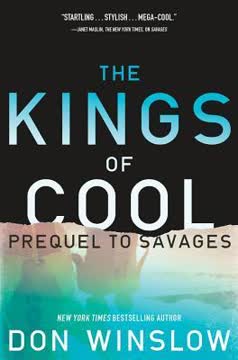
Plot Summary
Three on a Beach
Ben, Chon, and O lounge on Laguna Beach, playing games and teasing each other, their banter masking deeper anxieties. Chon, a hardened ex-soldier, is about to return to Afghanistan, while Ben, the thoughtful botanist, worries about routines and threats to their growing marijuana business. O, the luminous center of their trio, feels the ache of impending separation and the uncertainty of her own future. Their playful search for "types" and sexual partners is a distraction from the real dangers encroaching on their sun-drenched world. The trio's chemistry is palpable, but beneath the surface, the cracks of adulthood, violence, and legacy are beginning to show.
Threats and Routines
Ben's morning ritual at the Coyote Grill is interrupted by a menacing stranger—Duane Crowe—who demands a "licensing fee" for selling weed in Orange County. Ben, idealistic and stubborn, refuses to believe anyone controls the marijuana market, dismissing the threat as bluster. But the encounter rattles him, especially as it reveals how visible he and Chon have become. Meanwhile, Chon's warnings about the dangers of routine—learned in war—echo ominously. The friends' business, once a symbol of freedom, is now a target, and the illusion of safety in their coastal paradise begins to erode.
Rules, Violence, and Karma
When one of their dealers is beaten and robbed, Chon responds with brutal efficiency, tracking down the culprits and delivering swift, merciless retribution. Ben, the pacifist, and Chon, the fist, embody two halves of a moral debate: whether violence begets more violence or is necessary for survival. Their partnership is tested as Chon's actions escalate the stakes, and the line between justice and vengeance blurs. The world they inhabit is revealed as one where rules are fragile, and karma—sometimes microwave-fast—comes for everyone.
Growing the Dream
Ben and Chon's marijuana operation grows from a single seed into a sophisticated hydroponic empire. They navigate the technical, ethical, and logistical challenges of running illegal grow houses, relying on Ben's ingenuity and Chon's street smarts. O, drifting between her mother's neglect and control, finds purpose and belonging in their venture. The trio's success is built on secrecy, trust, and a refusal to compromise their values—until the outside world, with its greed and corruption, begins to close in.
Parents, Pasts, and Pain
The story delves into the fractured families that shaped Ben, Chon, and O. O's mother, Paqu, is a whirlwind of neglect and smothering, her own beauty and ambition a curse passed down. Chon's father, Big John, is a former dealer and absentee parent, their relationship defined by violence and silence. Ben's parents, idealistic therapists, are haunted by the failures of their generation. The trio's search for identity and belonging is shadowed by the sins and secrets of their parents, setting the stage for generational conflict.
The Seed and the Scheme
Ben's botanical genius produces a strain of marijuana that is unrivaled, fueling their rise in the underground market. The technical mastery of hydroponics, the ethical dilemmas of theft versus sustainability, and the constant threat of exposure create a tense, high-stakes environment. Their operation is a blend of science, artistry, and hustle, but as they expand, the risks multiply. The need for secrecy and the pressure of competition force them to make alliances and compromises that will have lasting consequences.
The Association Rises
Flashbacks reveal the origins of Laguna's drug culture in the 1960s and 70s, where surfers and hippies—led by the charismatic Doc Halliday—form the Association. What begins as a utopian experiment in love, peace, and acid quickly morphs into a lucrative, violent enterprise. The Association's evolution from idealism to organized crime mirrors the broader corruption of the American dream. Their legacy, both financial and moral, will haunt the next generation.
Generations in the Game
The children of the Association—Ben, Chon, O, and others—inherit not just money and opportunity, but also enemies, expectations, and unresolved trauma. As they build their own empire, they are drawn into the same cycles of greed, violence, and compromise that destroyed their parents' dreams. The past is never truly past; old grudges and alliances resurface, and the sins of the fathers threaten to consume the sons and daughters.
Love, Sex, and Betrayal
The trio's relationships are as tangled as their business. O's longing for love and validation leads her to test the boundaries with both Ben and Chon, while Ben's quiet devotion and Chon's stoic loyalty create a volatile triangle. Betrayals—sexual, emotional, and professional—erupt, exposing vulnerabilities and deepening the bonds that hold them together. The pain of unrequited love, the thrill of forbidden desire, and the ache of loss are woven through their story.
The Cost of Cool
As their operation attracts the attention of corrupt cops, rival dealers, and federal agents, Ben and Chon are forced to navigate a world where everyone has a price. Payoffs, betrayals, and shifting alliances become the norm. Ben's idealism is tested as he is shaken down by both local and federal law enforcement, learning that justice is for sale and survival requires playing the game. The cost of being "cool"—of living outside the law—becomes painfully clear.
Corruption and Compromise
Ben's attempts to buy protection from the authorities entangle him in a web of corruption that reaches from local cops to the DEA. Every move is a compromise, every alliance a potential betrayal. Chon's code of honor is at odds with the realities of the business, and O's search for her father leads to devastating truths. The trio's unity is strained as they confront the limits of loyalty, the price of survival, and the inevitability of loss.
The War Comes Home
The murder of two friends—Scott and Traci—by Crowe and Hennessy marks a turning point. Ben's refusal to retaliate with violence puts him at odds with Chon, who believes only force can bring justice. The war that once seemed distant is now personal, and the trio must decide how far they are willing to go to protect each other. The boundaries between justice and revenge, right and wrong, blur in the face of grief and rage.
Fathers, Daughters, and Lies
O's quest to find her biological father leads her to painful revelations about her mother, her origins, and the lies that shaped her life. Ben, too, confronts the truth about his parents' involvement in the drug trade and the compromises they made. Chon's showdown with his own father, now a kingpin, forces him to choose between blood and chosen family. The generational cycle of secrets and betrayals comes full circle.
The Pyramid and the Powers
The true structure of the drug world is revealed: it's not about selling drugs, but about controlling the turf and collecting fees. The Powers That Be—faceless, untouchable—pull the strings, using violence and corruption to maintain their grip. Ben and Chon's struggle is not just against rivals, but against a system designed to crush anyone who tries to play outside the rules. The illusion of autonomy is shattered.
Justice, Revenge, and Blood
Chon's quest for justice leads to a bloody reckoning with Crowe and Hennessy, while Ben orchestrates a sting that brings down their operation. The cycle of violence claims more lives, and the cost of survival is measured in blood. The trio's choices—who to trust, who to forgive, who to destroy—define their fate. The line between justice and revenge is razor-thin, and the price of peace is steep.
The End of Innocence
The final revelations—about O's father, Ben's parents, and Chon's legacy—strip away the last illusions. The trio is forced to confront the reality that the past is never truly past, and that the sins of the fathers are visited upon the children. The dream of freedom, love, and coolness is forever tainted by the compromises and betrayals that made it possible.
The Past Isn't Past
Even as they survive, Ben, Chon, and O are marked by what they've done and what's been done to them. The ghosts of the Association, the wounds of family, and the scars of violence linger. The world they inherit is not the paradise they imagined, but a battlefield where survival means carrying the weight of history. The past is always present, shaping every choice and every relationship.
Kings of Cool, Still Standing
In the aftermath, Ben, Chon, and O remain together—scarred, wiser, and still standing. They have lost their innocence, but not their loyalty to each other. The world is still dangerous, the game still rigged, but they have each other. In a world where everyone pays for the sins of the past, they choose to be a family—by blood, by choice, by love. The kings of cool, for now, are still on their throne.
Analysis
A modern American tragedy of inheritance, corruption, and survivalThe Kings of Cool is a blistering, darkly funny meditation on the cost of freedom, the legacy of the 60s, and the impossibility of escaping the past. Winslow's Southern California is both paradise and purgatory—a place where dreams are born and destroyed, where every act of rebellion becomes another form of compromise. The novel's dual timelines expose the generational cycles of idealism, corruption, and violence, showing how the children of revolutionaries become the architects of their own downfall. At its heart, the book is about family—chosen and inherited—and the ways in which love, loyalty, and betrayal shape our lives. The lessons are harsh: justice is elusive, innocence is fleeting, and survival requires both strength and sacrifice. Yet, amid the blood and betrayal, there is hope—in the bonds between Ben, Chon, and O, in the refusal to surrender to cynicism, and in the possibility of forging a new kind of family from the wreckage of the old. The Kings of Cool is a cautionary tale for a generation that inherited both the dreams and the debts of its parents, a story about what it means to grow up, to fight back, and to choose who you become.
Review Summary
The Kings of Cool is widely praised as an exceptional prequel to Savages, with many readers considering it equal to or better than its predecessor. Winslow's inventive, fragmented writing style—featuring short chapters, screenplay segments, and poetic passages—divides opinions, with some finding it exhilarating and others frustrating. Most appreciate the depth added to Ben, Chon, and O's backstories, as well as the vivid exploration of Southern California's drug trade history from the 1960s onward. Common criticisms include pacing issues, convoluted family connections, and O's underdeveloped character.
People Also Read
Characters
Ben Leonard
Ben is the heart and conscience of the trio, a brilliant botanist whose innovations in hydroponic marijuana fuel their rise. Raised by leftist therapist parents, Ben is thoughtful, compassionate, and deeply conflicted about the violence and corruption that surround him. His partnership with Chon is both complementary and fraught—Ben is the pacifist, Chon the enforcer. Ben's journey is one of disillusionment: his belief in freedom and justice is tested by the realities of the drug trade, the corruption of authority, and the limits of nonviolence. His love for O is tender but complicated, and his loyalty to Chon is unwavering, even as their paths diverge. Ben's arc is a slow, painful awakening to the costs of survival and the impossibility of remaining pure in a dirty world.
Chon (John McAlister Jr.)
Chon is the muscle and moral absolutist of the group, shaped by a violent childhood and hardened by war. The son of a notorious dealer, Chon's relationship with his father is defined by betrayal and brutality. His code is simple: protect his own, answer violence with violence, and never show weakness. Chon's psychological armor hides deep wounds—physical and emotional—and his loyalty to Ben and O is both his strength and his vulnerability. His inability to compromise, his readiness to kill, and his struggle with the legacy of his father drive much of the novel's action. Chon's journey is one of sacrifice: he is willing to do what others cannot, but the cost is his own peace and humanity.
O (Ophelia)
O is the luminous, troubled soul at the heart of the trio. Raised by a narcissistic, unstable mother and abandoned by her father, O's search for love, identity, and belonging is the emotional engine of the story. Her sexuality is playful yet wounded, her intelligence sharp but unfocused. O's relationships with Ben and Chon are both romantic and familial, and her longing for connection drives her into dangerous territory—both emotionally and physically. Her quest to find her father leads to devastating truths, but also to a deeper understanding of herself and her chosen family. O's arc is one of painful growth: from lost girl to woman who chooses her own tribe.
Duane Crowe (Old Guys Rule)
Crowe is the face of old-school corruption—a former dealer turned "licensing agent" for the Powers That Be. His threats and violence set much of the plot in motion, but he is ultimately a pawn in a larger game. Crowe's loyalty is to money and survival, and his willingness to kill marks him as a true danger. Yet, as the system turns on him, Crowe is revealed as both victim and perpetrator—a man destroyed by the very forces he served.
Brian Hennessy
Hennessy is Crowe's right hand, a violent, impulsive enforcer whose loyalty is transactional. His willingness to kill—especially the innocent—marks him as irredeemable, yet he is ultimately disposable to the powers above him. Hennessy's fate is a cautionary tale about the expendability of foot soldiers in the drug war.
Doc Halliday
Doc is the charismatic founder of the Association, a figure who embodies both the idealism and corruption of the 60s counterculture. His journey from taco-distributing hippie to ruthless kingpin mirrors the broader arc of American disillusionment. Doc's relationships—with Kim, with John, with the next generation—are marked by betrayal, regret, and a desperate clinging to power. His death is both an end and a beginning, the final severing of the old order.
Kim
Kim's journey from cave-dwelling commune kid to Orange County socialite is a study in adaptation and ambition. Her beauty is both weapon and shield, her relationships transactional. Kim's longing for security and status drives her into dangerous alliances, and her emotional detachment is both her strength and her curse. Her connection to Doc and to O ties the generations together.
Stan and Diane Leonard
Ben's parents are emblematic of the 60s generation—idealistic, earnest, and ultimately compromised. Their journey from revolutionaries to therapists mirrors the broader arc of the novel: the erosion of dreams, the seduction of comfort, and the burden of guilt. Their love for Ben is real, but their inability to protect him from the world they helped create is a source of pain and regret.
Elena Sanchez-Lauter
Elena is the widow of a cartel boss, forced to choose between retreat and leadership after her husband's murder. Her struggle to maintain power in a male-dominated world is both tragic and heroic. Elena's decisions shape the fate of the cartel and the lives of the protagonists, embodying the theme of women forced to survive in a world built by men.
Dennis Cain
Dennis is the face of law enforcement—smart, ambitious, and ultimately corruptible. His willingness to play both sides, to take bribes and cut deals, makes him both a threat and an ally. Dennis's arc is a study in moral erosion: the slow, incremental compromises that turn a believer into a cynic. His relationship with Ben is transactional, and his pursuit of promotion mirrors the ambitions of the criminals he chases.
Plot Devices
Dual Timelines and Generational Echoes
The novel's structure alternates between the present-day struggles of Ben, Chon, and O, and the origin story of the Association in the 60s and 70s. This dual timeline creates a sense of inevitability: the sins, dreams, and failures of the parents are visited upon the children. Flashbacks, parallel events, and mirrored relationships reinforce the theme that the past is never truly past. The generational echo is both narrative engine and emotional core, showing how cycles of violence, ambition, and betrayal repeat.
Symbiotic Relationships and Corruption
The plot is driven by a series of uneasy alliances—between criminals and cops, friends and enemies, parents and children. Corruption is systemic: everyone is compromised, and survival depends on knowing when to pay, when to fight, and when to run. The "pyramid" structure of the drug world—where the real power lies with those who control the turf, not the product—exposes the futility of individual rebellion. The novel uses informants, double-crosses, and payoffs to show how justice is always for sale.
Violence as Communication
Violence is not just a plot device, but a form of communication—between rivals, between generations, between friends. Chon's willingness to kill, Ben's refusal, and O's vulnerability all play out in moments of crisis. The escalation of violence, and the moral debates it sparks, drive the story forward and force the characters to confront who they are.
Irony, Satire, and Self-Awareness
Winslow's narrative voice is sharp, ironic, and self-aware, constantly undercutting the romance of the outlaw life with reminders of its costs. The novel satirizes the "cool" of Southern California, the pretensions of both criminals and cops, and the endless cycle of failed revolutions. Pop culture references, wordplay, and meta-commentary create a tone that is both entertaining and deeply critical.
Foreshadowing and Inevitability
The novel is laced with foreshadowing—warnings about routines, the inevitability of betrayal, the dangers of ambition. The structure itself, with its dual timelines and mirrored events, creates a sense of fate: the characters are trapped in patterns set long before they were born. The reader is constantly reminded that every choice has consequences, and that the past always catches up.