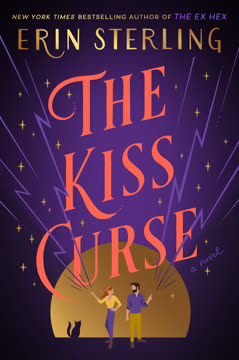
Plot Summary
Spellbound Beginnings at Penhaven
Gwyn Jones, a rebellious and inventive witch, launches her college career at Penhaven by botching a transformation spell, causing chaos and drawing the disdain of the ever-aristocratic Llewellyn "Wells" Penhallow. While Gwyn's vibrant, unorthodox power clashes with the more formal, rule-bound magic celebrated by the Penhallows, she finds creative strength in her outlier nature, even if it labels her a troublemaker. Shaped by an unconventional, loving mother and a cousin who shares her witchy legacy, Gwyn's introduction to adult witchcraft is colored by a longing for authenticity and a skepticism toward tradition. This early magical blunder—and Wells's withering response—plants seeds of both animosity and unresolved attraction between them, setting the tone for their future intertwined fates.
Ghosts and Growing Responsibilities
Years later, Gwyn's life in Graves Glen is filled with purpose and pride as co-owner of Something Wicked, the town's most tourist-friendly witch shop. She and her cousin Vivi, now a professor at Penhaven, team up to investigate rumors of supernatural mischief in the woods—a responsibility tied to their magical lineage, which undergirds the very town's vitality. What begins as a playful ghost hunt turns into a lesson about the unpredictable ripple effects of even "harmless" magic, especially when the local teens dabble recklessly. Gwyn, both mentor and rebel, is forced to accept the increasing weight of her magical stewardship, even while yearning for a little everyday excitement and maybe, just maybe, some romance.
A Haunted Past Returns
Across the ocean in Wales, Llewellyn Penhallow tends a failing family pub that symbolizes his ancestral duty—and stagnation. Pressured by his father Simon to reclaim the magical prestige the Penhallows once held in Graves Glen, Wells is equal parts dutiful son, self-doubter, and latent mischief-maker. When the opportunity arises to move to Graves Glen and open a "serious" shop for real witches—one that isn't, in his view, trivialized by plastic ghosts and tourist trinkets—Wells positions himself as his family's savior. But his quest is more than preservation; it's about rediscovering self-worth, escaping familial suffocation, and, perhaps, making a life on his own terms, complicated by old rivalries and new temptations.
Ancestral Legacy and Departure
Convinced that his presence is the only way to restore his family's magical standing, Wells leaves behind both the ghostly quiet of the Welsh pub and the burdensome love of his father and brother. Tensions with his siblings linger, tinged with jealousy, guilt, and unresolved hurts. Before leaving, he confronts his enigmatic brother Bowen and quietly acknowledges the difficult, lonely path all three Penhallow sons have walked, each defined by their relationship with a complex, relentless father. Wells' exit is both a rebirth and exile, a leap into an uncertain, witch-thick American town whose memories—of learning, rivalry, and a certain irrepressible redhead—refuse to die.
Rival Shops, Rival Hearts
Wells arrives in Graves Glen and immediately sets up his somber, upscale shop directly across from Gwyn's vibrant, kitschy emporium—an utterly deliberate act he claims isn't meant to antagonize. Yet the rivalry ignites instantly. Witty, competitive banter rapidly escalates as each shop owner tries to outmaneuver the other: tea vs. potion, allure vs. authenticity, "real" magic vs. tourist appeal. Beneath the petty war for customers, repartee becomes flirting, and barbs cut deeper as buried attraction surfaces. The competition is layered with mutual respect and mutual annoyance, old wounds, and the electric possibility of more.
The Competition Heats Up
The two shops' rivalry becomes the talk of the town, each outdoing the other with magical stunts—Gwyn's talking cat Sir Purrcival and Wells's free tea and rare magical objects attract rival crowds. Meanwhile, Gwyn mentors a trio of "Baby Witches" who are eager, reckless, and desperate for validation. What starts as harmless pranks and snark develops into genuine community rivalry, and Wells and Gwyn, though officially competitive, begin to rely on each other more than they admit. The lines blur between enemies and allies, the boundaries of ownership and affection folding into mutual curiosity.
Tarot, Salt, and Tension
Meanwhile, the Baby Witches' misadventures amplify the underlying magical tension across town. Gwyn's approach to magic—creative, nurturing, a bit reckless—rubs off on her charges, offering them a kind of mentorship she herself craved as a student. Tarot cards, kitchen spells, and late-night lessons at the Cider Shack alternately help and hinder the magic at play. All the while, Gwyn and Wells meet at the edges of friendship and flirtation, increasingly aware that their connection might be fated, but not yet ready to name why the accidental brushes and pointed glances matter so much.
Baby Witches and Brewing Trouble
Magical accidents—green hair, extra elbows, spells gone wild—become common as the Baby Witches push boundaries under Gwyn's shaky supervision. But through these disasters, bonds deepen: mentorship is laced with motherly care, and Gwyn starts to see her own youthful rebelliousness reflected in her students' striving. Between raising proteges, running a store, and outmaneuvering her new rival, she still finds time to nurse a growing, uneasy attraction toward Wells, longing for something real amid the whirlwind of responsibilities and jokes.
Tea Leaves and Unseen Danger
The shops thrive, but danger—and forbidden magic—begins to leak into daily life. Customers unknowingly purchase enchanted items, forcing Gwyn and Wells to reckon with the risks of their trade. They discover magical objects bearing spells that could be dangerous in the wrong hands; misunderstandings ensue, and Wells's pride blinds him to potential hazards. Gwyn's gift for reading people and energy makes her both target and guardian, and Wells's own sense of duty deepens as he uncovers just how much is at stake in preserving or corrupting the town's magic.
A Kiss, A Curse
An accidental exposure to a love spell in Wells's storeroom leads to a staggering, mind-blowing kiss between Gwyn and Wells—an act so intense and out-of-the-blue that both blame the magic. Yet, as research soon reveals, magic cannot force attraction where none exists. The spell, it turns out, only unlocked what already simmered. Realization breeds embarrassment, longing, and denial, but those passionate moments hang heavily between them, shifting the nature of their relationship—no longer just rivals or reluctant allies, but potential lovers knocked off guard by the strength of their feelings and the sudden awareness that feeling safe is sometimes scarier than any risk.
False Comforts and Firelight
A crisis unites Gwyn and Wells in genuine vulnerability. When Gwyn's beloved cat goes missing, her magic falters, and her self-confidence cracks. Wells's quick thinking rescues Sir Purrcival, but more importantly, he comforts Gwyn in her moment of weakness, offering care instead of competition. As the storm rages outside, comfort turns to passion: the couple confesses their mutual longing and finally, fully, lets down their guards. In the firelight, they share not only their bodies but their true selves—flawed, afraid, but alive with hope.
Festival Magic and Missing Power
The Graves Glen Gathering approaches, heightening pressure and magical scrutiny across town. Gwyn's shop is besieged by customers, and she struggles more than ever as her magic starts to vanish—spells fizzle, intuition falters. Her Baby Witches search frantically for answers as Gwyn faces humiliation and the risk of letting down the town she loves. Meanwhile, Wells, seeking magical solutions, grows ever more entangled in both the practical and mystical intricacies of their relationship, uncomfortably aware that the mysterious malfunctions might be connected to deeper, older magic.
A Witch Unmoored
Gwyn's magical abilities collapse entirely, and she is left isolated, frightened, and ashamed. The investigation into the cause leads the Baby Witches and Wells to uncover a sinister confluence of spells involving a cursed ring—gifted to Wells by his own father. The truth devastates him: unknowingly, he has been siphoning Gwyn's ancestral power, acting as the vector for a centuries-old vendetta. Gwyn is forced to face not just the loss of her powers but also a heartbreaking sense of betrayal from the last person she'd ever expected.
The Dark Witch Emerges
As suspicion focuses on Morgan Howell, an old college acquaintance with a powerful coven and a shadowy past, a gallery of sinister magical objects is uncovered. Morgan's supposed friendship is revealed to be a cover for devious intentions: she and her coven seek to harness Gwyn's bloodline and sacrifice her in a dark ritual. The discovery comes too late—Morgan kidnaps Gwyn, planning to drain her magical blood and claim the town's power. The lines between good and evil, outsider and insider, are blurred, and long-standing grudges in the magical community reawaken.
Confrontation and Breaking Point
Gwyn, chained and drained, faces her worst fears in Morgan's attic as the coven begins the lethal ritual. Meanwhile, Wells, with help from his brother Bowen and the resourceful Baby Witches, pieces together a reversal spell to restore Gwyn's magic. Time bends between dimensions as the rescue team races to save her. In the end, Gwyn's own resilience—and her refusal to yield to fear—rekindles her power at the vital moment. Her magic blazes back just as Wells arrives, together banishing Morgan and her coven into a soul-devouring artifact, finally ridding Graves Glen of their threat.
Lost and Found on the Mountain
Gwyn is reunited with her family, finally safe. Wells withdraws, wracked by guilt for his father's actions and his own unwitting complicity. Bowen and Rhys try to mediate, lending brotherly support and magic. Gwyn's healing is slow but aided by the Baby Witches' steadfastness and the outpouring of love from the witching community—her power is not just hers alone but a collective strength, re-forged through pain, forgiveness, and truth-telling.
Sacrifice and Self-Rescue
Wells returns, humbled and heartsore, ready to accept the consequences of his actions and seek not redemption, but reconciliation. The two lovers, both changed by suffering and loss, finally talk, this time without magic or pretense. Apologies are made, love is quietly declared, and true partnership—business, family, and heart—is claimed. Gwyn's story concludes not with a grand spell, but with the hard-won, hopeful intimacy that comes from surviving darkness together.
Reunion, Repair, and Renewal
With the danger past and the Halloween season in full swing, Gwyn, Wells, and their "found family"—the Baby Witches, Sir Purrcival, Rhys, Vivi, and Elaine—forge new traditions in Graves Glen. The rivalry between shops becomes playful partnership, the committed mentorship of the next generation of witches confirms the town's future, and the couple's magical misadventures turn into domestic magic. Power, in the end, is less about spells and more about the love, loyalty, and leap of faith that transforms a haunted town into a true home.
Analysis
At the heart of The Kiss Curse is the question: who gets to define the "right" kind of power—ancestral, institutional, communal, or personal? The novel uses romance as its crucible, insisting that magic (like love) must be authentic, chosen, and, above all, shared. The rivalry between Gwyn and Wells is a stand-in for broader sociocultural conflicts: tradition versus innovation, gatekeeping versus inclusion, and fear versus joy. Through mentorship, community encounters, and a series of magical escalations, Sterling interrogates the limits and responsibilities of power, especially who is harmed when tradition ossifies. The retreat from familial trauma and the hard-won embrace of found family offer a blueprint for healing generational wounds. Ultimately, the novel suggests that true magic is not about dominance or legacy, but about openness—risking loss, accepting imperfection, and choosing community over isolation. The simmering, witty romance between two damaged, hopeful witches exemplifies this lesson: real connection requires both courage and humility, and sometimes the greatest magic is, simply, saying yes to love after all else has failed.
Review Summary
The Kiss Curse receives mixed reviews, averaging 3.74 stars. Readers praise its cozy autumn atmosphere, witty banter between rivals-to-lovers Gwyn and Wells, and charming small-town setting likened to Gilmore Girls. Fan favorites include Sir Purrcival the talking cat and the "Baby Witches." Common criticisms include underdeveloped romance, rushed endings, and slow-building plot. Many consider it an improvement over its predecessor, The Ex Hex, while others preferred the first book. It's widely recommended as a perfect Halloween read.
People Also Read
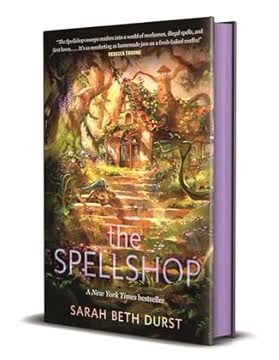
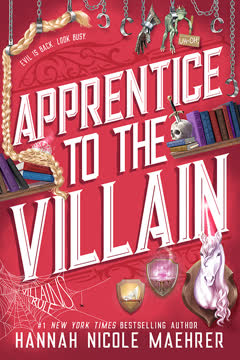
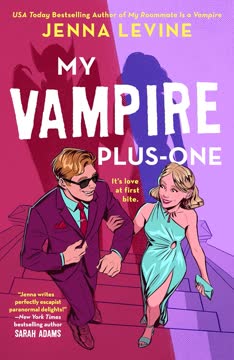

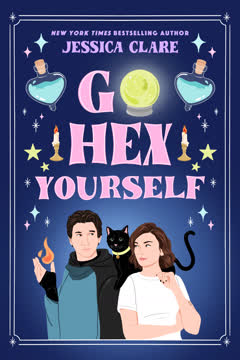
Characters
Gwyn Jones
Gwyn is a fiercely independent witch, unorthodox in her approach to magic and life, who chafes under both tradition and expectation. Raised by a "cool mom" and bonded to her cousin Vivi, she sees mentorship as both burden and calling. Psychologically, Gwyn is equal parts bravado and vulnerability; her quick wit and sarcasm camouflage deep fears of inadequacy and abandonment. Her rivalry with Wells forces her to confront desire, responsibility, and the price of real intimacy, shifting from self-centered independence to community-centered leadership. Ultimately, Gwyn embodies creative resilience and the courage to claim joy, even in the aftermath of betrayal and loss.
Llewellyn "Wells" Penhallow
Wells is the epitome of eldest-son syndrome: responsible, anxious, compelled to live for family honor even as he yearns for reinvention. Trained in formal, rule-bound magic but secretly longing for connection and warmth, he is haunted by lineage and parental expectation. His relationship with Gwyn reveals hidden depths: playfulness, sensuality, humor, and a capacity for radical self-sacrifice. Wells's development is one from passive obedience—living out his father's schemes—to active agency, choosing love and moral autonomy. By the end, he breaks generational cycles, risking both his heart and his magic to make Graves Glen, and Gwyn, his true home.
Sam, Cait, and Parker (the "Baby Witches")
This trio embodies hope, ambition, and reckless experimentation. Each is distinct but unified by their longing for mentorship and belonging in a town divided by tradition and novelty. Their magical mishaps both endanger and endear them to Gwyn, serving as catalysts for her growth as a mentor, and later, as her salvation when they piece together the truth about the curse and Morgan's plot. Psychologically, they reflect youthful adulation and the hunger to be "seen" by those they admire.
Vivienne "Vivi" Jones
Gwyn's older cousin and confidante, Vivi is the voice of reason, rules, and careful research. Her dual role as academic and practitioner makes her both foil and rock for Gwyn, modeling how magic can coexist with the mundane. Psychologically, Vivi represents the power of boundaries, family loyalty, and partnership (her marriage to Rhys offers Gwyn a glimpse of love worth believing in), and supports Gwyn through repeated crises.
Rhys Penhallow
The youngest Penhallow, Rhys's successful union with Vivi is both symbol and actualization of reconciliation between rival witch families. His humor offsets the novel's darker moments, and his arc—from wayward scion to settled, loving husband—serves as a point of hope for Wells. His relationship with his brothers is fraught but ultimately redemptive, as they confront their father's legacy together.
Bowen Penhallow
Bowen, semi-feral in both appearance and outlook, is the family's magical "fixer" operating outside convention. His self-imposed exile hides loneliness, but his intervention is key to undoing the curse draining Gwyn. Psychologically, he's the "shadow" figure—sarcastic, wise but wounded, ultimately a bridge between Wells, Rhys, and the wider magical world.
Simon Penhallow
Wells's father, Simon, is obsessed with family legacy and power. Emotionally distant, he wields manipulation and guilt as tools, rationalizing ever-darker magic in service of the family name. Simon's actions—culminating in the cursed ring—are motivated by grief, fear, and pride. He is at once villain and victim of tradition, ultimately shunned by his sons.
Morgan Howell
An old classmate of Gwyn's, Morgan cloaks ruthless ambition in glamour and charm. She manipulates appearances and relationships, seeking power not for the community but for personal supremacy. Her psychological profile is of someone who feels perpetually outside, compensating through spectacle, dark alliances, and betrayal. In her, the dangers of unchecked magical appetite are sharply drawn.
Elaine Jones
Gwyn's mother is a free spirit, embracing both magic and maternal warmth. She represents the roots of Gwyn's creative, open-hearted approach to life—her approval is Gwyn's emotional touchstone, even at a distance.
Sir Purrcival
Originally a magical accident, Sir Purrcival offers comic relief and emotional ballast. His presence blurs the line between the mundane and magical, always grounding Gwyn in the concerns of "home." As a symbol, he stands for the power of accidental magic and the unexpected gifts of community.
Plot Devices
Enemy-to-Lovers and Forced Proximity
The main romantic arc utilizes the classic enemy-to-lovers trope: Gwyn and Wells feud over shops and magical philosophy, only to grow dangerously close through magical mishaps, shared responsibilities, and overt (but denied) attraction. Their rivalry is both a spark and a shield, making each subsequent confession or accidental intimacy land with authentic emotional stakes.
Magical Competitions and Schemes
Competitive "shop warfare"—outdoing each other with magical stunts and promotions—operates as both external conflict and an outlet for flirting, teasing, and revealing vulnerability. The rivalry forces both characters to confront their limits and fears while inching toward genuine connection.
Misdirection and Layered Revelations
The central mystery—why is Gwyn losing her magic, who is the true villain—anchors the romantic plot in urgent interpersonal and communal stakes. Red herrings like Morgan and the focus on rival shops serve to distract both characters and readers from the real (familial) threat, heightening emotional impact when the truth is uncovered.
Found Family and Intergenerational Trauma
Both Gwyn and Wells contend with the legacies—magical and emotional—handed down by parents. The plot device of "found family"—from Baby Witches to the rekindled Penhallow brotherhood—contrasts with inherited, often toxic, family structures, emphasizing healing through chosen bonds and new traditions.
Magical "Rules" and Subversions
The misuse or bending of magical rules constantly subverts expectations: a love spell only reveals existing desire rather than creating it; a forbidden ring is only destructive because it is hidden behind a mask of tradition; the true solution to magical loss is perseverance, not quick fixes.
Ritual, Rescue, and Self-Actualization
The final act employs classic fantasy rescue with a twist—not only is Gwyn's rescue external, but also intensely internal. Her reclaiming of her power is both literally magical and a metaphor for taking agency, confronting fear, and claiming her own place—on her terms—in both her town and her lover's heart.








































