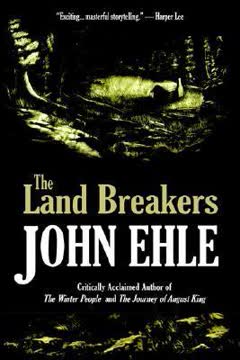
Plot Summary
Into the Untamed Valley
In 1779, Mooney and Imy Wright, young and determined, arrive in the wild mountains of North Carolina, seeking land to call their own. Both are former bonded servants from Ireland, now free and married, carrying only a few animals and their dreams. The land is daunting—untouched, filled with wolves, panthers, and a mysterious, ancient bear. Despite their fears, they purchase a tract of river-bottom land and climb into the misty, cloud-shrouded heights. Their journey is arduous, but the sight of the valley below fills them with hope and pride. They set about building a cabin, carving a home from the wilderness, and for a brief time, their love and labor seem enough to tame the wild. Yet, the mountain's silence and the lurking presence of the bear remind them that survival here will demand everything they have.
Loss and New Arrivals
As winter closes in, Imy's health fails, and Mooney is left to mourn her in the lonely cabin they built together. Her death is the mountain's first claim on the settlers, a stark reminder of nature's indifference. Soon after, Tinkler Harrison, a domineering patriarch, arrives with his family, slaves, and ambitions to rule the valley. His daughter Lorry, her two sons, and his new young wife Belle, along with Grover, his remaining son, join the growing settlement. The arrival of the Plover family—hapless Ernest, his robust wife Inez, and their many daughters, including the spirited Pearlamina—adds to the valley's diversity. Each family brings their own hopes, weaknesses, and tensions, setting the stage for alliances, rivalries, and the forging of a new community in the shadow of loss.
Building and Belonging
The settlers labor to build homes, clear fields, and establish routines amid the ever-present dangers of the wilderness. Mooney, grieving but resilient, is drawn into the orbit of his neighbors, especially the lively Pearlamina and the steady, practical Lorry. The valley's isolation breeds both camaraderie and conflict, as families depend on each other for survival yet struggle with pride and old grievances. The land itself is both adversary and promise, demanding backbreaking work but offering the hope of prosperity and belonging. Through shared hardship—blizzards, wild animals, and the relentless cycle of seasons—the settlers begin to form the bonds of a true community, even as old wounds and new desires simmer beneath the surface.
Pearlamina's Awakening
Pearlamina Plover, on the cusp of womanhood, becomes a focal point for the valley's restless energy. Her innocence and vitality attract Mooney, who is torn between his grief for Imy and his need for companionship. Mina's playful spirit masks a deep loneliness and a yearning for love and purpose. Her encounters with Mooney are charged with awkwardness, desire, and misunderstanding, reflecting the confusion of youth and the complexities of frontier courtship. As she navigates the attentions of men and the expectations of her family, Pearlamina's journey becomes emblematic of the valley's struggle to define itself—caught between old ways and new possibilities, innocence and experience.
Choices of the Heart
Mooney finds himself at a crossroads, drawn to both Pearlamina's youthful exuberance and Lorry's mature steadiness. Lorry, abandoned by her husband Lacey and burdened with two sons, seeks security and a future for her family. Her quiet competence and resilience impress Mooney, who ultimately chooses her as his partner. Their union is practical but not without affection, and together they build a blended family, pooling their resources and hopes. Pearlamina, wounded but resilient, continues her search for belonging. The choices made in this season—who to love, where to settle, how to endure—set the course for the valley's future, as personal desires are weighed against the demands of survival and community.
Lorry's Decision
Lorry's decision to join Mooney is met with resistance from her father, Tinkler Harrison, who resents losing control over his daughter and grandsons. The transition is fraught with tension, as Lorry asserts her independence and Mooney struggles to integrate her sons into his household. The practicalities of daily life—building, planting, tending animals—are interwoven with the emotional work of forging a new family. Lorry's competence and quiet authority become central to the household's stability, while Mooney learns to balance his own grief and pride with the needs of those around him. The valley's social fabric is strengthened by these new bonds, even as old loyalties and resentments linger.
Winter's Hard Lessons
The settlers face a brutal winter, testing their endurance and resourcefulness. Food is scarce, animals die, and the isolation deepens. The Plover family, ever hapless, relies on the charity and labor of others, while the Harrisons and Wrights struggle to maintain their own precarious foothold. The arrival of new families—Germans, young couples, and others—brings fresh energy but also new challenges. The valley's first house-raising becomes a symbol of communal effort, as neighbors come together to help the Plovers build a shelter. Through hardship and shared labor, the settlers begin to see themselves as a community, bound by necessity and the slow accumulation of trust.
Spring's Return, New Faces
With the coming of spring, the valley is transformed. The land bursts into life, and the settlers' spirits are lifted by the prospect of new crops and new beginnings. The arrival of the Bentz family, German immigrants fleeing their own troubles, adds to the valley's diversity. Paul and Nancy Larkins, a young couple, bring hope and youthful optimism, even as they struggle with the realities of frontier life. The community expands, and the rhythms of planting, building, and raising families resume. Yet, beneath the surface, old wounds and new rivalries persist, and the settlers are reminded that the land's promise is always shadowed by its dangers.
Community and Conflict
As the settlement matures, the complexities of community life become more pronounced. Tinkler Harrison's authoritarian ways clash with the independence of others, especially as new arrivals challenge his dominance. Disputes over land, resources, and personal grievances flare, threatening the fragile unity of the valley. The younger generation—Fate, Verlin, Felix, and others—begin to assert themselves, seeking their own paths and loves. Pearlamina's relationships with Felix and Charley Turpin, as well as her ongoing connection to Mooney, reflect the shifting dynamics of the community. The valley is no longer a blank slate but a living, contested space, shaped by the ambitions and failings of its inhabitants.
The Bear's Challenge
The great bear, a symbol of the mountain's untamed spirit, becomes both a literal and metaphorical adversary. Its raids on livestock and its looming presence test the settlers' courage and ingenuity. The bear's eventual confrontation with Mooney and the hunting party is a climactic moment, blending danger, sacrifice, and the ambiguous triumph of human will over nature. The bear's death is both a victory and a loss, marking the end of an era and the beginning of new challenges. The valley's people are reminded that their struggle is not only with the land and its creatures but with the limits of their own strength and unity.
Birth and Survival
Amidst hardship and danger, life persists. Lorry gives birth to a daughter, Amarantha, after a long and painful labor attended by the community's midwife. The event is both a personal and communal triumph, a testament to the settlers' resilience and the bonds that have formed among them. Yet, the birth is shadowed by loss—of loved ones, of dreams, of innocence. The valley's survival depends on the continual renewal of life and hope, even as each new beginning is marked by the scars of what has been endured. The settlers learn that endurance is not merely survival but the capacity to find meaning and connection in the face of adversity.
Mina's Journey
Pearlamina, restless and unsatisfied, sets out on her own journey, seeking escape from the valley's confines and her own disappointments. Her travels bring her into contact with strangers, dangers, and moments of unexpected kindness. She is both pursued and protected by the enigmatic bear, whose presence becomes a symbol of her own wildness and vulnerability. Mina's encounters with Jacob and Florence, her flirtations with Charley Turpin and Felix Bentz, and her eventual return to the valley reflect her ongoing search for identity and place. Her story is one of longing, resilience, and the bittersweet realization that home is both a refuge and a challenge.
The Return of Lacey
Lacey Pollard, Lorry's long-absent husband, returns to the valley, bringing with him memories, regrets, and unresolved claims. His presence unsettles the fragile equilibrium of Mooney and Lorry's household, forcing all involved to confront the choices they have made and the loyalties they hold. Lacey's charm and restlessness contrast with Mooney's steadiness, and the two men's rivalry is played out against the backdrop of the valley's ongoing struggles. Lorry, torn between past love and present commitment, must decide where her future lies. The return of the prodigal husband is both a reckoning and a release, as the community absorbs the shock and moves forward.
The Bear Hunt
The valley's men, joined by Fate and others, embark on a grueling hunt for the marauding bear that has plagued their herds and haunted their dreams. The pursuit is arduous, testing their endurance, skill, and unity. The bear, cunning and powerful, leads them on a desperate chase through the mountains, culminating in a violent confrontation. Mooney is gravely injured, and Lacey, in a final act of courage and redemption, delivers the fatal shot but is himself mortally wounded. The bear's death is both a communal victory and a personal tragedy, marking the end of one cycle and the beginning of another. The valley is left to mourn its losses and reckon with the cost of survival.
The Great Drive
With the valley's future at stake, the settlers organize a great drive to take their livestock to market in Morganton. The endeavor is fraught with logistical challenges, personal rivalries, and the unpredictable forces of nature. Tinkler Harrison's pride and the community's divisions undermine their efforts, and disaster strikes as storms scatter the herds and many animals are lost. The drive becomes a test of character and cooperation, revealing both the strengths and weaknesses of the valley's people. In the aftermath, the survivors return home chastened but not defeated, forced to reconsider what it means to build and sustain a community in the face of overwhelming odds.
Dreams and Disillusion
The failure of the drive and the losses suffered force the settlers to confront the limits of their dreams and the realities of their situation. Some consider leaving for the more promising lands of the Cumberland or the lowlands, while others, like Mooney and Lorry, resolve to stay and rebuild. Tinkler Harrison, broken by age and disappointment, reflects on his life and the meaning of legacy. The valley's future is uncertain, but the bonds forged through hardship endure. The settlers gather to share stories, mourn their losses, and find solace in each other's company. The land, indifferent and eternal, remains both adversary and home.
The Valley Endures
As another spring arrives, the valley's survivors—Mooney, Lorry, their children, Mina and Felix, and others—resume the work of living. New cabins are built, fields are plowed, and the rhythms of planting and harvest begin again. The scars of loss and failure remain, but so do the bonds of family and community. The land, once wild and forbidding, has been shaped by their labor and sacrifice, even as it continues to shape them in return. The story ends not with triumph or defeat, but with the quiet persistence of those who choose to stay, to endure, and to hope. The valley, like its people, endures—changed, scarred, but alive with the promise of what may yet be.
Analysis
The Land Breakers is a profound meditation on the American frontier, exploring the costs and possibilities of settlement, the forging of community, and the enduring power of the land. Ehle's narrative is both epic and intimate, blending the sweep of history with the granular realities of daily life. The novel interrogates the myth of the self-made pioneer, revealing the interdependence, vulnerability, and complexity of those who seek to carve a home from wilderness. Its characters are neither heroes nor villains but flawed, striving individuals, shaped by circumstance and choice. The land itself is both adversary and ally, indifferent yet transformative, demanding sacrifice and offering renewal. In a modern context, The Land Breakers resonates as a story of resilience, adaptation, and the search for meaning in the face of uncertainty. It challenges romantic notions of conquest and mastery, emphasizing instead the necessity of humility, cooperation, and endurance. The lessons of the novel—about the limits of ambition, the costs of pride, and the redemptive power of community—remain urgent and relevant, inviting readers to reflect on their own relationships to place, history, and one another.
Review Summary
The Land Breakers receives overwhelmingly positive reviews, averaging 4.28 out of 5. Readers praise Ehle's vivid portrayal of late 18th-century Appalachian frontier life, admiring its authentic characters, compelling prose, and unflinching depiction of pioneer hardships. Many consider it among the greatest American novels, drawing comparisons to Steinbeck and Willa Cather. The novel's themes of community-building, survival, and humanity's relationship with nature resonate deeply. A small minority found the pacing slow and characters underdeveloped, but most readers were profoundly moved by its authenticity and historical richness.
People Also Read
Characters
Mooney Wright
Mooney is the novel's central figure, a former bonded servant whose longing for land and belonging drives the narrative. His journey from hopeful settler to grieving widower, and finally to the patriarch of a blended family, mirrors the valley's transformation. Mooney is physically strong, practical, and often taciturn, shaped by hardship and loss. His relationships—with Imy, Pearlamina, and Lorry—reveal his vulnerability and capacity for love, even as he struggles with pride and the burdens of leadership. Mooney's psychological arc is one of endurance: he is repeatedly tested by nature, fate, and his own choices, yet he persists, finding meaning in work, family, and the stubborn hope that the land can be made home.
Lorry Harrison Pollard Wright
Lorry is Tinkler Harrison's daughter, first married to the charming but unreliable Lacey Pollard, then to Mooney after Lacey's long absence. She is the emotional and practical center of her family, balancing the demands of motherhood, partnership, and survival with quiet competence. Lorry's strength is understated but profound—she endures abandonment, hardship, and the challenges of forging a new family with grace and determination. Her choices are shaped by necessity but also by a deep sense of loyalty and self-respect. Lorry's psychological journey is one of self-assertion: she moves from dependence on her father and husband to a hard-won autonomy, becoming a model of resilience and adaptability.
Pearlamina (Mina) Plover
Mina is the eldest Plover daughter, a figure of youthful energy and longing. Her journey from playful girlhood to womanhood is marked by confusion, desire, and a persistent sense of not quite belonging. Mina's relationships—with Mooney, Felix Bentz, Charley Turpin, and others—reflect her search for love, identity, and purpose. She is both innocent and knowing, vulnerable and resilient, embodying the valley's restless spirit. Mina's psychological arc is one of self-discovery: she tests boundaries, suffers disappointment, and ultimately finds a measure of peace in partnership and the work of building a home. Her story is a counterpoint to the more settled lives around her, highlighting the costs and rewards of independence.
Tinkler Harrison
Harrison is the valley's would-be patriarch, a man driven by pride, ambition, and a need for control. His efforts to shape the settlement in his own image are both impressive and destructive, as his authoritarian ways breed resentment and division. Harrison's relationships—with his children, wives, and neighbors—are marked by manipulation and a refusal to relinquish power. Yet, beneath his bluster lies a deep vulnerability: he is haunted by loss, aging, and the fear of irrelevance. Harrison's psychological journey is one of decline: as his authority wanes and his dreams unravel, he is forced to confront the limits of his power and the meaning of legacy.
Ernest Plover
Ernest is Mina's father, a man whose optimism and lack of planning make him both endearing and exasperating. He is perpetually in debt, reliant on the charity and patience of others, and unable to provide for his large family. Ernest's failures are a source of humor and pathos, highlighting the precariousness of frontier life. His relationships—with Inez, Mina, and the rest of the Plovers—are marked by affection but also by frustration and disappointment. Ernest's psychological arc is one of resignation: he never quite overcomes his weaknesses, but he endures, buoyed by the resilience of those around him.
Felix Bentz
Felix is the son of the German immigrant family, a young man caught between cultures and expectations. His relationship with Mina is tender and awkward, marked by mutual longing and the challenges of communication. Felix is hardworking, loyal, and eager to prove himself, yet he is also introspective and prone to melancholy. His psychological journey is one of integration: he seeks to reconcile his heritage with the demands of the new land, finding a sense of home and identity in partnership and shared labor.
Lacey Pollard
Lacey is Lorry's first husband, a figure of charisma and instability. His long absence and eventual return disrupt the fragile equilibrium of the valley, forcing others to confront unresolved feelings and loyalties. Lacey is a wanderer, unable to settle or commit, driven by dreams of adventure and escape. His psychological arc is one of regret and redemption: he seeks to reclaim what he has lost but is ultimately undone by his own restlessness and the inexorable passage of time.
Fate and Verlin
Lorry's sons, Fate and Verlin, represent the next generation of settlers, shaped by the hardships and hopes of their parents. Fate is sensitive and brooding, haunted by questions of identity and belonging, while Verlin is more practical and eager to please. Their psychological journeys are intertwined with the valley's fate: as they learn the skills of survival and the complexities of adult life, they embody both the promise and the uncertainty of the future.
Jacob
Jacob is an older settler, a hunter and craftsman whose practical wisdom and steady presence make him a pillar of the community. He mentors the younger generation, especially Fate and Mina, and provides a model of resilience and adaptability. Jacob's psychological arc is one of acceptance: he has seen much, lost much, and learned to find meaning in the rhythms of work, nature, and human connection.
The Bear
The great bear is both a literal and symbolic presence in the novel, representing the untamed forces of nature and the limits of human control. Its raids and eventual death are pivotal events, testing the settlers' courage and unity. Psychologically, the bear embodies the fears, challenges, and mysteries that the settlers must confront—not only in the land but within themselves. Its presence is a reminder that the struggle for survival is never fully won, and that the wildness of the world—and the self—can never be entirely subdued.
Plot Devices
Cyclical Structure and Generational Change
The Land Breakers unfolds over several years, following the rhythms of the seasons and the cycles of birth, death, and renewal. Each chapter marks a pivotal moment in the valley's evolution, from the arrival of the first settlers to the forging of community, the eruption of conflict, and the struggle for survival. The narrative is episodic yet cumulative, with each event building on the last, reflecting the slow, often painful process of taming the land and oneself. Generational change is a key device: the story moves from the dreams and failures of the first settlers to the coming of age of their children, suggesting both continuity and transformation.
Symbolism and Foreshadowing
The bear, wolves, and other animals are not merely threats but symbols of the land's power and the settlers' inner struggles. The bear, in particular, foreshadows moments of crisis and transformation, its presence marking the boundaries between wilderness and civilization, fear and mastery. The cycles of planting and harvest, the changing seasons, and the recurring motifs of birth and death all serve to foreshadow the settlers' fortunes and the valley's fate.
Multiple Perspectives and Community Focus
While Mooney is the central figure, the narrative frequently shifts to other characters—Lorry, Mina, Harrison, Fate, and others—offering a mosaic of perspectives. This device emphasizes the communal nature of the story: no single character's experience is sufficient to capture the valley's reality. The interplay of voices and experiences creates a rich tapestry of hopes, fears, and ambitions, highlighting the interconnectedness of individual and collective destinies.
Realism and Vernacular Dialogue
Ehle's use of regional dialect, vivid description, and detailed accounts of daily labor lend the novel a powerful realism. Dialogue is used not only to reveal character but to immerse the reader in the world of the settlers, capturing the rhythms, humor, and pathos of Appalachian life. The realism is both physical and psychological: the hardships of survival are matched by the complexities of emotion, desire, and memory.
The Land as Character
The land is not a passive backdrop but an active force in the narrative, shaping the settlers' choices, relationships, and fates. Its beauty and danger, promise and indifference, are ever-present, demanding respect and resilience. The struggle to "break" the land is mirrored by the struggle to break old patterns, forge new identities, and create a lasting home. The land's resistance and bounty are both challenge and reward, shaping the psychological and moral landscape of the novel.








































