
Plot Summary
Dangerous Women and Old Wounds
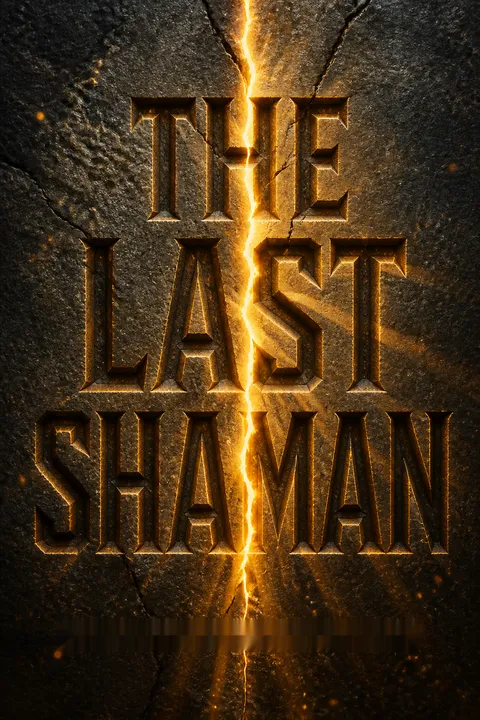
Mark Vale, a man adrift in midlife crisis, returns to his African homeland for his father's funeral, only to be swept into a world of old colonial anxieties and personal wounds. The colonial community's greatest fear is not just war or wild animals, but "dangerous women"—those who seduce men into reckless acts. Mark's own dangerous woman is Maxine Carlyle, a brilliant, passionate doctor whose presence reignites old feelings and unresolved pain. As Mark suffers from a tooth infection, he's forced to confront not only physical agony but the emotional abscesses of his past: failed ambitions, a faltering marriage, and the shame of not living up to his own ideals. The chapter sets the stage for a journey that will test Mark's understanding of love, power, and the true nature of magic.
The Mona Lisa's Secret
Maxine leads Mark to a hidden cave, home to the "Mona Lisa of Africa"—a 6,000-year-old San rock painting depicting a shaman's journey into the spirit world. As Maxine explains the painting's metaphysical significance, Mark is drawn into the lost world of African shamanism, where art is not mere decoration but a record of spiritual battles and healing. The cave's mural becomes a portal, both literal and symbolic, into another realm—a place where the boundaries between reality and myth blur. Mark's fascination with the painting mirrors his longing for a deeper connection to life's mysteries, and the encounter plants the seed for his own journey into the unknown, where the distinction between wants and true loves will be tested.
War, Loss, and Reckoning
As civil war erupts, Mark's family estate becomes a microcosm of a society on the brink. The Vale family, once pillars of colonial progress, now face the collapse of their world. Mark's brother Martin warns him against venturing into the Meluti Swamps, a place of mythic danger and madness. At a tense family dinner, old wounds and resentments surface, and Mark's mother reveals the hidden debts and sacrifices that have kept the family—and Maxine—safe. The chapter explores the cost of privilege, the burden of legacy, and the existential uncertainty that comes when the structures of meaning begin to crumble. Mark is forced to choose between safety and the call to something greater.
Into the Meluti Swamps
Mark, Maxine, Chollo, and David set out for the Meluti Swamps, leaving behind the last vestiges of civilization. Their journey is fraught with peril: treacherous rapids, hostile soldiers, and the ever-present threat of violence. The group's survival depends on their ability to adapt, trust, and find usefulness among the indigenous people. In the village of Mlumu, Mark and Maxine are called upon to save the headman's daughter, Yapile, whose life hangs in the balance. The swamps become a liminal space—a testing ground where old identities are stripped away and new possibilities emerge. The journey into the Meluti is both a physical and spiritual passage, marking the beginning of Mark's initiation.
The Healing of Yapile
Faced with Yapile's life-threatening injury, Mark and Maxine must improvise a brain surgery using a corkscrew. The operation is a test of courage, focus, and the ability to surrender to a higher creative force. Their success earns them the trust of the villagers and secures their place in the community. The healing of Yapile is more than a medical feat—it is a symbolic act of restoring connection, bridging worlds, and affirming the value of service over self-interest. The experience humbles Mark, revealing the limits of his previous knowledge and the necessity of stepping beyond ego to access true magic.
The Myth of the Last Shaman
As Mark bonds with Dumani, a mysterious and erudite figure in the village, he learns that the "last shaman" is both a myth and a living possibility. The legend teaches that each person is the last chance to save the world's spiritual connection; the responsibility for healing and wisdom lies within. Dumani challenges Mark to look inward, to face his own demons, and to recognize that greatness is not about saving the world but about taking care of one's own purpose. The chapter explores the interplay between myth and reality, the dangers of literalism, and the transformative power of metaphor.
Initiation and the Land of Dreams
Mark is drawn into the village's initiation rituals, where the boundaries between worlds dissolve. Through the use of sacred medicine and guided by Dumani, he enters the Land of Dreams—a realm where subconscious realities become manifest. Here, Mark encounters spirit beings, shape-shifters, and the raw forces of his own psyche. The experience is both terrifying and illuminating, forcing him to confront his deepest wounds, his sense of alienation, and the illusions that have shaped his life. The initiation is a crucible, burning away false identities and opening Mark to the possibility of true self-knowledge.
The Circle of Innocence
Guided by Dumani, Mark learns the practice of "innocence"—a state of consciousness beyond definition, judgment, and ego. By stepping into a circle defined as his own heart, Mark experiences a profound shift: the world comes alive, perceptions sharpen, and the veils of separation fall away. He realizes that thoughts and feelings are not reality, but projections of old wounds and beliefs. In innocence, he accesses super-conscious awareness, intuition, and the ability to see the obvious beyond the rational mind. The circle becomes a portal to healing, connection, and the rediscovery of wonder.
Shape-Shifting and Supernatural Trials
Mark is taught the art of shape-shifting—not just as a literal transformation, but as a psychic metaphor for knowing the world from within. He learns to become animals, objects, and even other people, gaining insight into their true nature. The journey is fraught with supernatural trials: attacks by initiates, encounters with were-creatures, and the challenge of finding the fish eagle who will carry him on his soul's mission. Mark's ability to let go of his fixed identity and embody other vibrations becomes the key to navigating the dangers of the Meluti and fulfilling his role as the last shaman.
The Eagle's Flight
As the village prepares for a soul retrieval ritual to save the Republic from destruction, Mark is chosen to ride the fish eagle into the Land of Dreams. The ritual is a collective act of intention, blending ancient shamanic practices with the unique gifts of each participant. Mark's flight as the eagle is both a literal and symbolic ascent—a journey through the layers of reality, the pain of the nation, and the illusions of separation. The experience is ecstatic, terrifying, and transformative, marking the culmination of his initiation and the beginning of his true work as a healer.
Soul Retrieval and Redemption
In the Land of Dreams, Mark confronts Colonel Graca, the warlord whose wounded soul threatens to destroy the Republic. By shape-shifting into Graca's essence, Mark witnesses the traumas that shaped him and reflects back the truth of his undiminished spirit. The act of soul retrieval is both a personal and collective healing, breaking the cycle of vengeance and opening the possibility of reconciliation. Mark's journey reveals that true power lies not in domination, but in the restoration of connection, grace, and the willingness to see beyond the wounds of the past.
Return to the Waking World
Mark awakens from his journey in a state of confusion—was it all a dream, a hallucination, or a real passage into another world? The boundaries between the Land of Dreams and waking life blur, as evidence of his experiences surfaces in unexpected ways. The healing of Yapile, the transformation of relationships, and the subtle shifts in perception all point to the enduring impact of his initiation. Mark is left to grapple with the paradoxes of reality, the limits of rational understanding, and the ongoing challenge of living from the heart.
Healing, Truth, and New Beginnings
In the aftermath of war and personal transformation, Mark embraces his role as a healer and bridge between worlds. He helps save Yapile's life, supports Maxine in her own healing, and begins to mend the fractures within his family and community. The lessons of the Land of Dreams—innocence, service, and the courage to face the truth—become the foundation for a new way of living. Mark's journey ends not with grand triumph, but with the quiet promise of renewal: the willingness to serve, to love, and to let life unfold by magic.
Analysis
Modern analysis: The Last Shaman as a blueprint for personal and collective healingThe Last Shaman is a transformative novel that weaves together adventure, psychological depth, and spiritual wisdom to explore the perennial human quest for meaning, connection, and wholeness. At its core, the book is a meditation on the dangers of living half-wise—of wielding power without self-knowledge, pursuing wants over true loves, and mistaking the illusions of ego for reality. Through Mark's journey, the narrative demonstrates that healing—whether personal or societal—requires the courage to face one's wounds, the humility to serve, and the willingness to step into the unknown. The interplay between indigenous wisdom and Western rationality offers a critique of modernity's disconnection from soul, while affirming the possibility of renewal through the integration of heart, mind, and spirit. The novel's lessons are both timely and timeless: that true magic lies in innocence, service, and the embrace of our shared humanity; that the world is healed not by grand gestures, but by the quiet, persistent work of those willing to see, to feel, and to act from the heart.
Review Summary
The Last Shaman receives mixed reviews, with an overall rating of 4.31 out of 5. Many readers praise its vivid descriptions of African landscapes, spiritual insights, and life-changing messages. Some find it a gripping adventure tale with powerful lessons, while others describe it as slow-paced and difficult to engage with. Positive reviews highlight the book's ability to provoke thought and inspire personal growth. Critical reviews mention slow pacing, excessive dialogue, and a dogmatic approach to imparting wisdom. Several readers recommend starting with the author's previous work, "The Magician's Way."
People Also Read
Characters
Mark Vale
Mark is a man caught between worlds—between the rational, colonial legacy of his family and the mystical, indigenous wisdom of Africa. Haunted by feelings of inadequacy, failed ambitions, and a longing for meaning, he is both deeply wounded and fiercely curious. His relationships—with Maxine, his family, and the people of the Meluti—mirror his internal struggle to reconcile love and power, ego and service. Through his journey, Mark evolves from a passive victim of circumstance to an initiated shaman, capable of healing himself and others. His arc is one of integration: learning to trust his intuition, embrace his wounds, and step into the role of creator rather than reactor.
Maxine Carlyle
Maxine is the embodiment of the "dangerous woman"—brilliant, passionate, and unafraid to challenge the status quo. Her beauty and charisma mask deep wounds: the loss of her father, the burden of being a perpetual outsider, and the unconscious patterns that drive her to test and destroy the men she loves. Maxine's relationship with Mark is both a source of hope and pain, serving as the catalyst for his initiation. As a doctor, she is committed to service, but her journey reveals the limits of altruism when it is driven by unresolved trauma. Ultimately, Maxine's healing comes through the willingness to face her own truth and let go of the need to save or be saved.
Dumani
Dumani is a complex figure—at once a shaman, philosopher, and playful trickster. He guides Mark through the mysteries of the Meluti, teaching him the principles of magic, the art of innocence, and the power of shape-shifting. Dumani's own story is one of exile and return, having fled persecution only to become the hidden custodian of his people's spiritual heritage. His psychoanalysis reveals a man who has integrated the wisdom of many traditions, yet remains humble and attuned to the needs of the moment. Dumani's role is to challenge, provoke, and ultimately empower Mark to claim his own authority.
Chollo
Chollo is the archetype of the loyal guardian—stoic, skilled, and deeply connected to the land. His refusal to assimilate into colonial culture is both a source of tension and a mark of integrity. Chollo's relationship with Mark evolves from servant to equal, as the journey into the Meluti reveals the depth of his wisdom and the fierceness of his love. Psychologically, Chollo represents the instinctual self—the part of Mark that knows how to survive, adapt, and serve without ego. His presence is a constant reminder of the power of belonging and the necessity of facing danger with courage.
David
David is an enigmatic figure—at first, Maxine's loyal driver, later revealed to possess supernatural abilities and a hidden agenda. His true nature is ambiguous: is he a government agent, a spirit guide, or both? David's psychoanalysis suggests a being who exists between worlds, guiding Mark and Maxine toward their destinies while remaining unattached to outcomes. His eventual disappearance into the bush hints at his role as a messenger from the Land of Dreams, embodying the principle that guidance often comes from unexpected sources.
Veeti
Veeti is the headman of Mlumu Village, a man weighed down by the loss of his people's spiritual heritage and the pressures of survival in a changing world. His depression is both personal and collective, reflecting the disconnection from ancestral wisdom. Veeti's willingness to trust Mark and Maxine with his daughter's life marks a turning point in the story, symbolizing the possibility of renewal through cross-cultural alliance. His character arc is one of gradual reawakening, as the events of the narrative restore his sense of purpose and connection.
Yapile
Yapile is the headman's daughter, whose near-death and miraculous healing serve as a focal point for the story's themes of service, connection, and the power of innocence. As a child, she embodies the uncorrupted potential of the human spirit—the ability to see the world without judgment, to heal, and to inspire others. Yapile's journey from the Meluti to the Vale estate mirrors the possibility of integration between worlds, and her presence catalyzes healing not only for herself but for the entire community.
Martin Vale
Martin is Mark's older brother, a man shaped by the demands of leadership and the weight of family tradition. His skepticism toward Mark's mystical pursuits is rooted in a deep sense of responsibility and a fear of losing everything the family has built. Martin's psychoanalysis reveals a man who equates survival with control, yet is haunted by the limits of his own power. His relationship with Mark is fraught with rivalry, but ultimately grounded in love and the shared desire to protect what matters.
Cynthia Vale
Cynthia is the formidable mother of the Vale family, a woman whose strength and rigidity have held the family together through generations of upheaval. Her psychoanalysis reveals a deep fear of chaos and a need to control both people and circumstances. Cynthia's revelations about the family's hidden debts and her manipulation of Maxine's fate expose the costs of maintaining order at the expense of truth. Her arc is one of gradual softening, as the events of the story force her to confront her own vulnerability and the necessity of letting go.
Colonel Graca
Graca is the antagonist whose wounded soul threatens to destroy the Republic. His psychoanalysis reveals a man shaped by childhood trauma, powerlessness, and the compulsion to dominate as a means of erasing his own pain. Graca's journey is one of soul loss and potential redemption, as Mark's intervention in the Land of Dreams offers the possibility of healing and reconciliation. He represents the shadow side of power—the danger of unchecked wounds—and the hope that even the most damaged can be restored to wholeness.
Plot Devices
Initiation and the Hero's Journey
The narrative structure follows the classic hero's journey, with Mark as the reluctant protagonist called to adventure by crisis and the allure of the unknown. His passage through the Meluti Swamps, encounters with supernatural beings, and ultimate soul retrieval mission serve as initiatory trials, stripping away old identities and forging a new sense of self. The use of initiation rites, both literal and symbolic, grounds the story in universal patterns of transformation and self-discovery.
The Land of Dreams / Other World
The Land of Dreams functions as both a literal and metaphorical space—a realm where subconscious realities, ancestral wisdom, and collective intentions shape events. The boundary between waking life and the Other World is porous, allowing for supernatural phenomena, soul retrieval, and the resolution of deep psychological wounds. This device enables the exploration of themes such as the nature of reality, the power of imagination, and the interplay between myth and history.
Shape-Shifting and Metaphor
Shape-shifting operates on multiple levels: as a supernatural ability, a psychic metaphor, and a narrative tool for exploring empathy and understanding. By becoming animals, objects, or other people, characters gain insight into the true nature of things, transcending the limitations of ego and perception. This device reinforces the story's central message: that healing and wisdom come from the willingness to step outside fixed identities and embrace the interconnectedness of all life.
Circles, Rituals, and Collective Intention
The use of circles—whether as physical spaces, ritual boundaries, or symbols of wholeness—serves as a recurring plot device. Circles define the space for healing, truth-telling, and the suspension of ego. Rituals, both indigenous and improvised, create the conditions for collective intention, allowing individuals to access higher states of consciousness and effect real change. These devices underscore the importance of community, tradition, and the power of shared purpose.
Foreshadowing and Synchronicity
The narrative is rich with foreshadowing: dreams, myths, and casual remarks that later reveal deeper significance. Synchronicity—the meaningful coincidence of events—guides characters toward their destinies, suggesting a universe that responds to intention and openness. These devices create a sense of inevitability and magic, reinforcing the story's themes of trust, surrender, and the mysterious workings of fate.
About the Author
Other books by William Whitecloud
Download PDF
Download EPUB
.epub digital book format is ideal for reading ebooks on phones, tablets, and e-readers.








































