
Plot Summary
Broken Vows, New Beginnings
Anna is left at the altar, her dreams of marriage and motherhood shattered. Instead of a honeymoon with her fiancé, she embarks on the trip with her best friend, Nell, to the Spanish island of Alircia. Anna is raw, vulnerable, and lost, but Nell's unwavering support keeps her afloat. The island's beauty is a stark contrast to Anna's inner turmoil, but it also offers the possibility of healing. As Anna tries to let go of her past, she is unknowingly moving toward a new beginning—one that will challenge her understanding of love, fate, and herself. The pain of betrayal lingers, but hope flickers as she steps into the unknown, ready to be changed by what she finds.
The Boy from the Bar
Adam, also nursing wounds from a failed relationship, notices Anna in the hotel bar. There's an instant, inexplicable pull between them—an energy that feels both fated and fragile. Their first interactions are awkward, tinged with the vulnerability of two people who have been hurt but are still open to possibility. When Anna nearly drowns and Adam saves her, their connection deepens, shifting from curiosity to something more profound. The rescue is both literal and symbolic: Adam pulls Anna from the water, and together they begin to surface from their emotional depths. Their story is set in motion, marked by laughter, shared secrets, and the tentative hope that love might be possible again.
Rescue and Rising Hope
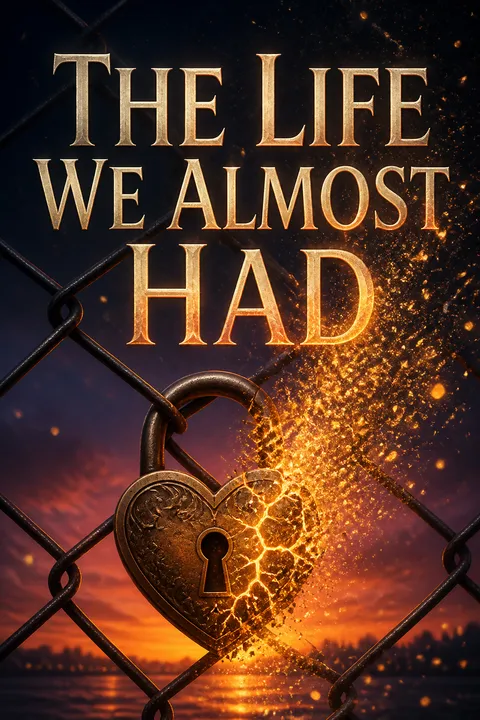
Anna and Adam's bond intensifies as they spend more time together, exploring the island and each other's histories. Both are haunted by loss—Anna by her father's death and Adam by his parents' absence. Their conversations are honest, sometimes painfully so, as they reveal their fears and dreams. The island becomes a backdrop for healing, and their romance blooms in the sun-drenched days and starlit nights. Yet, beneath the joy, there is an awareness of impermanence: Adam's plans to travel the world loom over their budding relationship. Still, they choose to seize the moment, locking their hopes to a fence with a padlock, promising to remember this happiness, whatever the future holds.
Love on Borrowed Time
Anna and Adam return to their separate lives in England, determined to make their relationship work despite the distance. The reality of long-distance love is harder than either imagined—missed calls, exhaustion, and the ache of absence. Yet, their commitment deepens as Adam chooses Anna over his dream of traveling, proposing in a gesture that is both romantic and sacrificial. They marry, full of hope for a future together, but the pressures of real life—work, family, and the longing for a child—begin to weigh on them. Their love is real, but so are the cracks that start to form as dreams are deferred and disappointments accumulate.
Goodbye or Forever
The couple's struggle to conceive becomes the central pain of their marriage. Anna's diagnosis of endometriosis brings both relief and despair, as hope for a child is replaced by cycles of treatment, disappointment, and self-blame. Their once-passionate connection is eroded by routine, resentment, and the silent grief of what they cannot have. Anna's friendship with Nell falters as Nell's life fills with children, deepening Anna's sense of isolation. Both Anna and Adam begin to question if love is enough when dreams go unfulfilled. Temptation and emotional distance creep in, threatening to unravel the life they've built together.
Building a Life Together
Despite their struggles, Anna and Adam try to hold on to each other. They build a home, share rituals, and attempt to find joy in the everyday. Their love is tested by the mundane and the monumental—missed anniversaries, unspoken resentments, and the relentless ticking of the biological clock. The memory of their early days together becomes both a comfort and a source of pain, as they wonder if they can ever recapture the magic. The arrival of a long-awaited pregnancy brings hope, but tragedy strikes, and their world is shattered once more. The question of whether love can survive loss becomes urgent and inescapable.
The Weight of Wanting
After a devastating accident on a yacht in Alircia, Adam is left in a coma, and Anna is forced to confront the possibility of life without him. Grief, guilt, and longing consume her as she sits by his bedside, desperate for a sign of consciousness. When a neuroscientist, Oliver, offers a radical experimental procedure to connect Anna's mind with Adam's, she is torn between hope and fear. The promise of one last chance to say goodbye—or perhaps to bring him back—proves irresistible. Anna's willingness to risk everything for love sets the stage for a journey into the unknown, where science and emotion collide.
Cracks in the Foundation
The experimental trial allows Anna to enter Adam's consciousness, where she experiences an alternate reality: a life where their dreams came true, where they have a child, where happiness is possible. The experience is intoxicating but also dangerous, blurring the line between memory, fantasy, and reality. Each return to Adam's mind brings both joy and pain, as Anna is forced to confront the truth of what she has lost and what can never be. The trial's side effects threaten her health, and the ethical boundaries of love and science are tested. Anna must decide whether to keep reaching for the life she almost had or to let go and face the future.
Temptation and Betrayal
As Anna and Adam's marriage falters under the strain of infertility and disappointment, Anna finds herself drawn to Ross, her charismatic headteacher. Their flirtation is a symptom of deeper unhappiness—a longing for validation, excitement, and escape. Anna's guilt is compounded by her inability to share her struggles with Adam, and the secrets between them multiply. The emotional distance grows, and both are tempted to seek solace elsewhere. The betrayal is not just of vows but of the shared dream that once bound them. The question of whether love can survive such wounds becomes central, as Anna must choose between fantasy and reality, between holding on and letting go.
The Science of Consciousness
Oliver's experimental technology offers a bridge between worlds—the living and the unconscious, the real and the imagined. Anna's journeys into Adam's mind reveal the power of memory, the persistence of love, and the pain of what might have been. The experiences are vivid, immersive, and transformative, but they also raise profound questions: Is it right to interfere with fate? Can science heal a broken heart, or does it only prolong suffering? As Anna becomes addicted to the alternate life she shares with Adam, she must confront the limits of what technology—and love—can achieve. The line between hope and delusion blurs, and the cost of refusing to let go becomes clear.
The Life We Almost Had
The final trial is both a farewell and a reckoning. Anna and Adam relive their happiest moments, their greatest sorrows, and the life they almost had—a life filled with love, laughter, and the child they longed for. In the end, Adam makes the ultimate sacrifice, choosing to let Anna go so she can live fully, even if it means living without him. The act is both selfless and heartbreaking, a testament to the depth of their love. Anna is left to grieve, to remember, and to find a way forward. The story becomes a meditation on loss, memory, and the enduring power of love to shape and sustain us, even in absence.
Letting Go, Holding On
In the aftermath of Adam's death, Anna is consumed by grief but also by the memories of the life they shared. She struggles to move on, haunted by the child they never had and the love that still lingers. A mysterious address left by Adam leads her to a children's home, where she discovers a baby boy with Adam's eyes and birthmark—a miracle that defies explanation. Adopting Harry becomes Anna's path to healing, a way to honor Adam's memory and to embrace the future. The story comes full circle, as Anna learns that love, once given, is never truly lost.
Miracles and Memories
Anna's adoption of Harry is both a miracle and a mystery, a gift that cannot be explained by science or reason. Surrounded by friends and family, Anna builds a new life, carrying Adam's memory with her. She learns to cherish the past without being trapped by it, to find joy in the present, and to hope for the future. The journey is not without pain, but it is marked by resilience, gratitude, and the quiet certainty that love endures. Anna's story becomes a testament to the possibility of new beginnings, even after unimaginable loss.
The Final Goodbye
As Anna prepares to leave her old life behind and embark on new adventures with Harry, she reflects on the lessons of her journey. The pain of loss is still present, but it is tempered by the love that remains. Anna's farewell to Adam is both heartbreaking and hopeful—a recognition that letting go does not mean forgetting, and that love can transcend even death. Surrounded by those who care for her, Anna steps into the future with courage, carrying Adam's legacy in her heart and in the life of their son.
Love Will Find a Way
The story ends with Anna and Harry setting out to see the world, following the path Adam once dreamed of. The message is clear: love is not bound by time, distance, or even death. It is a force that shapes us, sustains us, and gives meaning to our lives. Anna's journey is one of transformation—from heartbreak to hope, from loss to renewal. The life she almost had becomes the foundation for the life she chooses to build, guided always by the belief that love will find a way.
Analysis
A modern meditation on love, loss, and the courage to begin againThe Life We Almost Had is a deeply emotional exploration of what it means to love, to lose, and to hope. Through Anna and Adam's journey, the novel interrogates the nature of memory, the allure of alternate realities, and the ethical boundaries of science and grief. At its core, the story is about the tension between holding on and letting go—about the ways in which love can both sustain and imprison us. The experimental technology serves as a metaphor for the human desire to rewrite the past, to reclaim what has been lost, and to find meaning in suffering. Yet, the novel ultimately affirms that true healing comes not from denial or escape, but from acceptance, gratitude, and the willingness to embrace new beginnings. The miraculous arrival of Harry is both a literal and symbolic answer to the story's central question: Can love be eternal? The answer, the novel suggests, is yes—but only if we are brave enough to let go, to trust in the unknown, and to believe that love will find a way.
People Also Read


Characters
Anna Adlington
Anna is the emotional heart of the story—a woman whose life is upended by betrayal, loss, and longing. Her journey is one of self-discovery, as she moves from heartbreak to hope, from the pain of infertility to the miracle of unexpected motherhood. Anna's relationships—with Adam, Nell, her mother, and eventually her son Harry—are marked by vulnerability, honesty, and a fierce desire to love and be loved. She is introspective, sometimes self-critical, but always striving to do what is right, even when it means letting go of her deepest dreams. Anna's psychological arc is defined by her willingness to risk everything for love, her struggle to accept loss, and her ultimate embrace of life's mysteries and miracles.
Adam Curtis
Adam is Anna's soulmate, a man whose own wounds—parental abandonment, lost dreams—shape his longing for connection and meaning. He is both a rescuer and someone in need of rescue, offering Anna hope and healing while grappling with his own disappointments. Adam's love for Anna is unwavering, but he is also marked by a deep sense of responsibility and guilt, especially as their marriage is tested by infertility and tragedy. His ultimate act—letting Anna go so she can live—reveals the depth of his selflessness and the enduring power of his love. Adam's presence lingers throughout the story, a reminder that true love is both a gift and a sacrifice.
Nell Stevens
Nell is Anna's best friend and emotional anchor, providing support, humor, and tough love when Anna needs it most. She is fiercely protective, unafraid to challenge Anna or to step in when things fall apart. Nell's own journey—her relationships, motherhood, and moments of envy and misunderstanding—mirror Anna's struggles, highlighting the complexities of female friendship. Nell's unwavering presence is a testament to the importance of chosen family and the ways in which love can take many forms.
Josh Quigley
Josh is Adam's lifelong friend, a source of loyalty and laughter. On the surface, he is brash and irreverent, but beneath the jokes lies a deep capacity for empathy and support. Josh's relationship with Adam is brotherly, marked by shared history and mutual understanding. His own romantic misadventures and unrequited feelings for Nell add layers to his character, revealing the pain and hope that coexist in all relationships. Josh's presence grounds the story, reminding both Anna and Adam of who they are and where they come from.
Oliver Chapman
Oliver is the architect of the experimental technology that offers Anna a final connection to Adam. Haunted by his own losses—especially the death of his wife, Clem—Oliver is driven by a desire to bridge the gap between science and emotion, between the living and the lost. His interactions with Anna are marked by empathy, guilt, and a growing awareness of the limits of his work. Oliver's journey is one of reckoning: with the power and danger of his invention, with the boundaries of love and grief, and with the need to let go of the past.
Patricia Adlington
Anna's mother is a source of comfort and wisdom, having endured her own losses and struggles. She supports Anna through heartbreak, infertility, and grief, offering both practical help and emotional guidance. Patricia's relationship with Anna is complex—sometimes reversed, as Anna becomes the caretaker—but always rooted in love. Her presence is a reminder of the generational threads that bind families together, and of the resilience required to survive loss.
Harry
Harry is the child Anna and Adam longed for—a baby who arrives in Anna's life through mysterious, almost supernatural means. He carries Adam's features and birthmark, serving as both a literal and metaphorical continuation of their love. Harry's presence transforms Anna's grief into purpose, offering her a new beginning and a reason to believe in miracles. He is both a gift and a mystery, a living testament to the story's central question: can love transcend even the boundaries of life and death?
Ross
Ross is Anna's headteacher and the object of her emotional infidelity during her marriage's darkest days. He represents the allure of escape, the possibility of a different life, and the dangers of unresolved longing. Ross's presence forces Anna to confront her own desires, her dissatisfaction, and the choices she must make about love and loyalty. His role is both disruptive and clarifying, pushing Anna toward honesty with herself and with Adam.
Eva
Eva is the psychologist at Oliver's institute, tasked with assessing Anna's readiness for the experimental trial. She provides a counterbalance to the story's emotional intensity, asking hard questions and urging Anna to confront her fears and motivations. Eva's presence highlights the ethical dilemmas and the limits of science of love, loss, and scientific intervention. She is both a guide and a gatekeeper, helping Anna navigate the boundaries between hope and delusion.
Nancy
Nancy is the manager of the children's home where Anna finds Harry. Having lost her own child, Nancy understands the depths of grief and the possibility of healing. Her kindness and advocacy are instrumental in reuniting Anna with Harry, and her presence underscores the story's themes of found family, second chances, and the unexpected ways love can return to us.
Plot Devices
Dual Timelines and Shifting Realities
The novel employs a non-linear narrative, moving between Anna and Adam's early romance, their married life, and the aftermath of tragedy. The use of experimental technology allows for journeys into alternate realities—lives that might have been, memories that are both real and imagined. This structure blurs the boundaries between past and present, hope and regret, and challenges the reader to question what is real and what is wished for. The shifting timelines heighten the emotional stakes, as each return to the past is both a comfort and a source of pain.
Symbolism and Motifs
The story is rich with symbols: the love lock on the fence, representing hope and commitment; the coin passed between generations, symbolizing connection and memory; the star pendant, a reminder of enduring love. These objects serve as anchors for the characters, grounding them in moments of joy and loss. The recurring motif of setting something free—whether a bird, a person, or a dream—underscores the central tension between holding on and letting go.
Foreshadowing and Circularity
The narrative is laced with foreshadowing: the early rescue on the beach prefigures later acts of sacrifice; the longing for a child anticipates both loss and miraculous fulfillment. The story's structure is circular, returning again and again to pivotal moments—the beach, the cove, the act of saying goodbye. This repetition reinforces the idea that love, like memory, is both enduring and ever-changing.
Ethical Dilemmas and the Limits of Science
The introduction of Oliver's experimental technology raises profound ethical questions: Is it right to interfere with fate? Can science heal what is fundamentally a matter of the heart? The story explores the dangers of refusing to accept loss, the temptation to live in the past, and the cost of pursuing hope at any price. The trial's side effects and ultimate failure force both Anna and Oliver to confront the limits of what can be controlled or understood.
Letters and Unspoken Words
Throughout the novel, letters—written and unwritten—serve as vehicles for confession, apology, and closure. Anna's struggle to find the right words mirrors her struggle to accept what cannot be changed. The story is haunted by things left unsaid, by the longing to communicate across the boundaries of consciousness and death. In the end, it is the act of letting go—of speaking love even when it cannot be heard—that brings peace.








































