
Plot Summary
Baptism by Pitstop Fire
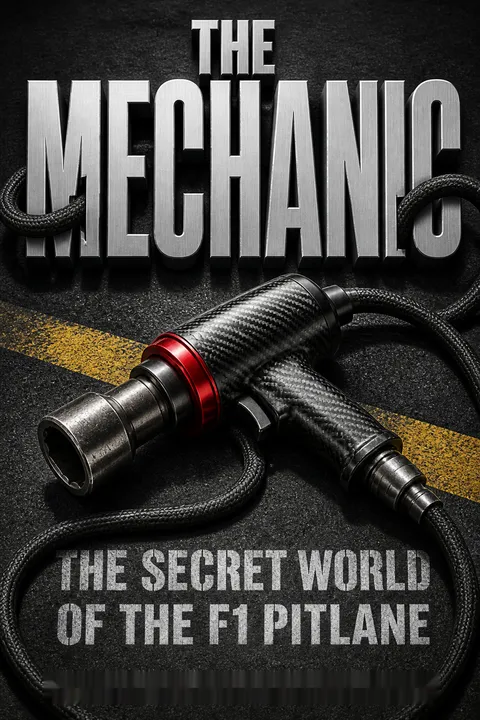
Marc 'Elvis' Priestley's journey into Formula One begins with the raw, nerve-shredding intensity of a McLaren pitstop. The pitlane is a crucible where seconds decide races and careers. Priestley, anonymous to millions, is thrust into the heart of the action, wielding the wheel gun as Lewis Hamilton screeches to a halt. Every movement is choreographed, every error magnified. The pit crew's precision is both a technical marvel and a psychological trial, where the fear of failure is ever-present. Priestley's early mistakes and anxieties are met with the team's stoic professionalism, but the adrenaline rush becomes addictive. The pitstop is not just a mechanical act—it's a test of trust, nerve, and unity, setting the tone for a career defined by high stakes, camaraderie, and the relentless pursuit of perfection.
Dreams Born at Brands Hatch
Growing up in a modest home near Brands Hatch, Priestley's destiny is shaped by the roar of engines and the spectacle of racing. Unable to afford tickets, he watches from afar, captivated not just by the drivers but by the masked mechanics—unsung heroes whose speed and skill are as vital as any lap time. His curiosity for technology and hands-on tinkering leads him from school workshops to unpaid stints in Formula Ford, then up the ladder through Caterham 7s and Formula 3000. Rejection letters pile up, but persistence pays off when McLaren finally calls. The leap from small teams to the hallowed halls of Woking is daunting, but Priestley's meticulousness and hunger set him apart. His journey is a testament to the power of obsession, resilience, and the willingness to start at the bottom and never stop climbing.
McLaren's Secret Society
Behind McLaren's polished image lies a world of excess, secrecy, and rebellion. The mechanics, expected to embody corporate perfection, unleash their pent-up energy in wild parties, pranks, and covert rivalries. Drug-fueled nights, clandestine sabotage, and elaborate practical jokes are as much a part of the culture as technical innovation. The pit crew's off-track antics—sneaking into Ferrari team photos, rewiring colleagues' cars, and surviving near-fatal hangovers—are a release valve for the relentless pressure of race weekends. Yet, beneath the chaos, there's a fierce pride in their work and a deep loyalty to the team. The line between genius and madness blurs, as the pursuit of marginal gains extends from the garage to the dance floor, forging bonds that will be tested in the crucible of competition.
Ron Dennis: Obsession and Order
Ron Dennis, McLaren's enigmatic boss, is both revered and feared. His obsession with order, cleanliness, and innovation permeates every corner of the team, from the alignment of screw heads to the design of the futuristic McLaren Technology Centre. Dennis's drive for excellence pushes everyone to new heights but also breeds anxiety and rebellion. His quirks—demanding matching haircuts, introducing controversial uniforms, and orchestrating grand architectural statements—are both inspiring and maddening. Yet, his generosity and loyalty run deep, often hidden beneath a stern exterior. Dennis's vision transforms McLaren into a global powerhouse, but his relationships—with staff, drivers, and rivals—are fraught with tension, culminating in moments of both triumph and spectacular fallout.
Science of Human Performance
Under the guidance of Dr. Aki Hintsa, McLaren pioneers the science of human performance, treating mechanics and pit crew as elite athletes. Training camps, biometric testing, and psychological coaching become routine, as the team seeks every possible edge. Innovations like temperature-controlled suits and high-speed cameras dissect every movement, turning pitstops into a blend of choreography and data analysis. The relentless drive for improvement extends to equipment, with custom wheel guns, jacks, and even helium-powered tools. The pursuit of perfection is holistic—body, mind, and machine—reflecting Formula One's transformation from a sport of instinct to one of relentless, scientific marginal gains.
Testing, Tension, and Turmoil
The test team's world is one of brutal hours, relentless travel, and unchecked egos. The influx of tobacco money fuels extravagance and a sense of invulnerability. Mechanics race and destroy hire cars, party with abandon, and cover up scandals with impunity. Yet, the camaraderie is real, forged in the fires of shared hardship and near-disaster. The line between professional pride and reckless arrogance is thin, and the consequences—both comic and catastrophic—are ever-present. The culture of "what happens on tour stays on tour" masks deeper insecurities and the ever-present fear of failure, as the team pushes itself—and its luck—to the limit.
Perfection's Personal Cost
The relentless pursuit of perfection at McLaren comes at a price. The team's successes—on track and off—are the result of obsessive attention to detail, but the emotional and physical toll is immense. Priestley and his colleagues sacrifice sleep, relationships, and sometimes their own well-being for the cause. The pressure to perform, the fear of public failure, and the constant scrutiny create a cauldron of anxiety. Yet, moments of generosity, unexpected kindness, and shared victory provide redemption. The cost of glory is high, but for those who survive, the rewards—both tangible and intangible—are unforgettable.
The Ice Man Arrives
Kimi Raikkonen's entry into McLaren brings a new energy—and a new set of challenges. The "Ice Man" is enigmatic, fiercely talented, and utterly indifferent to the trappings of fame. His laid-back attitude masks a relentless drive on track, and his aversion to PR duties becomes legendary. The crew bonds with Kimi over shared jokes, mutual respect, and a love of racing for its own sake. Yet, the team's technical struggles and near-misses in the championship test everyone's resolve. Kimi's ability to shrug off setbacks and focus on the next race becomes both a source of inspiration and frustration, as McLaren comes agonizingly close to glory.
Chasing Championships, Facing Failure
The pursuit of the World Championship is a rollercoaster of hope and heartbreak. McLaren's technical innovations and strategic gambles bring them to the brink of victory, only for reliability issues, accidents, and split-second decisions to snatch defeat from the jaws of triumph. The team's unity is tested as they rally around Kimi, learning to cope with disappointment and channel it into renewed effort. The emotional highs of victory are matched by the crushing lows of loss, but the crew's resilience and camaraderie keep them moving forward, always chasing the elusive dream of being the best in the world.
Rules, Rivalries, and Rebellion
Formula One's ever-shifting rulebook creates new challenges and opportunities for innovation—and for conflict. The ban on refueling, tire regulations, and technical restrictions force teams to adapt, sometimes bending the rules to gain an edge. Internal rivalries—between drivers, crews, and even management—flare into open rebellion, as personalities clash and ambitions collide. The culture of secrecy and paranoia intensifies, with coded radio messages, hidden developments, and psychological warfare becoming part of the game. The team's ability to navigate these treacherous waters is tested as never before, setting the stage for the most explosive season yet.
The Hamilton-Alonso Collision
The arrival of Lewis Hamilton, the prodigious rookie, alongside double World Champion Fernando Alonso, ignites a powder keg within McLaren. What begins as mutual respect quickly devolves into a bitter rivalry, as Hamilton's meteoric rise threatens Alonso's status. The garage splits into factions, with loyalty, jealousy, and ambition tearing at the fabric of the team. Strategic decisions, on-track incidents, and off-track mind games escalate the conflict, culminating in public confrontations and private ultimatums. The dream of a dominant season is consumed by infighting, as the team's greatest strength—its talent—becomes its greatest liability.
Spygate: Betrayal and Fallout
As the Hamilton-Alonso feud rages, McLaren is rocked by the Spygate scandal—a case of industrial espionage involving stolen Ferrari secrets. The revelation shatters the team's reputation and brings the threat of expulsion, massive fines, and criminal charges. The moral crisis is compounded by internal betrayals, as emails and evidence surface implicating key personnel. The fallout is swift and brutal: McLaren is stripped of Constructors' points, fined $100 million, and plunged into existential uncertainty. The scandal exposes the dark side of Formula One's relentless competitiveness, forcing the team to confront its own values and the true cost of winning at any price.
Breakdown and Lost Glory
In the wake of Spygate, McLaren's internal divisions deepen. The relationship between Hamilton and Alonso is irreparably broken, and the team's focus shifts from winning to mere survival. Strategic blunders, communication breakdowns, and mounting pressure lead to catastrophic mistakes on track, most painfully in the final races of the season. The Constructors' title slips away, and the Drivers' Championship is lost in a dramatic, heartbreaking finale. For Priestley and his colleagues, the sense of loss is profound—not just of trophies, but of trust, pride, and the belief in their own invincibility. The season ends in exhaustion and reflection, with hard lessons learned about ambition, loyalty, and the limits of human endurance.
Blue Hands and Kimi's Revenge
Even amid turmoil, the team's irrepressible spirit endures. Priestley's infamous "blue dye" prank on Kimi Raikkonen becomes legend, nearly costing him his job but cementing a bond of mutual respect and mischief. Kimi's revenge is swift and hilarious, a reminder that beneath the pressure and politics, the heart of the team is built on friendship, laughter, and shared experience. These moments of levity provide relief from the relentless grind, reinforcing the sense of family that sustains the crew through triumph and disaster alike.
The Prodigy Ascends
With Alonso's departure, McLaren enters a new era. Lewis Hamilton, now the undisputed team leader, matures into a formidable competitor, blending raw speed with growing technical acumen and emotional resilience. The team rallies around him, forging a renewed sense of unity and purpose. New teammates, new challenges, and new regulations test their adaptability, but the scars of the past season have forged a stronger, wiser collective. The dream of championship glory is rekindled, and the pursuit resumes with fresh determination.
Power Struggles and Loyalty
The struggle for supremacy within McLaren is mirrored by the shifting alliances and power plays that define the sport. Drivers vie for status, crews for recognition, and management for control. Strategic decisions—both on and off the track—carry enormous risks, and the line between loyalty and self-interest is often blurred. The team's ability to navigate these complexities determines not just their success, but their survival. The lessons of the past inform every move, as the pursuit of victory is balanced against the need for cohesion and trust.
The Big Blow-Out
The 2007 season's dramatic conclusion is a microcosm of Formula One's capacity for both ecstasy and agony. McLaren's hopes for redemption are dashed by a combination of technical failure, strategic missteps, and sheer bad luck. The championship slips away in the final laps, leaving the team to grapple with the pain of what might have been. The aftermath is a time of soul-searching, as individuals and the collective reckon with the consequences of their choices and the true meaning of success and failure.
A New Era Dawns
With the departure of old rivals and the arrival of new faces, McLaren embarks on a process of renewal. The team embraces change—new roles, new technologies, and a new ethos of professionalism and collaboration. The excesses of the past give way to a more disciplined, data-driven approach, reflecting the broader transformation of the sport. Yet, the core values of passion, resilience, and camaraderie endure, guiding the team through the challenges and opportunities of a rapidly evolving landscape.
Glory, Reflection, and Farewell
Hamilton's eventual World Championship victory is both a personal and collective vindication—a moment of pure joy and release after years of struggle. For Priestley, it marks the culmination of a lifelong dream and the beginning of a new chapter. The decision to step away from the pitlane is bittersweet, but the memories, lessons, and friendships forged in the fire of Formula One endure. The story ends not with a checkered flag, but with a sense of gratitude, humility, and the recognition that true glory lies not just in winning, but in the journey itself.
Analysis
Marc Priestley's The Mechanic is more than a memoir of life in the Formula One pitlane—it is a meditation on the pursuit of excellence, the cost of ambition, and the enduring power of human connection. Through vivid storytelling and unflinching honesty, Priestley exposes the hidden world behind the glamour: a place where perfection is demanded, mistakes are public, and the line between triumph and disaster is razor-thin. The book's greatest strength lies in its ability to humanize the anonymous heroes of the sport—the mechanics, engineers, and support staff whose work makes victory possible but whose sacrifices often go unseen. Priestley's journey from anxious rookie to seasoned leader mirrors the evolution of Formula One itself, from a culture of excess and improvisation to one of scientific precision and corporate discipline. Yet, the core lessons remain timeless: success is built on trust, resilience, and the willingness to learn from failure; true glory is found not just in winning, but in the bonds forged through shared struggle. In an era obsessed with individual stardom, The Mechanic reminds us that greatness is always a team effort—and that the stories behind the scenes are often the most compelling of all.
People Also Read


Characters
Marc 'Elvis' Priestley
Priestley is the lens through which we experience the secret world of Formula One. Driven by childhood dreams and a relentless work ethic, he rises from humble beginnings to the pinnacle of motorsport. His technical skill is matched by a deep emotional intelligence, allowing him to navigate the pressures, politics, and personalities of the pitlane. Priestley's journey is one of transformation—from anxious rookie to respected leader, from prankster to professional. His reflections reveal a man shaped by both triumph and failure, whose greatest strength lies in his ability to adapt, learn, and find meaning in the chaos.
Ron Dennis
Dennis is the architect of McLaren's rise, a man whose obsession with order and excellence drives the team to unprecedented heights. His leadership style is both inspiring and intimidating, demanding total commitment and attention to detail. Yet, beneath the stern exterior lies a capacity for generosity, loyalty, and vulnerability. Dennis's relationships—with staff, drivers, and rivals—are complex, marked by both deep respect and frequent conflict. His legacy is one of innovation, ambition, and the constant tension between control and chaos.
Kimi Raikkonen
The "Ice Man" is a study in contrasts: silent and inscrutable off track, explosive and fearless on it. Raikkonen's aversion to fame, PR, and politics sets him apart in a world obsessed with image. His bond with the crew is built on mutual respect, shared humor, and a love of racing for its own sake. Kimi's ability to shrug off setbacks and focus on the essentials makes him both a joy and a challenge to work with. His story is one of raw talent, resilience, and the enduring appeal of authenticity in a manufactured world.
Lewis Hamilton
Hamilton's rise from McLaren protégé to global superstar is meteoric and fraught with complexity. His raw speed and technical brilliance are matched by a fierce competitiveness and a growing sense of self-belief. The pressures of fame, expectation, and internal rivalry shape his development, sometimes leading to arrogance and missteps. Yet, Hamilton's capacity for reflection, adaptation, and emotional growth ultimately define his legacy. His journey is emblematic of the modern athlete—talented, flawed, and constantly evolving.
Fernando Alonso
Alonso arrives at McLaren as the reigning champion, expecting deference and dominance. His intelligence, technical acumen, and ruthless will to win make him a formidable competitor, but also a source of tension and division. Alonso's inability to adapt to a team that refuses to play favorites leads to escalating conflict, strategic brinkmanship, and ultimately, self-destruction. His story is a cautionary tale about the dangers of ego, mistrust, and the high price of ambition.
David Coulthard
Coulthard embodies the old-school virtues of professionalism, loyalty, and camaraderie. His willingness to support the team, mentor younger drivers, and even bail out colleagues in trouble earns him deep respect. Coulthard's career is marked by both individual achievement and a selfless commitment to the collective good. His presence provides stability and perspective amid the turbulence of change.
Dr. Aki Hintsa
Hintsa revolutionizes the approach to human performance in Formula One, treating mechanics and pit crew as elite athletes. His emphasis on physical fitness, mental resilience, and team cohesion transforms the culture of McLaren and sets new standards for the sport. Hintsa's legacy is one of innovation, empathy, and the recognition that success is built on the well-being of every individual.
Mark Slade
Slade's partnership with Kimi Raikkonen is a model of effective collaboration, blending technical expertise with emotional intensity. His highs and lows mirror the fortunes of the team, and his ability to inspire, motivate, and sometimes explode in frustration makes him a central figure in the garage. Slade's story is one of dedication, vulnerability, and the human side of high-performance engineering.
Martin Whitmarsh
Whitmarsh serves as the bridge between Ron Dennis's vision and the realities of team life. His ability to mediate conflicts, support staff, and make difficult decisions earns him respect and gratitude. Whitmarsh's interventions—sometimes behind the scenes—are often the difference between disaster and redemption. His leadership style is marked by pragmatism, empathy, and a commitment to the greater good.
The McLaren Pit Crew
The pit crew is the beating heart of the team—a diverse group of skilled, passionate, and sometimes unruly individuals whose work determines the outcome of every race. Their camaraderie, resilience, and willingness to sacrifice for each other are the foundation of McLaren's success. The crew's journey mirrors that of the team itself: from chaos to cohesion, from anonymity to recognition, from hardship to glory.
Plot Devices
First-person immersion and confessional narrative
Priestley's memoir employs a candid, first-person voice that draws readers into the visceral reality of Formula One. The confessional tone—by turns humorous, vulnerable, and brutally honest—breaks down the mystique of the sport, revealing both its glamour and its grit. This narrative structure allows for deep psychological insight, emotional resonance, and a sense of immediacy that traditional sports histories often lack.
Thematic juxtaposition of order and chaos
The book's central tension lies in the clash between Ron Dennis's obsession with order and the crew's irrepressible wildness. This dynamic is mirrored in the contrast between the meticulous choreography of pitstops and the anarchic energy of after-hours escapades. The interplay of discipline and defiance, control and creativity, is a recurring motif that shapes both character development and plot progression.
Foreshadowing and cyclical structure
Priestley's initial fears and failures in the pitlane foreshadow the larger crises—technical, personal, and ethical—that the team will face. The cyclical nature of hope, disappointment, and renewal is reflected in the repeated near-misses, betrayals, and moments of grace that define the narrative arc. The story's resolution—Priestley's decision to step away at the height of success—brings the journey full circle, emphasizing growth, acceptance, and the wisdom gained from experience.
Use of humor and self-deprecation
The memoir's humor—ranging from slapstick pranks to wry observations—serves as both entertainment and a psychological coping strategy. Self-deprecation humanizes the narrator, making his triumphs and failures relatable. The laughter shared among the crew is both a shield against stress and a glue that binds the team together, reinforcing the theme that joy and resilience are essential to survival in a high-pressure world.
Insider technical detail as narrative engine
Priestley's deep technical knowledge is woven seamlessly into the narrative, providing context, building suspense, and enhancing authenticity. The granular descriptions of pitstop choreography, equipment innovation, and strategic decision-making demystify the sport for readers, while also serving as metaphors for the emotional and psychological challenges faced by the team. The interplay of machine and human, data and instinct, is a constant undercurrent that drives the story forward.
Download PDF
Download EPUB
.epub digital book format is ideal for reading ebooks on phones, tablets, and e-readers.








































