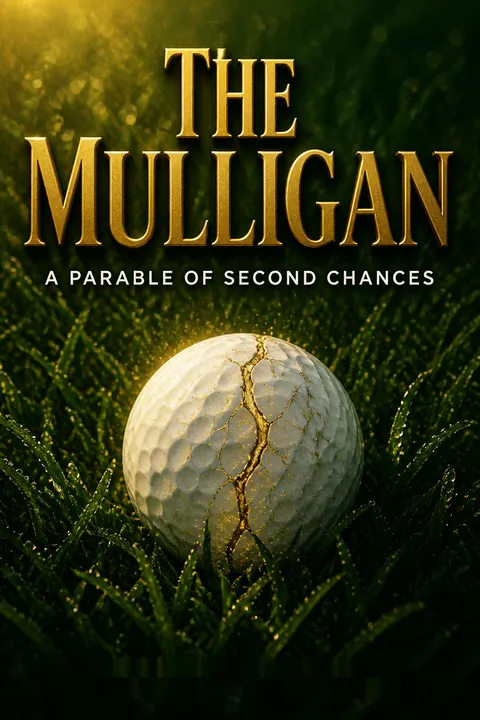

Key Takeaways
1. Life and golf share the same fundamental rules (Game Of Life First)
My father always taught me that life and golf have a lot in common. In fact, Dad used to say that golf spells Game Of Life First.
The ultimate metaphor. Golf serves as a mirror for how we navigate our daily existence, exposing our deepest insecurities, frustrations, and coping mechanisms. The game forces us to confront unpredictable breaks—both good and bad—under intense pressure, mimicking the chaotic and uncontrollable nature of life itself.
Simplifying the rules. The Old Pro simplifies both golf and life into three core principles that prioritize respect, flow, and connection over rigid perfectionism:
- Rule 1: Do not hurt anyone with your actions, words, or equipment.
- Rule 2: Do not hold anyone up, keeping a healthy pace and respecting others' time.
- Rule 3: Do not ruin the environment or the relationships around you.
Shifting the focus. When we view golf and life through this relational lens, we stop obsessing over mechanical perfection. We begin to appreciate the journey, transforming a stressful pursuit of achievement into a meaningful, highly enjoyable adventure.
2. Your self-worth is secure and independent of your performance
I believe if you want to be good at golf and life, you have to stop putting your self-worth up for grabs based on your performance or the opinions of others.
The performance trap. Many high-achievers fall into the trap of tying their identity and self-esteem to their latest scorecard, business deal, or social approval. This creates an unstable emotional roller coaster, where a single mistake can trigger intense anger, self-sabotage, and relational damage.
Unconditional value. True peace comes from realizing that your value is inherent and secure, completely detached from external metrics. The Old Pro teaches that we are unconditionally loved by a Creator who does not make mistakes:
- Performance is variable, but your identity is constant.
- External applause is fleeting and highly unreliable.
- Self-worth must be anchored in something unchanging.
Freedom to fail. When you secure your self-worth outside of your achievements, you gain the freedom to play and live without fear. You can laugh at your mistakes, learn from your bad days, and perform with genuine confidence.
3. True success is built on relationships, not achievements
Son, life is all about relationships. We have to get to know each other.
The isolation of drive. A singular focus on winning and getting ahead often leaves a trail of broken relationships and profound loneliness. Paul McAllister achieved immense financial wealth but lost his marriage and became entirely estranged from his son, Jake.
Relational wealth. The Old Pro challenges us to measure our lives not by what we accumulate, but by the depth of our connections. True success is found in slowing down to notice, appreciate, and invest in the people around us:
- Shifting from a "human doing" to a "human being."
- Actively listening to others instead of trying to impress them.
- Prioritizing reconciliation and presence over professional status.
Healing the past. Rebuilding broken relationships requires humility, vulnerability, and the courage to ask for forgiveness. By choosing to prioritize his son over his schedule, Paul unlocked a level of joy that business success could never provide.
4. Enter your day slowly to anchor your inner self
The problem is that we all have two selves: an inner self that is thoughtful, reflective, and a good listener; and an outer, task-oriented self that is focused on achieving and getting things done.
The morning rush. Most people start their day by immediately activating their task-oriented, high-stress outer self, reacting to alarms and digital demands. This chaotic launch sets a frantic tone for the rest of the day, leaving the reflective inner self completely ignored.
A deliberate transition. The Old Pro advocates for entering your day slowly, creating a buffer of quiet and solitude before engaging with the world. This intentional preparation mirrors the warm-up routine of a great golfer:
- Wake up your "opportunity clock" with gratitude.
- Spend time in quiet reflection, stretching, and prayer.
- Read inspirational texts to align your mind with timeless truths.
- Lay down your daily anxieties before stepping onto the "course."
Sustained inner peace. By anchoring your inner self first thing in the morning, you build a reservoir of calm that protects you from daily crises. You transition from reacting to circumstances to intentionally directing your life.
5. Set your own par to measure realistic personal growth
It does not make sense for you to play against the course par of seventy-two unless you are a pro. As a result, I’ve developed a goal-setting system designed to help people compete against their own par.
The comparison trap. Comparing ourselves to elite standards or the achievements of others often leads to frustration, despair, and a sense of constant failure. In both golf and life, trying to play to a standard designed for professionals is a recipe for misery.
Personalized goal-setting. Setting your own "par" involves brutal honesty about your current abilities and designing realistic, incremental goals. This psychological shift transforms how you perceive your progress:
- Establish a personal baseline rather than accepting an arbitrary standard.
- Celebrate "birdies" based on your own realistic targets.
- Reduce the emotional sting of mistakes by adjusting expectations.
Strategic confidence. When you compete only against your own par, you play with strategy rather than ego. You make smarter decisions, avoid unnecessary risks, and build the steady confidence needed to gradually lower your scores over time.
6. Forgiveness is love in action, offering a true second chance
Forgiveness is love in action. God has given you a mulligan. He will walk with you and strengthen you as you and your son learn to accept and encourage each other.
The weight of regret. Carrying the burden of past mistakes, resentment, and unforgiven hurts paralyzes our ability to grow. Paul harbored deep anger toward his deceased, alcoholic father, which unconsciously poisoned his relationship with his own son.
The power of the mulligan. A mulligan is the ultimate symbol of grace—an unearned second chance to correct a mistake without penalty. Extending and receiving mulligans in our daily lives allows us to break free from the chains of the past:
- Forgiving those who have abandoned or disappointed us.
- Forgiving ourselves for our own failures and shortcomings.
- Offering unconditional second chances to the people we love.
Restoring the future. Forgiveness does not erase the past, but it completely changes our relationship to it. By accepting his own need for a second chance, Paul was finally able to extend grace to his son, breaking a multi-generational cycle of pain.
7. The Ultimate Mulligan is a gift of grace, not an earned achievement
The striking thing about genuine faith is that the Lord sent his Son down to earth to make up the difference between our score and a hundred. That’s what grace and forgiveness are all about. It’s the Ultimate Mulligan.
The perfection standard. On a scale of one to one hundred, divine perfection requires a flawless score of one hundred—a standard that no human being can ever achieve on their own. Our ego desperately wants to believe we can earn our way to perfection through hard work and good deeds.
Unearned grace. The Ultimate Mulligan is the realization that we don't have to play a perfect round because someone else already did. Jesus played the perfect round and freely offers us his signed scorecard:
- Grace is a gift to be accepted, not a prize to be won.
- It bridges the gap between our imperfect score and perfection.
- It eliminates the need to constantly prove our worth.
Surrendering control. Accepting this gift requires the ultimate act of humility: admitting that we cannot make it on our own. When we surrender our need for control, we receive eternal security and a fresh start.
8. Life is a team sport meant to be played with a trusted caddy
Originally golf was meant to be played as a two-man team: the player and his caddy... The player had to trust the caddy with his total game.
The myth of self-reliance. Modern culture celebrates the self-made individual who navigates life entirely alone. However, playing the game of life in isolation leads to blind spots, poor decision-making, and eventual exhaustion.
The role of the caddy. A great caddy knows the course, understands your strengths and weaknesses, and guides you through blind shots. In the game of life, Jesus acts as our ultimate caddy, offering constant support and direction:
- He carries our heavy burdens so we can walk freely.
- He advises us on which "club" to use in difficult situations.
- He helps us navigate the hazards and stay on the fairway.
A collaborative journey. Walking the course with a trusted caddy transforms our daily decisions into a collaborative partnership. We no longer have to face the challenges of the course alone; we simply trust our guide and swing.
9. Adopt a NATO attitude to free yourself from the fear of failure
Some of the best amateur golfers I’ve worked with develop a NATO attitude toward golf... It stands for Not Attached To Outcome.
The paralysis of expectation. When we are overly attached to the outcome of our efforts, fear and anxiety take over our minds. This tension ruins our natural swing on the golf course and causes us to make defensive, fear-based decisions in our careers and relationships.
The 1-2-3 process. To cultivate a NATO attitude, the Old Pro teaches a simple, three-step process that focuses entirely on the present moment rather than the final result:
-
- Visualize: Go to the movies and see yourself executing the shot perfectly.
-
- Practice: Take a practice swing to feel the movement in your muscles.
-
- Commit: Step up to the ball, trust your preparation, and let it go.
Trusting the process. By focusing on execution rather than consequences, you eliminate the mental clutter of "don't" thinking. You allow your natural talents to flow, resulting in better performance and a much more enjoyable journey.
10. Pass the legacy of the "Old Pro" by mentoring others
I want you to know that I am available to help others learn about who you are and the mulligan you offer that can change their lives.
The cycle of mentorship. The wisdom we receive is not meant to be hoarded; it is meant to be passed down to the next generation. Paul’s transformation was made complete when he stepped into the rocking chair of the Old Pro to mentor young Tim.
Becoming an Old Pro. You do not need to be perfect or have a single-digit handicap to make a profound difference in someone else's life. Mentorship is simply about being a caring friend who is willing to walk beside someone:
- Sharing your own vulnerabilities and mistakes honestly.
- Listening without judgment and offering encouragement.
- Pointing others toward the source of ultimate grace.
A lasting legacy. When we invest in others, we ensure that the lessons of second chances, forgiveness, and love continue to ripple through the world. True success is ultimately measured by the lives we touch and the hope we leave behind.
Review Summary
The Mulligan receives mostly positive reviews, with readers praising its inspirational message about golf, life, and faith. Many appreciate the book's insights on achieving golf and life goals, as well as its emphasis on second chances. Some readers find the parable-style storytelling simplistic but effective. The book is described as a quick, enjoyable read with valuable lessons for both golfers and non-golfers alike. A few reviewers note the strong religious themes, while others mention the book's predictability but still recommend it overall.
People Also Read









FAQ
What's "The Mulligan: A Parable of Second Chances" about?
- Story Overview: "The Mulligan" is a parable that uses the game of golf as a metaphor for life, focusing on themes of second chances, forgiveness, and personal growth.
- Main Characters: The story follows Paul McAllister, a driven executive whose life is transformed through his interactions with the Old Pro, Willie Dunn, who teaches him about the importance of relationships and spiritual growth.
- Golf as a Metaphor: Golf is used to illustrate life's challenges and the concept of a "mulligan" as a second chance, both in the game and in life.
- Spiritual Journey: The book explores Paul's journey towards understanding and accepting God's grace, ultimately leading to a deeper relationship with Jesus.
Why should I read "The Mulligan: A Parable of Second Chances"?
- Life Lessons: The book offers valuable insights into personal growth, the importance of relationships, and the power of forgiveness.
- Spiritual Growth: It provides a unique perspective on spirituality, encouraging readers to explore their relationship with God and the concept of grace.
- Relatable Story: Through the character of Paul, readers can see reflections of their own struggles and the possibility of transformation.
- Inspiration and Motivation: The story is designed to inspire readers to seek second chances in their own lives and to approach challenges with a renewed mindset.
What are the key takeaways of "The Mulligan: A Parable of Second Chances"?
- Second Chances: The concept of a "mulligan" symbolizes the opportunity for a fresh start, both in golf and in life.
- Importance of Relationships: The book emphasizes that life is about building and nurturing relationships, which are more important than personal achievements.
- Spiritual Connection: It highlights the significance of having a relationship with God and accepting Jesus as a guide and friend.
- Personal Transformation: Through self-reflection and spiritual growth, individuals can overcome past mistakes and lead a more fulfilling life.
How does "The Mulligan" use golf as a metaphor for life?
- Game of Life First: The book suggests that mastering life is akin to mastering golf, where both require patience, practice, and the ability to handle success and failure.
- Mulligan Concept: Just as golfers can take a mulligan to redo a bad shot, people can seek forgiveness and start anew in life.
- Focus and Strategy: Golf teaches the importance of focusing on the present shot and strategizing for the future, paralleling life's need for planning and adaptability.
- Caddy as a Guide: The role of a caddy in golf is likened to having Jesus as a guide in life, offering support and direction.
What is the significance of the "Ultimate Mulligan" in the book?
- Ultimate Mulligan Defined: The "Ultimate Mulligan" refers to God's grace and forgiveness, offering a fresh start and eternal life through Jesus.
- Spiritual Renewal: It represents the opportunity for spiritual renewal and a deeper relationship with God, beyond just correcting past mistakes.
- Acceptance and Faith: Accepting the Ultimate Mulligan requires faith and the willingness to let go of control, trusting in God's plan.
- Life Transformation: Embracing this concept leads to a transformed life, where one's self-worth is not tied to performance or others' opinions.
Who are the main characters in "The Mulligan" and what are their roles?
- Paul McAllister: A successful but unfulfilled executive who learns about second chances and spiritual growth through golf.
- Willie Dunn (The Old Pro): A wise mentor who guides Paul in understanding the deeper meanings of life and faith.
- Davis Love III: A professional golfer who introduces Paul to the Old Pro, setting him on a path of transformation.
- Jake McAllister: Paul's son, whose relationship with his father is strained but eventually healed through the lessons Paul learns.
What are the best quotes from "The Mulligan" and what do they mean?
- "Life is all about relationships." This quote emphasizes the book's central theme that personal connections are more important than achievements.
- "God is only one conversation away." It highlights the accessibility of a relationship with God and the importance of prayer and communication.
- "The Course Less Played." This metaphor suggests choosing a life path aligned with God's will, which may be less traveled but more fulfilling.
- "Forgiveness is love in action." It underscores the power of forgiveness as a transformative force in relationships and personal growth.
How does "The Mulligan" address the concept of self-worth?
- Beyond Performance: The book teaches that self-worth should not be based on achievements or others' opinions but on inherent value and God's love.
- Secure in God's Love: It emphasizes that one's value is secure in God's unconditional love, independent of life's ups and downs.
- Freedom from Judgment: By accepting God's grace, individuals can free themselves from self-criticism and judgment, leading to a more peaceful life.
- Focus on Growth: The narrative encourages focusing on personal and spiritual growth rather than external validation.
What advice does "The Mulligan" offer for starting the day?
- Enter Slowly: The book suggests starting the day with quiet reflection, prayer, and stretching to prepare mentally and physically.
- Visualization: Visualizing a successful and fulfilling day can set a positive tone and focus for the hours ahead.
- Spiritual Connection: Engaging in a conversation with God and reading the Bible can provide guidance and strength for the day.
- Exercise and Reflection: Incorporating exercise and reflection into the morning routine can enhance well-being and clarity.
How does "The Mulligan" depict the relationship between Paul and his son Jake?
- Strained Relationship: Initially, Paul and Jake have a distant relationship due to Paul's focus on work and personal achievements.
- Opportunity for Healing: The book shows how Paul's journey towards understanding and accepting second chances leads to healing with Jake.
- Father-Son Bond: Through forgiveness and open communication, Paul and Jake rebuild their relationship, highlighting the power of love and grace.
- Role of Faith: Paul's newfound faith and acceptance of the Ultimate Mulligan play a crucial role in mending their bond.
What role does the Old Pro play in Paul's transformation in "The Mulligan"?
- Mentor and Guide: The Old Pro serves as a mentor, teaching Paul about life, relationships, and spirituality through the lens of golf.
- Catalyst for Change: His wisdom and guidance help Paul reflect on his life choices and embrace the concept of second chances.
- Spiritual Influence: The Old Pro introduces Paul to the idea of a personal relationship with Jesus, leading to Paul's spiritual awakening.
- Symbol of Wisdom: He embodies the qualities of patience, understanding, and unconditional love, inspiring Paul to adopt these traits.
How does "The Mulligan" explore the theme of forgiveness?
- Central Theme: Forgiveness is a recurring theme, depicted as essential for personal growth and healing relationships.
- Mulligan as Forgiveness: The concept of a mulligan symbolizes the act of forgiving oneself and others, allowing for new beginnings.
- Divine Forgiveness: The book emphasizes God's forgiveness through Jesus, offering the Ultimate Mulligan for all past mistakes.
- Impact on Relationships: Forgiveness is shown to transform relationships, as seen in Paul's reconciliation with his son and others.
About the Author
Other books by Kenneth H. Blanchard




Download PDF
Download EPUB
.epub digital book format is ideal for reading ebooks on phones, tablets, and e-readers.








































