

Plot Summary
Orphaned and Unwanted
Layla—later known as Blake—loses her parents in a violent tragedy, leaving her adrift in a cold, impersonal group home. The trauma of abandonment and the whispers about her family's dark end haunt her every step. She clings to a teddy bear and the hope that someone, anyone, will want her. The group home is a place of echoing footsteps and faded photographs, a liminal space between childhood and the unknown. In her panic and grief, she flees into the night, only to be found by a boy with wild black hair and kind green eyes. Ari, a little older and already marked by hardship, becomes her lifeline. In that moment, a bond forms—one that will shape both their destinies, even as fate tears them apart.
The Boy Who Stayed
Ari, himself a survivor of abandonment, recognizes Blake's pain and offers her comfort without pity. Their friendship is forged in the crucible of shared loneliness and trauma. Ari's presence is a balm, his confidence and humor a shield against the world's indifference. For a brief, golden time, they are each other's solace. But the world is not kind to children like them. When Blake is adopted by the wealthy Shepfields, she is ripped from Ari's side. He is left behind, clutching memories and a promise to find her again. Their separation is a wound that never fully heals, setting Ari on a path of longing and obsession that will define his future.
Perfection's Prison
Blake's new life with the Shepfields is one of luxury and suffocation. Her adoptive mother, Maura, demands flawlessness in every detail—appearance, manners, even thoughts. Blake is molded into a living accessory, her true self buried beneath layers of expectation and self-loathing. Modeling becomes both an escape and a new prison, amplifying her insecurities and eating disorder. Her boyfriend, Clark, is the perfect match on paper: successful, attentive, and safe. But Blake's heart is numb, her sense of self eroded by years of conditional love. She is haunted by the belief that she is fundamentally unlovable, a disappointment destined to be alone.
The Wrong Proposal
At a glittering gala, Clark proposes to Blake in front of a crowd. The moment, meant to be a fairy tale, becomes a nightmare. Blake is paralyzed by the weight of expectation and the realization that this life—Clark, the Shepfields, the endless performance—is not her own. She refuses him, shattering the carefully constructed facade. The fallout is swift and brutal: Clark is devastated, Maura is furious, and Blake is cast adrift. Yet, in her pain, she feels a flicker of hope. For the first time, she has chosen herself, even if she doesn't know what comes next.
The Hockey Star Returns
Ari Lancaster, now a star defenseman, leaves his championship team in Dallas for a trade to the L.A. Cobras. His reason is secret and singular: he has seen Blake's face on a billboard and knows she is in L.A. His obsession is both romantic and unsettling—he will do anything to find her again. Ari's arrival in L.A. is met with skepticism and rivalry, especially from teammate Soto. Yet Ari's charisma and skill quickly make him indispensable. Beneath the bravado, he is driven by a desperate need to reclaim the girl he lost, convinced that their destinies are entwined.
Fate at Franco's
Blake, now working as a waitress after her modeling career stalls, serves Ari at Franco's. The attraction is instant and electric, but neither recognizes the other at first. Ari is captivated, his obsession reignited; Blake is drawn to him despite herself. Ari's pursuit is relentless—he manipulates her phone, blocks Clark, and installs tracking software, all under the guise of fate. Blake is both flattered and unsettled by his intensity. Their banter is playful, their chemistry undeniable, but shadows of the past and present threaten to pull them apart before they can begin.
Obsession and Sabotage
Ari's actions cross lines: he sabotages Blake's relationship with Clark, orchestrates Clark's arrest, and inserts himself into every aspect of her life. His devotion is absolute, but it borders on stalking. Blake, struggling with her own demons—self-harm, disordered eating, and trauma—finds Ari's attention both healing and overwhelming. Their connection deepens as Ari becomes her confidant and protector, but the power imbalance is palpable. Ari's willingness to manipulate reality for Blake's affection raises questions about consent and agency, even as he insists he would do anything to keep her.
The Game of Temptation
Blake is swept into Ari's world of hockey, fame, and camaraderie. She is introduced to his friends, including the golden-hearted Lincoln and the charming Walker. The team becomes a surrogate family, offering Blake a sense of belonging she has never known. Yet temptation simmers beneath the surface. Ari's pursuit is relentless, and Blake's resistance crumbles. Their first kiss is a revelation, igniting a passion that neither can deny. But guilt gnaws at Blake—she is still with Clark, and the echoes of her mother's infidelity haunt her. The line between right and wrong blurs as desire takes hold.
Breaking the Rules
The tension between Blake and Ari erupts at a Halloween party, where masked identities and alcohol lower inhibitions. In a moment of reckless abandon, Blake gives in to Ari, crossing the point of no return. Their encounter is raw, consuming, and transformative. Yet the aftermath is fraught with shame and self-recrimination. Blake is tormented by the belief that she is repeating her mother's mistakes, that she is unworthy of love. Ari, for his part, is unapologetic—he claims her as his own, insisting that their connection transcends morality. Their love is both salvation and damnation, a force that threatens to consume them both.
The Locker Room Kiss
As Blake's relationship with Clark unravels, Ari's past comes to light. He reveals their shared history, the childhood bond that has haunted him for years. The revelation is both a balm and a wound—Blake is overwhelmed by the depth of Ari's devotion, but also by the realization that her life has been shaped by forces beyond her control. The couple's intimacy deepens, but so do the challenges. Ari's possessiveness, Blake's self-destructive tendencies, and the interference of jealous friends and family threaten to tear them apart. Yet, in each other's arms, they find a fleeting sense of peace.
The Past Comes Knocking
The ghosts of Blake's past return with a vengeance. Maura resurfaces, wielding her power and cruelty to undermine Blake's fragile happiness. Clark, unable to let go, becomes a source of tension and danger. Ari's own traumas—his years in group homes, his struggles with abandonment—bubble to the surface. The couple is tested by external pressures and internal doubts. Blake's mental health deteriorates, leading to a crisis that forces both to confront the darkness within. Ari's love is unwavering, but even he cannot save Blake from herself. Only she can choose to heal.
The Spiral and the Rescue
Blake spirals into self-harm and despair, her pain manifesting in old, destructive habits. Ari intervenes, offering himself as a vessel for her suffering, literally carving her pain into his own skin. The gesture is both romantic and disturbing, a testament to the extremity of their bond. Blake begins to see that healing must come from within, that love cannot be a substitute for self-acceptance. With therapy and Ari's support, she starts to reclaim her agency, confronting the lies she has believed about herself. Their relationship, once built on obsession and rescue, begins to evolve into something more balanced and real.
Besties and Boundaries
As Blake integrates into Ari's world, she forms connections with his friends—Lincoln, Monroe, and Walker—each with their own quirks and histories. The camaraderie of the team offers a sense of belonging, but also new challenges. Rivalries flare, secrets are shared, and boundaries are tested. Blake learns to assert herself, to demand respect and honesty from those around her. Ari, too, is forced to confront his own flaws, learning that love is not possession. Together, they navigate the messy, beautiful reality of chosen family, finding strength in vulnerability and laughter in the face of adversity.
The Halloween Unmasking
At a pivotal Halloween party, identities are unmasked—literally and figuratively. Blake and Ari's relationship is exposed to the world, forcing them to confront the consequences of their choices. The public nature of their love brings both scrutiny and support, as friends and enemies alike weigh in. The couple must decide whether to hide or to stand together, embracing the messiness of their truth. In the crucible of public opinion, they discover that authenticity is both terrifying and liberating. Their love, once a secret, becomes a declaration.
The Taste of Forever
In a drunken whirlwind, Ari and Blake marry in Vegas—a decision that is both impulsive and inevitable. The aftermath is chaotic: Blake is furious at Ari's manipulation, and the couple teeters on the brink of collapse. Yet, through pain and confrontation, they find a path to forgiveness. Ari's grand gestures are matched by Blake's newfound strength. Together, they dismantle the lies and fears that have kept them apart. Their marriage, once a symbol of control, becomes a testament to choice. They choose each other, again and again, in the face of doubt and adversity.
The Vegas Mistake
The fallout from their impulsive marriage forces Blake and Ari to confront their deepest fears. Blake, feeling trapped and betrayed, demands a divorce. Ari, devastated but resolute, gives her space—while orchestrating events behind the scenes to ensure she cannot truly leave. In their time apart, both are forced to reckon with their own identities. Blake begins therapy, confronts her eating disorder, and learns to see herself as worthy of love. Ari, for the first time, considers what it means to let go. Their separation is a crucible, burning away illusions and leaving only what is real.
The Divorce Ultimatum
As the divorce looms, both Blake and Ari are forced to make a choice. Blake, empowered by her healing, realizes that she cannot live without Ari—not because she needs him to save her, but because she wants to share her life with him. Ari, having orchestrated every detail to keep her close, finally surrenders control, trusting that love cannot be forced. In a moment of clarity, Blake rejects the divorce, racing to find Ari before he leaves for Dallas. Their reunion is cathartic, a testament to the power of forgiveness and the resilience of the human heart.
The Mirror and the Truth
In the aftermath of their reunion, Blake and Ari build a life rooted in honesty, vulnerability, and mutual respect. Blake continues her journey of self-acceptance, learning to silence the voices of shame and self-doubt. Ari, too, grows—his love no longer a cage, but a sanctuary. Together, they face the challenges of fame, family, and the scars of the past. Their love is imperfect, messy, and hard-won—but it is real. In each other, they find not just passion, but peace. The story ends not with a fairy tale, but with the promise of a future built on truth.
Analysis
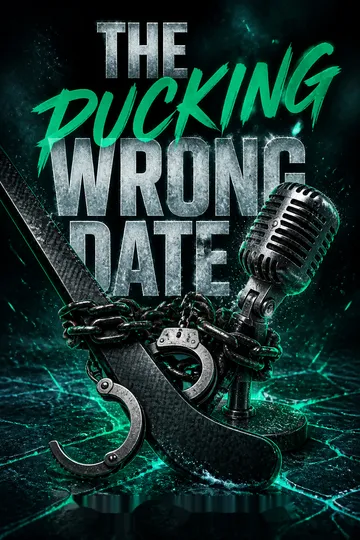
A dark romance about healing, agency, and the messy reality of loveThe Pucking Wrong Guy is a provocative exploration of trauma, obsession, and the search for belonging. It subverts the traditional romance narrative by foregrounding the psychological scars of its protagonists and refusing to offer easy answers. Ari and Blake's relationship is both a lifeline and a crucible, forcing each to confront the darkness within themselves and each other. The novel interrogates the ethics of love that crosses boundaries—raising uncomfortable questions about consent, control, and the limits of devotion. Yet, it is also a story of hope: of the possibility of healing, the power of chosen family, and the courage it takes to choose oneself. In a world that demands perfection, The Pucking Wrong Guy insists that true love is found not in the absence of flaws, but in the willingness to face them together. The book's ultimate message is that happiness is not something given or taken, but something fought for—again and again, in the face of fear, shame, and the ghosts of the past.
Review Summary
The Pucking Wrong Guy receives mixed reviews, with ratings ranging from 1 to 5 stars. Many readers enjoy the unhinged, obsessive hero Ari and his relationship with Blake. The book is praised for its humor, steamy scenes, and addressing mental health issues. However, some readers find the dialogue juvenile and the handling of sensitive topics problematic. Critics point out issues with character development and plot consistency. Despite the polarizing opinions, fans of the series eagerly anticipate the next installment.
People Also Read





Characters
Blake (Layla) Shepfield
Blake is a woman forged in trauma—her childhood marked by the violent loss of her parents and years in the foster system. Adopted by the Shepfields, she is thrust into a world of privilege that demands perfection and erases her true self. Her struggles with self-worth, eating disorders, and self-harm are both a response to and a rebellion against the impossible standards imposed on her. Blake's journey is one of reclaiming agency: learning to choose herself, to accept love, and to believe in her own worth. Her relationship with Ari is both a lifeline and a crucible, forcing her to confront the darkest parts of herself. Through therapy, friendship, and hard-won self-acceptance, Blake transforms from a passive victim to an active participant in her own life, ultimately choosing love not as a rescue, but as a partnership.
Ari Lancaster
Ari is a study in contradictions: charming and magnetic on the surface, but driven by a deep, almost pathological need for connection. Abandoned as a child, he grows up in group homes and on the streets, learning to survive through wit, humor, and sheer will. His love for Blake is absolute—bordering on obsession—and he will stop at nothing to reclaim her. Ari's actions blur the line between devotion and control; he manipulates, sabotages, and even stalks in the name of love. Yet, beneath the bravado, he is deeply vulnerable, terrified of abandonment and desperate to be chosen. His journey is one of learning to let go, to trust, and to love without possession. In Blake, he finds not just a soulmate, but a mirror for his own wounds—and, ultimately, a path to healing.
Clark
Clark is the embodiment of safety and stability—a successful, attentive partner who offers Blake a life free from chaos. Yet, his love is conditional, rooted in obligation and guilt rather than genuine connection. Clark's inability to see Blake for who she truly is, combined with his own need for control, makes him both a comfort and a cage. His devastation at Blake's rejection is real, but his attempts to win her back are ultimately self-serving. Clark represents the allure of the familiar, the temptation to settle for less than what one truly desires. His presence in the story forces Blake to confront her own patterns of self-sacrifice and to choose a love that is both passionate and free.
Maura Shepfield
Maura is the architect of Blake's prison—a woman obsessed with appearances and control. Her love is transactional, her approval always just out of reach. Maura's cruelty is subtle but devastating, eroding Blake's sense of self and fueling her self-destructive behaviors. She is both a product and a perpetuator of generational trauma, unable to see her adopted daughter as anything but a reflection of her own ambitions. Maura's eventual downfall is a testament to the power of truth and the resilience of those she sought to break.
Lincoln Daniels
Lincoln is Ari's confidant and partner-in-crime, offering both comic relief and genuine wisdom. His own love story with Monroe mirrors and contrasts Ari and Blake's, providing a model of healthy, supportive partnership. Lincoln's unwavering loyalty and willingness to challenge Ari's excesses make him an essential anchor in the narrative. He represents the possibility of redemption, the idea that even the most damaged among us can find love and belonging.
Walker Davis
Walker is the heart of the hockey team—a goalie with a Disney-prince exterior and a core of quiet strength. His friendship with Ari and Lincoln provides a sense of stability and camaraderie, offering Blake a glimpse of what true support looks like. Walker's own journey toward love and self-acceptance is a subplot that enriches the main narrative, highlighting the importance of found family and the healing power of friendship.
Soto
Soto is the embodiment of toxic masculinity—a teammate whose jealousy and aggression threaten to undermine both Ari's career and his relationship with Blake. His actions serve as a foil to Ari's, highlighting the fine line between passion and violence. Soto's eventual downfall is a cautionary tale, a reminder that unchecked ego and resentment can destroy not just oneself, but those around you.
Charlotte
Charlotte is both a source of support and a trigger for Blake, embodying the complexities of female friendship in a competitive, image-obsessed world. Her own struggles with self-worth and validation mirror Blake's, but her choices often exacerbate rather than alleviate the tension. Charlotte's presence forces Blake to confront her own boundaries and to choose relationships that nurture rather than drain her.
Monroe
Monroe, Lincoln's partner, is a survivor of her own traumas, offering Blake a model of resilience and hope. Her kindness and understanding provide a safe space for Blake to explore her own healing. Monroe's relationship with Lincoln is a testament to the possibility of love after pain, and her friendship with Blake is a lifeline in moments of darkness.
The Shepfields (Thomas and Maura)
The Shepfields represent the seductive but ultimately hollow promise of wealth and status. Their inability to love Blake for who she is, their obsession with appearances, and their willingness to discard her when she no longer serves their purposes are a stark contrast to the messy, imperfect love she finds with Ari. Their eventual exposure and downfall are a cathartic reckoning, a reminder that true belonging cannot be bought or forced.
Plot Devices
Obsession as Destiny
The narrative is driven by the idea that some connections are inevitable, that soulmates will find each other no matter the obstacles. Ari's obsession with Blake is both romantic and unsettling, blurring the line between devotion and control. The story interrogates the ethics of "doing anything for love," forcing readers to question where the line lies between passion and possession. This device is used to heighten tension, create moral ambiguity, and explore the complexities of trauma bonding.
Dual Narration and Flashbacks
The story alternates between Blake and Ari's points of view, offering insight into their inner worlds and motivations. Flashbacks to their childhood bond provide context for their present-day actions, deepening the emotional resonance and highlighting the long shadow of trauma. This structure allows for dramatic irony, as readers are often privy to information that the characters themselves do not yet know.
Sabotage and Manipulation
Ari's sabotage of Blake's relationship with Clark, his manipulation of her phone and social media, and his orchestration of events behind the scenes serve as external manifestations of the characters' internal struggles. These plot devices raise questions about agency, consent, and the ethics of intervention. They also create suspense and propel the narrative forward, as each new revelation forces the characters to confront uncomfortable truths.
Symbolism of Mirrors and Scars
Mirrors and scars recur throughout the narrative as symbols of self-perception and healing. Blake's struggle to see herself as worthy is mirrored in her physical scars and her obsession with her reflection. Ari's willingness to bear her pain—literally carving her name into his skin—serves as both a romantic gesture and a commentary on the dangers of codependency. These symbols are used to explore themes of self-acceptance, vulnerability, and the possibility of transformation.
Found Family and Team Dynamics
The hockey team, with its rituals, rivalries, and camaraderie, serves as a surrogate family for both Ari and Blake. The dynamics of friendship, loyalty, and competition provide a backdrop for the central romance, offering moments of levity and support. The found family trope is used to highlight the importance of chosen relationships in the healing process, contrasting with the conditional love of biological and adoptive families.
Public vs. Private Identity
The tension between public persona and private self is a recurring motif. Blake's life as a model, Ari's status as a hockey star, and the scrutiny of the media all force the characters to navigate the gap between appearance and reality. The story uses public events—galas, games, parties—as crucibles in which private truths are revealed and tested. This device underscores the difficulty of authenticity in a world obsessed with image.
FAQ
1. What is The Pucking Wrong Guy by C.R. Jane about?
- Dark romance with hockey backdrop: The novel centers on the intense, passionate, and complicated relationship between Ari Lancaster, a professional hockey player, and Blake Shepfield, a model with a traumatic past.
- Themes of obsession and healing: It explores themes of soulmates, obsession, trauma, redemption, and the power of love to heal deep wounds.
- Plot highlights: The story unfolds in the high-stakes world of professional ice hockey, featuring emotional struggles, possessiveness, public scrutiny, and the journey from self-loathing to self-acceptance.
2. Who are the main characters in The Pucking Wrong Guy by C.R. Jane and what are their backgrounds?
- Ari Lancaster: A tattooed, fiercely protective hockey star with a troubled childhood spent in group homes and on the streets, whose devotion to Blake borders on obsession.
- Blake Shepfield: A model and waitress with a history of trauma, including the loss of her parents, time in a group home, and adoption by controlling socialites, struggling with self-worth and mental health.
- Supporting cast: Includes Ari’s best friends and teammates (Lincoln, Monroe, Walker Davis), Blake’s roommate Charlotte, her ex Clark, and her antagonistic adoptive family, the Shepfields.
3. What are the key themes and content warnings in The Pucking Wrong Guy by C.R. Jane?
- Dark and mature content: The book deals with stalking, manipulation, obsessive love, sexual content, and trauma.
- Mental health struggles: It portrays self-harm, eating disorders, panic attacks, and grief with sensitivity and realism.
- Trigger warnings: Includes abuse, cheating (not between main characters), and controlling behaviors; the author clarifies the story is fantasy, not a relationship model.
4. How does the relationship between Ari and Blake develop in The Pucking Wrong Guy by C.R. Jane?
- From strangers to soulmates: Ari recognizes Blake from their shared past and pursues her relentlessly, despite her initial resistance and existing relationship.
- Obsession and emotional healing: Ari’s possessiveness is intense, but he is also deeply caring, helping Blake confront her trauma and insecurities.
- Physical and emotional intimacy: Their relationship is marked by passionate, explicit scenes and a dynamic that balances tenderness with control.
5. How does The Pucking Wrong Guy by C.R. Jane portray mental health issues like self-harm and eating disorders?
- Realistic and sensitive depiction: Blake’s struggles with self-harm and an eating disorder are shown with depth, honesty, and without glamorization.
- Triggers and coping mechanisms: The narrative includes scenes of panic attacks and destructive behaviors, emphasizing the importance of awareness and support.
- Healing journey: Blake’s progress is gradual, involving therapy, self-acceptance, and Ari’s unwavering support.
6. What role does hockey and the L.A. Cobras team play in The Pucking Wrong Guy by C.R. Jane?
- Vibrant setting: The professional hockey world provides a dynamic backdrop, influencing character interactions and plot developments.
- Team dynamics: Ari’s relationships with teammates, both supportive and antagonistic, add depth and tension to the story.
- Symbolism: Hockey represents Ari’s identity, struggles, and aspirations, as well as themes of teamwork, loyalty, and fighting for love.
7. How does Blake’s past trauma influence her character and decisions in The Pucking Wrong Guy by C.R. Jane?
- Loss and grief: Blake’s parents’ deaths and time in a group home shape her fears, insecurities, and difficulty trusting others.
- Adoption and identity: Her adoptive parents’ strict expectations contribute to her struggles with self-worth and control.
- Impact on relationships: Her trauma makes her vulnerable to manipulation and wary of intimacy, complicating her connections with both Clark and Ari.
8. What is Ari Lancaster’s background and how does it shape his personality in The Pucking Wrong Guy by C.R. Jane?
- Difficult upbringing: Abandoned as a toddler, Ari survived group homes and the streets, developing a fiercely protective and obsessive nature.
- Hockey as salvation: Discovering hockey gave him purpose, discipline, and a way out of his troubled past.
- Devotion to Blake: His longing for Blake is rooted in their shared history and a belief in destiny, fueling his possessiveness and need to keep her close.
9. How does The Pucking Wrong Guy by C.R. Jane explore the theme of soulmates and destiny?
- Soulmate concept: Ari and Blake are depicted as twin halves of the same soul, destined to be together no matter the circumstances.
- Fate and inevitability: Ari’s relentless pursuit is driven by his belief that their connection is preordained and unbreakable.
- Healing through love: Their bond is transformative, helping Blake overcome trauma and self-hatred, and reinforcing the power of love to redeem.
10. What are the major conflicts and challenges faced by Ari and Blake in The Pucking Wrong Guy by C.R. Jane?
- Blake’s traumatic past: Abuse, loss, and mental health struggles create internal and external obstacles.
- Ari’s extreme protectiveness: His controlling actions, such as blocking Blake’s ex and orchestrating events, cause tension and mistrust.
- Public scrutiny and career pressures: Media attention, jealous rivals, and the demands of their careers add stress to their relationship.
- Relationship struggles: Misunderstandings, jealousy, and the controversial Vegas wedding test their bond and force growth.
11. How does The Pucking Wrong Guy by C.R. Jane address the theme of control and consent in relationships?
- Ari’s controlling behavior: His actions, though motivated by love, challenge healthy boundaries and raise questions about consent.
- Blake’s struggle for agency: She grapples with feeling trapped and asserts her needs and boundaries over time.
- Negotiation and growth: The couple’s journey involves learning to balance protectiveness with respect and communication.
- Message on love: Ultimately, the story advocates for love that includes mutual respect, healing, and honest negotiation of boundaries.
12. What are the most memorable quotes from The Pucking Wrong Guy by C.R. Jane and what do they mean?
- “You’re perfect.” Repeated throughout the book, this phrase symbolizes Ari’s unconditional love and Blake’s journey to self-acceptance.
- “We’re soulmates, twin halves of the…Same. Fucking. Soul.” Captures the central theme of destined love and deep connection.
- “Lonely doesn’t exist for us anymore, baby.” Ari’s promise of companionship and healing, offering hope amid trauma.
- “You don’t get to look away from me. I’ve waited too fucking long for this.” Highlights the intensity and urgency of Ari’s devotion.
- “Your pain is not a baggage to endure, baby. It’s an honor for me to help you shoulder it.” Reflects the book’s message about love, support, and healing through partnership.
Pucking Wrong Series




About the Author
Download PDF
Download EPUB
.epub digital book format is ideal for reading ebooks on phones, tablets, and e-readers.








































