
Plot Summary
Awakening in a Broken World
Serenity Lazuli, once queen and now a myth, is awakened from a century-long stasis by rebel soldiers. The world she knew is gone, replaced by endless war and devastation. Her memories are fragmented, and she learns she's been kept in a Sleeper—a device that halts aging and disease—by her husband, the undying King Montes Lazuli. The rebels want her to end the war, seeing her as a symbol of hope, but Serenity is consumed by betrayal and loss. The world outside is scarred, its people desperate, and Serenity's own place in it is uncertain. Her awakening is not a rescue, but a new captivity, and her heart is set on vengeance.
The King's Obsession
King Montes Lazuli, ruler of the East, is tormented by Serenity's absence. His love for her is obsessive, immortal, and destructive. He has kept her preserved for over a century, unable to let her die, unable to let her go. When he discovers she's been taken, his world unravels. Montes's power is absolute, but his heart is his greatest weakness. He is both monster and lover, haunted by the choices that have made him king and the woman who is both his salvation and his doom. The world fears him, but it is Serenity who holds his soul captive.
Prisoners and Pawns
Serenity is passed between factions—rebels, royal guards, and the king himself—each seeing her as a tool for their own ends. She is never truly free, always a prisoner, always a pawn. The rebels want her to inspire revolution; the king wants her as his queen and his heart. Serenity's agency is constantly undermined, her choices stolen by men who claim to love or need her. Yet, beneath her anger, she is cunning and dangerous, determined to reclaim her fate. Her captivity is a crucible, forging her into something more than a symbol—into a weapon.
A Century of Betrayal
Serenity learns the full extent of Montes's betrayal: he put her to sleep to save her from cancer, but also to keep her for himself. A hundred years have passed, and everyone she loved is gone. The world is still at war, and the king has become a legend, both feared and worshipped. Serenity's grief is overwhelming, but her rage is fiercer. She vows to take back her life, even if it means killing the man she once loved. The past is a wound that will not heal, and the future is a battlefield.
Reunion of Monsters
When Serenity and Montes are finally reunited, their meeting is explosive—literally and emotionally. Their love is twisted, born of violence and loss, and their reunion is a storm of passion, anger, and pain. Serenity tries to kill Montes, but cannot; Montes accepts her hatred as the price of loving her. They are both monsters, shaped by war and betrayal, yet drawn together by a bond that defies reason. Their relationship is a dance of power, forgiveness, and vengeance, each wound deepening their connection.
Love and Vengeance
Serenity and Montes's relationship is a paradox: they are each other's greatest love and greatest enemy. Their intimacy is fraught with violence and tenderness, their trust always on the edge of breaking. Serenity cannot forgive Montes, but she cannot stop loving him either. Montes, for his part, is willing to burn the world for her, yet knows he is the cause of her suffering. Together, they plot to end the war, but their alliance is as fragile as their hearts. Love and vengeance are inseparable, and both are necessary for survival.
The Queen's Bargain
Refusing to be anyone's puppet, Serenity strikes a bargain with Montes: she will help him end the war, but on her terms. She demands autonomy, respect, and the chance to shape the future. Montes, changed by loss and age, agrees, giving her a seat at his war council and a voice in his empire. Serenity's campaign becomes a symbol of hope for the people, but also paints a target on her back. She is no longer just a queen or a martyr—she is a leader, and the world is watching.
War Council and New Rules
Serenity and Montes gather their generals and advisors, forging a new plan to end the war. Serenity insists that peace cannot be won by violence alone; it must be built through alliances, diplomacy, and the hearts of the people. She begins a campaign across the East, rallying cities and territories, meeting with leaders and rebels alike. The king's empire is fractured, but Serenity's presence inspires loyalty and revolution. Yet, every step forward is met with danger—assassination attempts, betrayals, and the ever-present threat of the West.
The Queen's Campaign
Serenity's tour of the East is both triumphant and tragic. She wins the love of the people, but every victory comes at a cost. Regional leaders are kidnapped or killed, and the West escalates its attacks. Serenity survives assassination attempts, bombings, and betrayals, her resolve hardening with each loss. The line between savior and destroyer blurs, and she realizes that to win peace, she must become as ruthless as her enemies. Her campaign is a crucible, forging her into the queen the world needs—and the weapon the war demands.
Blood and Revolution
The West strikes back with unprecedented brutality, bombing Serenity's rallies and massacring civilians. The world watches as chaos unfolds, and Serenity becomes both a rallying cry and a target. Montes fights at her side, their love tested by blood and fire. The palace is attacked, and Serenity is forced to make impossible choices. Revolution sweeps the land, and the cost of peace becomes clear: nothing will be spared, not even love. The old world burns, and from its ashes, something new must rise.
The King's Secrets
Serenity uncovers the king's deepest secrets: he has cloned his closest advisor, Marco, and even Serenity herself. The palace is filled with ghosts—doubles, memories, and betrayals. Marco, the clone, becomes both ally and traitor, his loyalties torn between love and vengeance. The king's machinations are revealed, and Serenity realizes that the line between victim and villain is thin. The past cannot be undone, but its lessons are deadly. Every secret is a weapon, and every truth a wound.
The Clone and the Ghost
Serenity confronts the legacy of cloning and the ghosts of those lost to time. The original Marco lies brain-dead in a Sleeper, while his clone navigates a world that is not his own. Serenity's own clone, Trinity, lived and died in her image, a casualty of the king's loneliness. The palace is a mausoleum, filled with reminders of what has been lost and what cannot be reclaimed. Serenity is forced to reckon with her own identity, her place in history, and the cost of immortality.
The Price of Peace
The West offers Serenity a deal: kill Montes, and the war will end. Torn between love and duty, Serenity agrees, plotting with Marco and the West's agents to assassinate the king. The plan is elaborate, requiring deception, sacrifice, and the destruction of everything she and Montes have built. The palace is rigged to explode, and Serenity must play the traitor to save the world. The price of peace is the death of the man she loves—and perhaps her own soul.
The Trojan Queen
Serenity is delivered to the West as a Trojan horse, her apparent betrayal convincing the representatives that victory is theirs. She navigates their traps, endures their threats, and waits for the moment to strike. The West's leadership is corrupt, cruel, and divided, but united in their desire to use Serenity as a symbol and a pawn. She is forced to confront Styx Garcia, the thirteenth representative, whose obsession with her is as dangerous as Montes's love. The stage is set for the final reckoning.
The Palace Burns
The plan is set in motion: the palace is bombed, and Serenity shoots Montes in front of the cameras, delivering his body to the West. In reality, Montes survives, hidden in a Sleeper, while a clone's body is used as evidence. The world believes the king is dead, and Serenity is hailed as both traitor and savior. The cost is immense—lives lost, trust shattered, and Serenity's own heart broken. The palace, symbol of the old world, burns to the ground, and with it, the last vestiges of the past.
Death and Deception
In the aftermath, Serenity is taken to the West, where she faces the representatives and Styx Garcia. The deception is nearly exposed, but the king's plan holds: DNA and dental records confirm the body as Montes's. Serenity is marked for death, but the king and his loyalists launch a final assault. The representatives are killed, Styx is executed, and the West's regime collapses. Montes and Serenity are reunited, their love forged in fire and blood. The world is finally free from tyranny, but the scars remain.
The Undying King
Montes and Serenity emerge from the ruins, battered but alive. Their love has survived betrayal, death, and the end of empires. Together, they free the prisoners of the West, rescue the innocent, and begin the work of rebuilding. The world is leaderless, its old rulers dead or deposed. Montes, once undying, chooses mortality, and Serenity, once a weapon, chooses forgiveness. Their union is no longer a curse, but a promise—a new beginning for a world in need of hope.
The Fall of the West
The West's power is broken, its leaders dead, its people liberated. The Iudicium, symbol of oppression, is destroyed. Montes and Serenity stand before the world, declaring the end of war. The cost has been staggering, but the promise of peace is real. The world is united not by fear, but by the hope of something better. The age of kings and conquerors is over, and a new era begins.
The Last Representative
Styx Garcia, the last and most dangerous representative, confronts Serenity in the dungeons. His obsession is violent and personal, but Serenity refuses to be his victim. Montes arrives in time to save her, executing Styx and ending the last threat to peace. The world is finally free from the men who ruled it through fear and cruelty. Serenity's wounds are tended by the king, and together they prepare to lead the world into a new age.
The End of War
Montes and Serenity stand before the people, bloodied but victorious. They declare the war over, and the world listens. The work of rebuilding begins—healing the land, feeding the hungry, and restoring justice. The scars of the past remain, but hope is stronger. Montes and Serenity, once monsters, are now symbols of redemption. Their love, forged in violence, becomes the foundation of a new world.
Rebuilding the World
The years that follow are filled with struggle and progress. Montes and Serenity work tirelessly to restore order, justice, and prosperity. They dismantle the old systems of oppression, empower new leaders, and ensure that the mistakes of the past are not repeated. Their own family grows, and the world slowly heals. The legacy of war is not forgotten, but it is transformed into a lesson for the future. The world is no longer ruled by fear, but by hope.
Forgiveness and Freedom
Serenity learns to forgive—not just Montes, but herself. The burdens of guilt, loss, and vengeance are heavy, but she chooses freedom. Montes, too, lets go of his immortality, choosing to age and die with Serenity. Their love is no longer a weapon, but a sanctuary. Together, they hand over power to a new generation, ending the age of monarchs. The world is free, and so are they.
Epilogue: Hope Restored
Five years later, Montes and Serenity have a child, and the world is governed by a council of regional leaders. The age of kings is over, and the promise of peace is real. Serenity, once the loneliest girl in the world, is now the woman who fits everywhere. The world is not perfect, but it is healing. Montes and Serenity, monsters no more, are symbols of hope, forgiveness, and the possibility of redemption. The story ends not with war, but with love—and the hope that, after all, serenity can be found.
Analysis
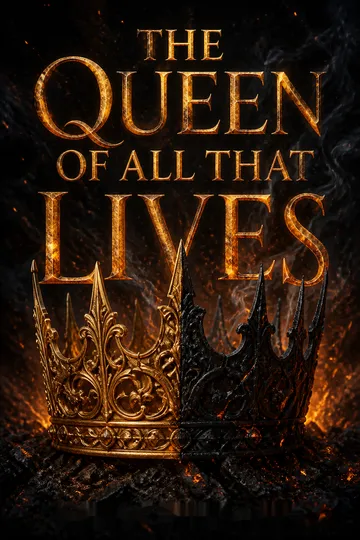
A modern myth of love, power, and redemptionThe Queen of All That Lives is a sweeping, emotionally charged exploration of what it means to survive—and to change—in a world built on violence. At its core, the novel is a meditation on the duality of love and war, the possibility of forgiveness, and the cost of peace. Serenity and Montes are not heroes in the traditional sense; they are deeply flawed, often monstrous, but their willingness to confront their own darkness is what makes them compelling. The story refuses easy answers: peace is not won by purity, but by those willing to bear the weight of their own sins. The use of cloning, immortality, and time displacement allows the narrative to interrogate questions of identity, memory, and the legacy of trauma. Ultimately, the novel argues that redemption is possible—not through denial or erasure of the past, but through the hard work of forgiveness, sacrifice, and hope. The world is remade not by perfect people, but by those who refuse to give up on themselves or each other. In the end, The Queen of All That Lives is a story about the courage to love in the ruins, and the belief that even monsters can find serenity.
Review Summary
The Queen of All that Lives receives mostly positive reviews, with many praising it as a satisfying conclusion to the series. Readers appreciate the character development, intense romance, and action-packed plot. Some criticize repetitive elements and plot holes, while others find the political aspects less engaging. The book is noted for its complex characters, particularly Serenity and Montes, and their evolving relationship. Overall, fans of the series find it a fitting end, though a few feel it doesn't live up to earlier installments.
People Also Read


Characters
Serenity Lazuli
Serenity is the heart of the story—a woman shaped by loss, violence, and betrayal. Once a child of the West, she became queen of the East through forced marriage to her enemy, Montes. Her psyche is a battlefield: she is both victim and weapon, lover and killer. Serenity's journey is one of reclaiming agency, learning to forgive, and transforming pain into power. Her relationship with Montes is fraught with passion and hatred, but ultimately, she chooses love—not as surrender, but as the ultimate act of rebellion. Her arc is one of hard-won hope, and her legacy is a world remade.
Montes Lazuli
Montes is both tyrant and tragic hero. His love for Serenity is obsessive, possessive, and redemptive. He is a man who has lived too long, seen too much, and lost everything but his queen. Montes's psyche is a labyrinth of guilt, longing, and self-destruction. He is capable of great cruelty and great tenderness, and his journey is one of learning to let go—of power, of immortality, and of the woman he cannot live without. In the end, he chooses mortality and forgiveness, becoming the king the world needs, not the one it fears.
Marco (Clone)
Marco is the king's closest advisor, cloned after the original's death. He is haunted by the legacy of his predecessor and by his own love for Serenity's clone, Trinity. Marco's loyalties are torn between Montes, Serenity, and his own quest for meaning. He becomes both ally and traitor, his actions driven by love, loss, and a desire for redemption. Marco's arc is a meditation on identity, loyalty, and the cost of survival in a world without anchors.
Styx Garcia
Styx is the thirteenth representative of the West, leader of the First Free Men, and a mirror of Montes's darkest traits. His obsession with Serenity is violent and personal, and his rise to power is marked by cruelty and cunning. Styx is a symbol of the world's lingering evil—a man who cannot be redeemed, only destroyed. His confrontation with Serenity and Montes is the final test of their strength and unity.
Heinrich Weber
Heinrich is the grand marshal of the king's armies, a man of principle and loyalty. He is one of the few characters who consistently chooses the greater good over personal gain. Heinrich's support is crucial to Serenity's plans, and his willingness to risk everything for peace marks him as a rare beacon of integrity. He is a reminder that even in a world of monsters, good men endure.
Trinity (Serenity's Clone)
Trinity is Serenity's clone, created by Montes in a moment of desperation. Her existence is brief and tragic—she is loved by Marco, neglected by Montes, and ultimately killed by the West. Trinity's fate is a haunting reflection of Serenity's own struggles with identity, agency, and the cost of being a symbol rather than a person.
General Kline
Kline is Serenity's former general and surrogate father. Though dead for decades, his recorded message guides Serenity's choices, urging her to help Montes find peace. Kline represents the wisdom of the past and the burden of unfinished duty. His influence is felt long after his death, shaping the story's moral core.
Collins
Collins is the WUN's chief of security, tasked with managing Serenity's captivity. He is neither villain nor hero, but a man trying to survive in a world of shifting loyalties. Collins's interactions with Serenity reveal the complexities of power, compromise, and the human cost of war.
The Representatives
The twelve (and then thirteen) representatives of the West are the story's primary antagonists—men who rule through fear, exploitation, and violence. Each is responsible for a different atrocity, and together they represent the old world's refusal to die. Their downfall is necessary for peace, but their legacy is a warning: power corrupts, and unchecked authority destroys.
The People
The masses—civilians, soldiers, prisoners—are the backdrop and the stakes of the story. Their suffering is the reason for Serenity's struggle, and their hope is the measure of her success. The people are not passive; their belief in Serenity transforms her from a symbol into a leader. Their loyalty is hard-won, and their freedom is the story's ultimate victory.
Plot Devices
Duality of Love and War
The narrative is built on the tension between love and war, forgiveness and vengeance. Serenity and Montes's relationship embodies this duality: they are each other's greatest love and greatest enemy. The story uses their bond to explore the psychological costs of survival, the possibility of redemption, and the necessity of sacrifice. Love is both weapon and sanctuary, and the line between savior and destroyer is always blurred.
Time Displacement and Immortality
The use of the Sleeper device creates a sense of time displacement—Serenity awakens to a world that has moved on without her, and Montes has lived too long. Immortality is both blessing and curse, allowing characters to survive but also trapping them in cycles of loss and regret. The passage of time is a constant source of tension, shaping identity, memory, and the possibility of change.
Cloning and Identity
Cloning is used to explore questions of identity, agency, and the nature of love. The existence of Marco's clone and Serenity's clone, Trinity, forces characters to confront what makes them unique—and what can never be replaced. The clones are both comfort and curse, reminders that the past cannot be resurrected without consequence.
Political Intrigue and Betrayal
The story is driven by shifting alliances, betrayals, and double agents. No one is ever fully trustworthy, and every relationship is a potential weapon. The use of spies, moles, and secret passageways creates a sense of paranoia and suspense. The ultimate betrayal—Serenity's apparent assassination of Montes—is both a plot to save him and a test of her own soul.
Symbolism and Propaganda
Serenity and Montes are not just people—they are symbols, used by others to inspire, control, or destroy. Posters, slogans, and public executions are tools of both oppression and revolution. The story interrogates the dangers of becoming a symbol, and the cost of living up to—or subverting—public expectations.
Foreshadowing and Circular Structure
The narrative is rich with foreshadowing—early betrayals echo in later ones, and the story's end mirrors its beginning. Serenity's journey from pawn to queen, from victim to savior, is both a return and a transformation. The use of repeated motifs—crowns, scars, fire—reinforces the story's themes of destruction and rebirth.
The Fallen World Series

About the Author
Other books by Laura Thalassa

Download PDF
Download EPUB
.epub digital book format is ideal for reading ebooks on phones, tablets, and e-readers.








































