
Plot Summary
Heist in the Vaults
Kierse, a half-Fae thief with new, unstable magic, leads a team to steal the legendary Stone of Fal from a Scottish warlock's vault in Edinburgh. The plan is complicated by her magical bond to Lorcan, her soulmate and the Druid who forcibly bound her powers. As she navigates ancient tunnels, Kierse's new abilities—pixie lights, magical intuition, and absorption—are tested. The heist is further complicated by the presence of ghosts and the unexpected arrival of Lorcan, who taunts both Kierse and her lover, Graves, the formidable warlock of New York. The tension between the three is palpable, setting the stage for a story where love, power, and betrayal are deeply intertwined.
Soulmate Tensions Ignite
The magical bond between Kierse and Lorcan is a constant source of tension, especially with Graves caught in the middle. Lorcan's possessiveness and Graves's protectiveness create a volatile triangle. The trio's history is fraught: Lorcan's binding of Kierse was meant to protect her from Graves's mind-reading, but it stripped her of agency. Their confrontation in the vault is a battle of wills, with the Stone of Fal as the prize. The artifact, however, turns out to be a fake, and the real stone's location remains a mystery. The emotional stakes rise as Kierse's longing for freedom from the bond intensifies, and the men's ancient feud threatens to consume them all.
The Fake Stone
The discovery that the Stone of Fal is a fake devastates Kierse, who had hoped it could break her unwanted bond. The artifact's true power—to proclaim rulers and break magical bindings—remains out of reach. Tensions escalate as the trio is forced to confront their past betrayals and the limits of their trust. The failed heist leaves them vulnerable, and their escape is marred by a deadly confrontation with the warlock Archie, who is accidentally killed by Kierse's absorption magic. This act reignites ancient hostilities between Fae and warlocks, and the group must cover up the death to avoid sparking a new war.
Ghosts and Demons Unleashed
The aftermath of Archie's death is chaotic. Kierse's accidental killing of a warlock with her Fae magic is a dangerous secret. The group is haunted—literally—by ghosts and conjured demons, forcing them to work together despite their differences. Kierse's powers surge unexpectedly, allowing her to stop time and defeat a demon, but the cost is high. The incident reveals the depth of her connection to Lorcan and the dangerous potential of her magic. The team's unity is fragile, held together by necessity as they bury Archie's body and seek refuge with Bram, Kierse's long-lost family friend.
Accidental Death, Ancient Feuds
The group buries Archie's body with the help of Bram, who reveals his connection to Kierse's parents. The emotional weight of Kierse's heritage and the trauma of her parents' murder by the Fae Killer resurface. Graves and Kierse's relationship is strained by the ever-present bond with Lorcan, and the trio's shared history of betrayal and loss is laid bare. The accidental death threatens to reignite the ancient Fae-warlock conflict, and the group must navigate a web of secrets, guilt, and unresolved grief as they prepare for the next phase of their quest.
Family Ties and Grave Secrets
Kierse's reunion with Bram offers a glimpse of the family she lost, but also underscores the cost of her magical life. The group's grave-digging and cover-up efforts are tinged with dark humor and camaraderie, but the specter of the Fae Killer looms large. Kierse's longing for belonging is palpable, and her relationship with Graves deepens even as the bond with Lorcan remains a source of pain. The group's unity is tested as they confront the realities of their world: monsters, magic, and the ever-present threat of betrayal.
London's Warlock Mentor
Graves's mentor, Kingston, draws Kierse and Graves into his world of art, portals, and persuasion. Kingston's charm masks a dangerous power, and his interest in Kierse's abilities is both an opportunity and a threat. Training with Kingston reveals the complexities of magical politics and the precariousness of trust. Kierse's struggle to master portaling is mirrored by Graves's own haunted past with Kingston. The city's history and the mentor's enigmatic motives add layers of intrigue, foreshadowing betrayals to come.
Portals and Power Lessons
Kingston's lessons in portaling are as much psychological as magical, forcing Kierse to confront her fears and limitations. The training is perilous—at one point, Kierse is nearly killed on the London Underground in a failed portal attempt. The experience exposes the dangers of magic and the necessity of trust. Kingston's true nature is ambiguous, and his relationship with Graves is fraught with old wounds and unspoken secrets. The chapter ends with the group returning to New York, their skills sharpened but their alliances more uncertain than ever.
Opera, Theft, and Intimacy
A night at the opera becomes a stage for both literal and figurative theft. Kierse revels in pickpocketing the wealthy, while her relationship with Graves reaches new heights of intimacy and vulnerability. The glamour of London contrasts with the darkness of their mission, and the couple's stolen moments are tinged with the knowledge that their happiness is fragile. The chapter is a respite before the storm, a reminder of what is at stake as the group prepares for the next confrontation.
Dangerous Training and Near Misses
Back in New York, the group's training intensifies. Kierse's attempts to master her powers are fraught with danger, and a near-fatal incident on the subway underscores the risks they face. The city is on edge, with monster politics threatening to erupt into violence. The group's unity is tested as old wounds resurface and new threats emerge. The chapter ends with the revelation of the Ash Door—a magical portal connected to Kierse's triskel and the sacred tree, hinting at greater powers and deeper mysteries.
The Ash Door Appears
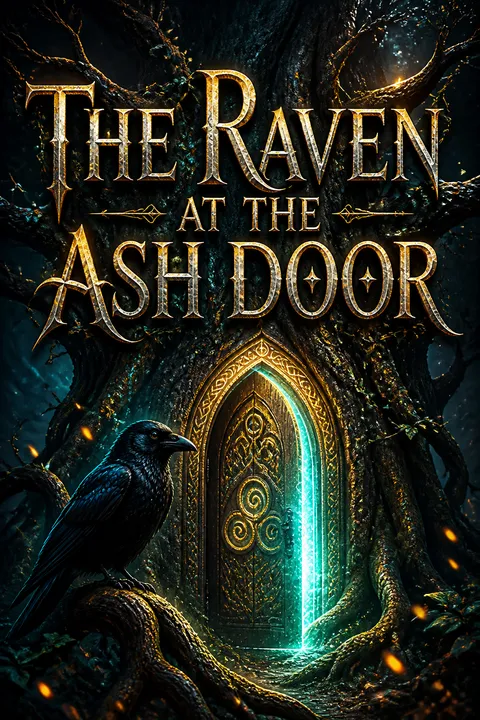
The sudden appearance of the Ash Door in the sacred tree is both a mystery and a promise. The door is a physical manifestation of Kierse's growing power and her connection to the magical world. The group speculates about its purpose—could it be a bridge to Faerie, a source of ultimate power, or a trap? The door's presence raises the stakes, as Kierse's enemies may seek to exploit it. The chapter is a turning point, marking the transition from personal struggles to a quest with world-altering implications.
Bonds, Betrayals, and Invitations
Kierse's bond with Lorcan grows more oppressive, even as she and Graves grow closer. Invitations to a monster gala hosted by Amberdash, the enigmatic wraith and leader of the Men of Valor, signal a new phase in the conflict. The group's investigation into the Fae Killer intensifies, leading them to Las Vegas and a dead end. The chapter is marked by shifting alliances, betrayals, and the ever-present danger of exposure. Kierse's longing for freedom and agency is more urgent than ever.
The Vegas Dead End
In Las Vegas, the group investigates the murder of Dallas, a warlock with ties to the Fae Killer. Their search leads them to Rosetta, a powerful witch whose tarot reading for Graves foreshadows trials, loss, and the need for self-awareness. The investigation yields more questions than answers, and the group is forced to confront the limits of their knowledge and the dangers of their quest. The chapter is a meditation on fate, choice, and the price of power.
Witchcraft and Tarot Truths
Rosetta's tarot reading for Graves is a pivotal moment, revealing the emotional and spiritual trials he must face. The cards—loss, the devil reversed, and the world—mirror Graves's journey from regret to self-awareness to potential fulfillment. The reading is both a warning and a guide, urging Graves to let go of the past and embrace the present. The chapter is a turning point for Graves, who must confront his own darkness if he is to help Kierse and defeat their enemies.
The Fae Killer Revealed
The group's investigation uncovers the true identity of the Fae Killer: Kingston, Graves's mentor. The revelation is devastating, shattering Graves's trust and forcing the group to reevaluate their alliances. Kingston's motives—rooted in ancient grudges and personal loss—are both monstrous and tragically human. The confrontation with Kingston is a battle of wits and wills, culminating in his death at the hands of Lorcan. The victory is hollow, as the group soon realizes that the real threat—Amberdash—remains at large.
The Monster Gala Trap
Amberdash's monster gala is a trap, designed to lure Kierse and her allies into a confrontation. The party is a showcase of power, politics, and betrayal, with monsters and humans vying for dominance. Kierse's heist to steal the Stone of Fal is successful, but the victory is short-lived. The stone is stolen again, this time by Lorcan and his Druid loyalists, who stage a coup in Brooklyn. The chapter is a whirlwind of action, deception, and shifting loyalties, setting the stage for the final confrontation.
The Stone's True Power
With the Stone of Fal in his possession, Lorcan offers Kierse the chance to break their bond. The stone, however, reveals that fate cannot be so easily defied. Kierse's attempt to use the stone is thwarted by the realization that true power lies not in artifacts, but in reclaiming her own agency. The Ash Door, the sacred tree, and the triskel become the keys to her salvation, but the cost is high. The chapter is a meditation on destiny, choice, and the limits of magic.
The Coup in Brooklyn
Lorcan's coup in Brooklyn is both a political and personal betrayal. He uses the stone to reclaim his throne and offers Kierse the chance to break the bond, but only on his terms. Kierse's attempt to harness the power of the Ash Door and Faerie itself leads to catastrophic burnout, nearly killing her. Graves sacrifices himself to save her, dying in the process. The chapter is a devastating climax, as Kierse is forced to make an impossible bargain to bring Graves back.
Faerie's Temptation and Burnout
Kierse's journey through the Ash Door into Faerie is a moment of transcendence and temptation. The magic of Faerie is overwhelming, offering her everything she has ever wanted, but at the cost of her life and her love. The power she draws is too much, and she is consumed by burnout. Graves's selfless act to save her is both a testament to his love and a tragic fulfillment of the Holly King's fate. The chapter is a meditation on the dangers of unchecked power and the price of love.
Sacrifice, Geas, and Loss
To save Graves, Kierse makes a geas—a binding magical promise—on the Stone of Fal, agreeing to go with Lorcan and forget her love for Graves. The geas is sealed with a kiss, and the magic rewrites reality, erasing Kierse's memories of Graves and their love. The cost of resurrection is the loss of everything they fought for. The chapter is a devastating exploration of sacrifice, love, and the cruel logic of magical bargains.
The Price of Resurrection
Graves is brought back to life, but the price is Kierse's love and memory. The geas warps reality, casting Graves as an enemy and Lorcan as her soulmate. Only Graves and Lorcan remember the truth, and Graves is left to mourn the loss of the woman he loves. The chapter is a meditation on the nature of sacrifice, the power of memory, and the enduring hope that love can overcome even the most powerful magic.
The Curse of Forgetting
In the aftermath of the geas, Kierse lives a new life, happy but incomplete, her love for Graves erased. Graves, haunted by loss, vows to find a way to break the curse and win her back. The world is on the brink of chaos, with the Monster Treaty shattered and old enemies rising. The story ends on a note of hope and determination, as Graves prepares to face the trials ahead and reclaim the love that was stolen from him.
The Treaty Shatters
As the Monster Treaty is broken by a single vote, the world Kierse and Graves fought to protect is plunged into uncertainty. The convocation's failure signals the return of chaos, and the group must prepare for new battles. The story closes with Graves's vow to fight for Kierse and for a future where love and peace are possible, no matter the cost.
Analysis
K.A. Linde's The Raven at the Ash Door is a masterful blend of urban fantasy, romance, and mythic tragedy, exploring the tension between fate and free will through the lens of magical bonds, ancient artifacts, and the scars of trauma. At its heart, the novel is about the struggle to reclaim agency in a world governed by stories older than memory. Kierse's journey—from abused orphan to reluctant hero—is a meditation on the cost of survival, the power of found family, and the enduring hope that love can break even the oldest curses. The love triangle between Kierse, Graves, and Lorcan is not just romantic but existential, forcing each character to confront their own darkness and the limits of their power. The use of Celtic myth and magical artifacts grounds the story in a rich symbolic tradition, while the heist structure and political intrigue keep the narrative taut and engaging. The novel's greatest strength lies in its willingness to embrace complexity: love is both salvation and sacrifice, power is both gift and curse, and every victory comes at a cost. In a world where peace is always fragile and memory can be rewritten, The Raven at the Ash Door asks whether it is possible to choose one's own story—and what one is willing to pay for that choice.
Review Summary
The Raven at the Ash Door receives mostly positive reviews, with readers praising the heists, found family dynamics, Graves' character development, and the sizzling romance. However, many are frustrated by the series extension beyond a trilogy, feeling the plot is being unnecessarily dragged out. Lorcan's manipulative behavior and disregard for Kierse's choices provokes strong reader annoyance. The cliffhanger ending — involving a memory loss trope — divided readers, with some feeling shocked and desperate for the next book, while others found it predictable or lazy.
Characters
Kierse McKenna
Kierse is a half-Fae, half-human thief whose life is defined by loss, trauma, and the search for belonging. Orphaned by the Fae Killer, raised by an abusive mentor, and bound by magic to Lorcan, she is both powerful and vulnerable. Her relationship with Graves is a source of strength and pain, complicated by the ever-present bond with Lorcan. Kierse's journey is one of reclaiming agency, mastering her magic, and choosing love in the face of fate. Her psychological complexity—her guilt, longing, and fierce independence—drives the emotional core of the story.
Graves (Brannon)
Graves is the warlock of New York, a man whose power is matched only by his capacity for regret. Once a Druid, now exiled and transformed into the Holly King, he is haunted by the loss of his first love, Emilie, and the centuries-long feud with Lorcan. His relationship with Kierse is both redemptive and destructive, as he struggles to let go of the past and embrace the present. Graves's journey is one of self-awareness, sacrifice, and the hope that love can break even the oldest curses.
Lorcan Flynn
Lorcan is the Oak King, a Druid whose love for Kierse is both genuine and possessive. His binding of Kierse's magic is an act of misguided protection, rooted in trauma and the loss of his wife, Saoirse. Lorcan's rivalry with Graves is ancient and bitter, and his willingness to sacrifice Kierse's agency for her safety is both tragic and infuriating. Lorcan's psychological complexity lies in his inability to let go, his need for control, and his desperate hope for redemption.
Kingston
Kingston is Graves's mentor, a warlock of immense power and charm. His outward civility masks a deep-seated grudge against the Fae, rooted in personal loss and betrayal. Kingston's role as the Fae Killer is a shocking revelation, and his death is both a victory and a tragedy. His relationship with Graves is fraught with unspoken secrets, old wounds, and the pain of betrayal.
Bram
Bram is a Scottish monster hunter and Kierse's father's best friend. His presence offers Kierse a connection to her lost family and a sense of belonging. Bram's warmth, loyalty, and humor provide a counterpoint to the story's darkness. He is a reminder of the importance of found family and the enduring power of love and memory.
Niamh
Niamh is Lorcan's former second-in-command and the current leader of the Druids. Her loyalty is divided between her past with Lorcan and her present responsibilities. Niamh's pragmatism, wit, and compassion make her a stabilizing force in the group. Her relationship with Kierse is one of mutual respect and shared trauma.
Gen
Gen is Kierse's best friend and a member of the triskel. Her healing magic, sight, and unwavering loyalty ground Kierse in moments of crisis. Gen's own struggles with love and identity mirror Kierse's journey, and her presence is a source of comfort and wisdom.
Ethan
Ethan is the third member of the triskel, whose plant magic and easy humor provide levity and support. His relationship with Gen and his willingness to risk everything for his friends make him an essential part of Kierse's found family.
Amberdash
Amberdash is the enigmatic head of the Men of Valor and the true Fae Killer. His motives are rooted in a desire for power and a deep-seated hatred of the Fae. Amberdash's charm and ruthlessness make him a formidable antagonist, and his ability to manipulate events from the shadows is a constant threat.
Jason
Jason is Kierse's former mentor, a rogue Druid who abused and manipulated her for years. His connection to Sansara and his quest for power make him a dangerous adversary. Jason's death at Kierse's hands is both a moment of catharsis and a reminder of the enduring scars of abuse.
Plot Devices
Magical Artifacts and Ancient Myths
The story is structured around the search for four legendary Celtic artifacts—the Spear of Lugh, Sword of Truth, Cauldron of Dagda, and Stone of Fal. Each object is imbued with sentience and power, serving as both MacGuffins and mirrors for the characters' inner struggles. The artifacts' voices, trials, and requirements force the characters to confront their pasts, make impossible choices, and question the nature of fate and agency. The integration of Celtic myth—Oak and Holly Kings, the Wooing of Etain, sacred trees—provides a rich symbolic framework, foreshadowing the characters' destinies and the cyclical nature of their conflicts.
The Bond and the Geas
The forced magical bond between Kierse and Lorcan is both a literal and figurative shackle, representing issues of consent, agency, and the struggle to reclaim oneself after trauma. The geas—a binding magical promise—serves as the ultimate plot device, forcing Kierse to sacrifice her love and memory to save Graves. The narrative structure uses these devices to explore the limits of choice, the cost of love, and the possibility of rewriting fate.
Dual Timelines and Rewritten Realities
The story employs flashbacks, altered memories, and rewritten realities to heighten emotional stakes and create dramatic irony. Only Graves and Lorcan remember the truth after the geas, casting them as tragic heroes in a world that has forgotten their love. The use of parallel mythic structures—the Oak and Holly Kings, the Wooing of Etain—creates a sense of inevitability, while the characters' attempts to break free of these stories drive the plot forward.
Heist and Political Intrigue
The recurring motif of the heist—whether stealing artifacts, breaking into vaults, or infiltrating political assemblies—serves as both action set-piece and metaphor for the characters' attempts to steal back agency, power, and love. The political machinations of the Monster Treaty, the convocation, and the shifting alliances among monsters and humans provide a backdrop of tension and uncertainty, mirroring the characters' internal struggles.
Foreshadowing and Symbolism
The story is rich with foreshadowing—tarot readings, prophecies, and the voices of magical artifacts all hint at future trials and sacrifices. Symbolic elements—the Ash Door, the sacred tree, the wren and raven—underscore themes of transformation, loss, and the hope for renewal. The narrative structure uses these devices to create a sense of destiny while leaving room for the possibility of change.
About the Author

Download PDF
Download EPUB
.epub digital book format is ideal for reading ebooks on phones, tablets, and e-readers.








































