
Plot Summary
Lightning Strikes, Shadows Gather
The Paston family's fortunes shift dramatically when a lightning bolt destroys St Paul's spire, foreshadowing the death of Justice William Paston. His passing leaves his son John and heiress wife Margaret to navigate a world of legal disputes, family rivalries, and the ambitions of a family recently risen from peasant roots. The reading of William's will sparks immediate conflict, as his widow Agnes claims a spoken amendment, threatening to fracture the inheritance and sowing seeds of distrust. Margaret and John, united by love and ambition, brace themselves for the battles—both legal and personal—that will define their lives and the fate of their children.
Heiress Meets Ambition
Margaret Mautby, a wealthy heiress, is matched with John Paston, a determined lawyer from a family of recent gentry. Their union is practical, rooted in land and legacy rather than romance, but mutual respect and affection grow. Margaret quickly learns the realities of Paston life: the constant struggle for status, the sharp tongue of her mother-in-law Agnes, and the necessity of resilience. As Margaret bears children and manages households, she becomes the backbone of the family, her letters and decisions shaping the Paston story. The marriage, though often tested by separation and adversity, becomes a partnership of equals in ambition and endurance.
Family Divided, Wills Contested
The Paston family's ascent is threatened from within as Agnes contests the written will, claiming her late husband's dying wishes favor her younger sons and the church. John, now head of the family, refuses to yield, determined to keep the inheritance intact for his own children. Legal battles ensue, pitting mother against son, brother against brother, and exposing the fragility of family bonds when property and status are at stake. Margaret, ever pragmatic, supports John, but the shadow of internal strife lingers, foreshadowing the external threats that will soon beset the family.
Enemies at Every Door
With Justice William gone, the Pastons' enemies—local landowners, ambitious priests, and powerful nobles—move to challenge their claims. The family faces lawsuits, property seizures, and even physical threats. Margaret's own manor of Gresham is targeted by Lord Moleyns, who, backed by the Duke of Suffolk, seizes it by force. The Pastons' legal expertise is tested as they scramble to defend their holdings. Margaret's courage and resourcefulness shine as she confronts adversaries, manages crises, and keeps the family united, even as the world around them grows more dangerous and unpredictable.
Gresham Lost, Defiance Born
The loss of Gresham is a devastating blow, stripping Margaret of her beloved home and exposing the family's vulnerability. Yet, rather than retreat, Margaret chooses defiance—moving into a house near the seized manor, maintaining a Paston presence, and rallying tenants. Her actions provoke further aggression, culminating in a violent eviction. Humiliated but unbroken, Margaret's determination hardens. The family's enemies grow bolder, but so does their resolve. The struggle for Gresham becomes a symbol of the larger battle for survival and respect in a society where law and power are often at odds.
Daughters in the Shadows
Elizabeth Paston, John's sister, suffers under the harsh rule of her mother Agnes, enduring abuse and repeated disappointments in marriage negotiations. Her story, echoed by other Paston women, reveals the limited agency of daughters in a world where their value is measured in dowries and alliances. Elizabeth's eventual marriage to Robert Poynings, after years of humiliation and near-despair, is a hard-won victory. The emotional scars linger, but her resilience and eventual happiness stand as a quiet counterpoint to the family's public battles.
Siege of Marriage and Self
As Margaret and John's marriage weathers separations, illness, and the relentless demands of estate management, their partnership is both tested and strengthened. Margaret's letters—by turns affectionate, practical, and commanding—become the lifeline of the family, holding together a network of kin, servants, and allies. The Paston women, often left to manage in the men's absence, develop their own forms of power and influence, navigating the dangers of both the household and the wider world. The struggle for autonomy, respect, and love is as fierce within the family as any battle for land.
Letters Across the Divide
The Paston Letters, a remarkable record of daily life, love, and conflict, become both weapon and shield. Through them, Margaret manages estates, negotiates with adversaries, and maintains emotional bonds with her often-absent husband. Letters also reveal the cracks in the family: accusations, misunderstandings, and pleas for help that go unanswered. The written word is both a tool of survival and a testament to the isolation and longing that define the Paston experience, especially for the women whose voices might otherwise be lost.
The Queen's Cousin Arrives
Anne Haute, cousin to Queen Elizabeth Woodville, enters the Paston orbit, bringing with her the promise of royal connection and the complexities of courtly life. Her presence at court, her beauty, and her ambition attract the attention of Sir John Paston, the family's heir. Their flirtation, conducted through poetry and secret meetings, is both a personal romance and a calculated move in the ongoing game of social advancement. Anne's perspective offers a fresh lens on the Paston saga, highlighting the interplay of love, ambition, and the shifting tides of fortune.
Castles, Courts, and Betrayals
The Pastons' claim to Caister Castle, inherited from Sir John Fastolf, becomes the focal point of a bitter legal and military struggle. Rival claimants, including powerful nobles and former allies, challenge the Pastons' right, leading to sieges, lawsuits, and betrayals. The family's fortunes rise and fall with the whims of kings and the outcomes of battles. Margaret's management, John's legal acumen, and the younger generation's ambitions are all tested as the stakes grow ever higher. The castle becomes both a prize and a burden, symbolizing the costs of ambition.
The Royal Game Unfolds
The Pastons' story is set against the backdrop of the Wars of the Roses, where shifting allegiances and royal favor can make or break a family overnight. John's refusal of a knighthood, his pursuit of royal patronage, and the family's careful navigation of political currents reflect the larger "royal game" in which they are both players and pawns. The family's rise from peasantry to gentry is hard-won, marked by both triumphs and humiliations. The game is relentless, demanding sacrifices from all who play.
Love, Loss, and Legacy
The deaths of key family members—Justice William, John Paston, and others—bring both sorrow and new challenges. Margaret's grief is compounded by the need to secure her children's futures, defend the family's claims, and maintain dignity in the face of loss. The next generation, especially Sir John and Jonty, must step into roles for which they are not always prepared. The legacy of the Pastons is both a gift and a curse, offering opportunity but demanding constant vigilance and sacrifice.
The Fall of Hellesdon
The Duke of Suffolk's attack on Hellesdon, one of the Pastons' key manors, is a devastating blow. The manor is destroyed, the church desecrated, and the villagers left destitute. Margaret and Sir John witness the aftermath, their sense of helplessness and outrage deepening. The event marks a turning point, exposing the limits of legal recourse and the brutal realities of power. The family retreats to Caister, their world shrinking as enemies close in and resources dwindle.
Prison Walls, Family Bonds
John Paston's repeated incarcerations in the Fleet Prison strain the family's finances, morale, and unity. Margaret's visits, letters, and practical support reveal both the strength and the limits of their partnership. The accusations of low birth and the constant threat of confiscation haunt the family, forcing them to forge a new pedigree and seek royal recognition. The prison walls become a metaphor for the constraints—social, legal, and emotional—that define the Paston experience.
The Last Farewell
John Paston's final illness and death bring the family together in grief and reflection. Margaret's role as matriarch is solidified as she organizes a grand funeral, manages the transition of power, and ensures the family's continued survival. The loss is both personal and political, marking the end of an era and the beginning of new challenges. The family's resilience is tested as they face the uncertainties of inheritance, loyalty, and the ever-present threat of ruin.
Inheritance and Illusion
The struggle to secure the Fastolf inheritance exposes the illusions and compromises at the heart of the Paston ascent. Legal victories are often pyrrhic, won at great personal and financial cost. The family's carefully constructed pedigree, their alliances, and their claims to gentility are all called into question. The line between truth and fabrication blurs, as survival demands both cunning and self-deception. The Paston name is both forged and fragile, its legacy uncertain.
The Siege of Caister
The Duke of Norfolk's siege of Caister Castle is the ultimate test of the Pastons' resolve. Outnumbered and outgunned, Jonty and a handful of defenders hold out against overwhelming odds. Margaret, now the family's anchor, rallies support, manages resources, and faces the possibility of total defeat. The siege is both a literal and symbolic culmination of decades of struggle, ambition, and sacrifice. The outcome will determine not just the fate of a castle, but the meaning of everything the Pastons have fought for.
Daughters' Choices, Mothers' Warnings
As the family's fortunes waver, the Paston daughters—Margery, Anne, and others—make choices that challenge tradition and authority. Margery's love for the family bailiff, Anne's ambitions at court, and the struggles of other women reveal the tensions between duty and desire. Margaret's warnings and guidance reflect both her wisdom and her limitations. The next generation's choices will shape the family's future, for better or worse.
The Paston Name Forged
In the aftermath of loss and defeat, the Pastons forge a new identity, securing royal recognition and rewriting their history. The family's story becomes a testament to the power of narrative—how names, documents, and memories can be shaped to ensure survival. Margaret's reflections, the sons' ambitions, and the daughters' hopes all converge in a renewed commitment to the family's legacy. The Paston name, once a mark of low birth, becomes a symbol of resilience and aspiration.
The Royal Game Endures
As the Wars of the Roses continue and the political landscape shifts, the Pastons remain players in the royal game. New marriages, alliances, and challenges await. The family's story is unfinished, their future uncertain. Yet, through letters, love, and relentless effort, they endure—testament to the enduring human drive for security, respect, and meaning in a world where nothing is guaranteed.
Analysis
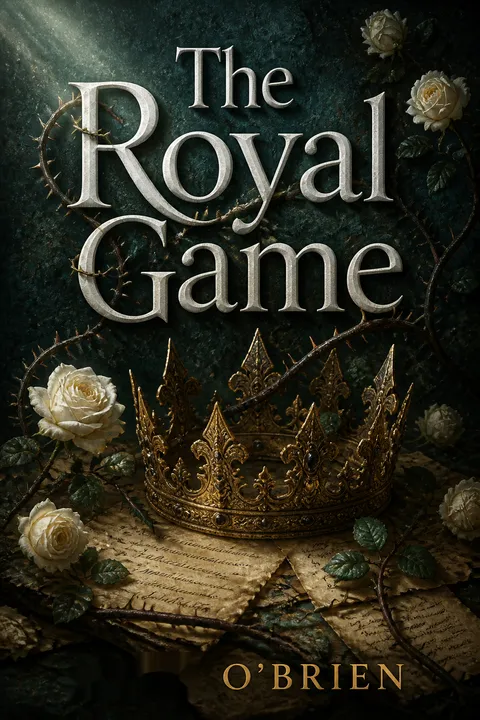
Anne O'Brien's The Royal Game is a masterful reimagining of the Paston family's rise from peasantry to gentry in fifteenth-century England, set against the tumultuous backdrop of the Wars of the Roses. Through the voices of its women—especially Margaret Paston—the novel explores the intersections of ambition, love, and survival in a world where power is both coveted and precarious. The Paston Letters, woven throughout the narrative, serve as both historical record and emotional lifeline, capturing the anxieties, hopes, and strategies of a family constantly under siege—by enemies, by the law, and by their own ambitions. O'Brien's adaptation foregrounds the agency of women, revealing how they navigated, shaped, and sometimes subverted the constraints of their time. The novel's central lesson is the cost of aspiration: every gain is shadowed by loss, every victory by vulnerability. Yet, in the end, it is resilience—embodied in Margaret's unwavering determination and the family's collective will—that endures. The Pastons' story is both a cautionary tale and an inspiration, reminding modern readers of the enduring human drive for security, respect, and meaning in a world where the rules are always changing.
Review Summary
The Royal Game is a historical novel set during the Wars of the Roses, following three women of the Paston family. Most reviewers praise Anne O'Brien's vivid portrayal of medieval life, strong female characters, and use of the Paston Letters as source material. Margaret Paston emerges as a particular favourite — resilient, intelligent, and compelling. Some readers found the pacing slow and property disputes repetitive, while others were frustrated by the unannounced cliffhanger ending. Overall, the novel earns appreciation for its fresh perspective on a well-known historical period.
Characters
Margaret Mautby Paston
Margaret is the heart and mind of the Paston family, an heiress whose marriage to John Paston cements the family's rise. Her intelligence, pragmatism, and emotional resilience make her both a formidable manager and a loving mother. Through her prolific letter-writing, she orchestrates the family's affairs, negotiates with enemies, and sustains bonds across distance and adversity. Margaret's relationship with John is complex—marked by affection, frustration, and mutual dependence. Her journey from young bride to widowed matriarch is one of growth, sacrifice, and unyielding determination to secure her children's futures.
John Paston
John embodies the Paston drive for advancement, wielding legal expertise as both shield and sword. His relentless pursuit of land, status, and recognition is both his strength and his flaw, often blinding him to the emotional needs of his family. John's relationships—with his wife, children, and mother—are fraught with tension, pride, and unspoken love. His repeated imprisonments, legal battles, and eventual death reveal both the costs and the limits of ambition. In the end, John's legacy is as much about the burdens he leaves behind as the victories he achieves.
Agnes Paston
Agnes is a force of nature—unyielding, critical, and fiercely protective of her family's interests. Her insistence on her version of Justice William's will sparks the initial family conflict, and her harsh treatment of her daughter Elizabeth leaves lasting scars. Yet, Agnes's strength and tenacity are also a source of stability, her standards shaping the family's values and ambitions. Her inability to forgive or adapt, however, often isolates her from those she loves most.
Elizabeth Paston (Poynings)
Elizabeth's life is marked by disappointment, abuse, and the struggle for agency in a world that values women primarily as marriage pawns. Her eventual marriage to Robert Poynings, after years of humiliation, is a bittersweet triumph. Elizabeth's resilience, intelligence, and capacity for love shine through her hardships, offering a quieter but no less powerful model of survival and self-worth.
Sir John Paston
Sir John inherits both the promise and the burdens of the Paston legacy. Torn between his father's expectations, his own ambitions, and the allure of courtly life, he struggles to find his place. His relationship with Anne Haute is both romantic and strategic, reflecting the complexities of love and ambition in a world where marriage is both personal and political. Sir John's journey is one of self-discovery, rebellion, and eventual acceptance of responsibility.
Jonty (John) Paston
Jonty, the second son, is often the family's peacemaker and problem-solver. Less flamboyant than his elder brother, he is nonetheless crucial to the family's survival, managing estates, negotiating with adversaries, and supporting his mother. Jonty's steadiness and adaptability contrast with Sir John's restlessness, highlighting the different forms of strength within the family.
William Paston
William's sense of grievance over his inheritance fuels both his drive and his resentment. His marriage to Anne Beaufort, a member of the disgraced royal family, is both a coup and a risk. William's relationship with his brothers is marked by rivalry and occasional bitterness, but also by shared ambition. His story reflects the challenges of being a younger son in a family where every advantage must be fought for.
Anne Haute
Anne's beauty, intelligence, and royal connections make her both a prize and a player in the marriage market. Her relationship with Sir John Paston is a dance of attraction, calculation, and mutual ambition. Anne's perspective offers insight into the world of courtly intrigue, the limitations placed on women, and the ways in which personal desire and family strategy intersect. Her eventual betrothal to Sir John is both a personal victory and a testament to the enduring power of hope.
Richard Calle
Richard is the family's trusted bailiff, whose loyalty and competence are essential to the management of the Paston estates. His relationship with Margery Paston, Margaret's daughter, challenges social boundaries and family expectations, highlighting the tensions between love and duty, class and ambition. Richard's story is one of quiet strength and the courage to defy convention.
Robert Poynings
Robert's marriage to Elizabeth Paston is a union of mutual respect and hard-won happiness. A man of integrity, he navigates the dangers of inheritance disputes, political upheaval, and personal loss with dignity and resolve. His death in battle leaves Elizabeth to fight for their son's inheritance, a struggle that echoes the larger themes of resilience and the costs of ambition.
Plot Devices
Letters as Lifelines and Weapons
The Paston Letters are both historical artifact and narrative device, providing a window into the family's inner lives and the world around them. Letters serve as tools for managing estates, negotiating alliances, expressing love and frustration, and recording the minutiae of daily life. They also reveal the gaps, misunderstandings, and emotional distances that define the family's experience. The act of writing—especially by women—becomes an assertion of agency and a means of shaping both memory and reality.
Inheritance and Legal Warfare
The struggle for land, status, and legitimacy drives the narrative, with wills, lawsuits, and contested claims serving as both plot engine and metaphor. The Pastons' rise is built on legal expertise, but the law is often uncertain, corrupt, or subject to the whims of power. The constant threat of loss—of property, status, or reputation—creates a sense of precariousness that shapes every decision and relationship.
Marriage as Alliance and Battlefield
Marriages in the novel are rarely purely romantic; they are strategic alliances, sources of conflict, and arenas for negotiation. The fates of daughters, the ambitions of sons, and the anxieties of mothers all converge in the marriage market. Love, desire, and duty are in constant tension, reflecting the broader struggles for power and survival.
Foreshadowing and Symbolism
The novel uses recurring images—lightning strikes, sieges, shadows, and storms—to foreshadow disaster, reflect emotional states, and underscore the themes of vulnerability and resilience. The physical sieges of castles mirror the emotional and psychological sieges experienced by the characters, while the ever-present threat of loss haunts every victory.
Narrative Structure: Multiple Voices, Shifting Perspectives
The story unfolds through the eyes of multiple characters—primarily Margaret, Elizabeth, and Anne—each offering a distinct perspective on the family's fortunes. This structure allows for a rich exploration of gender, power, and agency, highlighting the ways in which individual experiences are shaped by—and shape—the larger historical forces at play.
Download PDF
Download EPUB
.epub digital book format is ideal for reading ebooks on phones, tablets, and e-readers.








































