
Plot Summary
1. Bloodied Thrones and Shattered Trust
Edward's brutal murder shatters fragile peace between nations, not only leaving royal blood on the bedchamber floor, but also unraveling marriages, alliances, and the futures of would-be heirs. Princess Ahnna of Ithicana is implicated, but the truth is buried beneath the panicked narrative of vengeance and betrayal. James, Edward's bastard prince, is torn between the evidence before his eyes and his knowledge of Ahnna's strength, loyalty, and trauma. Alexandra, the queen mother, spins the tale, launching panic and demands for justice. Old friendships become active threats, while family ties contort into weapons, each member acting under wounds both visible and invisible. The harbinger of war whips across the land as suspicion grows, and love and blame become indistinguishable.
2. The Making of Fugitives
Torn from her standing and safety, Ahnna flees through city, mountain, and wild, dueling villagers and soldiers—a wild animal in the eyes of an entire nation. Her flight is both tactical and tragic, disguised as a cutthroat but refusing pointless bloodshed. Her path is haunted: by her horse, by the weapons that have always been both comfort and curse, and by how easily love can become the rationale for slaughter in another's eyes. All the while, James's shadow grows, relentless and furious, never giving up her trail, driven by grief and the echo of his murdered father. To survive means leaving everything: friends, animals, conscience—all for the slim hope of home and truth.
3. Schemes and Pursuits
James, his family reeling, leads Harendell's military in a fevered pursuit. The hunt is as much about revenge as justice, with Alexandra poisoning perspective from the shadows. Unrest grows as alliances, old and new, are manipulated—alliances between Harendell, Amarid, Cardiff, and Ithicana, all warped by hidden rage. Rumors of corruption grow, blurring villain and victim. James, losing sleep and certainty, comes face to face with his own complicity and desire for violence, even as his heart aches at Ahnna's memory and his brother William doubts him. Rumors chase hope across the land.
4. Storm on the Bridge
Back in Ithicana, King Aren and Queen Lara sense storm and betrayal in the winds. With trade disrupted, borders closed, and old enemies suddenly polite, the couple braces for disaster neither can name, even as Ahnna's fate sits like a curse over their kingdom. The seas, the bridge, and every exchange with Amarid and Harendell become a chessboard. Bronwyn and Taryn's lives are leveraged against nations' fates, and Northwatch must prepare for either negotiation or annihilation.
5. Poison and Blame
As rumors swirl, spies feed contradictory truths, and complex plots swirl from every direction—each kingdom's crown becoming a game piece for those with the cunning to wield blackmail, assassination, and seduction. Layer after layer of blame is painted: Ahnna for murder, Ithicana for treason, Amarid for manipulation, Cardiff for greed. Alexandra's schemes spread tendrils through trade, marriage, and even Valcotta's herds. The bridge is the true crown, and every desperate choice compounds the violence (and lies) in its shadow.
6. False Alliances, Real Enemies
Amarid and Harendell's apparent rivalry conceals a more patient, more wicked alliance. Katarina plays Ahnna, Aren, and the world, seeding famine and blaming others; Alexandra manipulates both family and enemies to serve the cause of her children and her vision. Ahnna's every move is both clever and never enough. Borders become traps; old wars merely pause while new ones are written behind closed doors. None of the rulers are unbroken, and everyone's grief sharpens their knives.
7. Crossroads in Darkness
With every escape battered by storms, Ahnna and James are driven together—sometimes in violence, sometimes in desperate longing, always under the threat of immediate death. Their reunion is brief and brutal, pivoting between murder and forgiveness, lust and the will to survive. As they cross snowy peaks and elude both kings and beasts, their old wounds tear open—revealing that for both, it's family and love that let others manipulate their very souls.
8. The Furnace of Survival
Captured by the Beast and the Crimson Widow, Ahnna and James are cast into the Furnace: Amarid's infamous living tomb. In the boiling heat and blackness, with only each other for company, their endurance is tested beyond flesh—forced trust and imprisoned passion becoming both lifeline and torment. As their jailers switch from Katarina's tortures to their own haunted memories, they must ignite a dangerous hope for escape before their morals and bodies are destroyed.
9. Rival Fleets Clash
As waves of poison devastate Ithicana, Harendell's navy and Amarid's manipulation crash together. With starvation and rot hollowing the land, blockades tighten. Ithicana's exodus to its wilds is the only shield. Fleets collide in battle: arrows, burning pitch, shipbreakers, and siege towers fracture the ocean into blood and wreckage. Old alliances come to ruin and new ones arise out of the carnage, as sacred oaths and family lines are rewritten in the face of mass slaughter.
10. Sacrifice at the Gallows
Ahnna returns to Harendell to broker a last-chance deal: her own execution, in exchange for peace. The gallows becomes both justice and spectacle—soldiers and civilians, queens and traitors, all watching as she stands in white for her death. Yet betrayals twist through the crowd: William is poisoned, shifting the story and blame; Lestara seizes the vacuum of power, Alexandra's machinations are exposed, and Ahnna is forced to fight against death and narrative alike.
11. The Queen Behind the Veil
Alexandra's long-hidden crimes are dragged to daylight—her own son's murder, her orchestration of king-slaying and mass poisonings. Lestara, no longer content to be mere pawn, engineers William's death and seizes her son's regency, ruling with a child in her arms and blood on her hands. Truth and witnesses pour into the square: Virginia, Cavendish, Ronan, and even Keris, Zarrah, and Sarhina ally to reveal the web of lies. But the price of victory is only greater war.
12. The Heir, the Shark, the Survivor
In the battle's aftermath, as rulers are cut down and the fleet is repelled, Lestara tries to claim sole mastery—using her own child as the ultimate shield. In a final act of defiance, Ahnna saves the infant and faces the jaws of Ithicana's sharks, the mythic guardians granting mercy only under blood and pain. The cost—flesh, hope, and the risk of oblivion—is heavy, but love and loyalty survive.
13. Bleeding Kingdoms
With Ithicana battered but not broken, and Oliver the child-king under new regency, the survivors must build anew. James and Ahnna, united by marriage, claim not just thrones but the charge of raising the next generation with wisdom gained in blood and flame. The kingdoms' leaders—old, new, and reborn—gather to carve a peace from their scars, ensuring the fallen are honored and the future open to something other than endless war.
14. Ashes and Bargains
As war fades but trust still burns, new coalitions are hammered by loss and necessary bargain. Harendell's people embrace the promise of peace and profit, giving up dreams of unlimited power so long as justice—however compromised—can endure. Ahnna and James look to their nephew, and to each other, choosing hope and the refusal to repeat the mistakes that made so many graves.
15. The Regicide's Price
With proof and testimony, those complicit in the trade of blood and treason pay the price. Old dogs—Alexandra, Lestara—fall. Ginny and James take up the legacy of Harendell, united with Ithicana both by law and by love. The ghost of "the bridge" as mere profit is finally put to rest, as new generations seek to lead not as conquerors, but stewards.
16. Hope, Homecoming, Hegemony
In the convalescent aftermath, with wounds bandaged and losses tallied, the kingdoms begin rebuilding—both families and nations. The children of war play under wary eyes, but for the first time, the future is not defined only by what is lost. Ahnna and James, at last free of ghosts and crown, create the foundation for peace—not as rulers alone, but as parents and partners who have survived both history and fate.
17. Love Among Ruins
As years pass, dragons are made of memories, and the scars of the past are worn as symbols of survival. Ahnna and James race across open fields—free, equal, and deeply in love. Reunions at Eranahl become celebrations not of past war but of enduring kinship. The dance of regents, kings, and queens is now for their children, and while vigilance remains, the last lines of hate dissolve into laughter, promise, and the ever-wild hope for a better world.
Analysis
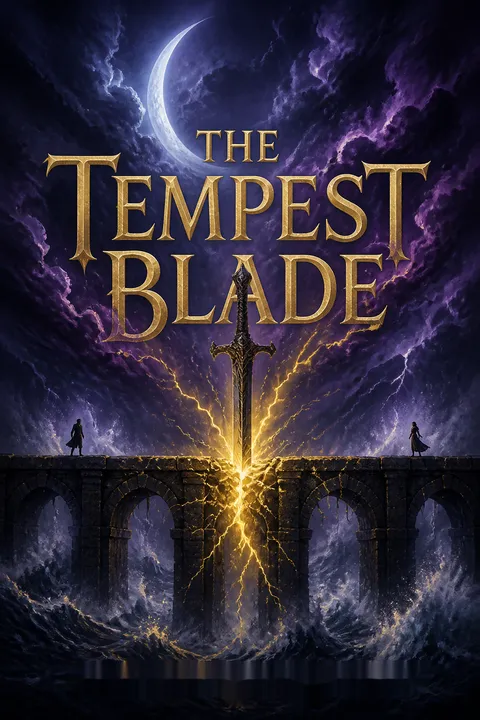
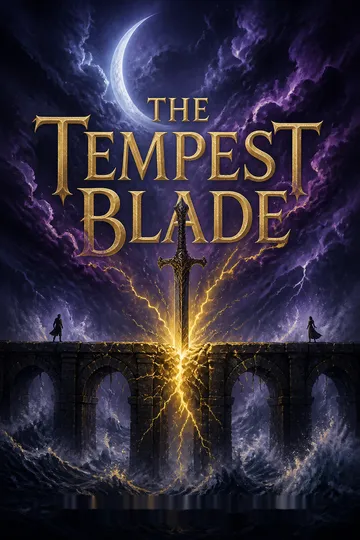
Danielle Jensen's The Tempest Blade is both the culmination and interrogation of the myth of the "Bridge Kingdom": if bridges connect, who does the connecting and who pays the toll? The story upends conventional notions of heroism, revealing the cost of power when toxic love, generational trauma, and ambition are weaponized. By making love—romantic, familial, and patriotic—the very lever that could doom kingdoms or save them, Jensen explores the psychodynamics of trauma, survival, and moral ambiguity. Characters are not defined by birth or destiny, but by their capacity to choose—again and again, in the face of loss—to fight for belonging, forgiveness, and hope. The "bridge" is no longer just a structure; it becomes metaphor for the willingness to risk vulnerability, to refuse the scripts of history, and to interlace futures with unlikely others. The legacy of violence gives way to a new kind of peace—one not created by erasure or conquest, but by honest reckoning with the past. The lesson, hard-won, is that freedom and power mean nothing without empathy, and that the only battles worth winning are those that end in love.
Review Summary
The Tempest Blade receives overwhelmingly positive reviews, with readers praising its multi-POV structure featuring all six main characters, nonstop political intrigue, and satisfying series conclusion. Fans particularly loved Ahnna's character growth, Keris's witty chapters, and the return of beloved couples Lara & Aren and Zarrah & Keris. Common criticisms include the book's considerable length causing pacing issues, insufficient groveling from James, and an overabundance of "all is lost" moments. Most agree it delivers an emotional, action-packed finale worthy of the series.
People Also Read
Characters
Ahnna Kertell (Ashford)
As princess—and later queen by marriage—of lost Ithicana, Ahnna embodies the traumatized but unbreakable heart of a people perpetually under siege. Trained as a warrior and strategist, she is never allowed peace or comfort, her intelligence often leveraged by others for their own agendas. Haunted by survivor's guilt, her escape from betrayal leads her through cold mountains, poisoned bread, and the inferno of Amarid's Furnace. Psychoanalytically, Ahnna is driven by a core desire to protect—to be useful and worthy—often at the expense of her own happiness. Her love for James, complex and resilient, transforms her from pawn to queen in her own right, learning at last to choose her desires alongside her duty. Her long journey is a struggle to reconcile personal love with loyalty to her nation, finding at last that both can survive together.
James Ashford
As bastion of Harendell and supposed "bastard" prince, James's loyalty is ripped between blood and justice, truth and family. Repressed and disciplined, he carries deep scars from parental favoritism, loss, and a lifetime spent cleaning up royal messes. His psychoanalysis reflects an ingrained code of self-sacrifice—perpetually choosing the path that claims the least for himself. Haunted by love for Ahnna, yet tormented by the cost of that love, he endures unimaginable hardship, both external and self-inflicted. He becomes the fulcrum upon which the future of Harendell pivots: forced to choose between repeating cycles of cruelty for power's sake, or forging a new legacy founded on partnership, sacrifice, and hope.
Alexandra Ashford
Alexandra is the epitome of cold calculation: a mother whose love and trauma are weaponized into monsters. Betrayed once, she plots endlessly to secure power and future for her children, regardless of human (or personal) cost. Her psychoanalysis reveals both an unhealed wound from lost love and an insatiable drive to never be at the mercy of another. She is a queen equally capable of orchestrating mass poisonings and self-inflicted wounds; her genius both brilliant and ultimately self-defeating. Her final undoing is the loss of narrative: unable to wield love, she is undone by those who finally refuse her definitions.
Aren Kertell
As Ithicana's ruler, Aren is defined by the trauma of repeated loss and the weight of impossible choices. He struggles with guilt for every death, and his inability to protect those he loves—even from himself—is his greatest torment. Torn between self-sacrifice and righteous defiance, he is at once the iron spine and bleeding heart of his people. Psychoanalytically, Aren's journey is learning that to lead is not only to bear wounds, but to trust and delegate—to see that salvation lies in family, not the lone hero.
Lara Veliant Kertell
Lara is a former enemy turned defender of Ithicana: shrewd, ruthless, and ever-vigilant. The trauma she bears is born from both her actions and her upbringing, and her arc is a constant negotiation between utilizing those skills to defend her home and the fear that love taints judgment. A true strategic mind, she is often the voice calling for both hope and hard pragmatism, especially for her family. Psychoanalytically, her arc moves toward self-forgiveness and finding joy in the hardest circumstances.
Lestara of Cardiff
Lestara's story is Shakespearean in scope: forced from kingdom to kingdom, wielding her curse and ambition as both shield and spear. Deep inside, she is a child desperate for recognition and control—a child that becomes a tyrant, able to play victim, mother, and poisoner all at once. Her archetype echoes Lady Macbeth, but more pathetic: a woman who brings about her own doom while clutching desperately at stolen power.
Katarina of Amarid (The Crimson Widow)
Katarina's presence is that of myth—a centuries-old predator weaving webs of famine and doom. Her psychoanalysis centers on extreme Machiavellianism, cunning, and a cold self-interest sharpened by the knowledge that survival depends on destroying rivals before they destroy you. In the end, her manipulations entrap her, and she dies more satisfied at outwitting enemies than at preserving herself.
Virginia Ashford
Blind princess Virginia is witness and ultimate arbiter; able to see hearts even when her eyes fail. Steadfastly loving in a family that's made cruelty an art, Ginny is both moral touchstone and accidental mirror for all the suffering in Harendell. Her choices—from refusing to become another scapegoat, to wielding truth as shield—frame the climax. Ginny becomes a maternal figure for all the orphans made by court intrigue.
Bronwyn Veliant & Taryn Kertell
Bronwyn and Taryn exemplify those who tried to build a life apart from power and were drawn back in by blood and fate. Their exodus, return, and stubborn support gives emotional ballast to the grand narrative, showing that "heroism" is not only in war but in choosing to love, survive, and rebuild—however many times the world shatters.
Keris Veliant & Zarrah Anaphora
Keris and Zarrah's role is as the older generation: scarred, wise, ever-aware that fate rewards neither love nor sacrifice. Their marriage, rooted in the horrors of Devil's Island, exemplifies survival-through-solidarity. They bring the weight of history, the skills of spies, and the empathy needed to keep hope alive.
Plot Devices
Intrigue, Betrayal, and Self-Sacrifice
The narrative is structured as an ever-tightening spiral of betrayals and alliances, centering on the personal cost of dynastic ambition. Each event—invasion, marriage, assassination, or negotiation—is both a battle for territory and for the soul. Early foreshadowing of Alexandra and Katarina's hidden partnership threads through background deals and "benevolent" charity donations, ultimately culminating in mass poisonings and mutual betrayal. Interspersed are feints that turn personal wounds (emotional, familial, romantic) into the tools used to manipulate nations. Love and vengeance are the double-edged sword, blurring victim and perpetrator. The arc is set by repeated cycles: each generation repeats the mistakes of the last—mother shattering daughter, brother betraying brother—unless actively unraveled through self-sacrifice and the willingness to choose forgiveness over revenge. This repeated motif finds climax in the literal and psychological "Furnace," where hope is won in darkness and touch, not only by escape, but by refusing to leave the other behind.
Narrative Structure and Dramatic Irony
The plot is presented through alternating tight, close-third perspectives. Each chapter ends with a revelation or reversal that recasts the motives and truths of the other characters, frequently employing dramatic irony—readers know both more and less than any individual, raising narrative tension. The marriage of Ahnna and James is both plot and symbol—each their nation's hope, and no one's, wresting agency from the games of parents and rulers so that love is both end and means.
Shipbreaking, Poison, Masks
Key plot devices: the use of shipbreakers and towers in battle manifests the underlying theme of using one's own tools against oneself. Poison, initially the tool of villains, is later subverted to mete out poetic justice. Disguises (literal and figurative) enable transformations: soldiers as traitors, queens as mothers, love as betrayal, innocence as the result of both massacre and mercy.
Foreshadowing and Payoff
What begins as offhand charity becomes deadly bribery and the instrument of mass murder; the "guardian sharks" of Ithicana, introduced as myth, later determine life and death. Early dialogue about blood and chosen family becomes action as characters choose and defend their bonds even (especially) at the risk of inheritance, legacy, and life itself.
The Bridge Kingdom Series Series
Download PDF
Download EPUB
.epub digital book format is ideal for reading ebooks on phones, tablets, and e-readers.








































