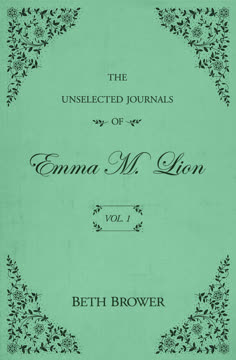
Plot Summary
Storm-Washed Beginnings
A fierce March storm heralds Emma M. Lion's fresh start in London as she contemplates the unresolved tension with her tenant, Niall Pierce. The comfort of routine and the domestic quiet of Lapis Lazuli House stand in sharp contrast to Emma's anxious heart as she braces for the fallout of a charged, unsaid conversation with Pierce—her enigmatic boarder and possible friend. Despite the rain's attempted menace, the city's washed-clean dawn hints at new chances. In the household's warmth, the stage is subtly set: here, Emma's world is constructed of close quarters, nerves masked by wit, and the ever-present unpredictable weather. What begins as a simple day quickly turns into an intricate waltz of feelings, financial worries, and storms—literal and emotional—waiting to be faced.
Midnight Duels and Confessions
Emma's bonds with the eccentric "Reprobates" of St. Crispian's draw her into a chaotic midnight duel on Primrose Hill. Armed only with a bell (and her wits), she witnesses the bizarre rituals of friendship, masculine bravado, and bloodshed-just-short-of-lethal. The event, both horrifying and strangely communal, marks Emma as an insider to this brotherhood's unfathomable code—even as she is ever the outsider. The next day, she faces both the literal and metaphorical blood on her boots, and the uncomfortable realization that her life is indelibly linked to these men's clandestine escapades. The night's chaos lays bare emotional truths, binding her to Young Hawkes, the enigmatic vicar, and testing the resilience of her own spirit.
Drawing Room Kisses
After days of sidestepping and polite avoidance, Emma and Pierce finally confront the sensation simmering between them. Their shared moment is electric—an impulsive, charged kiss in the drawing room that leaves both to wrestle with embarrassment, hope, and gnawing uncertainty. The fallout is excruciatingly human: infuriating awkwardness, the futile attempt to compose oneself into practicality, and a renewed awareness of the impossibility of regaining prior nonchalance. Emma's reflections tumble between planned confrontations, wild nerves, and an inner cacophony that both propels her toward and away from what she craves. The story's tension tightens, promising both growth and heartache in equal measure.
Friendship and Frustration
Emma's world expands through walks, failures at employment, and vibrant interactions with her friends—be they disreputable pirates, artists, or intellectuals. In her efforts to replace her nearly complete journal, Emma confronts the maddeningly prickly Ben Chambers ("The Pirate"). Their sparring is sharp but revelatory; through him, Emma finds proof that even the most aggravating souls may hold unsuspected wisdom or kindness. Meanwhile, other friendship circles swirl: the enigmatic Young Hawkes's distances and reveals, Islington's guarded camaraderie, Mary's steadfast loyalty. In the everyday exchanges—whether negotiating the purchase of ink or the nuances of affection—Emma claims her agency, even as she recoils from the world's unrelenting scrutiny.
Aunt Eugenia's Invasion
The tranquility of Lapis Lazuli is smashed by the abrupt arrival of Aunt Eugenia and cousin Arabella, spiraling Emma into a battle for personal autonomy. With all her scheming, bluster, and rigid standards, Aunt Eugenia threatens to upend Emma's artfully balanced independence. The house erupts with comic attempts to hide questionable tenants, summon faux-chaperones (via the criminally imaginative Jack), and maintain the semblance of respectability. Emma is forced to navigate a labyrinth of social codes, family expectations, and near-farcical cover-ups. Through doggedness and caginess, she preserves her freedom—at least for now—rooted in the understanding that survival in Aunt Eugenia's world requires both invention and rebellion.
Chaperones and Subterfuge
Jack engineers the perfect bluff in the form of Agnes Dowd, a fake chaperone so convincingly dull, even Aunt Eugenia is placated. Emma's world becomes a theater of appearances: orchestrated household routines, fake funerals for a cocker spaniel, secret codes, and coded invitations to tea. Through improvisation and camaraderie with unlikely accomplices—Pirate, Jack, and the ever-resourceful staff—Emma holds hostile forces at bay. But the continued deception weighs heavily, sharpening questions: how long can one balance between appearances and authenticity? Emma's yearning for true connection with Pierce grows urgent amidst this chaos, even as her freedom is preserved only by layers of mutually protective lies.
Delicate Negotiations
Freed from the worst of Aunt Eugenia's meddling, Emma orchestrates long-overdue, honest conversation with Pierce. Amidst a ridiculous dinner interrupted by solemn readings on silkworms and sly familial scrutiny, the unspoken between them finally emerges into the open. They enumerate their mutual "qualms"—about reputation, age, pasts, social danger—and agree to enter a period of "Great Considerations": neither courtship nor separation, but sustained, honest deliberation. The process is at once exhilarating and terrifying. For Emma, autonomy becomes a question of both emotional clarity and social maneuvering—a delicate dance where the only certainty is uncertainty, and each risk deepens the stakes for joy or for ruin.
Calamities and Comedies
Tragedy and farce intertwine as Emma is swept into the endless rituals of The Season, coerced into playing foil to Arabella's perfection at balls, dinners, and teas. Embarrassing encounters pile up: Emma is simultaneously sought as confidante, pawn, and scapegoat by her relatives, and the pressure to secure Arabella's match (while maintaining her own independence) is relentless. Disasters mount—missed opportunities, rumors, missteps, both on the dance floor and in the corridors of power. Yet Emma's sharp wit and self-awareness anchor her: she confronts her own flaws, and those of others, with humor and tenderness. The comic spectacle of society becomes a space for Emma's resistance, growth, and—for all its absurdity—a kind of joy.
Guardianship Gambits
Caught embracing Islington while helping the ailing duke in a servants' corridor, Emma and Islington improvise an elaborate deception: he is now her legal guardian until marriage. This "ward" arrangement—though fictitious—quickly becomes public rumor, reshaping Emma's place in London society. Autonomy seems lost again, traded for the public fiction of protection; the consequences are both ludicrous and sobering, especially as Lady Eugenia seizes on the technicality to reclaim her hold. Legal letters, vicarious authority, and the ever-widening gossamer net of guardianship threaten to undermine everything Emma has fought for—a reminder that societal expectations can be escaped, subverted, or survived, but rarely entirely banished.
The Pirate's Bargain
Seeking to preserve the integrity of her records, Emma entrusts her journals to Chambers for bespoke rebinding—despite his scorn and her own misgivings. The two, both stubborn and wounded, spar and negotiate the terms of this literary arrangement; respect is hard-won through blunt honesty and practical craftsmanship. Chambers's workshop, equal parts chaos and sanctuary, mirrors the makeshift safety Emma seeks for herself. Through this alliance—contentious but genuine—Emma's words are given new housing and permanence, symbolic of her growing determination to leave a mark, and to build a legacy resilient to the forces that would erase or diminish her.
Rumor and Recovery
Illness strikes, trapping Islington at Lapis Lazuli under Emma and her friends' care. What follows is a commotion of anxious caretaking, whispered regrets, fevered confessions (including the poetic hallucination of a lost love, Hannah), and revelations about the limits of friendship and duty. Through the ordeal, bonds strengthen and secrets emerge. Recovery is hard-won, with Hawkes, Fairchild, Pierce, and Emma each playing roles as nurses, defenders, and advocates. In the wake of sickness, both physical and emotional, survival gives way to reflection—a chance to affirm the loyalties that matter and to mourn the ways in which independence is continually threatened by rumor, suspicion, and the fragile body.
Triumphs and Heartache
As The Season crests, Emma sees the consequences of her choices: the loss of Tybalt, the return of enemies like Victoria Braithwaite, and the shifting affections of friends, rivals, and suitors. Social battles oscillate between dazzling successes and sudden reversals—encounters at bookshops, exchanges with enigmatic pirates, and tenuous truces with family. Emma recognizes that ephemerality is the cost of loving fiercely: cats move on, friends fade, and even dreams become heavy with the ache of possibility. Yet in every parting there is renewal: the crafting of Emma's ever-expanding library, restoration of self-possession, and the choice to persist—in hope, in wit, in resilience.
Library of Loss and Hope
The continual assembly of her personal library becomes Emma's lodestone—a refuge built book by book, memory by memory. Custom-bound journals, father's annotations, and gifts from friends become testaments to endurance and identity, a bulwark against loss. The library, as both real and metaphorical space, shelters Emma's deepest joys and griefs. Through cataloguing what matters, she transforms heartbreak (from lost parents and loves, to fragile new alliances) into something lasting, beautiful, and essentially her own—a testament to hope, friendship, and the sustaining power of self-recorded story.
Reckonings and Clarifications
Seeking courage, Emma and Pierce enter into honest reckoning. Mutual vulnerabilities, past sorrows (including the trauma of Maxwell and the shadow of Pierce's war wounds), and the boundaries of selfhood are articulated plainly—sometimes with pain, sometimes with humor. They chart protocols for their "Great Considerations"—measured, mindful advances into intimacy, with clarity that wounds, hesitations, and rejections may remake both. Here, freedom lies not in living without fear or doubt, but in speaking them aloud, and agreeing to walk forward—eyes open—even if heartbreak is a risk.
The Country of the Heart
The emotional climax is reached as Emma, drawing on every reserve of honesty, likens her heart to sovereign ground: borders fiercely guarded, past griefs unreconciled, but longing for new presence. To Pierce, she offers all save her innermost center—promising to love, but not yet to surrender entirely. Pierce, for his part, declares his willingness to risk everything provided he leaves no lasting harm on Emma's indomitable soul. The "country of the heart" becomes a space of mutual bravery, hope, and patient unfolding, where joy and disaster are both on the table, but care, honesty, and sharply felt boundaries pave the way.
Shifting Seasons
The social whirlwind resumes, with Arabella's supremacy challenged by the "Lady Silver"—a new rival whose effortless grace casts even Arabella's perfection in shade. Emma, forced to reconsider her cousin's vulnerabilities, grapples with shifting dynamics, fresh humiliations, and changing dreams. Even moments of peace—late-night solitude, new writing, or friendly sparring—are tinged with uncertainty. As seasons turn, Emma faces the reality that home, autonomy, and contentment can be threatened from outside and within. Surrounded by alliances and betrayals, Emma steels herself for the next round, holding fast to what makes her "Emma," ready to fight for joy and place, whatever storms may come.
Rival Queens and Revelations
The Fouquet Ball's arrival of Lady Eloise Silver upends everything, exposing Arabella's and Aunt Eugenia's designs as fragile. For the first time, Emma—once the perpetual outsider—perceives the power and pain of lost crowns. Even as the social atmosphere becomes fraught, Emma recognizes a kinship in vulnerability, and a deeper empathy for her cousin's uncertainties and flaws. Below the pageantry, hard-won friendships, self-forgiveness, and a growing sense of purpose surface—suggesting that triumph and disaster are twin faces of the same unfolding story.
Love's Uneasy Sovereignty
With "The Great Considerations" concluded, Emma and Pierce meet each other with full, unvarnished honesty. Pasts accepted, boundaries honored, and care promised, they step into the uncharted territory of real commitment. Each lays claim to the other's place in their respective hearts: "You have a permanent place in my life." Yet this is not romance without cost: hope is hard-won, and the promise is not of certainty, but of courageous presence through whatever may come. Emma's last reflections offset joy with melancholy—for what is lost, and what may yet be, she vows to remain herself: a heart sovereign, uncompromising, and ever ready to love, fight, or laugh in the face of the next great storm.
Analysis
Emma M. Lion's seventh volume is a masterwork of the modern epistolary comedy—an experiment in balancing lightness with depth, humor with heartache, and tradition with subversion. Its surface—a parade of balls, duels, family meddling, and convoluted social rules—is the terrain of classic British fiction, yet its energy is fiercely contemporary: exploring feminism, the right to self-narration, trauma's aftershocks, and the radical requirements of honest love. Emma's wit is both shield and sword: in a world bent on restraining her (whether through "guardianship," false scandal, or prescribed self-sacrifice), she reclaims autonomy by making her own choices—about which battles are worth winning, which vulnerabilities are survivable, and how best to safeguard one's joy without surrendering to cynicism. The plot's signature device—sustained, self-conscious journaling—foregrounds subjectivity, ambiguity, and the importance of record-keeping as an act of resistance and self-care. Friendship, for Emma, is as sacred as romance; community, as sustaining as autonomy. The text's ultimate lesson is cautionary but hopeful: to claim one's place—be it in society, love, or history—is a process of continual negotiation, requiring bravery, flexibility, and a generosity toward others, even former rivals. In an era obsessed with "winning" at life, Emma M. Lion redefines victory as living with honesty, humor, and hope—even when the best-laid plans are upended by fate, or the heart's sovereignty is, once again, uneasily won.
Review Summary
The Unselected Journals of Emma M. Lion has captivated readers with its witty, charming protagonist and richly developed cast of characters set in a quirky turn-of-the-century London. Reviewers consistently praise the humor, warmth, and emotional depth, particularly the handling of grief and romance. The slow-burn relationships—especially between Emma and Pierce—generate both excitement and nervous anticipation. While some readers wish for faster romantic payoff, most find the series increasingly compelling with each volume, frequently describing it as addictive and re-readable.
People Also Read


Characters
Emma M. Lion
Emma is the journal-keeper, "owner" of Lapis Lazuli House, orphaned in young adulthood, and forced to construct her world from the detritus of both privilege and adversity. Her voice is analytic, wry, deeply feeling, and sometimes self-mocking; her intelligence is as much armor as engine. Throughout, Emma wrestles with the inheritance of past trauma—the deaths of parents and a young love, Maxwell—and the daily battle to claim autonomy against the encroaching will of relatives, suitors, and a judging society. Emma is a gatherer of found family—her alliances with artists, pirates, misfits, and reprobates forming a bulwark against loneliness. Yet her vulnerability, often shielded by humor, is very real: Emma aches for love, fears the dissolution of her hard-won independence, and finds hope, resilience, and a sense of "home" in both words and unconventionally forged connections.
Niall Pierce
Tenant, friend, and eventual beloved, Pierce carries both physical scars—a limp from war—and internal ghosts from an unnamed, violent past. Dry-witted and capable, he is Emma's intellectual equal and emotional mirror: their chemistry is undeniable, but Pierce's reserve and hauntedness require Emma to pursue him with both gentleness and persistence. Faced with Emma's candid hope and self-possession, Pierce reciprocates with vulnerability, careful boundaries, and a stern refusal to cause harm. He represents the possibility of joy earned through risk, and loving someone without seeking to possess or diminish their autonomy. His backstory—marked by violence, loss, and endurance—blends into the present, explaining his protectiveness and the slow-burning courage that defines his suit.
Young Hawkes
Hawkes is the "vicar and reprobate"—a man of deep faith, hidden depths, and a cool, poetic detachment. Fiercely intelligent (with a mysterious double-degree in Classics and Divinity), he is both anchor and enigma within Emma's circle. Hawkes operates as Emma's spiritual and emotional North Star, offering wisdom, subtle rebukes, and, occasionally, crucial (if sly) rescue. He keeps significant secrets—including his connection to Emma's father and potential as her real guardian—and his emotional reticence both protects and distances those around him. His arc interweaves the search for place, meaning, and the cost (and necessity) of holding others at arm's length.
Henry, Duke of Islington
Islington is Emma's frenemy—at once haughty, pragmatic, generous, and prone to biting banter. His privileged place in society contrasts Emma's precarious one, but their mutual respect and capacity for comedic sparring bridge divides of class and history. Islington, thrust into the role of Emma's "guardian" to save both their reputations, is alternately exasperated and fiercely protective. His own haunted past, hinted at in fevered mutterings of "Hannah," parallels Emma's in subtlety. As gatekeeper to social legitimacy and the host of crucial interventions, Islington shapes—and reveals the confines of—the world Emma must navigate.
Arabella Spencer
Arabella is the Season's "beauty," skilled manipulator, and Emma's "other half" by process of elimination. Raised with every advantage, she is both Emma's adversary (in the machinery of marriage-market competition) and, at times, her fiercest defender. Arabella's charm is a weapon but also her only armor; cracks in her veneer reveal loneliness, world-weariness, and a genuine affection for her cousin. Her rivalry with newcomers, especially Lady Eloise Silver, exposes Arabella's vulnerabilities and complicates her formerly unassailable position in society—and in Emma's emotional landscape.
Aunt Eugenia Spencer
Aunt Eugenia is the personification of old-guard authority—relentless, cunning, and unwilling to cede control over Emma or Arabella's fate. Alternately comic and monstrous, her invasions of Emma's domain require layers of subterfuge, wit, and collaborative resistance to withstand. Yet, beneath her caricatured tyranny is a very real fear of being usurped—her tactics, at heart, stem from an anxious need to shape the world to her desires, and keep her own power intact.
Ben Chambers ("The Pirate")
Chambers is the cantankerous owner of The Hound, an expert bookbinder with a pirate's soul and a wounded pride. His exchanges with Emma are combative but unflinchingly honest; he is averse to sentiment, trusts only in work and competence, and cultivates his marginalized status with brio. Yet, his acts of integrity—swearing on the man who saved his life not to read Emma's journal—mark him as a worthy, if prickly, ally. He represents the refusal to let pain or difference exclude one from genuine contribution or connection.
Jack Hollingstell
Jack's world is smoke and mirrors, clubs and cons, calculated risks for desperate friends. Despite—or because of—his criminal leanings, he intervenes at Emma's hour of need, providing theater-worthy solutions (from faked chaperones to daring escapes from gambling hells). Their relationship is fraught with rivalry, but also genuine affection and deep debts owing. Jack's gifts are subversive: he undermines oppressive conventions, restores necessary order, and ensures that the powerless have recourse without losing their essential dignity.
Mary Bairrage
Mary is the friend "of the heart," a survivor of the same fortifying school as Emma. Clear-eyed, practical, and loyal, she provides the ballast to Emma's impulsiveness. Often the voice of warning or gentle skepticism, she keeps Emma honest—not only in love, but in daily choices. Her own subplot—quiet affection for Professor Fletcher and the hazards of public scrutiny—mirrors Emma's risks, creating a sense of solidarity and hope that enduring friendship, like true autonomy, is possible.
Victoria Braithwaite
Once the nemesis of Emma's youth, Victoria's reappearance in St. Crispian's, orphaned and impoverished, reframes her as a figure marked more by circumstance than villainy. Her pain and her pride challenge Emma's compassion—as both must contend with the caprices of fortune, loss, and social exclusion. In Victoria, Emma is forced to reckon with the limits of charity, the bonds of shared history, and the impossible complexity of those we wish to hate.
Plot Devices
Personal Journals As Narrative Frame
The entire saga is filtered through Emma's "unselected journals," blending present-tense intimacy with the hindsight of self-editing. This device collapses distance between reader and narrator, making us complicit in her anxieties, joys, and schemes. The journals are incomplete records, marked by both confession and omission; as Emma matures, her writing style becomes a self-conscious mirror to her own growth. The journals' physical presence—sought, risked, and rebound—becomes symbolic of the ownership Emma claims over her life, memories, and story.
Episodic, Calendar-Driven Structure
The story unfolds day by day, the minutiae of Emma's life punctuated by major upheavals (family invasions, duels, disasters) and long intervals of waiting, reflecting the tedious unpredictability of real change. The use of dated entries both maps Emma's personal development and structures the mounting chaos—each notice of spring or social event heralds new dangers and opportunities.
Comedy of Manners
The narrative leans into, and then explodes, the traditions of the English comedy of manners: the etiquette book, the ball, the disastrous dinner, the farcical inclusion of unwanted guests. Through parody and exaggeration, the rules of society—intended both to protect and police—are challenged, twisted, and occasionally used as weapons by both Emma and her enemies. Humor arises from both Emma's attempts to "pass" and her glee in failure.
Secret Alliances, Coded Messages
Survival depends on coded notes, stolen encounters, and whispered plans (the passing of notes through the wall; the manufacturing of false chaperones). These devices not only maintain narrative tension, but also highlight the fragile web of alliances Emma must construct with unlikely partners to preserve her freedom and happiness.
Reverse Foil and Mirroring
Characters such as Arabella and Victoria Braithwaite function as mirrors—Emma's "other half" in public, her "enemy" in private. Their differing reactions to loss, status, and defeat reveal Emma's own vulnerabilities and prejudices. Through rivalry, Emma learns humility and the necessity, at times, of forgiveness.
Narrative Foreshadowing and Recurrence
Weather, stray cats, duels, and the reappearance of figures from Emma's past signal shifts in fortune and mood. Echoes—whether in the return of a lost enemy or the sudden arrival of rival beauties—remind both Emma and the reader that stability is only ever provisional; the past, beloved or hated, never vanishes entirely, but is transformed by perspective and time.