
Plot Summary
Resurrection in Modern Night
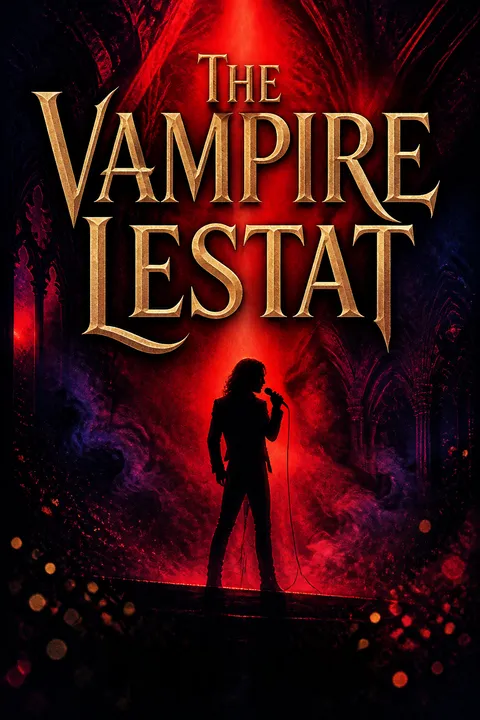
The story opens with Lestat, the immortal vampire, rising from decades of slumber in 1980s New Orleans. He is immediately struck by the vibrancy and decadence of the modern world, its music, fashion, and technology. The city pulses with life, and Lestat, ever the sensualist, is drawn to its energy. He is both an outsider and a participant, marveling at how the world has changed since his last waking. The allure of rock music and the freedom of the era inspire him to reinvent himself as a rock star, using his supernatural charisma to captivate mortals. Yet beneath the glamour, Lestat senses the loneliness and danger that come with his return, and the ancient rules of secrecy that his kind have always obeyed.
The Wolfkiller's Awakening
Flashing back to 18th-century France, we meet Lestat as a restless young nobleman, the "Wolfkiller," famed for his courage and wildness. Trapped in a decaying aristocratic family, he is haunted by existential dread and a yearning for meaning. His closest bond is with his enigmatic mother, Gabrielle, who alone understands his longing for freedom. Lestat's life is shaped by violence and loss, from his battle with wolves to his failed attempts to escape provincial life. The seeds of his future rebellion and hunger for transcendence are sown in these formative years, as he dreams of Paris, art, and a life beyond the suffocating traditions of his birth.
Bonds of Blood and Art
In the village, Lestat forms a passionate friendship with Nicolas, a fellow dreamer and musician. Their bond is forged in shared alienation and a mutual desire to escape. Together, they flee to Paris, where Lestat becomes an actor and Nicolas a violinist. The city is a revelation—full of art, philosophy, and danger. Lestat's love for Nicolas is deep and complex, tinged with rivalry and longing. Their time in the theater is a brief paradise, but the darkness of the world—and of their own natures—soon intrudes. The stage becomes a metaphor for the masks they wear and the roles they are forced to play, both as mortals and, soon, as immortals.
The Devil's Road to Paris
Lestat's life changes forever when he is abducted by Magnus, an ancient and deranged vampire. Magnus, seeking a worthy heir, forcibly transforms Lestat, bestowing upon him the "Dark Gift" of immortality. The process is both ecstatic and horrifying, a violent rebirth that severs Lestat from his mortal ties. Magnus's suicide leaves Lestat alone, burdened with power and ignorance. He inherits a fortune and a secret lair, but also the crushing responsibility of his new existence. Lestat's first nights as a vampire are a fever dream of hunger, discovery, and terror, as he learns the rules of his kind and the price of his transformation.
The Theater of Mortals
Lestat attempts to maintain his connection to humanity by returning to the theater and to Nicolas. He is torn between his love for his friend and the need to conceal his true nature. The tension between the mortal and immortal worlds becomes unbearable, culminating in tragedy. Lestat's efforts to protect Nicolas and his former companions only draw them into danger. The theater, once a sanctuary, becomes a stage for betrayal and loss. Lestat's isolation deepens as he realizes that immortality cannot shield him from suffering or from the consequences of his choices.
The Legacy of Magnus
Alone in his tower, Lestat grapples with the legacy left by Magnus: immense wealth, supernatural strength, and a profound sense of alienation. He explores the limits of his abilities, testing his strength and senses, but finds little solace. The rules of vampire society—secrecy, isolation, the prohibition against revealing their existence—press upon him. Lestat's rebellious spirit chafes against these constraints, and he dreams of breaking the silence that has defined his kind for centuries. Yet he is haunted by the fate of other vampires, the dangers of exposure, and the specter of ancient enemies.
The Making of a Monster
Lestat's loneliness drives him to create new companions. He transforms his dying mother, Gabrielle, into a vampire, granting her the freedom she always desired. Their relationship is transformed, becoming both more intimate and more distant. Lestat also gives the Dark Gift to Nicolas, but the result is disastrous. Nicolas, unable to bear the burden of immortality, descends into madness and self-destruction. Lestat is forced to confront the consequences of his actions, the limits of his power, and the impossibility of saving those he loves from the darkness within themselves.
The Children of Darkness
Lestat and Gabrielle are drawn into the world of the Children of Darkness, an ancient coven led by the enigmatic Armand. The coven is bound by archaic rituals and a fanatical devotion to secrecy and suffering. Lestat's defiance and modernity threaten their order, and he becomes both a target and a catalyst for change. The confrontation between Lestat and Armand is a clash of philosophies—old world versus new, repression versus rebellion. The coven's collapse is inevitable, and Lestat's actions set in motion a transformation that will reverberate through vampire society for centuries.
The Mother's Dark Gift
Gabrielle, now immortal, embraces her new existence with a fierce independence that both inspires and wounds Lestat. She rejects the trappings of civilization, seeking freedom in the wild places of the world. Their bond is tested as Gabrielle pursues her own path, leaving Lestat to face the loneliness of immortality once more. Her departure is both a liberation and a loss, a reminder that even the deepest love cannot conquer the solitude at the heart of the vampire's existence.
The Savage Garden Revealed
Lestat reflects on the "Savage Garden"—the world as a place of beauty, violence, and indifference. He struggles to find meaning in his existence, torn between the desire for goodness and the reality of his predatory nature. Encounters with mortals and immortals alike force him to confront the limits of morality, the inevitability of suffering, and the possibility of transcendence. The Savage Garden becomes both a metaphor for the world and a challenge to Lestat's restless spirit.
The Ancient Ones' Secret
Lestat's quest for knowledge leads him to Marius, an ancient and wise vampire who holds the secrets of their kind. Marius reveals the history of the vampires, the story of Those Who Must Be Kept—Akasha and Enkil, the original King and Queen. Lestat learns of the accidental creation of vampires, the dangers of the blood, and the interconnectedness of all immortals. The revelation is both awe-inspiring and terrifying, as Lestat realizes the fragility of their existence and the power that lies at the heart of their lineage.
The Price of Immortality
Marius warns Lestat of the dangers of immortality—the madness, the loneliness, the temptation to destroy or to rule. Lestat is forced to confront the consequences of his actions, the pain he has caused, and the impossibility of escaping the past. The knowledge of the ancient ones is both a gift and a curse, offering wisdom but also the weight of responsibility. Lestat's desire for meaning is tested against the reality of endless time and the inevitability of loss.
The Vampire's Lament
As the years pass, Lestat is haunted by the ghosts of those he has loved and lost—Nicolas, Gabrielle, Armand, and others. He wanders the world, seeking solace in art, music, and fleeting connections. The pain of immortality becomes acute, and Lestat contemplates the possibility of ending his existence. Yet even in despair, he is drawn to the beauty and vitality of the world, unable to relinquish his longing for life and meaning.
The Age of Innocence Ends
Lestat awakens in the twentieth century to a world transformed by science, technology, and secular morality. The old taboos and superstitions have faded, and vampires must adapt or perish. Lestat's decision to reveal himself as a rock star is both a rebellion and a challenge to the ancient order. He seeks to draw out the other immortals, to force a reckoning between the old and the new. The age of innocence is over, and the war for the soul of the vampire has begun.
The Gathering Storm
Lestat's fame and defiance provoke the wrath of other vampires, who see his actions as a threat to their secrecy and survival. Threats and attacks multiply as Lestat prepares for his first concert in San Francisco. The tension between the desire for visibility and the need for concealment reaches a breaking point. Lestat is forced to confront the consequences of his rebellion, the dangers of fame, and the reality of his own vulnerability.
The War of the Undead
The concert becomes a battleground as rival vampires attempt to destroy Lestat and his companions. Supernatural powers are unleashed, and the struggle between old and new, secrecy and revelation, erupts into open conflict. Allies and enemies are revealed, and the true extent of Lestat's power—and the power of those who protect him—is made manifest. The war of the undead is both a spectacle and a reckoning, a test of Lestat's vision and resolve.
The Gilded Stage
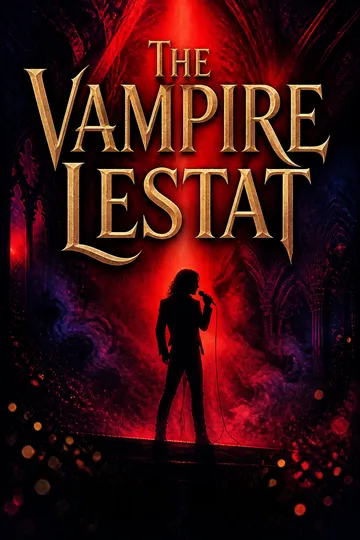
Lestat's concert is a triumph of art and spectacle, a fusion of mortal and immortal energies. The boundaries between reality and illusion blur as Lestat embraces his role as both monster and icon. The stage becomes a place of revelation, where the secrets of the vampires are both hidden and exposed. The performance is a catharsis, a moment of transcendence and danger, as Lestat claims his place in the modern world.
The Queen Stirs
In the aftermath of the concert, Lestat senses a new and ancient danger: Akasha, the Queen of the Damned, has awakened. Her power is beyond comprehension, and her intentions are unknown. The old order is shattered, and the future is uncertain. Lestat stands at the threshold of a new era, haunted by the past and drawn inexorably toward the unknown. The story ends with the promise of further adventures, as the war for the soul of the vampire—and of humanity itself—begins anew.
Analysis
Anne Rice's The Vampire Lestat is a sweeping meditation on immortality, rebellion, and the search for meaning in a world stripped of old certainties. Through Lestat's journey—from provincial France to the stages of Paris, from the darkness of the crypt to the glare of the modern spotlight—the novel explores the psychological and existential dilemmas of the outsider. Lestat is both monster and visionary, driven by a hunger for beauty, love, and transcendence. The story interrogates the nature of good and evil, the burden of power, and the loneliness of immortality. Rice uses the vampire myth to examine the collapse of tradition, the rise of secular morality, and the enduring human need for connection and purpose. The novel's structure—blending past and present, action and reflection—mirrors the complexity of its themes. Ultimately, The Vampire Lestat is a story about the cost of self-creation, the pain of loss, and the possibility of transformation. It challenges readers to confront the darkness within themselves and to find meaning in the Savage Garden of existence.
Review Summary
The Vampire Lestat receives mostly positive reviews, with readers praising Anne Rice's lyrical prose and complex character development. Many find Lestat more compelling than Louis from the first book, appreciating his backstory and the deeper exploration of vampire mythology. Some critics note the book's length and occasional slow pacing. Readers are divided on Lestat's character, with some finding him charismatic and others self-absorbed. The novel's historical settings and philosophical themes are generally well-received, though some find the introspection excessive.
People Also Read
Characters
Lestat de Lioncourt
Lestat is the charismatic and defiant protagonist, a vampire who refuses to accept the limitations imposed by his kind. Born into a decaying French aristocracy, he is driven by a hunger for meaning, beauty, and connection. Lestat's relationships—with his mother Gabrielle, his friend and lover Nicolas, his fledglings, and the ancient vampires—are marked by passion, conflict, and loss. He is both a monster and a visionary, torn between the desire for goodness and the reality of his predatory nature. Lestat's journey is one of self-discovery, rebellion, and transformation, as he seeks to redefine what it means to be immortal in a changing world. His psychological complexity lies in his refusal to accept despair, his relentless pursuit of experience, and his willingness to challenge both mortal and immortal conventions.
Gabrielle de Lioncourt
Gabrielle is Lestat's enigmatic mother, the only mortal who truly understands him. After being transformed into a vampire by Lestat, she embraces immortality with a fierce independence, rejecting the constraints of civilization and seeking freedom in the wild. Gabrielle's relationship with Lestat is both intimate and distant, marked by mutual admiration and inevitable separation. She represents the possibility of transcendence, the allure of the unknown, and the pain of letting go. Psychologically, Gabrielle is driven by a longing for autonomy and a refusal to be defined by others, even her beloved son.
Nicolas de Lenfent
Nicolas is Lestat's closest companion in youth, a gifted violinist and fellow dreamer. Their bond is forged in shared alienation and artistic longing. After being transformed into a vampire, Nicolas is unable to bear the burden of immortality, descending into madness and self-destruction. His fate is a mirror of Lestat's fears and desires, a testament to the dangers of the Dark Gift. Nicolas's psychological arc is one of longing, envy, and despair, as he is consumed by the very passions that once gave him life.
Magnus
Magnus is the vampire who forcibly transforms Lestat, seeking a worthy heir before ending his own existence. He is a figure of both power and madness, embodying the dangers and mysteries of the vampire lineage. Magnus's legacy is one of loneliness, secrecy, and the burden of knowledge. His actions set Lestat on a path of rebellion and self-discovery, but also leave him isolated and ignorant. Magnus represents the dark inheritance of the vampire, the price of power, and the inevitability of loss.
Armand
Armand is the leader of the Parisian vampire coven, the Children of Darkness. He is both ancient and eternally youthful, a figure of wisdom and suffering. Armand's devotion to secrecy and ritual is challenged by Lestat's modernity and defiance. Their relationship is a clash of philosophies, a struggle for meaning in a world that has outgrown its old gods. Armand's psychological complexity lies in his longing for guidance, his fear of change, and his capacity for both cruelty and love.
Marius
Marius is the wise and compassionate vampire who holds the history of their kind. He is the guardian of Those Who Must Be Kept—Akasha and Enkil, the original vampires. Marius's relationship with Lestat is that of mentor and confidant, offering knowledge, warning, and the possibility of redemption. Psychologically, Marius is marked by patience, curiosity, and a deep sense of responsibility. He embodies the tension between tradition and innovation, secrecy and revelation.
Akasha
Akasha is the original vampire, the source of the bloodline, and the embodiment of ancient power. She is both goddess and monster, silent and inscrutable for centuries. Her awakening signals a new era of danger and possibility. Akasha's psychological presence is one of overwhelming will, indifference to suffering, and the potential for both creation and destruction. She is the ultimate Other, the mystery at the heart of the vampire myth.
Enkil
Enkil is Akasha's consort, the original King of the Damned. He is both protector and captor, enforcing the silence and stillness of the ancient ones. Enkil's relationship with Akasha is one of possessiveness and control, a reflection of the dangers of power without compassion. Psychologically, Enkil is defined by his rigidity, his resistance to change, and his capacity for violence.
The Children of Darkness (Paris Coven)
The Parisian coven, led by Armand, represents the old order of vampire society—bound by secrecy, ritual, and suffering. Their fear of exposure and their devotion to archaic laws make them both dangerous and vulnerable. The coven's collapse under Lestat's influence is a metaphor for the end of superstition and the rise of modernity. Psychologically, they are marked by fear, conformity, and the inability to adapt.
The Vampire Lestat's Band
In the modern era, Lestat forms a rock band with mortal musicians, using his charisma and power to captivate audiences. The band members—Tough Cookie, Alex, Larry—are both collaborators and innocents, drawn into the orbit of Lestat's rebellion. Their presence highlights the enduring allure of the vampire myth and the dangers of proximity to the immortal.
Plot Devices
Dual Narrative Structure
The novel employs a dual narrative, alternating between Lestat's 18th-century origins and his resurrection in the 20th century. This structure allows the reader to experience both the historical evolution of the vampire myth and Lestat's personal transformation. The interplay of past and present deepens the psychological complexity of the story, revealing how memory, trauma, and longing shape identity.
The "Dark Gift" and Vampire Rules
The process of becoming a vampire—the "Dark Gift"—is central to the plot. It is depicted as both ecstatic and horrifying, a rebirth that severs the recipient from humanity. The rules of vampire society—secrecy, prohibition against revealing their existence, the dangers of sunlight and fire—create tension and drive the narrative. The consequences of breaking these rules are explored through Lestat's rebellion and the collapse of the old order.
The Theater as Metaphor
The theater recurs as a central metaphor, representing the roles that mortals and immortals play, the masks they wear, and the boundaries between reality and illusion. Lestat's career as an actor, his return to the theater as a vampire, and his transformation into a rock star all underscore the performative nature of identity and the longing for recognition.
Philosophical Dialogue and Internal Monologue
The novel is rich in philosophical dialogue and introspection, as characters debate the nature of good and evil, the meaning of immortality, and the possibility of redemption. Lestat's internal monologue is a vehicle for exploring psychological depth, moral ambiguity, and the search for purpose.
Foreshadowing and Prophecy
The narrative is laced with foreshadowing, from the warnings of ancient vampires to the awakening of Akasha. Prophetic dreams, visions, and the sense of impending doom create suspense and drive the story toward its climactic revelations.
The Savage Garden
The concept of the "Savage Garden"—the world as a place of beauty, violence, and indifference—serves as both a philosophical framework and a plot device. It shapes Lestat's worldview, his struggle for meaning, and his relationship to both mortals and immortals.
The Queen's Awakening
The awakening of Akasha, the Queen of the Damned, is foreshadowed throughout the novel and serves as the catalyst for the next stage of the story. Her emergence signals the end of the old order and the beginning of a new era of danger and possibility.
The Vampire Chronicles Series
About the Author
Download PDF
Download EPUB
.epub digital book format is ideal for reading ebooks on phones, tablets, and e-readers.








































