
Plot Summary
A Reckoning in the Desert
In the desolate Xārōmand Desert, a determined woman braves ancient curses and her own mortality to find the Lost Temple of Time. She sacrifices blood and years of her life to draw the dangerous zuvrai rune, opening the way to a place haunted by the massacre of Seers. Within, she summons Faragathe, the Wretched Seer of Sleep—a goddess scorned and erased from history. The goddess, both terrifying and alluring, is offered a pact: vengeance and recognition in exchange for her support. Faragathe accepts, promising to stand behind the mortal, setting in motion a chain of events that will shake the nation of Ur Dinyé. The cost of power, and the scars it leaves, are made clear from the very beginning.
Summoning the Forgotten Goddess
The summoner's desperate act is not just for personal revenge but to upend a corrupt system. Faragathe, once a human priestess burned for heresy, is now a minor god who thrives on fear and nightmares. The summoner's plea is for the goddess to shroud the land in her influence, to make the world remember her name and tremble. Faragathe, moved by the offer of recognition and the promise of chaos, agrees to lend her power. This alliance between mortal and god is both a warning and a prophecy: when the infinite touches the finite, the world is forever changed, and blood will answer blood.
The Unraveling of Edessa
Eight months after the Great Unraveling—when Sarai, a northern Petitor, summoned Death and killed the tyrant Aelius—Edessa is a city on edge. Sarai faces an Inquisitorial Hearing, accused of heresy and violence. The public, once supportive, now turns on her and her lover, Magus Supreme Kadra, as omens and plagues spread. The Tetrarchy is fractured, and the religious Order seeks to reclaim power. Sarai's every action is scrutinized, her scars both literal and symbolic of the wounds the city refuses to heal. The hearing becomes a battleground for truth, power, and the right to define justice.
Trial by Inquisition
Sarai stands before the Inquisitors, forced to defend her actions and her very existence. The Order manipulates public opinion, using fear and religious fervor to paint her as a servant of Ruin. The hearing exposes the deep divisions in Edessa—between north and south, faith and reason, old power and new. Sarai's love for Kadra is used against her, and her survival is seen as unnatural. Yet, through wit and defiance, she turns the accusations back on her accusers, exposing their hypocrisy and the corruption at the heart of the Order. The outcome is a temporary victory, but the seeds of civil unrest are sown.
Power and Prejudice
As Sarai and Kadra attempt to govern, they are beset by riots, plagues, and the machinations of the Guilds and the Order. The north starves while the south hoards resources, and the ancient Distribution Act ensures inequality. Sarai faces bigotry for her origins and gender, while Kadra's reforms are met with resistance. The Guilds manipulate shortages for profit, and the Order foments unrest. The couple's love is both a source of strength and a vulnerability, as enemies seek to exploit their bond. The struggle to enact justice in a land built on injustice becomes a daily battle.
The North's Silent Suffering
Sarai travels north, uncovering the true extent of the suffering ignored by Edessa. The beetle plague devastates towns, and whitesleep—a drug born of pain—spreads addiction and death. The north's pride and endurance are matched only by its resentment of the south. Sarai's return to her hometown is met with hostility, and she discovers that the cycle of abuse and scapegoating is as entrenched here as in the capital. The realization that violence and neglect are woven into the fabric of the nation forces her to confront her own limitations and the impossibility of saving everyone.
Plague and Omens
The beetle plague reaches Edessa, carried by infected goods and people. The city descends into paranoia as the Order seizes on the crisis to call for Sarai's exorcism. The madness-struck rave about eyes and reckonings, and the line between disease and curse blurs. Sarai and Kadra race to find the source, but every answer leads to more questions. The true enemy remains hidden, manipulating events from the shadows. The city's fear becomes a weapon, turning neighbor against neighbor and threatening to ignite civil war.
The Weight of Guilt
Sarai and Kadra, both haunted by past wounds, struggle to support each other while bearing the burdens of leadership. Their relationship is a refuge, but also a crucible where guilt, fear, and longing are laid bare. Kadra's secrets—his origins in the infamous Clan Kader, his role in creating whitesleep, and his pact with the god Wrath—threaten to unravel the trust between them. Sarai's own scars, both physical and emotional, are reminders of the cost of survival in a world that punishes the vulnerable. Together, they must decide what they are willing to sacrifice for each other and for the land.
The Coup of Shadows
Noceo, Kadra's estranged brother and a powerful Coercer, orchestrates a coup with the help of Dalvia, a True Illusionist and Bridger. Using drugs, manipulation, and magic, they bring Edessa to its knees, turning the city's own people into weapons. The Aequitas, symbol of justice, is destroyed in a lightning-fueled massacre. The Tetrarchy is overthrown, and Sarai is nearly killed. The true nature of power—its ability to corrupt, to coerce, and to destroy—is laid bare. The survivors must regroup and confront the reality that the greatest threats come not from without, but from within.
Madness in the City
As the city reels from the coup, a greater horror emerges: Faragathe, the Wretched Seer of Sleep, has been summoned and now feeds on the unconscious minds of the populace. Madness and death spread like wildfire, and the line between reality and nightmare blurs. Sarai and Kadra, aided by unlikely allies, race to uncover the source of the curse. The revelation that Dalvia, driven by pain and a longing for power, is the Summoner, forces them to confront the consequences of neglect, trauma, and the desire for agency. The battle becomes not just for the city, but for the soul of the nation.
The Sins of the Past
The truth of Kadra and Noceo's childhood is revealed: abuse, betrayal, and the desperate quest for freedom. Noceo's obsession with power and vengeance is rooted in wounds that never healed, while Kadra's guilt and self-loathing are the scars of survival. Dalvia's complicity is born of her own suffering and the belief that only destruction can bring change. The past is not dead—it shapes every choice, every alliance, and every act of violence. Only by facing these truths can the cycle of harm be broken.
Brothers and Betrayal
Kadra and Noceo's rivalry comes to a head as the city teeters on the brink of annihilation. Each is forced to confront the other's pain and their own role in perpetuating it. The battle is not just of magic and might, but of memory and meaning. In the end, it is not victory that matters, but the willingness to see and be seen, to offer and accept forgiveness. The cost of survival is high, but the cost of refusing to change is higher still.
The God in the Sky
Faragathe's power reaches its zenith as she offers Kadra a terrible bargain: the life and happiness of Sarai in exchange for the city. In a vision, Kadra is forced to relive his greatest regret—the night of Sarai's fall—and must choose between love and duty. Refusing to surrender, he uses the power granted by Wrath to break the goddess's hold, shattering the dream and freeing the city from her grasp. The lesson is clear: gods may offer power, but it is mortals who must bear the consequences.
The Price of Power
With the city saved, Sarai is offered the formula for the stimulant that granted Noceo his power. The allure of agency and respect is strong, but she recognizes the danger of becoming what she hates. In a moment of clarity, she destroys the formula, choosing integrity over domination. Kadra, too, rejects the legacy of his Clan, embracing the possibility of a different future. Together, they affirm that true power lies not in coercion, but in the courage to choose compassion and restraint.
The Fall of the Tetrarchy
The aftermath of the crisis sees the dissolution of the Tetrarchy and the formation of a new council representing both north and south. The Guilds are held accountable, and long-overdue reforms begin. Noceo faces justice, and the survivors reckon with the cost of survival. The wounds of the past are not easily healed, but the possibility of change—however incremental—offers hope. Sarai and Kadra, scarred but unbroken, find solace in each other and in the work of rebuilding.
The Wretched's Bargain
Wrath reveals to Kadra that his power was always his own, and that the true test was in how he wielded it. Faragathe's legacy is a warning: the desire for vengeance and recognition can consume even the most well-intentioned. The gods are not saviors, but mirrors of human ambition and folly. The survivors must learn to live with the consequences of their choices, and to find meaning in the struggle for justice, even when the world resists.
Truth and Consequence
Sarai and Kadra, having faced their own darkness and each other's, choose to build a life together. Their love is not a panacea, but a partnership forged in adversity. The lessons of the past—about power, trauma, and the necessity of change—inform their leadership and their bond. The city, too, begins to heal, as old divisions are acknowledged and new alliances formed. The work is ongoing, but the possibility of a better future remains.
Rebuilding from Ashes
As spring returns, the survivors gather to celebrate the anniversary of Sarai's Robing. The city is scarred but alive, its people chastened but resilient. The new council, the reforms, and the hard-won peace are fragile, but they are real. Sarai and Kadra, surrounded by friends and allies, look to the future with cautious optimism. The story ends not with triumph, but with the quiet, persistent work of healing and the recognition that even in a world of gods and monsters, humanity endures.
Analysis
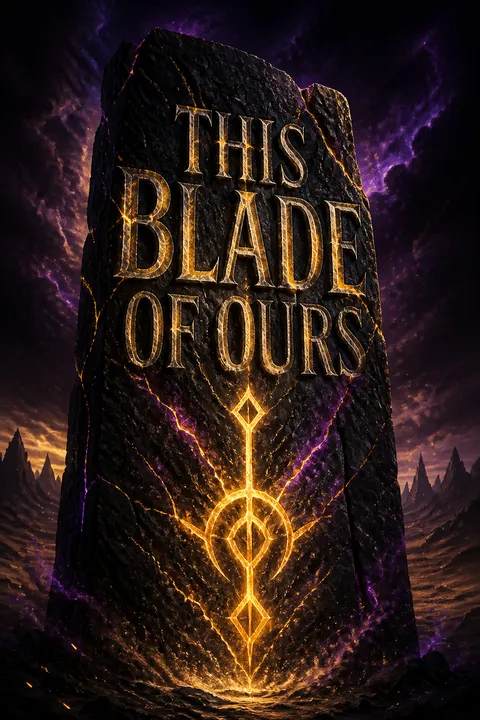
A modern reckoning with power, trauma, and the possibility of changeThis Blade of Ours is a dark, intricately layered fantasy that interrogates the nature of power—who wields it, who suffers under it, and what it costs to claim it. Through the intertwined stories of Sarai, Kadra, Noceo, and Dalvia, the novel explores how trauma begets trauma, how systems of oppression are perpetuated by both victims and perpetrators, and how the longing for agency can lead to both healing and destruction. The gods in this world are not benevolent arbiters, but mirrors of human ambition, pain, and the desire for recognition. The story refuses easy answers: justice is always compromised, love is never a panacea, and survival often means carrying unbearable burdens. Yet, the novel ultimately affirms the possibility of change—not through grand gestures or divine intervention, but through the slow, painful work of honesty, acceptance, and the refusal to become what one hates. In a world where the scars of the past threaten to dictate the future, This Blade of Ours dares to imagine that healing is possible, and that even the most broken can choose to build something new from the ashes.
Review Summary
Characters
Sarai
Sarai is a northern-born Petitor whose journey from abused barmaid to political leader is marked by trauma, resilience, and a fierce commitment to justice. Her relationship with Kadra is both a source of strength and vulnerability, as their love is weaponized by enemies and scrutinized by the public. Sarai's magic—rooted in truth and memory—mirrors her psychological struggle to reconcile her past with her present. She is scarred, both physically and emotionally, and her greatest fear is powerlessness. Yet, she refuses to become a tyrant, even when offered the means to do so. Her arc is one of self-acceptance, learning to wield her agency without losing her compassion, and daring to hope for a future beyond survival.
Kadra (Drenevan bu Kadra)
Kadra is the Magus Supreme, a man forged in the crucible of Clan Kader's cruelty. His childhood was a litany of abuse, violence, and forced complicity, leaving him with a fractured sense of self and a deep well of guilt. He is brilliant, ruthless, and feared, yet his love for Sarai reveals a capacity for tenderness and vulnerability. Kadra's pact with Wrath and his creation of whitesleep are both attempts to atone and to protect. His greatest struggle is to believe himself worthy of love and redemption. Through his relationship with Sarai, he learns that survival is not enough—that healing requires honesty, acceptance, and the courage to change.
Noceo bu Kader
Noceo is Kadra's half-brother and the architect of the coup that nearly destroys Edessa. Gifted with the power of Coercion, he is driven by a desperate need for agency and recognition, rooted in childhood trauma and the loss of his first love. Noceo's inability to process grief and betrayal leads him to rewrite his own memories, casting himself as a victim and Kadra as the villain. His alliance with Dalvia and his use of stimulants are attempts to fill the void within, but ultimately, he is undone by his own lies. Noceo's arc is a cautionary tale about the dangers of unchecked ambition and the corrosive power of self-deception.
Dalvia Am Semni / Méherre
Dalvia is a True Illusionist and Bridger, the last of her Clan, and the secret Summoner of Faragathe. Her life is defined by abuse, neglect, and the belief that only destruction can bring change. As Méherre, she finds a voice and agency denied to her as Dalvia, but her actions—farming the plague victims for power and unleashing a god—are born of pain and a longing for recognition. Dalvia's relationship with Noceo is both a lifeline and a shackle, and her ultimate fate is a tragic surrender to the very forces she sought to control. She embodies the dangers of internalized powerlessness and the longing for escape.
Faragathe
Faragathe, once a human priestess, is now the Wretched Seer of Sleep—a god who thrives on fear and the suffering of the guilty. Her pact with the mortal summoner is both a bid for recognition and a means of enacting vengeance on a world that burned her. Faragathe's power is seductive, offering mortals the illusion of agency while feeding on their pain. She is both a warning and a reflection of the consequences of unchecked trauma and the desire for retribution. Her presence in the story blurs the line between divine justice and monstrous cruelty.
Cassandane
Cassandane is the first female Head Tetrarch, navigating the treacherous waters of politics, sexism, and religious opposition. She is shrewd, resilient, and often forced to make compromises for the sake of stability. Her friendship with Sarai and Kadra is tested by crisis after crisis, but she remains a steadfast ally. Cassandane's arc is one of endurance—holding the line against chaos while recognizing the limits of incremental change. She represents the challenges faced by women in power and the necessity of solidarity in the face of systemic injustice.
Anek
Anek is a gender-nonconforming Petitor who serves as a bridge between factions and a source of pragmatic wisdom. They endure bigotry and violence with wit and resilience, supporting Sarai and Cassandane through political and personal upheaval. Anek's presence highlights the intersectionality of oppression and the importance of chosen family. Their arc is one of survival and quiet heroism, reminding others not to let the job consume their humanity.
Harion
Harion is a young, newly elected Tetrarch whose rise is fueled by Guild support and personal insecurity. He is self-serving, often siding with power, but is not without moments of conscience. Harion's arc is a study in the seductions and pitfalls of political ambition, and his eventual willingness to support reform is hard-won. He serves as both a foil and a cautionary example for the other leaders.
Gaius
Gaius is Kadra's chief vigile and confidant, embodying the virtues of loyalty, integrity, and humility. He is a stabilizing force amid chaos, often providing the practical support that allows others to lead. Gaius's near-death and recovery are emblematic of the sacrifices made by those who serve without recognition. His presence is a reminder that true power often lies in steadfastness and service.
The Elsarian Order (Verentia, Blasius, Silvus)
The Order is a collective antagonist, wielding faith as a weapon to maintain control and suppress dissent. Its leaders—Verentia, Blasius, Silvus—are skilled at exploiting public anxiety, turning truth into spectacle and violence into legitimacy. Their arc is one of decline, as their inability to adapt to change and their reliance on scapegoating ultimately undermine their authority. The Order represents the dangers of institutionalized dogma and the ease with which power can be abused in the name of righteousness.
Plot Devices
Dual Narratives and Interwoven Timelines
The novel employs a dual narrative structure, alternating between the present-day political and magical crises and flashbacks to the traumatic childhoods of Kadra, Noceo, and Dalvia. These interwoven timelines serve to reveal the origins of the characters' motivations, the roots of their pain, and the cyclical nature of violence and power. The use of dreams, visions, and magical memory probes blurs the line between subjective and objective truth, forcing both characters and readers to question the reliability of perception and the possibility of change.
Magic as Metaphor for Trauma and Agency
Magic in the novel is deeply tied to blood, ancestry, and personal sacrifice. The act of drawing runes in blood, the draining cost of Summoning, and the addictive dangers of whitesleep all serve as metaphors for the ways in which trauma, pain, and the desire for agency shape individual and collective destinies. The stimulant that grants Noceo his power is both a literal and figurative poison, offering the illusion of control while exacting a terrible price. The gods themselves are not saviors, but reflections of human ambition, suffering, and the longing for recognition.
Political Intrigue and Social Commentary
The plot is driven by the interplay of political, religious, and economic forces—Guilds, the Tetrarchy, the Order, and the north-south divide. The use of public trials, coups, and hearings as narrative set pieces allows for the dramatization of systemic injustice and the ways in which power is maintained through spectacle, scapegoating, and the manipulation of truth. The personal is always political, and the characters' private wounds are echoed in the public crises that threaten to tear the nation apart.
Foreshadowing and Symbolism
The novel is rich in foreshadowing, with dreams, omens, and repeated phrases ("a reckoning has followed in your wake") signaling the approach of catastrophe. The use of eyes, blood, and hands as recurring symbols underscores the themes of surveillance, guilt, and agency. The gods' interventions are always double-edged, offering power at the cost of autonomy and demanding payment in suffering. The final confrontation with Faragathe literalizes the struggle between fate and free will, and the necessity of choosing one's own path.








































