Plot Summary
Apple Cake and Farewells
Jeanne, the youngest of three sisters, lies dying in her Boston home, surrounded by her sisters Helen and Sylvia, her sons, daughters-in-law, and grandchildren. The family's history, rivalries, and love surface as they navigate the awkwardness and pain of waiting for Jeanne's passing. Old wounds and unspoken guilt mingle with the comfort of familiar rituals—baking, music, and the sharing of apple cake. Jeanne's wishes for no funeral or burial are debated, revealing the family's struggle to honor her autonomy while clinging to tradition. In the end, Jeanne's death does not resolve the sisters' differences; instead, it leaves Helen and Sylvia estranged, each mourning in her own way, unable to reconcile even as the next generation pleads for peace.
New Frames, New Selves
Richard, Sylvia's son, is newly divorced and navigating life with his young girlfriend, Corinne, while co-parenting his daughters, Sophie and Lily. His new relationship, midlife insecurities, and the challenge of blending families are mirrored in his literal need for new glasses—frames that change how he sees himself and how others see him. The tension between past and present, responsibility and desire, is heightened by his ex-wife Debra's scrutiny and his daughters' adjustment to change. Richard's attempts at self-improvement and happiness are complicated by guilt, parental anxiety, and the ever-present judgment of family and friends. The clarity he seeks is elusive, as every new lens brings both revelation and discomfort.
Phoebe's Return to Music
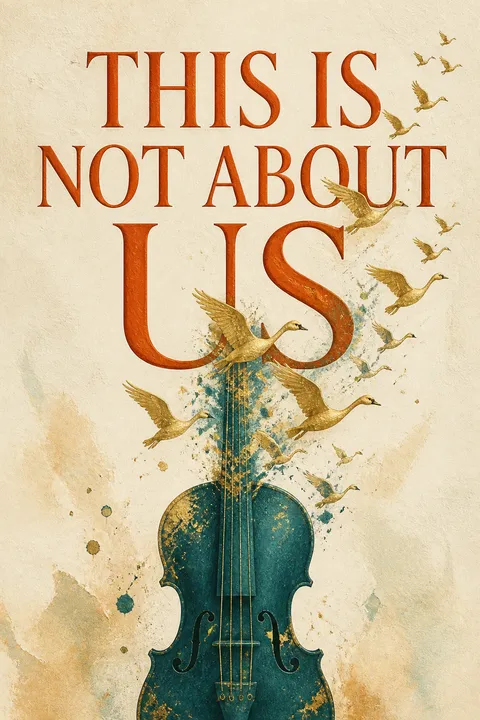
Phoebe, Dan and Melanie's daughter, returns home after a breakup and a difficult year. She is adrift, sleeping away her days, unable to articulate her pain or plans. Her parents, anxious and loving, try to help but only add to her sense of failure. The turning point comes when Phoebe rediscovers her late grandmother Jeanne's violin and begins busking in Penn Station. The act of playing—imperfectly at first—restores her sense of self and purpose. Her parents' discovery of her secret brings both pride and worry, but ultimately, Phoebe's music becomes a bridge back to herself and her family, even as she resists being defined by their expectations.
Swan Girls and Sixth Grade
Lily, Richard and Debra's younger daughter, struggles with school, social pressures, and her own sensitivity. She escapes into writing a novel about Ambrose, a girl who turns into a swan at night, mirroring her own longing for transformation and belonging. Her parents, teachers, and therapists try to help, but often misunderstand her needs. The family's divorce, Lily's academic struggles, and her fraught relationship with her older sister Sophie create a sense of isolation. Yet, through writing and dance, Lily finds moments of agency and connection, even as she navigates the bewildering landscape of adolescence.
Sisters, Secrets, and Kumquats
Helen, the eldest sister, is haunted by her lack of grandchildren and her rift with Sylvia. She channels her energy into baking, volunteering, and maintaining order, but feels increasingly out of step with her family and the world. Her interactions with her great-niece Phoebe reveal both her desire to help and her inability to soften her judgments. The metaphor of the kumquat—bitter, bracing, and misunderstood—captures Helen's self-awareness and her struggle to connect. The sisters' feud, rooted in pride and old wounds, persists despite the passage of time and the pleas of their children.
Gifts, Grudges, and Wendybird
Wendy, Helen's daughter, is the family's peacemaker and creator, knitting hats and sending cards even as her gestures go unacknowledged. Her relationship with her sister Pam is strained by silence and misunderstanding, while her marriage to Jill offers a model of directness and acceptance. The story of a lost hat—meant as a gift, destroyed by a dog—becomes a symbol of the family's tangled emotions and the difficulty of giving and receiving love. Wendy's resilience and creativity stand in contrast to the grudges and disappointments that shadow the older generation.
Passover and Family Fractures
The Rubinstein family gathers for Passover, a holiday fraught with memories of their late father Irving's intensity and the weight of inherited trauma. Dan's obsessive preparations and insistence on a vegan seder for Phoebe and her boyfriend Wyatt spark conflict with his brother Steve and their wives. The rituals of the holiday—meant to unite—become battlegrounds for control, resentment, and the longing for connection. Yet, amid the arguments and exhaustion, moments of joy and reconciliation emerge, especially through music and the younger generation's irreverence.
Lost and Found: Sheba
Jamie, a dog walker and aspiring divinity student, loses Sheba, a melancholy poodle belonging to a Nobel laureate. The frantic search, aided by friends and strangers, becomes a journey of self-reproach and redemption. Jamie's relationships—with her roommates, her sister, and a new romantic interest—are tested by her sense of failure. The eventual recovery of Sheba, after a harrowing encounter, brings relief but also a deeper understanding of trust, forgiveness, and the limits of control. The story echoes the novel's larger themes of loss, repair, and the messy work of loving.
Tanglewood Reunion
The extended family gathers at Tanglewood, the site of past picnics and musical evenings. The reunion is bittersweet, marked by the absence of the older generation and the presence of new partners and children. Phoebe and Wyatt's visit brings energy and nostalgia, as their music rekindles memories and bridges generational divides. Yet, the tensions between parents and children, siblings and spouses, persist—manifesting in small conflicts and moments of grace. The concert, the sharing of apple cake, and the rituals of summer evoke both the beauty and the fragility of family ties.
Days of Awe and Estrangement
Yom Kippur brings the family together in Boston, but the holiday's themes of repentance and reconciliation are shadowed by the ongoing feud between Helen and Sylvia. Lily's struggles with fasting, her grandmother's grief, and the sisters' chance encounter at the cemetery highlight the costs of pride and the longing for connection. The rabbi's sermon about two brothers giving to each other in secret becomes a parable for the family's missed opportunities for generosity and understanding. The chapter ends with a fragile vow between Lily and Sophie to never become estranged, even as the adults remain locked in silence.
This Is Not About Us
Richard finds unexpected happiness with Heather, Lily's Bat Mitzvah tutor, as they navigate the complexities of blended families and new beginnings. The Bat Mitzvah itself becomes a test of family dynamics, with Debra's pride and pain, Sylvia's longing for tradition, and Lily's own voice emerging through poetry. The event is both a culmination and a turning point, as secrets are revealed, relationships shift, and the family learns—imperfectly—to prioritize the needs and dreams of the next generation over old grievances.
Challenges and New Beginnings
Steve and Andrea, Jeanne's son and daughter-in-law, face unemployment, the pressures of parenting, and the challenge of launching their son Nate into adulthood. The family's legacy of long marriages and high expectations weighs heavily, but moments of honesty and humor offer relief. Steve's struggle to find meaningful work, Andrea's efforts to support her students and family, and Nate's journey through college applications reflect the broader themes of resilience, adaptation, and the acceptance of imperfection.
The Last Grown-Up
Debra, now single, grapples with the realities of co-parenting, the end of her marriage, and the prospect of Richard's new family with Heather. Her efforts to maintain stability for Sophie and Lily are complicated by her own feelings of loss and inadequacy. The rituals of daily life—cleaning, cooking, caring for the dog—become acts of love and survival. Debra's willingness to support Richard's engagement and impending fatherhood, even as it stings, marks a quiet triumph of maturity and generosity.
Money, Stories, and Survival
After Jeanne's death, her sons Dan and Steve inherit not just money but the burden of financial anxiety and the challenge of finding purpose. Steve's search for work leads him to ghostwriting family memoirs, a task that blurs the line between truth and nostalgia. The struggle to balance authenticity, creativity, and the demands of clients mirrors the family's broader negotiation between past and present, reality and ideal. The chapter explores the ways in which money, work, and storytelling shape identity and connection.
Nutcracker and Motherhood
Debra's daughters are consumed by ballet, their lives revolving around rehearsals, performances, and the demands of a perfectionist teacher. Debra's ambivalence about the dance world—its beauty and its dangers—reflects her own struggle to balance support and protection. The Nutcracker performance becomes a microcosm of the family's hopes and fears, as Lily shines and Sophie struggles with body image and self-doubt. The chapter ends with Debra's resolve to break the spell of unhealthy ambition, even as she recognizes the power of dreams and the difficulty of letting go.
Love, Loss, and Deal Breakers
Pam, Helen's daughter, finds unexpected romance with John, a divorced father, but their relationship is tested by the complexities of stepfamily dynamics and the weight of parental expectations. The planned meeting with John's daughter, Isabella, is repeatedly postponed, symbolizing the obstacles to intimacy and acceptance. Pam's parents, surprisingly open-minded, offer support, but Pam's own anxieties and the realities of adult relationships lead to disappointment. The chapter explores the limits of hope, the necessity of boundaries, and the bittersweet nature of second chances.
Poppy: A New Generation
The arrival of Richard and Heather's baby boy, named Mordechai Yaacov (Charlie), brings joy and anxiety to the family. Sylvia's pride is tinged with sorrow for Helen, still estranged and childless. The blizzard that threatens the bris, the improvised celebration, and the gifts of books from Helen (sent through Wendy) encapsulate the novel's themes of continuity, adaptation, and the enduring power of family. The baby's birth does not resolve old wounds, but it offers hope for renewal and the possibility of healing, even as the sisters remain apart.
Analysis
A modern tapestry of family, memory, and the search for meaning"This Is Not About Us" is a masterful exploration of the complexities of contemporary family life—its joys, sorrows, and enduring contradictions. Through interwoven stories and a chorus of distinct voices, Allegra Goodman examines how love and resentment, tradition and change, autonomy and belonging coexist within the same households and hearts. The novel's central lesson is that family is both a source of pain and a wellspring of resilience; that forgiveness is hard-won and often incomplete; and that the work of loving—like baking, music, or storytelling—is never finished. Goodman's characters are flawed, funny, and deeply human, their struggles with identity, legacy, and connection reflecting the broader dilemmas of modern life. Ultimately, the book invites readers to embrace imperfection, to honor both the sweetness and the bitterness of inheritance, and to find hope in the ongoing, imperfect work of making a family.
Review Summary
This Is Not About Us follows three generations of the Jewish-American Rubinstein family, beginning with a sister's death and a feud sparked by an apple cake recipe. Reviews average 3.6 stars, with many praising the intimate, character-driven writing and relatable family dynamics. Fans of Goodman's previous novel, Isola, had mixed reactions—some found this a worthy follow-up, others were disappointed. Common criticisms include slow pacing, too many POV switches, and lack of cohesion, while admirers appreciated its humor, warmth, and authentic portrayal of Jewish traditions.
Characters
Jeanne
Jeanne is the youngest of three sisters, a widow, mother, and beloved music teacher whose impending death brings her fractured family together. Her sharp wit, independence, and refusal to conform to others' expectations make her both admired and resented. Jeanne's relationships with her sisters, children, and grandchildren are marked by a mix of affection, disappointment, and unspoken grievances. Her insistence on autonomy in death—eschewing traditional burial and rituals—forces her family to confront their own beliefs and needs. Jeanne's legacy is both musical and emotional, her absence exposing the fault lines and enduring bonds among those she leaves behind.
Helen
Helen is defined by her sense of duty, her sharp tongue, and her longing for connection. As the only sister without grandchildren, she feels both superior and bereft, channeling her energy into baking, volunteering, and maintaining family traditions. Her inability to forgive perceived slights—especially from Sylvia—leads to a prolonged and painful rift. Helen's relationships with her daughters, Pam and Wendy, are complicated by her high standards and difficulty expressing vulnerability. Psychoanalytically, Helen embodies the tension between control and longing, her bracing honesty both a shield and a barrier to intimacy.
Sylvia
Sylvia is sensitive, anxious, and deeply invested in her family's well-being. Her pride in her son Richard and her granddaughters is shadowed by guilt over her estrangement from Helen and her sense of inadequacy. Sylvia's tendency to catastrophize and her need for reassurance often put her at odds with her more pragmatic relatives. She mourns the loss of her sisters' closeness and struggles to accept the changes brought by age, death, and the next generation's choices. Sylvia's psychological landscape is shaped by longing, regret, and the hope for reconciliation.
Richard
Richard is caught between the demands of co-parenting, the allure of new love, and the expectations of his family. His relationships—with his ex-wife Debra, his daughters Sophie and Lily, and his new partner Heather—are marked by ambivalence, guilt, and a yearning for authenticity. Richard's journey is one of self-discovery, as he learns to balance responsibility and desire, tradition and change. His development is shaped by his parents' legacy, his own failures, and his determination to do better for his children.
Debra
Debra's identity is forged in the crucible of marriage, motherhood, and divorce. Her fierce devotion to her daughters is matched by her anxiety about their well-being and her own adequacy. Debra's relationships—with Richard, her parents, and her daughters—are characterized by a mix of pride, resentment, and vulnerability. She struggles to accept Richard's new life and to find meaning beyond her role as caretaker. Debra's psychological arc is one of acceptance, as she learns to let go of control and embrace the messiness of love and loss.
Phoebe
Phoebe is a sensitive, creative young woman adrift after a breakup and a year of uncertainty. Her return to music—playing her grandmother Jeanne's violin in public spaces—becomes a path to healing and self-acceptance. Phoebe's relationships with her parents, her boyfriend Wyatt, and her extended family are marked by both distance and deep connection. She embodies the struggle to define oneself apart from family expectations, and her journey reflects the novel's themes of resilience, creativity, and the search for belonging.
Lily
Lily's inner world is rich with imagination and longing, her struggles with school and social life mirrored in her novel about a swan girl. Her sensitivity and anxiety make her both vulnerable and perceptive, attuned to the undercurrents of family dynamics. Lily's relationships—with her sister Sophie, her parents, and her therapists—are fraught but loving. Her development is marked by small acts of courage and creativity, as she learns to navigate the challenges of growing up and to claim her own voice.
Steve
Steve is a middle-aged father facing unemployment, the pressures of supporting his family, and the challenge of launching his son Nate into adulthood. His marriage to Andrea is tested by financial strain and the legacy of high expectations. Steve's search for meaningful work—ghostwriting family memoirs—mirrors his struggle to find purpose and relevance. His psychological journey is one of adaptation, humility, and the acceptance of imperfection.
Andrea
Andrea, Steve's wife, is a college counselor whose professional skills are both a blessing and a source of frustration at home. Her efforts to support her students and her own children are complicated by her husband's struggles and her mother-in-law's legacy. Andrea's role as mediator and organizer is both empowering and exhausting, as she navigates the demands of work, marriage, and motherhood. Her development is marked by resilience, humor, and a growing capacity for self-compassion.
Helen and Sylvia's Descendants (Pam, Wendy, Jill, Wyatt, etc.)
The younger generation—Pam, Wendy, Jill, Wyatt, and others—embody the novel's themes of difference, acceptance, and the ongoing negotiation of identity. Their relationships with their parents and each other are shaped by the legacies of love, rivalry, and estrangement. Each character's journey reflects the broader struggle to honor the past while forging a new path, to give and receive love in the face of disappointment, and to find meaning in the messiness of family life.
Plot Devices
Interwoven Narratives and Shifting Perspectives
The novel employs a structure of linked stories, each focusing on a different family member or branch, allowing the reader to see events from multiple angles. This narrative device deepens the emotional resonance, as the same moments—Jeanne's death, a holiday gathering, a performance—are refracted through the eyes of parents, children, and grandchildren. The shifting perspectives create a sense of intimacy and complexity, highlighting the ways in which memory, perception, and desire shape family history.
Food, Music, and Ritual as Emotional Anchors
Apple cake, violin music, Passover seders, and ballet performances recur throughout the novel as symbols of love, tradition, and conflict. These motifs serve as touchstones for the characters, evoking memories, expressing care, and triggering old wounds. The preparation and sharing of food, the act of making music, and the observance of rituals become both sources of comfort and arenas for competition and misunderstanding.
Estrangement and Reconciliation
The persistent feud between Helen and Sylvia, the tensions between parents and children, and the struggles of blended families are central plot devices. The novel uses foreshadowing—such as the sisters' inability to reconcile even at Jeanne's deathbed—to underscore the difficulty of true forgiveness. Yet, moments of grace and connection, often mediated by the younger generation, offer hope for renewal.
Generational Echoes and Inheritance
The characters are haunted by the stories, traumas, and expectations of those who came before—Holocaust survival, parental sacrifice, and the longing for continuity. Inheritance is both literal (money, instruments, recipes) and symbolic (values, grudges, dreams). The novel explores how each generation both repeats and resists the patterns of the past, seeking to create something new from what they have been given.
Humor and Irony
The narrative is laced with humor—sometimes gentle, sometimes biting—that allows characters and readers alike to endure disappointment, absurdity, and pain. Irony is used to highlight the gap between intention and outcome, desire and reality, and to soften the blows of family life.
Download PDF
Download EPUB
.epub digital book format is ideal for reading ebooks on phones, tablets, and e-readers.








































