
Plot Summary
Brochure Sparks a Journey
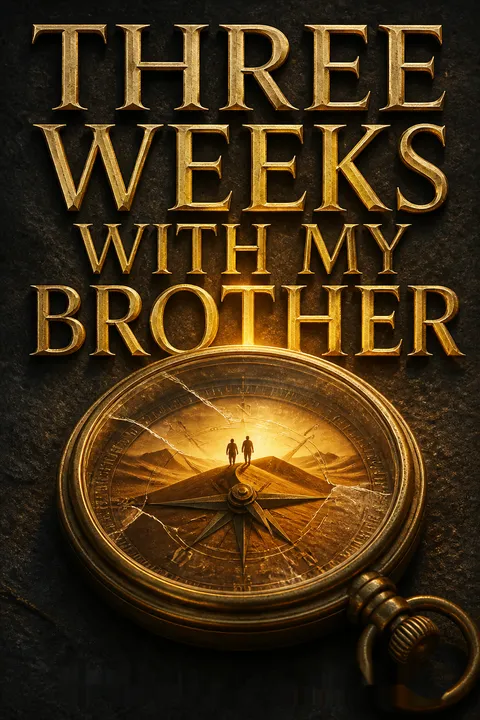
Nicholas Sparks, overwhelmed by family and work, receives a brochure for a three-week global tour. The idea of adventure and escape is tempting, but more than the destinations, it's the chance to reconnect with his brother Micah that draws him in. With their wives' support, the brothers commit to the journey, seeing it as both a literal trip and a metaphorical exploration of their shared past. The anticipation is tinged with guilt and anxiety, but also hope that the time together will help them process the joys and traumas that have shaped their lives. This chapter sets the stage for a dual narrative: a physical journey around the world and an emotional journey through memory, loss, and brotherhood.
Childhood Chaos and Bonds
The Sparks siblings grow up in a whirlwind of activity, poverty, and frequent moves. Their parents, young and unprepared, struggle to provide stability, but their mother's warmth and their father's discipline create a unique environment. The children are left to their own devices, forging deep bonds through shared adventures and mischief. Micah, the eldest, is tasked with caring for his siblings, instilling a sense of responsibility and protectiveness. Nicholas, the middle child, often feels overshadowed but finds comfort in the closeness of his siblings. The chaos of their upbringing becomes the crucible in which their resilience and loyalty are forged.
Lessons in Toughness
Their mother, Jill, is a force of nature—practical, tough, and loving. She teaches her children that life is unfair and that what you want and what you get are rarely the same. Her approach is both nurturing and demanding, expecting her children to handle adversity with grit. Whether it's dealing with bullies, injuries, or disappointment, the lesson is always to get up and keep going. These early teachings become the foundation for how the siblings face future hardships, shaping their attitudes toward suffering, perseverance, and the importance of family support.
Sibling Rivalry and Reconciliation
As the children grow, differences emerge. Micah's confidence and adventurous spirit contrast with Nicholas's sensitivity and need for approval. Sibling rivalry flares, especially as they compete for attention and struggle with feelings of inadequacy. Fights and jealousy threaten their closeness, but their mother's insistence on kindness and gratitude helps them reconcile. Through rituals like naming three nice things about each other daily, they learn to appreciate their differences and rebuild trust. These experiences teach them that family bonds, though tested, can be strengthened through forgiveness and intentional effort.
Adventures and Growing Apart
The siblings' paths begin to diverge as they enter adolescence. Micah seeks adventure and popularity, while Nicholas immerses himself in academics and running. Dana, their younger sister, becomes a quiet anchor, offering unconditional love. The brothers' relationship is strained by competition and changing interests, but shared experiences—like running cross-country—occasionally bring them back together. The chapter explores how growing up means both gaining independence and risking the loss of childhood closeness, setting the stage for the adult challenges they will face.
Family Upheaval and Moves
The family's instability is compounded by frequent relocations and their parents' marital difficulties. Separation, reconciliation, and financial hardship create an atmosphere of uncertainty. The children adapt by relying on each other, but the stress takes its toll. Their father's emotional distance and their mother's sacrifices are both sources of pain and strength. The siblings learn to navigate new environments, make and lose friends, and cope with the unpredictability of their parents' relationship. These experiences deepen their reliance on each other and prepare them for future upheavals.
Coming of Age Together
As teenagers, the siblings face the challenges of coming of age: first loves, academic pressures, and the pursuit of personal goals. Nicholas excels in school and athletics, driven by a desire for recognition. Micah, charismatic and restless, seeks excitement and success in his own way. Dana dreams of a simple, loving family. Despite their differences, they support each other through triumphs and setbacks, learning that their individual paths are intertwined. The chapter highlights the bittersweet nature of growing up—gaining freedom but also facing the reality of loss and change.
Tragedy and Loss
The siblings' world is upended by the sudden death of their mother in a horseback riding accident. The loss is devastating, leaving them adrift and forcing them to confront mortality and grief at a young age. Their father, already emotionally fragile, spirals into depression, and the siblings must navigate their own pain while supporting each other. The trauma cements their bond but also leaves lasting scars. The chapter explores the ways in which tragedy can both fracture and fortify family ties, shaping the siblings' identities and relationships for years to come.
Building New Lives
As adults, the siblings build lives of their own—marriage, children, careers—but the shadow of past losses lingers. Nicholas finds love with Cathy and becomes a father, while Micah pursues business success and eventually starts his own family. Dana, after surviving a brain tumor and becoming a mother herself, faces ongoing health struggles. The siblings support each other through these transitions, drawing on the resilience forged in childhood. The chapter examines how the past informs the present, and how the bonds of family endure even as new responsibilities and identities emerge.
The World Tour Begins
Nicholas and Micah set out on their long-awaited world tour, visiting ancient ruins, sacred sites, and remote landscapes. The physical journey is paralleled by an emotional one, as they reflect on their shared history, confront unresolved grief, and rediscover the joy of brotherhood. The awe-inspiring sights—Mayan temples, Machu Picchu, Easter Island, Angkor Wat—become backdrops for conversations about faith, loss, and the meaning of life. The journey is both an escape and a return, allowing the brothers to reconnect with each other and with themselves.
Ancient Wonders, Modern Grief
As the brothers explore the wonders of the world, they are struck by the impermanence of civilizations and the persistence of memory. The ruins they visit—testaments to human achievement and loss—echo their own experiences of family tragedy. The beauty and fragility of these sites prompt reflections on mortality, legacy, and the ways in which people cope with suffering. The brothers share stories, laugh, and grieve together, finding solace in the realization that, like the ancient builders, their own lives are part of a larger, ongoing story.
Faith, Doubt, and Survival
The journey prompts deep conversations about faith, doubt, and the search for meaning. Micah, once devout, struggles with belief after so much loss, while Nicholas finds comfort in prayer and ritual. Their differing responses to tragedy highlight the complexity of grief and the challenge of maintaining hope. The brothers grapple with questions of why suffering exists and how to find purpose in the face of uncertainty. Through honest dialogue, they support each other's struggles, learning that survival is not about having answers but about holding on to each other.
Parenting Through Adversity
Parenthood becomes a crucible for both brothers, especially as Nicholas and Cathy face the challenges of raising a son with developmental delays. The uncertainty, frustration, and fear are overwhelming, but their determination to help Ryan—through relentless effort and love—becomes a testament to the power of family. The brothers share advice, encouragement, and empathy, drawing on their own childhood lessons of toughness and resilience. The chapter explores how parenting can both heal and reopen old wounds, and how the next generation becomes a source of hope and renewal.
The Weight of Memory
The journey forces the brothers to confront the lingering effects of childhood trauma, parental loss, and sibling illness. Memories—both joyful and painful—surface in unexpected ways, influencing their relationships, choices, and sense of self. The act of remembering becomes both a burden and a blessing, allowing them to honor the past while seeking healing in the present. The chapter delves into the complexities of memory: its power to wound, its necessity for meaning, and its role in forging identity and connection.
Facing Mortality Again
Just as the brothers begin to find equilibrium, new crises arise: Dana's cancer returns, and their father's mental health deteriorates. The cycle of hope and despair repeats, testing their strength and unity. The siblings rally around Dana, supporting her through treatment and, ultimately, her decline. The loss of their sister, following so closely on the heels of their parents' deaths, is almost unbearable. Yet, through shared grief, the brothers find a deeper understanding of love, mortality, and the importance of cherishing every moment.
Healing, Hope, and Brotherhood
In the aftermath of loss, the brothers seek healing in different ways. Micah simplifies his life, focusing on family and experiences rather than material success. Nicholas throws himself into work and parenting, determined to provide for his family and honor his sister's memory. Their approaches differ, but their bond remains unbreakable. Through continued support, laughter, and shared memories, they begin to find hope again. The chapter emphasizes the redemptive power of brotherhood and the possibility of growth and joy even after profound suffering.
Coming Home Changed
The world tour ends, but its impact endures. The brothers return to their families, changed by what they have seen and shared. They are more aware of life's fragility, more grateful for love and connection, and more committed to living fully. The lessons of the journey—about resilience, forgiveness, and the enduring strength of family—become guiding principles for the future. The story closes with a sense of acceptance and peace, as the brothers embrace the challenges and blessings of their lives, knowing that, whatever comes, they will face it together.
Analysis
Three Weeks with My Brother is a profound meditation on the enduring power of family, the inevitability of loss, and the possibility of healing through connection. By weaving together a global journey with intimate recollections of childhood, tragedy, and resilience, Nicholas Sparks (with Micah) crafts a narrative that is both deeply personal and universally resonant. The book's central lesson is that suffering is an inescapable part of life, but it need not define us; what matters is how we respond—with courage, humor, and love. The brothers' story illustrates that the bonds forged in adversity can become sources of strength, enabling us to face the future with hope. The narrative also challenges contemporary notions of success, suggesting that meaning is found not in achievement or accumulation, but in relationships and the willingness to be present for one another. Ultimately, the book is a testament to the human capacity for endurance, forgiveness, and renewal—a reminder that, even in the face of overwhelming loss, we can choose to keep moving forward, together.
Review Summary
Three Weeks with My Brother receives an overall rating of 4.05/5, with readers praising its emotional depth and unique blend of memoir and travelogue. Many fans of Nicholas Sparks found it revealing, offering insight into the inspiration behind his novels. Critics noted the dual narrative structure as occasionally disjointed, while others found it beautifully woven. Common themes include family bonds, loss, faith, and brotherhood. Both admirers and skeptics of Sparks' fiction agreed this memoir stands apart from his romantic novels, with many finding it more impactful and authentic.
People Also Read

Characters
Nicholas Sparks
Nicholas is the introspective, driven, and often anxious middle child of the Sparks family. Throughout his life, he seeks approval and meaning, channeling his energy into academics, athletics, and later, writing. His sensitivity makes him both vulnerable to pain and deeply empathetic, especially in the face of family tragedy. As a husband and father, he is fiercely devoted but struggles with guilt and the pressure to provide. The journey with his brother becomes a catalyst for self-reflection, healing, and renewed appreciation for the bonds that have sustained him. Nicholas's arc is one of learning to balance ambition with presence, and to find hope amid loss.
Micah Sparks
Micah is the confident, outgoing, and adventurous older brother. Tasked from an early age with caring for his siblings, he develops a strong sense of responsibility and leadership. His charm and resilience help him navigate life's challenges, but beneath the surface, he grapples with grief and the burden of being the family's anchor. As an adult, Micah pursues business success and later seeks simplicity and meaning after the loss of his sister. His relationship with Nicholas is central—by turns competitive, supportive, and deeply loving. Micah's journey is about embracing vulnerability and finding peace in connection rather than achievement.
Dana Sparks
Dana, the youngest sibling, is the emotional center of the family. Her kindness, faith, and unwavering optimism provide comfort and stability amid chaos and loss. Despite her own struggles—including a life-threatening brain tumor and single motherhood—she remains a source of strength for her brothers. Dana's illness and eventual death are devastating blows, but her legacy of love and resilience continues to inspire Nicholas and Micah. Her character embodies the themes of hope, faith, and the enduring impact of compassion.
Jill Sparks (Mother)
Jill is a formidable presence—practical, no-nonsense, and fiercely loving. She instills in her children the values of toughness, self-reliance, and unconditional support. Her ability to find joy amid hardship and her insistence on facing life's unfairness head-on shape the siblings' approach to adversity. Jill's sudden death is a turning point, leaving a void that her children struggle to fill. Her influence endures in their attitudes, choices, and the rituals they carry forward.
Patrick Sparks (Father)
Patrick is a complex figure—intelligent, hardworking, but emotionally reserved. His struggles with depression and grief after Jill's death leave him adrift, and his relationships with his children are marked by both love and distance. Patrick's decline and eventual death force the siblings to confront the limits of their ability to save those they love. His legacy is mixed: a model of perseverance and curiosity, but also a cautionary tale about the costs of unaddressed pain.
Cathy Sparks
Cathy is Nicholas's wife and a pillar of support throughout the family's trials. Her patience, humor, and resilience help anchor Nicholas during periods of anxiety and grief. As a mother, she is nurturing and resourceful, facing the challenges of raising a child with special needs with determination and grace. Cathy's partnership with Nicholas exemplifies the power of love and teamwork in overcoming adversity.
Christine Sparks
Christine, Micah's wife, brings stability and warmth to his life. She encourages him to reflect on faith, family, and priorities, especially as they navigate the complexities of marriage and parenthood. Christine's presence helps Micah transition from restless adventurer to devoted husband and father, and her influence is key in his journey toward simplicity and meaning.
Ryan Sparks
Ryan, Nicholas and Cathy's son, is born with developmental delays that are initially mysterious and deeply distressing. His struggles become a crucible for his parents, testing their patience, resilience, and capacity for hope. Through relentless effort and love, Ryan makes remarkable progress, symbolizing the possibility of healing and the transformative power of family commitment.
Bob (Dana's Husband)
Bob enters the family as Dana's partner and later husband, providing stability and care during her illness. His willingness to embrace Dana's children and support her through treatment reflects the broader theme of chosen family and the importance of community in times of crisis.
The Sparks Children (Miles, Landon, Lexie, Savannah, Alli, Peyton, Cody, Cole)
The children of Nicholas, Micah, and Dana represent the future and the enduring legacy of the family. Their presence brings joy, challenges, and a renewed sense of purpose to their parents. Through them, the lessons and love of the previous generation are carried forward, offering hope amid the cycle of loss and renewal.
Plot Devices
Dual Narrative Structure: Journey and Memory
The book's structure alternates between the brothers' present-day world tour and flashbacks to their shared past. This dual narrative allows the physical journey—visiting ancient sites, confronting the grandeur and fragility of history—to serve as a metaphor for the emotional journey through memory, grief, and healing. The interplay between past and present deepens the reader's understanding of how formative experiences shape adult identity and relationships.
Thematic Juxtaposition: Wonder and Suffering
The contrast between the awe-inspiring sites the brothers visit and the personal tragedies they recount creates a powerful thematic resonance. The ruins and relics of lost civilizations become symbols for the impermanence of life and the persistence of memory. This juxtaposition invites reflection on the universality of suffering and the ways in which beauty and pain coexist.
Sibling Dialogue as Emotional Anchor
The brothers' candid, often humorous conversations provide insight into their evolving relationship and individual struggles. Dialogue becomes a vehicle for exploring themes of faith, doubt, resilience, and forgiveness. Through their exchanges, the narrative balances levity and gravity, illustrating the healing power of honest connection.
Foreshadowing and Recurrence
The book employs foreshadowing by introducing childhood lessons and rituals—such as the daily naming of kind acts—that recur in adulthood. These motifs reinforce the idea that early experiences shape responses to later challenges, and that the past is never truly left behind.
Symbolism of Travel and Return
The act of traveling—leaving home, encountering the unfamiliar, and returning changed—serves as a central symbol. The world tour is both an escape from and a return to the self, allowing the brothers to process grief, rediscover joy, and reaffirm their commitment to each other and their families.
About the Author










Download PDF
Download EPUB
.epub digital book format is ideal for reading ebooks on phones, tablets, and e-readers.








































