
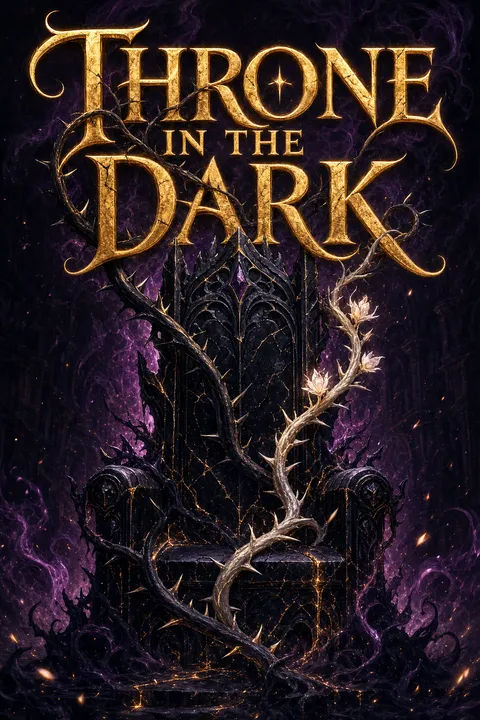


Plot Summary
The Talisman Completed
In a cold pit beneath Bloodthorne Keep, twenty-seven-year-old Damien1 drains his own blood to finish the enchanted ore he has labored years to forge. The Talisman of Enthrallment can bind any creature absolutely to his will, and he intends to use it on King Archibald, the ruler who sealed his demon father, Zagadoth,4 inside a crystal shard twenty-three years earlier.
Zagadoth,4 now only a blinking eye in the gem, warns that Damien's1 half-human blood makes him uniquely resistant to divine binds but vulnerable to losing himself to his own darkness.
Advised to gather shielding for the perilous journey south to Eirengaard, Damien1 plans a quick dawn raid on the accursed Ebon Sanctum Mallor, confident that nothing in his own monstrous city could ever threaten him.
The opening inverts the fantasy villain trope before the plot even moves: our Supreme Evil is a lonely, exhausted overachiever seeking parental approval. Caggiano establishes the book's central tension between inherited destiny and chosen self through Zagadoth, a demon lord rendered tender and paternal rather than monstrous. The warning about noxscura consuming Damien plants the story's thesis, that identity requires a grounding anchor, while framing his mission as filial devotion rather than malice. The talisman, designed to control others absolutely, foreshadows the ethical minefield of consent and power that the romance will detonate. Confidence here is dramatic irony: the one thing Damien cannot plan for is kindness.
A Kindness in the Alley
A human woman named Amma2 has crept alone into the monster city of Aszath Koth, hunting a temple whose name she keeps mangling, determined to steal a scroll for reasons she guards closely. She stumbles onto a black-clad stranger1 crouched in an alley healing a wounded kitten, and when she notices a fresh cut on his palm, she ties her own handkerchief around it unasked, simply because it seems right.
Damien,1 unsettled by unearned tenderness, repays her by deliberately sending her the wrong way through the city. Amma2 spends the entire day lost, circling back to the gates, before an elf's better directions finally lead her to the Sanctum. She has no idea the ill-tempered stranger she helped is the demon's son1 she should fear most.
The meet-cute doubles as a moral thesis statement. Amma's reflexive care for a stranger and a stray establishes compassion as her defining, almost involuntary trait, while Damien's petty sabotage marks his performance of cruelty as exactly that: performance. The kitten, secretly healed to control vermin yet clearly an act of mercy, becomes the book's recurring motif of the villain betrayed by his own decency. Their asymmetry of knowledge, she ignorant of his nature, he baffled by her goodness, seeds the enemies-to-lovers engine. The handkerchief, embroidered with a crest she will later be exposed by, quietly plants a payoff, rewarding attentive readers while both characters underestimate the significance of a small gift.
The Accidental Thrall
Inside the trap-riddled Sanctum, Amma2 reaches the Scroll of the Army of the Undead only to find the same stranger1 already holding it. When she slips nimble fingers into his cloak, the talisman latches onto her skin and burrows into her chest beside her heart.
Damien1 is horrified: his masterwork can only be extracted by killing its vessel, yet he finds he cannot cut into her. Testing the enchantment with a command word, he discovers she must obey any order absolutely.
Furious that a clumsy thief ruined everything, he nearly murders her, then realizes her body masks the talisman's telltale infernal aura. He decides to keep her alive as living camouflage for his trek to the capital, promising himself he will kill her later once his mission is done.
The inciting catastrophe fuses the two protagonists into an unwilling partnership while embedding a genuinely thorny ethics problem: Amma is now enslaved to obey, unable to freely refuse anything. That Damien cannot bring himself to cut her, despite it being the simple solution, exposes the gap between what he claims to be and what he is. The talisman becomes a literalized metaphor for coercive power, and the book's later restraint around it (his refusals to exploit her) will define his moral arc. Practicality masks feeling: he rationalizes mercy as strategy, a self-deception the narrative will strip away layer by layer as proximity erodes his insistence on his own villainy.
Worshipped by a Cult
Before leaving the city, Damien1 drags Amma2 to the Infernal Brotherhood of The Tempest, a bumbling cult of hollow-eyed devotees led by Brother Eternal Crud,12 who fawn over him as their master and nearly try to sacrifice Amma2 as a virgin offering.
Amid stumbling ceremonial dances and enchanted wine that turns members into complacent zealots, the cult performs a summoning that produces Kaz,3 a foot-and-a-half-tall imp resurrected to serve the Bloodthorne bloodline with clumsy new wings. Kaz3 instantly despises Amma,2 showering her with insults while worshipping Damien.1
The next morning the three ride out on knoggelvi, nightmarish shadow-breathing horses, heading east on a detour rather than straight to Eirengaard. Damien1 tells Kaz3 that Amma2 is only a shield, and confirms he still intends to slit her throat once they arrive.
The Brotherhood delivers the book's comedic register at full volume, deflating the mystique of demon-worship into a support group of the traumatized and hollowed-out. The enchanted wine and complacency-pendants slyly critique organized devotion itself, framing zealotry as a refuge from guilt rather than genuine belief. Kaz enters as both comic foil and moral barometer: his gleeful bloodthirst measures the boundaries Damien increasingly refuses to cross. The party assembles here, and the detour east signals Damien's first swerve from his sacred, self-imposed itinerary, a small surrender of purpose that the rest of the novel will widen. Amma's continued survival, rationalized aloud, is already becoming a habit he cannot quite explain.
Werewolves and Hidden Silver
Their detour cuts through Tarfail Quag, a reeking swamp where a blood-drinking leech latches onto Amma's2 face before Damien1 pries it off. When a pack of feral werewolves ambushes them, Damien1 cuts several down with blades conjured from his own blood, but the largest pins him, and mixing his blood with the beast's cursed blood could destroy him.
Amma,2 whom he had assumed helpless, drives a hidden silver dagger into the creature's back and kills it, saving his life. Astonished that she carried silver the whole time and used it to protect rather than escape him, Damien1 returns the ornate blade and grudgingly thanks her by name. The moment marks their first true thaw: she chose to keep alive the very man who keeps promising her death.
The swamp gauntlet reframes the power dynamic. Amma, positioned as fragile prey, reveals concealed competence and, more tellingly, chooses loyalty when flight would have freed her, since a dead Damien likely means a dissolved enthrallment. Her rescue is thus an act of genuine agency, not compulsion, complicating the tidy victim narrative. Damien returning the weapon that could kill him is his own gesture of trust, and his reluctant use of her name marks the first crack in his dehumanizing distance. The cursed-blood danger also literalizes his deepest fear, contamination and loss of self, tying the external monster hunt to his internal struggle against the noxscura that could consume him.
The Alchemist's Grim Verdict
Deep in the quag stands the leaning tower of Anomalous Craven,6 a giant alchemist who cheerfully refuses to believe in magic even while performing it, and his spider-limbed hag companion Mudryth.9 Damien1 secretly begs Anomalous6 to extract the talisman without killing Amma,2 hiding the plan so as not to raise false hope.
While Amma2 helps Mudryth9 sort corpse parts, Kaz3 maliciously hurls a jar of expanding golden god-goo, wrecking the lab and blaming her. Scanning Amma2 in a diagnostic tube, Anomalous6 confirms the worst: the talisman has fused a web of veins directly into her heart, and cutting it out would almost certainly kill her.
Carrying her drunk-tired to bed, Damien1 hears her murmur about being married, a slip he quietly erases with the command word, disturbed by his own gentleness.
This section quietly reveals Damien's true motive: he is no longer traveling only to shield the talisman but actively seeking a way to spare its vessel. His secrecy, dressed as pragmatism, betrays a tenderness he cannot admit even to his oldest friend. Anomalous, the rationalist who performs magic while denying it, mirrors Damien, who performs villainy while denying his conscience, both men trapped by self-narratives. The verdict that Amma's death is the only clean solution raises the emotional stakes: the closer they grow, the more monstrous his original plan becomes. Her sleep-slip about marriage seeds the buried secret of her identity while his careful erasure shows him protecting her dignity rather than exploiting her vulnerability.
A Rescue in Elderpass
Reaching the town of Elderpass, Damien1 senses infernal arcana festering nearby while Amma2 buys a tiny knitted tunic to warm the shivering imp.3 When a drunken man seizes Amma2 and drags her into an alley, Damien1 binds him and prepares to kill, but Amma2 stops his hand, insisting the man is only confused and mistakes her for someone else.
Damien1 instead enthralls the stranger, ordering him home, never guessing this man, Robert, will later report the encounter. Rattled by how fiercely he wanted to protect her, Damien1 gives Amma2 an enchanted feather: if they are ever separated, spilling her blood while wanting him will summon him instantly to her side. She tucks the powerful, one-use gift away, moved despite everything.
Damien's murderous overreaction to a clumsy drunk exposes possessiveness curdling into something like devotion, and Amma's intervention, sparing an enemy again, reaffirms mercy as her governing instinct. The feather is the section's emotional pivot: a gift requiring her blood and her desire for him, it literalizes the reciprocity their bond is developing, and quietly hands the enthralled captive a measure of power over her captor. Dramatic irony tightens as Robert's spared life becomes the thread that will unravel Damien's disguise later, demonstrating the book's careful economy: every mercy carries consequence. The baby tunic for Kaz continues the running gag while softening the imp, mapping the party's slow drift toward reluctant tenderness.
The Idol and the Succubi
Amma2 charms tavern gossip from a barkeep, learning that the wealthy Stormwing family was slaughtered by their son Morel,15 who claims demons drove him to it. Damien1 traces the town's corruption to a possessed idol Morel15 bought at a shrine. Cracking it open unleashes three succubi, and in the brawl one pins Damien1 and briefly charms him, taking Amma's2 face to disarm his will.
Amma2 snaps him free by pelting the demon with books, and Damien1 destroys all three, incidentally clearing Morel's15 name. Amma2 praises the deed as heroic, but Damien1 insists his motives were selfish and warns her never to soften him with words like thoughtful, since he still intends to kill her for the talisman she carries.
The Stormwing mystery is a miniature morality play about scapegoating: a possessed innocent condemned by kin greedy for inheritance, exposing how easily a community assigns evil to the convenient target. The succubus wearing Amma's face is the section's most revealing beat, forcing Damien to confront that his desire has already fixed on her, and that this desire disarms rather than empowers him. Amma's rescue-by-books comically reverses the damsel dynamic yet again. His deflection of her gratitude, reframing decency as strategy, shows the widening gap between his rhetoric and his behavior, and his renewed death-threat reads increasingly as a defense mechanism against feelings he refuses to name.
Xander Rises from the Earth
Determined to trace who planted the idol, Damien1 performs a ritual that tears open a portal, and out climbs Xander Shadowhart,5 a preening rival blood mage and son of another imprisoned demon lord.
The two share a lifetime of hostile rivalry, and Xander5 gleefully reveals he opened the portal from his distant tower using experimental translocation magic. He also tempts Damien1 with news of the Lux Codex, a book of pure goodness whose luxerna-soaked pages burn any evil hand that touches it, now held in the library of Faebarrow.
Damien,1 realizing such a book might purge the talisman from Amma2 without killing her, resolves to fetch it. Xander5 hands over a translocation stone and vanishes back into the earth, leaving cinnamon and charred air behind.
Xander functions as Damien's funhouse mirror, a blood mage who fully embraces vanity and cruelty, throwing Damien's reluctant conscience into relief. Their rivalry supplies both comedy and mythology, expanding the world's population of demon-spawn and hinting at parallel imprisoned parents. The Lux Codex is the section's crucial engine: a book weaponizing goodness against the wicked, it gives Damien a reason to divert further from Eirengaard, a diversion motivated entirely by his hidden wish to save Amma. The luxerna-noxscura symmetry deepens the cosmology's core idea that good and evil are mirrored forces, not moral absolutes. Xander's translocation stone, casually gifted, is a loaded gun destined to fire in the finale's escape.
Mercy for Monsters
Traveling toward Faebarrow, Damien1 and Amma2 find a battered clan of draekin, small dragon-kin refugees whose den was burned and kin slaughtered by the Holy Knights of Osurehm.
Rather than ignore or harm them, Damien1 heals their wounded scout and, revealing he was raised by draekin himself, marks a parchment directing them to sanctuary with the Brotherhood in Aszath Koth. Amma2 empties her entire purse into their clawed hands. Damien1 insists his generosity was mere strategy, growing his father's4 future army at no cost, but Amma2 teases that he simply harbors a soft spot for the creatures.
The exchange deepens their bond and quietly exposes how the realm's celebrated holy order butchers the harmless, unsettling Amma's2 inherited belief that goodness always wears a crown.
The draekin encounter delivers the book's sharpest political critique: the sanctioned forces of light commit genocide against gentle beings whose only crime is existing outside the crown's order. For Amma, raised inside that order, the revelation destabilizes the moral map she was handed. For Damien, the scene rewrites his origin, humanizing the monster raised by monsters and explaining the tenderness he keeps disowning. His transparent rationalization, mercy as recruitment, has become a running joke that both characters now see through. Amma's reflexive generosity, giving away everything, foreshadows the disregard for wealth that will make sense once her true circumstances surface, layering character consistency beneath the comedy of a broke thief who is anything but.
The Forest of Fake Ghosts
To reach Faebarrow faster, they cut through the supposedly haunted Gloomweald, where glowing figures ambush them at night. Damien's1 banishment spells fail because the ghosts are actually elves smeared in luminescent fairyheart fungus, staging hauntings to scare off loggers and Holy Knights.
Captured in a flimsy cage, the party is freed when Amma2 negotiates brilliantly, and Damien1 reluctantly teaches the frail elves to frighten intruders using a shapeshifting clay illusion.
Their archivist, Vespa'riel,14 guides them out and warns of a spreading rot called E'nloc, the One True Darkness, urging that the Lux Codex, which holds the only known resurrection spell, be preserved rather than destroyed. The ominous prophecy unnerves Damien,1 though he dismisses elven superstition as they emerge near Amma's2 dreaded homeland.
The Gloomweald extends the book's theft-of-the-supernatural comedy while advancing its central argument: the forest's monstrous reputation is pure theater, a defensive fiction protecting a peaceful people from the realm's aggression. Amma's diplomacy, her genuine superpower, resolves the standoff, and Damien's cage-critique lecture is a delightful character beat about a villain offended by incompetent captivity. The knot-tying scene charges the growing erotic tension. Vespa'riel's warning about E'nloc functions as trilogy-scale foreshadowing, complicating the retrieval quest with a moral imperative to preserve rather than destroy, and hinting that a darkness older than the gods dwarfs the crown's petty tyrannies. The good-versus-evil binary continues collapsing as a demon-spawn is trusted by elves precisely because he helped.
The Theft That Broke Trust
The night before Faebarrow, Amma2 tries to seduce Damien,1 then, once he seems asleep, slips her fingers toward the scroll in his pouch, meaning to flee before the city can kill him for being seen with her. Damien,1 only feigning sleep, seizes her wrist and forces the truth with the command word: she was stealing from him.
Wounded by the betrayal after their steadily growing closeness, he coldly banishes her to the far side of the fire and forbids her to speak, to weep, or to pretend she cares. Amma2 lies shivering and silently crying, having chosen her mission over the man she has come to want. The cruelty of the talisman, which strips her of any true consent, hangs heavy over the rift between them.
The betrayal is calibrated with real pathos because Amma's theft is motivated by protecting Damien, not escaping him, a nuance he cannot yet see through his hurt. The scene crystallizes the book's consent problem: even her affection is suspect while she remains enthralled, and her act of independence is precisely what wounds him. Damien's punishment, silencing her feelings, is the coercion he has otherwise avoided, a rare lapse into the villainy he claims, born of genuine pain. Their emotional low point, staged in cold and darkness after so much warmth, sets up the reversal ahead. The moment insists that intimacy under unequal power is compromised, deepening the ethical seriousness beneath the romantic comedy.
The Baroness Unmasked
Faebarrow's gates swarm with soldiers bearing an unfamiliar lion-fish crest, and Amma2 begs Damien1 to hide her face. He disguises them both with a blood illusion to slip past, then wakes to wanted posters revealing the staggering truth: Amma is the Honorable Ammalie Avington,2 the barony's missing baroness, and Damien1 himself is wanted for her abduction, thanks to Robert's report.
Her bodyguard Tia8 smashes into their inn room, and Amma2 spins a quick lie casting Damien1 as her rescuer rather than captor. Brought to the keep, she reunites with her loving but oblivious parents and is claimed with a possessive kiss by her fiance, the Marquis Cedric Caldor.7 Damien,1 blindsided that his thieving thrall is nobility promised to another, seethes under house guard.
The identity reveal recontextualizes the entire journey: Amma's polished manners, careless coin, and buried secrets snap into focus, and her insistence on hiding aligns with a runaway rather than a criminal. The reversal weaponizes the abduction framing ironically, Damien did technically take her, yet must now pose as savior. The engagement to Cedric introduces the human antagonist and the romantic obstacle simultaneously, transforming a fantasy quest into a domestic power struggle. Damien's jealousy and disorientation strip his composure, exposing how invested he has become. The lion-fish crest replacing Faebarrow's own signals occupation, foreshadowing that Amma's homecoming is not rescue but return to a subtler captivity, one enforced by lawful power rather than infernal magic.
The Marquis's Cruel Claim
Confined to lavish quarters, Damien1 is summoned by Cedric,7 who thanks him falsely, probes for rumors of a lurking evil the elves called E'nloc, and offers gold to leave Faebarrow forever. Damien1 refuses, noticing a note bearing that very name on Cedric's7 desk and sensing the marquis is secretly an arcane user.
Meanwhile Amma2 discovers her beloved greenhouse stripped bare, its enchanted liathau saplings hauled off to Brineberth, her workers imprisoned or scattered.
Her mother, Constance,13 pushing the marriage, hands her herbs to prevent pregnancy, assuming she slept with her rescuer. Amma2 keeps silent about the deeper horror: Cedric7 has threatened her family, seized control of the barony, and forced himself into her bed to trap her into a wedding she cannot escape.
Cedric emerges as the true villain, the mirror who wears goodness while committing the abuses Damien only threatens, sharpening the book's argument that evil is a matter of deed, not label. The ravaged greenhouse externalizes Amma's violation: her home, her craft, and her body all plundered under the crown's lawful authority. Constance's well-meaning obliviousness dramatizes how respectable society enables cruelty by refusing to see it, and the contraceptive herbs quietly confirm the coercion Amma cannot voice. Cedric's interest in E'nloc links the domestic plot to the cosmic threat, hinting the marquis is more than a provincial tyrant. Damien's refusal of the bribe marks his full commitment to a cause that is no longer strategic but personal.
The Balcony Confession
At the banquet celebrating her return, Amma2 dances miserably in Cedric's7 arms before slipping to a courtyard fountain, where Damien1 finds her weeping. She finally confesses everything: the crown and Brineberth are harvesting Faebarrow's liathau to death, Cedric7 means to swallow the barony by marrying her, and he knows she staged her own kidnapping to reach Aszath Koth and the scroll.
Damien1 names Cedric7 plainly as evil and urges her to flee, but Amma2 feels bound by duty. When she fears he will slaughter guards and expose himself, Damien1 produces the Scroll of the Army of the Undead, the very thing she journeyed for, and offers to raise it himself. Amma2 agrees on one condition: her rescue must look real, so he must truly abduct her.
The confession dismantles Amma's carefully guarded secrecy, and the intimacy of full disclosure reconciles the pair after the campfire betrayal. Her paralysis, duty warring with self-preservation, is the culmination of her arc: she has always sacrificed herself for others, and now must be given permission to want liberation. Damien offering the scroll reframes his entire villainous arsenal as an instrument of her rescue, completing the inversion by which the monster becomes deliverer. Crucially, Amma's condition, that she orchestrate her own staged abduction, reclaims agency through her single genuine talent, performing helplessness, turning a survival reflex into deliberate rebellion. The plan fuses the two plots, the scroll she sought and the freedom she needs, into one climactic act.
The Undead Rise at the Banquet
Reading the scroll's Chthonic incantation from the balcony, Damien1 tears open the ruined orchard and raises thousands of skeletal soldiers, commanding them to strike only those wearing the Brineberth crest and drive them from Faebarrow.
As the undead flood the ballroom into chaos, Damien1 theatrically holds a dagger to Amma's2 throat and announces himself, falsely, as his rival Xander Shadowhart,5 while Kaz3 swells into a towering demonic illusion. Cedric7 confronts him and reveals his own hidden power: dominion blood and Osurehm's blessing granted by King Archibald.
Their conjured blades clash until Damien,1 spotting the loyal bodyguard Tia,8 leaves her in command of the undead army to protect the barony. He then opens a translocation pit and plunges into it, dragging Amma2 with him.
The climax literalizes the book's politics: liberation arrives not from the sanctioned crown but from the feared monster, and the war-dead of past royal conflicts are turned against the current occupiers, a grimly apt image of history's victims reanimated to overthrow tyranny. Damien framing Xander is both comic misdirection and evidence he now protects Amma's world at cost to himself. Cedric's revealed dominion blood confirms the villain's holiness is genuine yet monstrous, cementing the theme that lineage guarantees nothing. Entrusting Tia with the undead ensures Faebarrow's ongoing defense, resolving the occupation plot. The staged abduction lets Amma escape her gilded cage while preserving her people's faith, her performance of victimhood finally serving her own ends.
Bargain in the Wastes
The translocation pit deposits Damien,1 Amma,2 and Kaz3 in the Accursed Wastes, the domain of the real Xander Shadowhart,5 delighted they have come seeking the asylum he offered. Amma,2 still clutching the Lux Codex, watches the rival blood mage5 lay out his price: he has pieced together Damien's1 true mission from glimpses through his translocation portal.
Damien1 means to travel to Eirengaard, kill King Archibald, and shatter the crystal imprisoning his father Zagadoth,4 so the demon lord can take vengeance on the realm.
Xander5 demands to be included in these plans in exchange for shelter and a truce. Damien,1 arcanely drained and cornered, agrees to a deal for asylum alone, while Amma,2 hearing his real intentions aloud for the first time, silently dreads where their deepening bond is leading.
The resolution refuses easy comfort: safety is secured, but at the cost of exposing the mission that could unleash catastrophe on the very realm Amma has just helped protect. Xander's asylum-for-information bargain traps Damien between his lifelong vow and his new attachments, dramatizing the collision the whole novel has engineered. Amma's dread reframes the romance's stakes, for the man she loves is sworn to a destruction that would consume everything she fought to save. The Lux Codex remains unused, a promise deferred, alongside the resurrection spell and the E'nloc threat, seeding the sequel. The ending lands the enemies-to-lovers arc at a bittersweet threshold: united in flight, divided by his darkest purpose, the darkness only beginning to stir.
Analysis
Throne in the Dark weaponizes the romantic comedy's favorite engine, two people trapped together who claim to loathe each other, to interrogate the moral vocabulary of high fantasy itself. Caggiano builds a world where good and evil are institutional brands rather than intrinsic truths: the holy crown butchers harmless draekin and strips a barony to ruin, while the self-proclaimed villain heals stray cats and cannot bring himself to draw a captive's blood. Damien's1 arc is a sustained comedy of misrecognition, a young man clinging to an inherited script (demons cannot love) even as every action rewrites it. His father's4 teaching, that noxscura demands a grounding sense of self, becomes the book's quiet thesis: identity is chosen and enacted, not decreed by bloodline or prophecy. The central romance is shadowed by a genuinely uncomfortable ethical problem the text refuses to wave away. Amma2 is enthralled, unable to freely refuse, and Damien1 knows it. His repeated restraint, especially the night he declines her drunken advances, reframes villainy around consent, insisting that power's true test is what one chooses not to take. Against him stands Cedric,7 the mirror who wears goodness and commits the abuses Damien1 only threatens. Amma's2 journey reverses the damsel formula. Her defining trait, compulsive kindness, is diagnosed as both virtue and wound, a survival reflex learned by a woman treated as a bargaining chip. Learning to separate self-sacrifice from agency, she finally deploys her one talent, performing helplessness, as deliberate rebellion. The climactic undead uprising literalizes the theme: liberation arrives not from the crown's sanctioned order but from the monster everyone was taught to fear, the war-dead of old royal conflicts turned against present tyrants. The bargain in the Wastes leaves the lovers entangled and the darkness only beginning to stir, romance and catastrophe knotted inextricably together.
Review Summary
Throne in the Dark received mostly positive reviews, praised for its humor, banter, and slow-burn romance between the grumpy half-demon Damien and the sunny human Amma. Readers enjoyed the fantasy world-building and quirky side characters. Some found the pacing slow and the plot lacking direction. The book was described as a fun, lighthearted read with a Disney-like feel. Many readers expressed excitement to continue the series, while a few found it difficult to connect with the characters or story.
People Also Read


Characters
Damien Maleficus Bloodthorne
Reluctant villain blood mageThe half-demon son of imprisoned lord Zagadoth4, Damien is a twenty-seven-year-old blood mage who casts through his own spilled blood and the noxscura, the infernal darkness, in his veins. Raised in the monster city of Aszath Koth and steeped in the belief that his kind cannot love, he presents as cold, sardonic, and self-consciously villainous, complete with a permanent scar no magic will heal. His entire identity orbits one vow: to free his father4 and avenge him. Yet beneath the menace hides a lonely young man who heals stray kittens, recoils from needless cruelty, and is baffled by his own tenderness. His arc traces the collision between the evil he insists he is and the goodness his actions keep betraying.
Amma
Kind-hearted secret-keeperA compassionate, quick-fingered young woman who first appears wandering Aszath Koth disguised as a scruffy thief, Amma hides both her true origins and the desperate purpose that sent her hunting a forbidden scroll. Chronically polite and incapable of walking past anyone in need, she reflexively soothes, apologizes, and appeases, a habit forged by a life of being managed and underestimated. Her empathy extends even to the demon-spawned captor1 who threatens her life. Beneath the meekness runs surprising steel: she lies with disarming skill, carries a concealed silver blade, and will risk everything for the people and place she loves. Her journey forces her to distinguish self-sacrifice from agency and to ask whether kindness can endure in a world that treats her as a bargaining piece.
Kaz
Insulting imp servantA resurrected imp barely knee-high, bound by infernal law to serve the Bloodthorne bloodline. Freshly reborn with clumsy, useless wings, Kaz is a groveling toady toward Damien1 and relentlessly cruel toward Amma2, spitting insults at every turn. Comic relief and reluctant shapeshifter, he disguises himself as a rat-like dog for travel and slowly, grudgingly, grows less hostile toward the woman he cannot stand.
Zagadoth
Demon father in crystalDamien's1 father, the once-fearsome demon lord Zagadoth the Tempestuous, reduced to a blinking eye trapped inside an occlusion crystal shard by King Archibald. Surprisingly warm and paternal, he calls Damien1 affectionate nicknames, frets over his son's wellbeing, and cautions him about the corrupting pull of noxscura. His imprisonment is the engine of the entire mission.
Xander Shadowhart
Flamboyant rival blood mageA preening rival blood mage, son of another imprisoned demon lord, and Damien's1 lifelong nemesis. Vain, theatrical, and perpetually scheming, Xander delights in tricking, challenging, and threatening Damien1 while claiming genuine fondness. A pioneer of experimental translocation magic, he trades information and favors only when it serves his own amusement and ambition.
Anomalous Craven
Magic-denying giant alchemistA giant, soot-covered alchemist living in a leaning swamp tower, Anomalous stubbornly refuses to believe in magic even while performing it, insisting everything has a scientific explanation. Endlessly cheerful, tactile, and supportive, he is one of the few beings Damien1 trusts, the two having saved each other from the muck. He tinkers obsessively at building a living man from corpse parts.
Cedric Caldor
Amma's polished fianceMarquis Cedric Caldor of Brineberth March, Amma's2 golden-haired betrothed. Devout to the god Osurehm and one of King Archibald's chosen, he wears charm like armor while pursuing power without scruple. Having arrived in Faebarrow a year earlier, he has steadily tightened his grip on the barony. Beneath the courtly smile lie calculated menace and hidden arcane strength.
Tia
Fiercely loyal bodyguardAmma's2 towering, protective bodyguard, likely of giant ancestry. Sharp-eyed and skeptical, she distrusts Damien1 on sight yet loves Amma2 deeply and quietly understands that the girl lies to shield others. Loyal to the Avington family above the occupiers, she longs to see Faebarrow restored and Amma2 genuinely smiling again.
Mudryth
Cackling swamp hagA spider-limbed swamp hag and Anomalous's6 decades-long companion, able to cloak herself in horrifying visages and command shadow. Blunt, cackling, and oddly maternal toward Amma2 while sorting corpse parts.
Laurel
Amma's reckless best friendAmma's2 half-elven best friend and lady-in-waiting: bawdy, loyal, and reckless enough to acquire poisons for Amma's2 enemy. She covers for Amma's2 escapades and dreams of writing embellished tales of her adventures.
Perry
Anxious young acolyteA nervous young acolyte of Osurehm and Amma's2 childhood friend, blessed with arcana and aspiring to study in the capital. Earnest and easily flustered, he ferries secret messages for her despite his guilt over breaking rules.
Brother Eternal Crud
Zealous cult leaderThe gaunt, purple-eyed leader of the Infernal Brotherhood of The Tempest, a cult devoted to Zagadoth4. Zealous and bumbling, he treats Damien's1 every visit as a sacred occasion worthy of clumsy ceremony.
Constance Avington
Amma's elegant motherAmma's2 composed, elegant mother, the baroness who married into Faebarrow and adores both the barony and her daughter, yet pushes the arranged marriage while remaining willfully oblivious to its cruelty.
Vespa'riel
Stammering elf archivistThe small, stammering archivist of the Gloomweald elves, versed in the history of the Lux Codex. She warns of the spreading rot called E'nloc and pleads that the holy book be preserved rather than destroyed.
Morel Stormwing
Accused haunted heirThe gaunt, withdrawn Stormwing heir held under house arrest, accused of butchering his family. Haunted and pious, he insists a beautiful vision and demons, not his own will, drove the slaughter.
Plot Devices
The Talisman of Enthrallment
Absolute control artifactAn enchanted ore infused with Damien's1 blood and rare components that grants absolute control over whatever creature it embeds itself into. Its victim keeps their memories and personality, obeying commands triggered by a spoken word without appearing enthralled at all. Uniquely, it can only be removed by the vessel's death, making it both Damien's1 masterwork and his curse once it lodges in the wrong person. Throughout the journey it forces obedience, silence, and stillness on its host, raising a persistent question about consent, since compliance can never be freely given. It also masks its own infernal aura within a living body, which is precisely why Damien1 keeps its accidental vessel alive as camouflage for his passage across the realm.
Scroll of the Army of the Undead
Forbidden army-raising relicAn ancient, forbidden scroll of Chthonic incantation that raises the spirits of soldiers slain in war, reanimating their bones to serve the reader's will. It is the object Amma2 braved the monster city to steal, and it changes hands and pockets repeatedly as the story's most coveted prize. Reading it demands a blood mage's command of a dead language, tearing open the earth so skeletal warriors climb out in unending ranks that are nearly impossible to kill because they have so little flesh to pierce. Morally fraught, it drags the war-dead back into servitude with no will of their own, and its sheer scale exceeds what either character anticipated when they first sought it.
The Lux Codex
Book that burns evilA small book of pure goodness whose binding is rumored to be dipped in luxerna, the divine counterpart to infernal noxscura. Its pages burn, blister, and can kill any evil-touched hand that tries to hold it, so it can only be safely carried and turned by someone free of infernal taint. Said to contain potent clerical magic, including the only proven resurrection spell in existence, it becomes Damien's1 target once he learns it might purge the talisman without killing its vessel. Elves warn that it must be preserved against a coming darkness. Retrieving it from a heavily guarded, self-reorganizing library drives the entire second half of the quest and requires Amma's2 untainted hands.
Noxscura and bloodcraft
Blood-fueled magic systemThe infernal darkness that flows through demons and blood mages, wielded by spilling one's own blood to conjure blades, binds, illusions, and healing. For Damien1 it is both power and peril: his human half lets him withstand divine binds, but his father4 warns the noxscura could consume him if he loses control, a vulnerability tied to his temperament and to holy or nox-touched enemies. The magic occasionally acts on its own, slipping from his fingers unbidden. This system grounds the world's cosmology, dividing arcana into infernal, divine, and neutral sources, and fuels the recurring theme that magic, like people, is defined less by its origin than by the intent behind its use.
E'nloc, the One True Darkness
Ominous looming prophecyA dread evil the Gloomweald elves sense on the wind and in a spreading rot across the realm's forests, which they refuse to name aloud for fear of feeding its power. Described as nearly as old as the gods and bent on blotting out all existence, it surfaces as a mysterious thread connecting the Lux Codex's importance, the elves' warnings, and unsettling notes discovered on an enemy's private desk. Functioning as foreshadowing that reaches beyond the immediate quest, it hints at a larger threat looming over the wider trilogy while deepening the sense that the realm's tidy division of sanctioned good and hunted evil is dangerously, perhaps catastrophically, incomplete.
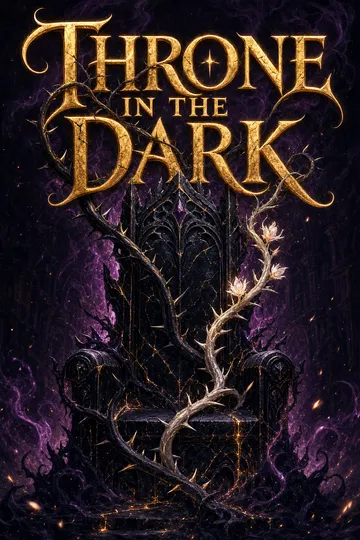
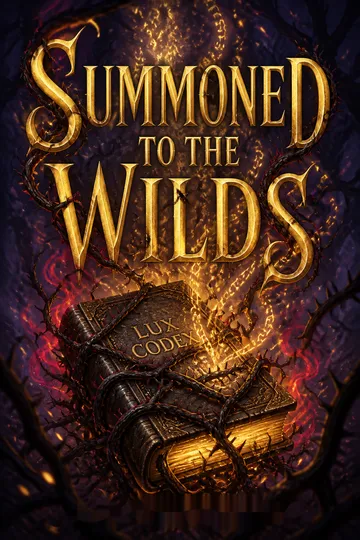
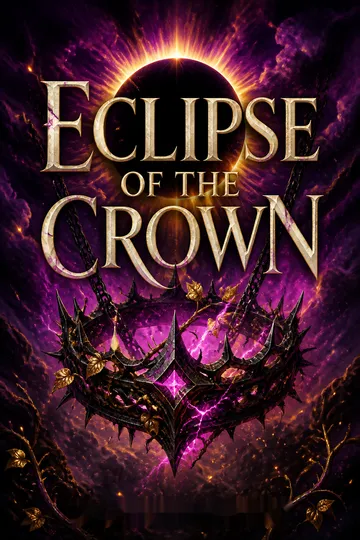
Villains & Virtues Series
About the Author
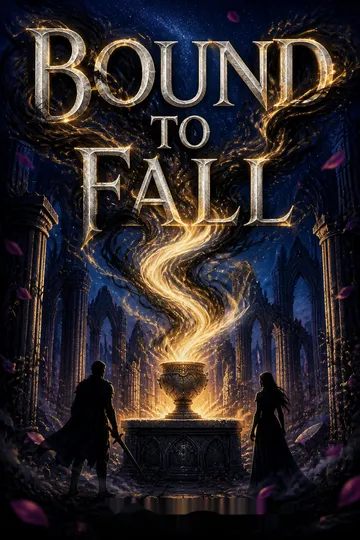
Other books by A.K. Caggiano
Download PDF
Download EPUB
.epub digital book format is ideal for reading ebooks on phones, tablets, and e-readers.








































