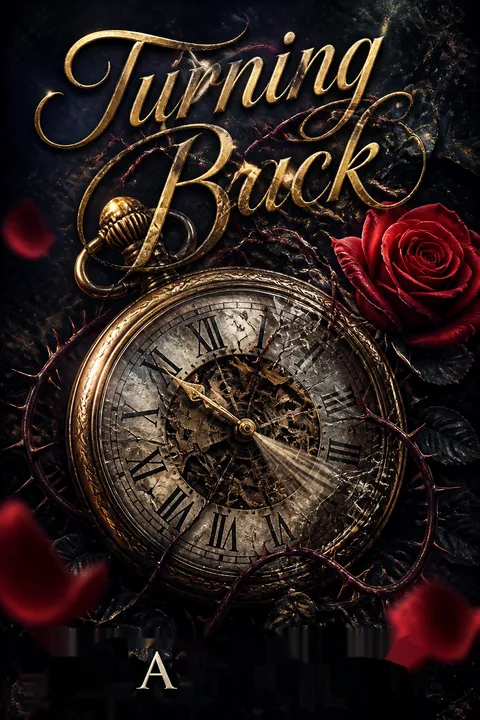

Plot Summary
Aftermath of Goodbye
One year after Rochelle's abrupt departure, Quin is lost in a cycle of work, gym, and hollow social visits. Mondays with Smith, Tuesdays with Chella, and weekends spent running or drinking do little to fill the void Rochelle left. He's haunted by memories and unable to move on, comparing every woman to her. The pain of her absence is compounded by unresolved anger at Bric, whose advice may have pushed Rochelle away. Quin's world is a shell, and the ache of loss grows sharper with time, not duller. The story opens with a sense of longing and unresolved grief, setting the stage for the tangled relationships and emotional reckonings to come.
Bric's Search for Rochelle
Bric, once the master of the game, finds himself adrift. He cycles through new partners at the Club, but none satisfy him like Rochelle or Chella did. When Chella hires a private investigator to find Rochelle, Bric is forced to confront his own complicity in her disappearance. The investigator quickly locates Rochelle living in a resort town with a baby, and Bric is shaken by the revelation. He realizes he's kept secrets—Rochelle called him after giving birth, and he never told Quin. Now, with the truth in hand, Bric faces a choice: bring Rochelle back or let the past remain buried. His motivations are tangled—part guilt, part longing, part self-interest.
Rochelle's New Life
Rochelle has built a quiet, isolated existence in Pagosa Springs, raising her daughter Adley away from the chaos of her old life. She's surrounded by wealthy vacationers and Stepford Wives, but feels like an outsider. Her days are filled with small routines and moments of gratitude, but loneliness lingers. Rochelle is haunted by the choices that led her here—her escape from the game, her pregnancy, and the unresolved feelings for Quin and Bric. She's fiercely protective of her new life and wary of being found, yet she can't fully let go of the past or the men she left behind.
Secrets and Regrets
When Bric arrives at Rochelle's door, the reunion is fraught with tension and unresolved emotion. He's shocked by the baby and demands to know who the father is, but Rochelle refuses to give a clear answer. Their conversation is a dance of blame, regret, and longing. Bric admits he misses her and proposes a new arrangement—return to Denver, not as a game, but as something real. Rochelle is tempted but wary, knowing that old patterns could easily reassert themselves. The encounter ends with uncertainty, as both grapple with what they truly want and whether trust can be rebuilt.
The Game Reignites
Quin, Bric, and Rochelle are drawn back together, but the wounds of the past are raw. Chella and Smith orbit the trio, offering support but also complicating loyalties. The possibility of rekindling their unconventional relationship is tantalizing, but the presence of Adley changes everything. The rules that once governed their game no longer fit their new reality. Each character must confront their desires, fears, and the consequences of their actions. The tension between longing for the past and the need for something more authentic drives them toward a reckoning.
Reunion and Tension
The trio's reunion is charged with emotion—anger, guilt, hope, and desire. Quin is torn between love and betrayal, Bric is desperate to regain control, and Rochelle is caught between wanting to belong and fearing more pain. Their first night together is both cathartic and fraught, as old patterns of dominance and submission resurface. The presence of the baby forces them to renegotiate boundaries and expectations. The question of Adley's paternity looms, threatening to destabilize the fragile peace they've found. Each is forced to confront what they truly want from each other.
The Baby's Truth
As the trio attempts to build a new life together, the question of who fathered Adley becomes unavoidable. Both Quin and Bric feel a claim, and Rochelle is reluctant to know the truth, fearing it will destroy their delicate balance. The baby becomes a symbol of both hope and uncertainty—a glue that could hold them together or a wedge that could drive them apart. The trio's attempts to create a family are complicated by jealousy, insecurity, and the ghosts of their past choices. The need for honesty and trust becomes more urgent as secrets threaten to unravel everything.
Old Wounds, New Rules
The trio tries to establish new rules for their relationship, but old wounds and power struggles persist. Quin wants more than a game—he wants real commitment. Bric clings to the structure of the past, using manipulation to maintain his place. Rochelle is caught in the middle, longing for stability but afraid to trust. The presence of Adley forces them to confront what it means to be a family. Attempts at normalcy—shared meals, outings, and domestic routines—are shadowed by unresolved tensions. The need for forgiveness and vulnerability becomes clear, but none are sure how to begin.
Family and Forgiveness
As the trio navigates their new reality, moments of genuine connection and tenderness emerge. Quin and Rochelle share intimate conversations, revealing fears and hopes. Bric surprises everyone—including himself—with his affection for Adley and his willingness to care for her. The trio begins to function as a family, but the specter of the DNA test and the truth about Rochelle's past threaten their fragile peace. Forgiveness becomes a central theme—of each other, of themselves, and of the mistakes that brought them here. The possibility of a future together hinges on their ability to let go of blame.
Smith's Ultimatum
Smith, once a peripheral player, steps into the center of the drama. He confronts Rochelle with accusations of opportunism and threatens to expose her secrets. His actions force the trio to confront uncomfortable truths about trust, loyalty, and the nature of their relationship. Smith's ultimatum—to leave town for a payoff or face public humiliation—raises the stakes and pushes Rochelle to defend her choices. The confrontation exposes the fragility of the trio's new arrangement and the lingering doubts that threaten to tear them apart.
The DNA Test
The pressure to resolve Adley's paternity becomes overwhelming. Despite Rochelle's reluctance, a DNA test is arranged. The waiting period is tense, filled with anxiety and second-guessing. Each character grapples with what the results will mean for their future—will it bring closure or destroy what they've rebuilt? The test becomes a crucible, forcing them to confront their deepest fears and desires. The outcome will determine not just who Adley's father is, but whether the trio can move forward as a family or if the past will finally win.
Facing the Past
As the DNA results loom, secrets from Rochelle's past come to light. Her family history of betrayal and infidelity is revealed, explaining her fear of commitment and her flight from intimacy. Quin confronts his own insecurities, shaped by his parents' imperfect marriage. Bric is forced to admit the limits of his capacity for love and the consequences of his manipulations. The trio must decide whether to let the past define them or to choose a different future. The process is painful but necessary, as honesty becomes the only path to healing.
Choosing Each Other
The DNA results confirm Quin is Adley's father, bringing relief but also sorrow for Bric. The trio faces a crossroads—continue as before, or forge a new path. Quin and Rochelle choose each other, committing to a future built on honesty and mutual respect. Bric, recognizing his own limitations, steps back, accepting that his role has changed. The family begins to take shape, not as a game, but as a real partnership. The process is messy and imperfect, but hope emerges from the wreckage of the past.
Bric's Lonely Turn
Left on the outside, Bric grapples with loneliness and the realization that his old ways no longer serve him. He returns to the Club, seeking solace in familiar patterns, but finds them hollow. The loss of Rochelle and Adley forces him to confront his own emptiness and the need for genuine connection. Bric's journey is one of reckoning and potential transformation—will he continue to play games, or will he seek something real? His story becomes a counterpoint to the family Quin and Rochelle are building.
A New Kind of Family
Quin, Rochelle, and Adley settle into a new rhythm, learning to trust and support each other. The wounds of the past are not forgotten, but they no longer define the present. The family expands to include Chella, Smith, and even Kitty, Quin's mother, creating a network of support and affection. The process of building a home—literal and emotional—is central, as they decorate, celebrate, and create new traditions. The story shifts from survival to flourishing, as love becomes an active choice rather than a game.
The Tea Room Incident
At the opening of Chella's tea room, Rochelle is confronted by her father's former mistress, who publicly humiliates her. The incident brings long-buried family secrets to the surface and forces Rochelle to confront her past. The support of Quin, Bric, and their friends becomes crucial as she navigates shame and vulnerability. The event serves as a catalyst for final reckonings and the solidification of new loyalties. The family's ability to withstand public scrutiny becomes a testament to their growth.
Truths Unravel
In the aftermath of the tea room incident, Smith reveals his own investigation into Rochelle's past, accusing her of deception. The confrontation forces all parties to lay their cards on the table—Rochelle's family history, Bric's manipulations, Quin's insecurities. The process is painful but cleansing, as each character is stripped of illusions. The DNA results arrive, confirming Quin's paternity and bringing closure to the central mystery. The trio must decide what kind of future they want, now that all secrets are known.
Moving Forward Together
With the truth finally out, Quin and Rochelle choose to move forward together, building a life for themselves and Adley. Bric, though left behind, is not forgotten—his journey continues, hinting at the possibility of redemption. The family embraces new traditions, celebrates milestones, and learns to trust in the possibility of happiness. The story ends not with a return to the past, but with a commitment to the future—a future built on honesty, forgiveness, and the courage to love without rules.
Analysis
Turning Back is a nuanced exploration of love, trust, and the struggle to break free from destructive patterns. At its core, the novel interrogates the tension between safety and vulnerability, rules and authenticity, past and future. The "game" that once provided structure and excitement becomes a metaphor for the ways people avoid true intimacy—by hiding behind roles, secrets, and routines. The arrival of Adley forces the characters to confront what it means to be a family, challenging them to move beyond self-interest and manipulation. The novel is unflinching in its portrayal of pain, betrayal, and the difficulty of forgiveness, but it is ultimately hopeful. It suggests that happiness is not found in perfection or control, but in the willingness to risk, to be honest, and to choose love—even when it's messy and uncertain. The story's modern relevance lies in its refusal to romanticize nontraditional relationships or to demonize them; instead, it offers a compassionate, realistic look at the ways people hurt and heal each other. The lesson is clear: turning back is not about returning to the past, but about facing it, learning from it, and daring to build something new.
Review Summary
Turning Back is the second book in J.A. Huss's Turning series, receiving an overall rating of 4.18/5. Most reviewers praised the sizzling chemistry between Bric, Quin, and Rochelle, with many highlighting Bric as a standout character. The steamy ménage scenes were widely celebrated. Some readers found the pacing slower than book one and had issues with Rochelle's characterization and reasoning for leaving. Nearly all reviewers expressed excitement for Bric's upcoming story in book three.
People Also Read






Characters
Quin Foster
Quin is the emotional heart of the story—a man deeply affected by loss, betrayal, and the longing for connection. His relationship with Rochelle is marked by vulnerability and a desire for authenticity, but he's haunted by the fear of not being enough. Quin's journey is one of self-discovery, as he confronts his own insecurities and the legacy of his parents' imperfect marriage. He is generous, loyal, and capable of deep love, but struggles with trust and the need for control. Quin's arc is about learning to forgive, to risk vulnerability, and to choose love over fear. His relationship with Bric is complex—part friendship, part rivalry, part codependency. With Rochelle, he finds both his greatest joy and his deepest pain, ultimately choosing to build a family rooted in honesty and mutual respect.
Rochelle Bastille
Rochelle is a woman shaped by a history of betrayal and instability. Her flight from the game is both an act of self-preservation and a desperate attempt to break the cycle of her family's dysfunction. She is fiercely independent, yet deeply lonely, longing for connection but afraid to trust. Rochelle's relationship with Quin is central—he represents the possibility of real love, but also the risk of heartbreak. With Bric, she is drawn into patterns of submission and control, both comforting and dangerous. Rochelle's journey is about facing her past, accepting her flaws, and choosing to believe in the possibility of happiness. As a mother, she is protective and nurturing, determined to give Adley a better life. Her arc is one of healing, as she learns to forgive herself and accept love without conditions.
Elias Bricman (Bric)
Bric is the architect of the game—a man who thrives on power, dominance, and the ability to shape others' lives. Beneath his confident exterior lies a deep fear of vulnerability and a longing for genuine connection. Bric's relationship with Quin is foundational—part brotherhood, part competition, part unspoken love. With Rochelle, he oscillates between affection and manipulation, struggling to balance his desires with her needs. The arrival of Adley exposes his capacity for tenderness, but also his limitations. Bric's arc is one of reckoning—forced to confront the consequences of his actions and the emptiness of a life built on games. His loneliness at the end is both a punishment and an opportunity for growth, hinting at the possibility of redemption.
Smith Baldwin
Smith is both a participant and a critic of the game. His relationship with Chella brings out his softer side, but he remains wary of Rochelle and protective of Quin. Smith's interventions are motivated by loyalty, but also by a need to control outcomes. He is pragmatic, direct, and unafraid to confront uncomfortable truths. Smith's arc is about learning to let go—of old patterns, of grudges, and of the need to orchestrate others' lives. His role as a father figure and philanthropist contrasts with his earlier detachment, revealing a capacity for growth and empathy.
Chella (Marcella Walcott)
Chella is the emotional glue that holds the group together. Her relationship with Smith is a model of mutual support and growth, and her friendship with Rochelle provides a safe space for vulnerability. Chella's journey from game player to entrepreneur mirrors the larger theme of transformation—she creates new spaces (the tea room) for connection and healing. Chella is wise, compassionate, and unafraid to challenge those she loves. Her presence is a stabilizing force, offering perspective and encouragement as others navigate their crises.
Adley Bastille
Adley is more than a baby—she is the embodiment of possibility, the glue that holds the trio together, and the catalyst for transformation. Her paternity is a central mystery, but her presence forces each character to confront their capacity for love, responsibility, and forgiveness. Adley's innocence contrasts with the complexity of the adults' relationships, reminding them of what truly matters. She is a symbol of new beginnings and the hope that the past need not dictate the future.
Kitty Foster
Kitty is Quin's mother and a symbol of unconditional love and acceptance. Her presence grounds the story, offering perspective on family, forgiveness, and the importance of embracing one's true self. Kitty's support of Rochelle and Adley is crucial, providing a model of grace and resilience. She represents the possibility of healing generational wounds and creating new traditions.
Lucinda
Lucinda serves as a confidante and catalyst for self-discovery, particularly for Rochelle. Her role is to facilitate honesty, encourage vulnerability, and help characters confront their pasts. Lucinda's presence underscores the importance of seeking help and the value of self-reflection in the process of healing.
Jordan Wells
Jordan is a minor but significant character, representing the possibility of new games and the dangers of repeating old patterns. His interactions with Bric highlight the latter's struggle to move on and the temptation to return to familiar but unfulfilling dynamics.
Helen
Helen, Rochelle's father's former mistress, serves as a reminder of the wounds and betrayals that shaped Rochelle's life. Her public confrontation with Rochelle forces the latter to confront her history and assert her right to a new future.
Plot Devices
The Game
The central plot device is the "game"—a structured, rule-bound arrangement of sexual and emotional relationships. The game serves as both a refuge and a prison, allowing characters to avoid vulnerability while seeking connection. Its rules provide safety, but also prevent genuine intimacy. The dissolution and reformation of the game mirror the characters' journeys toward authenticity. The tension between playing by the rules and breaking them drives much of the conflict and growth.
Secrets and Revelations
The story is propelled by secrets—Rochelle's past, Adley's paternity, Bric's manipulations, Smith's investigations. The gradual revelation of these secrets forces characters to confront uncomfortable truths and make difficult choices. The process of uncovering and confessing is both painful and liberating, serving as a crucible for transformation.
The DNA Test
The question of Adley's paternity is both a literal and symbolic test. It forces characters to confront their fears, insecurities, and the limits of their love. The waiting period is a time of reckoning, and the results bring both relief and sorrow. The test is a turning point, marking the end of the game and the beginning of a new, more honest chapter.
Parallel Structure and Multiple Perspectives
The narrative alternates between Quin, Rochelle, and Bric, allowing readers to experience events from multiple angles. This structure highlights the subjectivity of truth and the complexity of relationships. It also creates dramatic irony, as readers are privy to secrets and motivations unknown to other characters.
Foreshadowing and Symbolism
The recurring motifs of windows, doors, and rooms symbolize the characters' emotional states—openness, closure, transition. The tea room, the nursery, and the Club are more than settings; they are embodiments of the characters' desires and fears. The act of turning back—literal and metaphorical—foreshadows the need to confront the past in order to move forward.
Turning Series



About the Author
Other books by J.A. Huss






Download PDF
Download EPUB
.epub digital book format is ideal for reading ebooks on phones, tablets, and e-readers.








































