
Plot Summary
Crosswicks: Foundation of Love
Crosswicks, the old New England farmhouse, stands as the central metaphor for Madeleine L'Engle's marriage to Hugh Franklin. Its rambling, imperfect structure mirrors the unpredictable, weathered, and enduring nature of their union. Madeleine, a city child, finds in Crosswicks her first true home, a place that roots her in the physical world and in the rituals of family. The house, battered by storms and time, becomes a living testament to the resilience required in marriage—weathering joy and sorrow, laughter and tears. It is here that Madeleine and Hugh build their life together, learning that love is not about perfection but about persistence, adaptation, and shared meaning. Crosswicks is not just a setting, but a character in their story, embodying the spirit of their partnership.
Divergent Childhoods, Shared Longing
Madeleine's solitary, artistic Manhattan childhood contrasts sharply with Hugh's conventional, church-centered upbringing in Tulsa. She grows up surrounded by artists, music, and books, yet isolated by her father's illness and her parents' established routines. Hugh's family, struck by the Depression, values integrity and community, but views the arts with suspicion. Despite their differences, both experience loss, longing, and the ache of not quite fitting in. Their early lives shape their expectations of love and home, instilling in each a hunger for connection and belonging. These divergent backgrounds, rather than dividing them, become the soil in which their eventual love will take root, teaching them empathy and the necessity of compromise.
Becoming Artists, Becoming Selves
Both Madeleine and Hugh find solace and identity in the arts—she in writing and music, he in acting. Madeleine's early years are marked by creative solitude, her imagination a shield against loneliness. Hugh, discovering theatre after a transformative encounter with Cyrano de Bergerac, pursues acting with passion, overcoming financial hardship and social expectations. Their artistic callings are not mere hobbies but essential to their sense of self. The pursuit of art becomes a crucible for growth, resilience, and self-discovery, preparing them for the challenges of love and partnership. Through art, they learn discipline, vulnerability, and the courage to risk failure—qualities that will serve them in marriage.
New York Dreams and Theatrical Beginnings
After college, Madeleine returns to New York, drawn by its promise of artistic fulfillment. She navigates communal living, auditions, and the precarious world of theatre, learning the realities behind the glamour. Her work as an understudy and her friendships with theatrical legends like Eva Le Gallienne and Joseph Schildkraut teach her humility and the unpredictability of creative life. Madeleine's journey is marked by small triumphs and frequent setbacks, but also by the forging of deep friendships and the gradual emergence of her voice as a writer. The city becomes both a proving ground and a place of self-invention, setting the stage for her eventual meeting with Hugh.
Loneliness, Learning, and Touché
Madeleine's early years in New York are marked by loneliness and the search for meaning. She learns the practicalities of adult life—housekeeping, cooking, managing independence—while wrestling with the ache of isolation. Her beloved dog, Touché, becomes a source of comfort and connection, a symbol of loyalty and unconditional love. Through friendships, artistic pursuits, and the challenges of daily living, Madeleine matures, discovering the importance of community and the necessity of self-reliance. Her experiences of loss, rejection, and fleeting romance deepen her understanding of herself and her longing for true partnership.
Encounters, Losses, and First Loves
Madeleine's encounters with various suitors—some earnest, some inappropriate—teach her about the difference between infatuation and real love. She faces heartbreak, awkward proposals, and the pain of unrequited affection, all while navigating the complexities of postwar New York. The deaths of friends and the specter of war remind her of life's fragility. Through these experiences, Madeleine learns to distinguish between fantasy and reality, between the longing for romance and the deeper need for companionship and understanding. Each disappointment brings her closer to recognizing what she truly seeks in love.
Meeting Hugh: The Spark Ignites
The pivotal moment arrives when Madeleine, cast as an understudy in The Cherry Orchard, meets Hugh Franklin, the new leading man. Their first conversation stretches for ten hours, an effortless communion of minds and hearts. Despite Madeleine's lingering insecurities and Hugh's cautious reserve, a profound connection is forged. Their courtship unfolds against the backdrop of the touring company, filled with camaraderie, artistic growth, and the thrill of new love. Yet, uncertainty and external pressures threaten their budding relationship, testing their resolve and deepening their bond.
Courtship, Touring, and Uncertainty
As the Cherry Orchard tour winds through cities and seasons, Madeleine and Hugh's relationship is buffeted by misunderstandings, jealousy, and the scrutiny of their theatrical peers. A painful separation ensues, leaving Madeleine heartbroken but determined not to chase after Hugh. The death of President Roosevelt provides an unexpected catalyst for reconnection, leading to renewed intimacy and vulnerability. Their love, no longer the stuff of fantasy, becomes grounded in honesty, mutual respect, and the willingness to risk pain for the sake of genuine connection.
Marriage Vows and New Beginnings
Madeleine and Hugh marry in a simple ceremony, pledging to love and cherish each other through all of life's vicissitudes. Their union is marked by joy, hope, and the daunting task of building a shared life from disparate pasts. They honeymoon in the midst of theatrical obligations, learning to balance personal dreams with professional demands. The purchase of Crosswicks marks the beginning of their adventure as homeowners, partners, and soon, parents. Their marriage is not an escape from struggle but a commitment to face it together, fortified by love and shared purpose.
Building a Life at Crosswicks
The early years at Crosswicks are a blend of exhilaration and exhaustion. Madeleine and Hugh confront the realities of homeownership—endless repairs, financial strain, and the demands of rural life. Parenthood brings both joy and vulnerability, as Madeleine endures difficult pregnancies and the challenges of caring for infants. The couple's artistic ambitions are tested by the necessities of survival, yet their love deepens through shared adversity. Crosswicks becomes a crucible for their marriage, a place where dreams are both realized and recalibrated, and where the rhythms of family life take root.
Parenting, Writing, and Struggle
As their family grows, Madeleine and Hugh grapple with the competing demands of parenting, creative work, and financial insecurity. Madeleine's writing career is marked by rejection and self-doubt, while Hugh's acting opportunities are sporadic. The isolation of rural life intensifies Madeleine's longing for intellectual and artistic community. Yet, through perseverance, mutual support, and the small triumphs of daily life, they find meaning and satisfaction. Their children become both a source of delight and a mirror for their own hopes and fears. The struggle to create—art, home, family—becomes the defining challenge of their marriage.
The Store Years: Isolation and Growth
The decision to run the Crosswicks general store plunges the family into a decade of hard work, exhaustion, and social isolation. Madeleine feels alienated from her neighbors, misunderstood as a writer, and starved for adult conversation. Hugh, though successful in business, is often too tired to be present emotionally. The deaths of close friends and the adoption of a third child, Maria, add layers of grief and complexity. Yet, these years also foster resilience, humility, and a deeper appreciation for the ordinary. The store becomes both a burden and a teacher, shaping the family's character and preparing them for future transitions.
Return to the City, Return to Art
The decision to sell the store and return to New York marks a turning point. Hugh resumes his acting career, and Madeleine rededicates herself to writing, despite continued rejection. The family navigates the challenges of urban life, adolescence, and the shifting tides of the 1960s. Success arrives unexpectedly with the publication of A Wrinkle in Time, validating years of perseverance. The couple's partnership is renewed as they support each other's ambitions, rediscovering the joy of shared purpose and creative fulfillment. Their marriage, tested by hardship, emerges stronger and more vibrant.
Enduring Love, Enduring Loss
As the years pass, Madeleine and Hugh confront the realities of aging, the departure of their children, and the onset of illness. Hugh's cancer diagnosis plunges them into a season of fear, hope, and relentless medical intervention. Madeleine's faith is tested as she grapples with the limits of prayer, the randomness of suffering, and the meaning of love in the face of mortality. Their marriage, forged in the fires of adversity, becomes a sanctuary of tenderness, humor, and mutual care. The final summer is marked by small joys, deep sorrow, and the unwavering presence of family and friends.
Illness, Faith, and the Fire
Hugh's illness exposes the limits of human control and the mysteries of faith. Madeleine wrestles with anger, helplessness, and the temptation to despair, yet finds solace in community, ritual, and the small beauties of daily life. The couple's love is expressed in acts of care, touch, and presence, even as words become inadequate. The experience of suffering becomes, paradoxically, a crucible for grace—a place where love is refined, faith is deepened, and the boundaries between life and death, self and other, are blurred. The fire of illness burns away illusion, leaving only what is essential.
The Final Summer: Holding On
As Hugh's condition deteriorates, Madeleine faces the agonizing task of balancing hope and acceptance. Surrounded by family, friends, and the prayers of many, she learns to live in the present, cherishing each moment of connection. The decision to forgo heroic medical measures honors the promises made in love, allowing Hugh to die with dignity and peace. The final days are marked by touch, memory, and the silent language of long companionship. Death, when it comes, is both an amputation and a release—a passage into mystery, witnessed and sanctified by those who remain.
Death, Grief, and Continuance
In the aftermath of Hugh's death, Madeleine is engulfed by grief—a clean, necessary sorrow that must be traversed, not avoided. The rituals of mourning, the support of community, and the presence of her children and grandchildren provide solace and structure. Madeleine reflects on the meaning of love, the persistence of memory, and the ways in which marriage endures beyond death. The work of grief is slow and uneven, but it is also an affirmation of the life and love that preceded it. Through tears, laughter, and remembrance, Madeleine begins to find her way forward.
Love's Legacy: Beyond Parting
The story concludes with an affirmation of love's enduring power. Madeleine recognizes that her marriage to Hugh, though ended by death, continues to shape her identity, her relationships, and her understanding of the world. The legacy of their love is evident in the lives of their children, the rhythms of Crosswicks, and the ongoing work of art and faith. Vulnerability, risk, and loss are inseparable from the gift of love. In the end, Madeleine embraces the mystery of existence, trusting that love, once given, is never wasted, and that the music heard and bread broken together are more than the sum of their parts.
Analysis
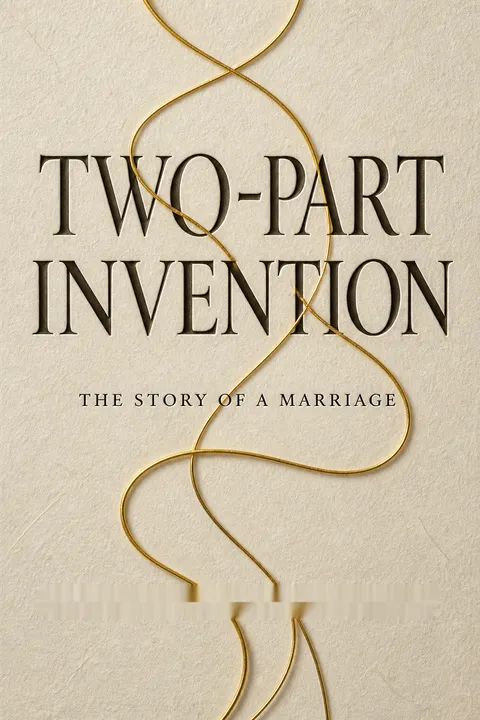
Two-Part Invention is a luminous meditation on the nature of marriage, creativity, suffering, and faith. Madeleine L'Engle's memoir transcends the particulars of her own life to offer a universal reflection on what it means to love and be loved over time. The book insists that real love is not the stuff of fairy tales, but a daily practice of presence, forgiveness, and mutual growth. Through the metaphor of music and the symbol of Crosswicks, L'Engle explores the improvisational, collaborative work of building a life together—one that embraces both harmony and discord. The narrative's interweaving of past and present, art and illness, joy and grief, mirrors the complexity of human experience. L'Engle's willingness to confront suffering without sentimentality, to question faith without abandoning it, and to find meaning in the ordinary, makes the memoir both deeply personal and widely resonant. Ultimately, Two-Part Invention affirms that love, once given, is never wasted; that the work of marriage is ongoing, unfinished, and sacred; and that even in the face of death, the music of love endures.
Review Summary
Reviews for Two-Part Invention are largely positive, averaging 4.24/5. Readers praise L'Engle's elegant, meditative writing about her 40-year marriage to actor Hugh Franklin, particularly her wisdom on love, faith, and loss. Many highlight memorable quotes about marriage's growth through "hills and valleys." Some readers note the book's authenticity is questioned by L'Engle's own family, who called it "largely fictional," citing affairs and struggles omitted from the account. Despite this, most find it a moving, nourishing meditation on love, grief, and companionship.
People Also Read



Characters
Madeleine L'Engle
Madeleine is the memoir's central consciousness—a writer, musician, and thinker whose life is shaped by longing, creativity, and the search for meaning. Her childhood isolation fosters a rich inner world, but also a deep hunger for connection. As an adult, she is both fiercely independent and deeply vulnerable, navigating the challenges of marriage, motherhood, and artistic ambition. Her relationship with Hugh is the axis of her emotional life, a partnership marked by passion, struggle, and mutual growth. Madeleine's faith is complex and evolving, tested by suffering but sustained by ritual, community, and the mysteries of love. Her voice is candid, reflective, and suffused with gratitude and wonder.
Hugh Franklin
Hugh is Madeleine's beloved husband—a tall, blue-eyed actor whose journey from Tulsa to Broadway is marked by integrity, resilience, and quiet strength. His early experiences of loss and hardship instill in him a sense of honor and a longing for beauty. Hugh's artistry is both a vocation and a source of identity, shaping his approach to life and love. As a husband and father, he is devoted, playful, and sometimes distant, his emotional reserve balanced by acts of care and loyalty. In illness, Hugh's courage and humor shine, and his willingness to face death with dignity becomes a final gift to those he loves.
Crosswicks
More than a setting, Crosswicks is a character in its own right—a repository of memory, tradition, and the evolving story of the family. Its crooked walls and weathered floors mirror the imperfections and endurance of marriage. Crosswicks is a place of gathering, healing, and transformation, bearing witness to births, deaths, celebrations, and sorrows. It anchors Madeleine and Hugh, providing continuity amid change and a tangible expression of their shared life.
Touché
Touché, Madeleine's first dog, embodies loyalty, comfort, and the healing power of animal companionship. Through years of loneliness and transition, Touché offers Madeleine unconditional love and a sense of belonging. The dog's presence is a reminder of the importance of small, everyday acts of care and the solace found in nonverbal connection.
Josephine, Bion, and Maria
The couple's children—Josephine (biological), Bion (biological), and Maria (adopted)—represent the unfolding of Madeleine and Hugh's love into new generations. Each child brings unique challenges and joys, reflecting the complexities of parenting and the unpredictability of family life. Their growth, struggles, and eventual independence force Madeleine and Hugh to confront their own limitations and to redefine their identities beyond parenthood.
The Artistic Community
Figures like Eva Le Gallienne, Joseph Schildkraut, Margaret Webster, and others populate Madeleine and Hugh's artistic world, offering guidance, inspiration, and sometimes heartbreak. These relationships underscore the importance of community in artistic and personal development, providing both support and challenge.
The Medical Team
The doctors and nurses who care for Hugh during his illness become part of the family's extended community. Their compassion, skill, and vulnerability highlight the shared humanity of patient and caregiver, and the limits of medicine in the face of mortality.
The Crosswicks Community
The villagers, church members, and local friends who surround Madeleine and Hugh provide practical help, emotional support, and a sense of belonging. Their presence during times of crisis affirms the value of interdependence and the sustaining power of community.
The Grandchildren
The grandchildren, especially Léna and Charlotte, represent the ongoing legacy of Madeleine and Hugh's love. Their presence brings joy, perspective, and a reminder that life continues, even in the shadow of loss.
Faith and Imagination
Throughout the memoir, faith and imagination function as characters—forces that shape Madeleine's responses to suffering, her understanding of love, and her ability to find meaning in chaos. They are both gifts and disciplines, requiring cultivation, risk, and humility.
Plot Devices
Memoir as Two-Part Invention
The narrative structure mirrors a musical two-part invention, with themes of love, loss, faith, and creativity developed in counterpoint. The memoir alternates between the story of Madeleine and Hugh's early life together and the present-tense ordeal of Hugh's illness and death. This dual structure allows for reflection, foreshadowing, and the layering of meaning, as past experiences illuminate present suffering and vice versa. The musical metaphor underscores the improvisational, collaborative nature of marriage—a composition shaped by both harmony and dissonance.
Symbolism of Home and Place
The house is a recurring symbol, representing the work, imperfection, and endurance of love. Its physical repairs and renovations parallel the ongoing labor of relationship, while its rootedness contrasts with the uprootedness of illness and loss.
Letters, Journals, and Quotation
Madeleine's use of journal entries, letters, and quotations from writers, poets, and theologians weaves a tapestry of voices, situating her personal story within a broader tradition of reflection on love, suffering, and faith. These textual devices provide both solace and challenge, inviting the reader into a conversation that transcends individual experience.
Foreshadowing and Retrospection
The narrative is suffused with a sense of impermanence and the inevitability of loss. Early references to illness, death, and the fragility of happiness prepare the reader for the memoir's ultimate trajectory. Retrospective analysis allows Madeleine to find meaning in events that were once bewildering or painful, transforming suffering into insight.
The Language of Touch and Presence
The motif of touch—holding hands, caring for the sick, the feel of home—serves as a metaphor for intimacy, vulnerability, and the incarnation of love. The limitations of language in the face of suffering are counterbalanced by the eloquence of physical presence and care.
Community as Character
The memoir foregrounds the importance of community—family, friends, neighbors, medical staff—as both a source of strength and a mirror for the protagonists' own needs and gifts. The collective response to crisis highlights the interconnectedness of all human experience.
Crosswicks Journals Series


About the Author




Download PDF
Download EPUB
.epub digital book format is ideal for reading ebooks on phones, tablets, and e-readers.








































