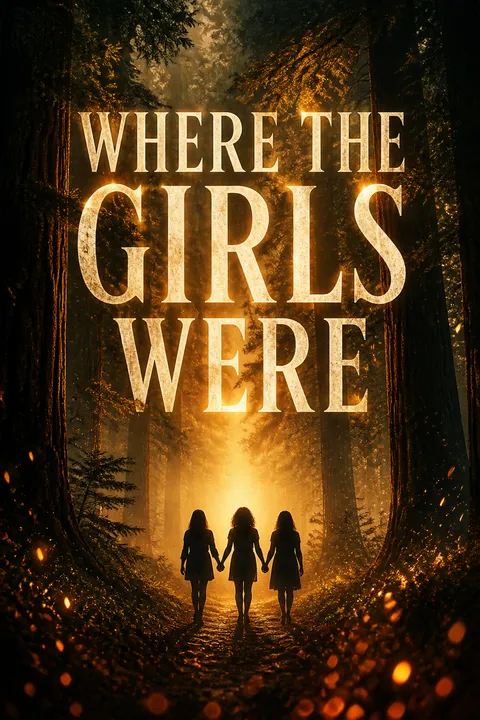
Plot Summary
Mirror, Mother, Mess
In her bedroom, seventeen-year-old Baker faces her reflection in a mirror she never wanted, seeing the physical evidence of a secret she can't ignore: she's pregnant. The room is filled with reminders of her childhood and her mother's expectations, but Baker feels alienated from her own body and future. The scents and sights of her home overwhelm her as she realizes she hasn't bled in months. Her mother's voice calls her to the ordinary world—mail, chores, family—while Baker is paralyzed by the enormity of what she's done and what lies ahead. The chapter sets the tone of shame, secrecy, and the suffocating weight of being a "good girl" in a world that offers no language or space for her predicament.
New Year's Eve Escape
On New Year's Eve, Baker's cousin May invites her to a concert in San Francisco, urging her to break free from her mother's watchful eye. Baker lies to her parents for the first time, dresses in forbidden clothes, and joins May's wild friends for a night of music, drugs, and possibility. The city is alive with promise, and Baker is swept up in the energy of the Fillmore, the music, and the attention of Wiley, a charismatic stranger. The night is a portal into adulthood, desire, and risk, as Baker tastes freedom and the thrill of being seen as a woman, not just a daughter or student.
First Love, First Loss
Baker's brief, intense romance with Wiley consumes her. Their secret meetings, stolen kisses, and sexual awakening fill her with hope and hunger. But the fantasy shatters at a Valentine's Day party when she discovers Wiley with another woman. Humiliated and heartbroken, Baker spirals into self-loathing, regret, and confusion. She questions her choices, her intelligence, and her worth, feeling both the sting of betrayal and the loss of her imagined future. The pain is compounded by the realization that her body is changing in ways she can't control.
The Secret Grows
As weeks pass, Baker's symptoms intensify: exhaustion, nausea, sore breasts, and missed periods. She tries to rationalize her illness as anything but pregnancy, but the evidence mounts. A visit to her cousin May confirms her fears. The two girls, once close, now navigate the chasm between childhood and adulthood, innocence and consequence. Baker is terrified, ashamed, and desperate for a solution, but the options are limited, dangerous, and illegal. The secret grows heavier, threatening to destroy her family's dreams and her own.
Cousins, Cookies, and Consequences
Baker's attempts to maintain normalcy—school, chores, family gatherings—become increasingly strained. She lies to her parents, skips assignments, and withdraws from friends. The pressure mounts as her mother, Rose, grows suspicious. When the truth finally emerges, the family is thrown into crisis. Rose's disappointment is palpable, but her response is pragmatic: secrecy, protection, and a plan to send Baker away to a home for unwed mothers. The chapter explores the generational cycle of shame, silence, and the desperate measures families take to preserve appearances.
The Unraveling Begins
Rose arranges for Baker to stay at a discreet home in San Francisco, where pregnant girls are hidden from society until they give birth. The journey is surreal and terrifying; Baker is stripped of agency and identity, reduced to her condition. The home is both prison and refuge, filled with girls from all walks of life, each with their own story of loss, abandonment, or rebellion. Baker's sense of self unravels as she is forced to confront the reality of her situation and the limited choices available to her.
The Home for Girls
Baker meets her roommate Michelle and a cast of other girls, each navigating their own version of shame, hope, and survival. The home is governed by strict rules, routines, and a culture of secrecy. Group therapy sessions, chores, and crafts fill the days, while the nights are haunted by cries, secrets, and the ever-present threat of "going over"—giving birth and disappearing. Baker finds solace in small acts of rebellion, friendship, and storytelling, but the environment is stifling and dehumanizing.
Good Girls, Bad Girls
The girls in the home sort themselves into "good" and "bad" categories, based on family background, behavior, and perceived worthiness. Baker, always the "good girl," is challenged by Michelle's defiance and the raw honesty of the other residents. Through shared stories—of first times, betrayals, and impossible choices—the girls forge bonds that transcend their differences. Baker begins to see the arbitrary nature of these labels and the deep injustice of a system that punishes girls for desire, curiosity, or simply being female.
Stories in the Shadows
Baker becomes the unofficial chronicler of the home, recording the girls' stories in her journal. She learns about hidden pregnancies, forced adoptions, and the ways women have always found to survive. The act of writing becomes an act of resistance, a way to assert agency and bear witness. The girls' stories are both unique and universal, echoing across generations. Baker realizes that silence and shame are tools of control, and that telling the truth—however painful—is a form of liberation.
The Ghost of Kitty
Baker discovers evidence of a former resident, Kitty, whose tragic fate is shrouded in secrecy and lies. Kitty's story—of desperation, a failed attempt at self-abortion, and a fatal fall—haunts the home and serves as a warning. Baker is shaken by the realization that the system is designed to erase girls like Kitty, to rewrite their stories as cautionary tales or suicides, rather than acts of resistance or cries for help. The ghost of Kitty becomes a catalyst for Baker's own awakening and resolve.
Breaking the Rules
As the pressure mounts, Baker and Michelle plot their escape. They enlist the help of other girls, destroy incriminating files, and set a fire as a diversion. The act is both desperate and exhilarating—a rejection of the roles assigned to them and a bid for freedom. The escape is chaotic, risky, and uncertain, but it marks a turning point: Baker is no longer willing to be passive, obedient, or silent. She claims her right to choose, even if the path ahead is unclear.
Fire and Flight
Baker and Michelle flee the burning home with the help of Michelle's boyfriend, Barry. They drive through the night, exhilarated and terrified, heading for a commune in the redwoods where May now lives. The journey is both literal and symbolic—a passage from captivity to uncertain freedom. Along the way, they confront the realities of race, class, and the limits of love. The escape is a victory, but the consequences—legal, emotional, and existential—linger.
The Grove's Uncertain Freedom
At the Grove, Baker is surrounded by women living outside the mainstream, raising children, and supporting one another. The environment is freer, but not without its own challenges and uncertainties. Baker is forced to confront what she truly wants: to keep her baby, to give her up, to return home, or to forge a new path. The commune is a space of possibility, but also of ambiguity. Baker's friendships deepen, but she remains haunted by guilt, fear, and the weight of her story.
Decisions in the Redwoods
As her due date approaches, Baker is torn between staying at the Grove, returning home, or disappearing entirely. Conversations with May, Michelle, and the women of the commune force her to reckon with her desires, her fears, and her sense of self. The midwife's wisdom, the stories of abortion and survival, and the memory of Kitty all converge as Baker realizes that no one can make this decision for her. In the solitude of the redwoods, she finds clarity and resolve.
The Return Home
In labor, Baker demands to be taken home to her mother. The journey is frantic and painful, but it is also an act of reclamation. Baker arrives at her childhood home, disrupting her mother's carefully constructed world and forcing a reckoning. The family, fractured and wounded, comes together in crisis. Baker's return is both a homecoming and a confrontation—a refusal to be erased, hidden, or shamed any longer.
Birth, Loss, and Love
Baker gives birth in a hospital, drugged and disoriented, her body and agency once again surrendered to the system. The baby—a girl—is taken from her, destined for adoption. Baker is left with physical pain, emotional devastation, and the ache of absence. Yet in the act of seeing her daughter, of saying goodbye, and of refusing to be silent, Baker claims her story. The experience is both an ending and a beginning—a loss, but also a form of love and self-knowledge.
The Stories We Carry
In the aftermath, Baker reflects on the stories of her mother, her friends, and the generations of women who have endured, resisted, and survived. The novel closes with an author's note that situates Baker's story within a larger history of hidden pregnancies, forced adoptions, and the fight for reproductive freedom. The act of telling and remembering becomes an act of healing, connection, and hope for a future where girls are allowed to choose, speak, and be seen.
Analysis
Where the Girls Were is a powerful exploration of the hidden histories of girlhood, sexuality, and reproductive injustice in America. Set against the backdrop of the late 1960s—a time of supposed liberation and progress—the novel exposes the persistent realities of shame, secrecy, and institutional control that shaped the lives of countless young women. Through Baker's journey, the story interrogates the arbitrary boundaries between "good" and "bad" girls, the generational cycles of silence, and the ways in which agency is denied and reclaimed. The novel's emotional arc moves from innocence to experience, isolation to solidarity, and despair to a hard-won sense of self. By centering the voices and stories of girls who were erased, sent away, or forced to surrender their children, the book challenges readers to confront the ongoing struggle for reproductive freedom and the importance of telling the truth—even, and especially, when it is unspeakable. The lessons are clear: secrets harm, stories heal, and the right to choose one's own path is both fragile and essential.
Review Summary
Where the Girls Were receives an overall positive reception, with most readers praising its emotional depth, historical authenticity, and timely relevance to modern reproductive rights. Set in 1960s San Francisco, the story of Baker, a pregnant valedictorian sent to a home for unwed mothers, resonates strongly with readers. Highlights include compelling characters, vivid period detail, and hopeful undertones. Common criticisms involve a slow middle section and an ambiguous ending. Many reviewers drew parallels to current political climates surrounding bodily autonomy.
Characters
Baker Phillips
Baker is a seventeen-year-old girl whose life is defined by high expectations, academic achievement, and the desire to please her parents—especially her mother, Rose. Her journey from innocence to experience is marked by longing, shame, and the struggle for agency. Baker's relationships—with her cousin May, her lover Wiley, her roommate Michelle, and the other girls—reveal her deep empathy and curiosity. Psychologically, Baker is torn between obedience and rebellion, self-loathing and self-love. Her development is a painful awakening to the realities of womanhood, sexuality, and the limits of control. By the end, Baker claims her story, refusing to be erased or silenced, and becomes a witness for herself and others.
Rose Phillips
Rose is Baker's mother, a woman shaped by her own history of secrets, shame, and survival. She projects an image of perfection and composure, but beneath the surface is fear, regret, and unresolved trauma. Rose's relationship with Baker is fraught with love, disappointment, and the weight of generational expectations. Her insistence on secrecy and reputation is both protective and suffocating. Psychologically, Rose is a study in repression and resilience; her eventual confession of her own past reveals the cyclical nature of silence and the possibility of empathy. Her development is subtle but profound, as she moves from denial to a painful, necessary honesty.
May
May is Baker's cousin and closest confidante, a foil to Baker's "good girl" persona. She embodies the countercultural spirit of the late 1960s—adventurous, unconventional, and sometimes unreliable. May's encouragement leads Baker into new experiences, but her own limitations and self-absorption are evident. Despite her flaws, May is fiercely loyal and ultimately helps Baker escape the home and return to her mother. Psychologically, May represents the allure and danger of freedom without boundaries, and her relationship with Baker is a source of both comfort and conflict.
Michelle
Michelle is Baker's roommate at the home, a young woman with a complicated past and a sharp tongue. She has already experienced pregnancy, loss, and abandonment, and her cynicism masks deep pain. Michelle's friendship with Baker is transformative for both; she challenges Baker's assumptions and offers hard-won wisdom. Psychologically, Michelle is both survivor and casualty of a system that deems her "unfit." Her decision to escape with Baker and reunite with her boyfriend Barry is an act of hope and self-assertion. Michelle's story highlights issues of race, class, and the intersectional burdens faced by women of color.
Wiley
Wiley is the object of Baker's first love and sexual awakening. He is charming, mysterious, and ultimately unreliable—a symbol of the era's promise and peril. Wiley's ability to walk away from consequences contrasts sharply with Baker's entrapment. Psychologically, he represents both desire and disappointment, the fantasy of liberation and the reality of abandonment. His brief presence has a lasting impact on Baker's sense of self and her understanding of gendered responsibility.
Ms. White
Ms. White runs the home for unwed mothers with a veneer of compassion and order, but her true allegiance is to secrecy and institutional control. She enforces rules, suppresses dissent, and participates in the erasure of girls' stories—most notably in the cover-up of Kitty's death. Psychologically, Ms. White is a product and enforcer of a system that values reputation over truth, and her interactions with Baker reveal the dangers of unchecked authority.
Mary Ann (Social Worker)
Mary Ann is the social worker who guides the girls through the adoption process, using psychological tactics to convince them that surrendering their babies is best. She embodies the institutional voice of reason, but her methods are coercive and dismissive of the girls' feelings. Psychologically, Mary Ann is both a gatekeeper and a gaslighter, reinforcing the narrative that girls like Baker are "lucky" to be helped, while denying them real choice.
Kitty
Kitty is a former resident whose tragic story is pieced together through clues, rumors, and official lies. Her failed attempt at self-abortion and subsequent death are covered up as suicide, a fate that looms over the other girls. Psychologically, Kitty represents the ultimate consequence of a system that offers no safe options, and her ghostly presence is a warning and a call to action for Baker and her peers.
Barry
Barry is Michelle's boyfriend, a rare example of a man who stands by his partner in the face of stigma and adversity. His willingness to help Michelle escape and his joy at being declared "unfit" for the draft are moments of hope and humor. Psychologically, Barry is a counterpoint to Wiley, embodying the possibility of partnership and shared responsibility.
The Girls at the Home (Janey, Marcy, Lizzie, Viv, Helen, Anna, Ida, Carol, Debra)
Each girl at the home brings a unique story of love, loss, and survival. Their backgrounds—rural, urban, religious, rebellious—reflect the spectrum of experiences that lead to pregnancy and exile. Psychologically, they are united by shame, secrecy, and the longing for connection. Their friendships, conflicts, and shared rituals (crafts, storytelling, music) create a microcosm of female solidarity and resistance. Their fates—adoption, return home, disappearance—underscore the randomness and cruelty of the system.
Plot Devices
Duality of Secrecy and Storytelling
The novel's structure is built on the tension between what is hidden and what is revealed. Mirrors, journals, and letters serve as literal and metaphorical devices for self-examination and communication. The act of writing—whether in Baker's journal, Kitty's unsent letter, or the author's note—becomes a means of reclaiming agency and resisting erasure. The home's rules enforce silence, but the girls' whispered stories and shared rituals create a counter-narrative of survival.
Generational Echoes and Cycles
The novel uses foreshadowing and parallelism to connect Baker's experience with those of her mother, Rose, and the generations of women before them. Rose's eventual confession of her own secret pregnancy and abortion reframes the narrative, revealing the cyclical nature of shame and silence. The discovery of Kitty's story, and the author's note about the real-life history of "girls who went away," situate Baker's journey within a broader social and historical context.
The Home as Microcosm
The maternity home is both setting and symbol—a place of confinement, surveillance, and erasure, but also of unexpected community and resistance. The rules, routines, and therapy sessions are designed to break the girls' spirits, but their friendships, crafts, and storytelling create a subversive space of care. The home's physical details—locked doors, hidden closets, the fire alarm—are used for foreshadowing and as tools for escape.
Symbolism of Fire and Water
Fire is used as both literal and symbolic device: the burning of files and the home represents the destruction of secrets and the possibility of new beginnings. Water—swimming pools, rain, tears, and the act of giving birth—serves as a symbol of cleansing, transformation, and the uncontrollable forces of life. The recurring motif of the "bun in the oven" and the act of baking connects the personal to the universal.
Narrative Structure and Voice
The novel employs a close third-person perspective, interspersed with letters, journal entries, and direct address. The narrative is fragmented, mirroring Baker's psychological state and the disjointed experience of exile and return. The use of song lyrics, literary allusions, and pop culture references situates the story in its historical moment while also creating emotional resonance.








































