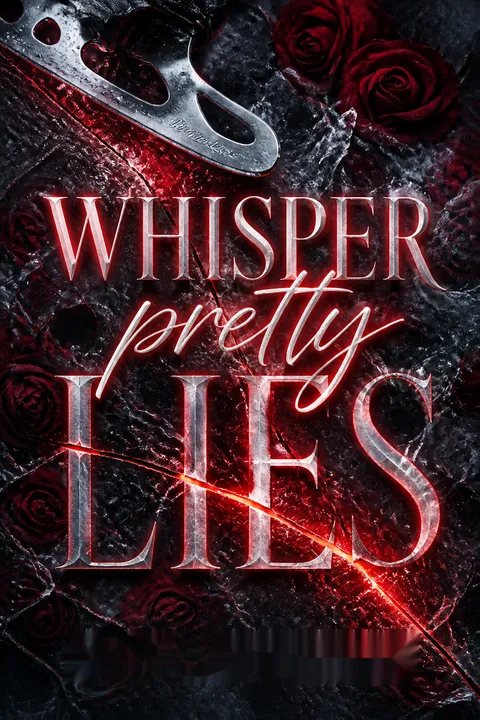

Plot Summary
Summer's Last Hurrah
Damon Storm's dream of leaving for a top hockey league implodes after a motorcycle accident, his future wrecked by a rich teammate, Chase, and the latter's not-so-innocent girlfriend, EvanAnn Ward. At a summer party, Damon and his wild, loyal friends, Hawk and Cam, agree: if they can't physically strike back, they'll destroy Chase emotionally—by targeting his girlfriend. Their pact is forged in anger and petty revenge, seeded as much by boredom as betrayal. As the summer night ends, lines are drawn and EvanAnn's ordinary life is about to be shattered by schemes too cruel for her small world.
Targets and Schemes
School resumes, pulling EvanAnn—ant, theater nerd, and unremarkable in her own eyes—back into her tightly controlled, hopeful life. But the Devils, each broken or ambitious in his own right, turn their focus to her. Damon burns with unresolved pain and a buried need to punish, Cam seeks distraction from his own lack of direction, and Hawk wants the thrill of seduction. Their plot is meticulous and cruel: isolate her, pull her from her boyfriend, and expose her secrets for all to see. What begins as competition quickly turns into something deeper, as their interactions become fused with sexual tension and a strange, reluctant fascination on both sides.
Unwanted Attention
A nobody in a world of somebodies, EvanAnn's life is upended when she's suddenly surrounded by the Devils—charming, menacing, and irresistible. Their attention frightens her, but also awakens cravings she's never allowed herself to feel. While her relationship with Chase remains mostly performative, her brush with the Devils makes her question why she's ever wanted safety over passion. The power play escalates—Hawk corners her, Cam teases relentlessly, and Damon's cold stares promise retribution for crimes she doesn't even understand. Each public interaction is a warning and a challenge, and everyone starts to notice she's being hunted.
Strange New Alliances
The game turns personal when EvanAnn's mother reveals they're moving in with Adam, Damon's father. The two protagonists are forced into awkward, intimate proximity, sharing a home and even a bathroom—an arrangement neither wanted. Simultaneously, EvanAnn meets and bonds with Mia, a new transfer whose bold sexuality and ambition for social mobility offers fleeting comfort and dangerous counsel. Meanwhile, the Devils' hovering presence only intensifies, and the lines between victim and accomplice blur as EvanAnn is drawn into their world, losing the stability she once fought so hard to maintain.
Dreams, Secrets, and Moves
Moving into Damon's mansion accelerates everything. EvanAnn's friendship with Mia deepens as they navigate the school's rigid social hierarchy, but even this new bond is tinged with strategy and suspicion. The boys invade EvanAnn's old home under the pretense of understanding her, but really to snoop and intimidate. Their tactics become less about Chase and more about EvanAnn herself. Surrounded by luxury but feeling powerless, she fights to keep her secrets and agency, even as Damon's anger pushes him to cross all boundaries, watching her with hidden cameras and seeking increasingly invasive forms of dominance.
House of Complications
Living with Damon brings the feud into every waking—and sleeping—moment. The two circle each other in moments of tension, desire, and resentment, forced into a kind of domestic intimacy neither can escape. Under the surface, new power struggles emerge: Damon's cold hatred is tested by EvanAnn's unexpected resilience, and EvanAnn's cautious nature cracks under constant surveillance, sexual tension, and her mother's blissful ignorance. Step-sibling jokes and fantasies swirl as the house turns into both fortress and prison, where nothing is private and everything is a test of will.
Home Invasion
Damon's obsession reaches disturbing new heights as he installs covert cameras in EvanAnn's rooms, capturing her most vulnerable moments—from late-night restlessness to her first explorations of desire. With voyeurism comes new leverage for blackmail, and Damon unveils this cache in a calculated, humiliating display in front of his friends. The trio closes ranks around EvanAnn, making clear the terms of their control: her will and secrets in exchange for their protection—and pleasure. The line between captor and captive fades, as curiosity and submission warp into the strange comfort of attention, however toxic.
Rules of the Game
The boys—each with his own motives and weaknesses—set the rules: EvanAnn belongs to them, and her body is theirs to share, punish, and reward. What began as bullying becomes mutual consent, complicated by arousal, retaliation, and shifting loyalties. Bound by blackmail, longing, and desire, EvanAnn cedes more power in a twisted social contract, resisting but also craving what only these devils can give her. She negotiates for her own boundaries: no kissing or sex with Mia, requests for schoolwork time, "punishments" only within her control. As she surrenders, her emotional lines fray—fear, lust, and anger churn into a dangerous kind of liberation.
Caught in the Crossfire
School becomes a warzone of rumors and rivalry. While pretending normalcy with her cheating boyfriend, EvanAnn navigates jealous friends, suspicions from teachers, and Mia's open pursuit of the Devils. Every encounter with Chase is a performance; every flirtatious exchange with the devils is a risk. Rehearsals for the school play intertwine with clandestine affairs in closets. The trio, meanwhile, must keep up appearances with their old conquests—especially Olivia, Damon's relentless admirer—creating additional tension and misunderstandings. Demands on EvanAnn's time and loyalty leave her exhausted and uncertain whom to trust—even herself.
Rehearsals and Rivalries
The school's production of Othello doubles as a metaphor for manipulation, secrecy, and betrayal. Rehearsals bring together enemies and allies, with Hawk joining the play and Chase vying for the lead role. The toxic chemistry between cast members mirrors the psychological games within the main quartet. EvanAnn struggles to direct her peers, control her emotions, and perform her role as "girlfriend" while being claimed nightly by the Devils. Public and private humiliations mount, with each act of rebellion or capitulation carrying consequences in both social standing and self-image.
Masquerade of Betrayals
A string of crowded high school parties puts the power dynamics on display. Mia's pursuits create jealousy and confusion. Olivia manipulates Damon publicly. At one party, Chase's betrayals become undeniable when he's caught cheating in a bedroom. EvanAnn's complicity with the trio is nearly exposed, and Damon stages humiliations and punishments as both warning and seduction. Alcohol, secrets, and shifting leverage push everyone to make bad (and often irreversible) choices. Each character's reputation is weaponized, and even acts of intimacy—sex, confidences, trust—can be used as ammunition.
Redefining Consent
The agreement between EvanAnn and the trio evolves into genuine negotiation—with sometimes surprisingly tender (and perverse) results. They experiment with boundaries, kinks, and "rules," from public sexual acts to denial and mind games. Damon, haunted by his dashed hockey future and his father's expectations, alternates between cruelty and tenderness. Hawk and Cam each demand their own forms of intimacy and validation, and EvanAnn discovers in herself a hunger for both submission and control. When she finally confesses her virginity, it's not innocence but agency that hangs in the balance.
Exposed Under the Lights
Major truths come out: Chase's infidelity, Damon's surveillance, and the boys' arrangement with EvanAnn. She walks away—wounded but not broken—and confronts what she wants, who she trusts, and who she is without a boyfriend or devils asserting control. The risks and costs of submission and rebellion become clear; reputation, self-perception, and ambition collide. Damon must face the real damage done—not only to his enemy but to his own ability to love and be loved. "Winning" begins to look an awful lot like loss.
Parties and Punishments
At a football game and subsequent party, past and present abuses surface. Old enemies return, new threats loom, and Chase's darker side is unmasked. When an attempted assault is narrowly avoided, the trio faces the consequences of what they've set in motion—direct violence, police intervention, and public scandal. Mirrored against the violence is the surfacing of real, if battered, affection. The devils must decide whether they want revenge, redemption, or love—and if any of those are still possible.
Shattered Illusions
The carefully maintained illusions—of romance, friendship, invulnerability—are shattered. EvanAnn, bruised but resolute, insists on her right to be more than prey, pawn, or prize. The trio must reckon with guilt and longing, learning (if not how to repair, then at least how not to repeat) the cycles of hurt. The lines between abuser and guardian, pleasure and pain, become less clear, and the hope for a future—if not free, then less fettered—emerges. Each of the four must ask what they're willing to risk for agency, healing, and perhaps real connection.
Breaking All the Rules
The story closes with lines of power and desire redrawn: EvanAnn has survived—not rescued, but choosing how to move forward, with or without the boys who once ruled her. Lessons are learned about love twisted by revenge, and submission chosen rather than forced. Happily-ever-after remains elusive—safety, agency, and trust are hard-won, and recovery is ongoing. But the final truth is this: no one leaves unchanged, and everyone has glimpsed what it means to survive hell, own one's story, and love (or not) with eyes wide open.
Analysis
"Whisper Pretty Lies" is a dark, contemporary psychological romance that interrogates the nature of power, consent, and survival in a world ruled by desire and hierarchy. Using the template of "bully romance" and "reverse harem" tropes, the novel subverts reader expectations: victim becomes agent, and predators become, if not heroes, then at least necessary monsters. The story confronts difficult questions—when does submission become empowerment? What are the costs of survival when reputation and safety are always at risk? The manipulative games the trio plays with EvanAnn are both punishment and perverse care; the explicit negotiation of "rules" becomes a metaphor for the limits of consent in a society tilted toward the powerful. Ultimately, "Whisper Pretty Lies" challenges readers to distinguish between abuse and agency, to search for hope in the ruins of violation, and to witness a young woman's transformation from prey to survivor. The happy ending is provisional—freedom comes only when every illusion is broken, and loving oneself proves harder than loving another. The book is both a warning and a wish: that no one should have to climb out of hell alone, but that, even when salvation is tarnished, survival itself is a kind of victory.
Characters
EvanAnn Ward
EvanAnn, the "ant"—an undervalued theater nerd—enters the story craving stability and recognition, but haunted by betrayal and trauma. Her journey is one of forced adaptation and uncertain awakening. Dragged into the Devils' revenge scheme, she submits at first under threat, then negotiates for her own limits and pleasure. Living in Damon's house, surveilled, blackmailed, and objectified, she discovers desires and strengths she never expected: a willingness to assert boundaries, challenge her abusers, and claim agency. Her ordeal clarifies her need—never again to be used or invisible, but to own her body and choices, even when love and pain are intertwined. By the end, EvanAnn is neither simply victim nor femme fatale, but a survivor whose trust, once given, is her most valuable possession.
Damon Storm
Once destined for hockey stardom, Damon's world is upended by an accident and the loss of his mother. His bitterness curdles into a campaign of revenge and dominance, particularly against Chase and EvanAnn. Damon is the archetypal dark prince: privileged, intelligent, emotionally scarred, and manipulative—a master of control and punishment, both sexual and psychological. Yet, haunted by real wounds, he is capable of tenderness and longing. Sharing a home with EvanAnn exposes him to his own capacity for obsession, protectiveness, and, ultimately, remorse. His precise, sometimes cruel games are as much about regaining a sense of power as they are about inflicting pain. Damon's growth hinges on confronting the consequences of his choices—vulnerability as a path to liberation, not just dominance.
Hawk Wilker
Hawk is the most outwardly charismatic and controlled of the Devils—a hockey captain prized for his intelligence, discipline, and dark sense of loyalty. Competitive with Damon but secretly longing for true connection, Hawk disguises his own neediness behind wit and sexual confidence. For much of the story, he relishes the game, both as a seducer and as EvanAnn's unexpected comfort when revenge crosses into care. Boundaries mean everything to Hawk; he negotiates consent and "rules" with surprising integrity, even as he enacts punishments and rewards. His arc moves from objectification to something more—grieving when lines are crossed, longing for affirmation, and eventually helping EvanAnn reclaim agency as much as pleasure.
Cam Warwick
The loose cannon of the trio, Cam is often the instigator—quick to seduce and quicker still to mask insecurity with banter and bravado. Lacking Damon's darkness or Hawk's discipline, Cam appears to care only for fun, parties, and sex, but his loyalty to his friends and hidden sensitivity make him more than a mere sidekick. Cam is the first to see EvanAnn's deeper needs and her struggle against isolation. He pushes for balance and negotiation, encouraging boundaries among the trio's otherwise unchecked appetites. Cam's arc, while less tortured, is about learning the weight of other people's pain and pleasure—and what risking intimacy, not just sex, might cost or gain him.
Chase Chadwick
Chase is the classic "good guy" with a shadowy core. Beneath his smiling, attentive demeanor lies entitlement, duplicity, and predatory manipulation. His relationship with EvanAnn is a mix of calculation and neglect, essential for appearances but never real. Obsessively possessive while cheating constantly, Chase becomes both the target and the author of much harm. When threatened, his charm curdles into control and violence, exposing the dangers beneath the school's hierarchy. Chase's inevitable fall is less a comeuppance than a mirror of the system's sickness: those on top feel entitled to everything, and leave nothing but damage in their wake.
Mia Lewis
Outwardly bold, sexually liberated, and unapologetically ambitious, Mia enters as EvanAnn's "rescue" from isolation. Her pursuit of pleasure, power, and popularity is both liberating and cautionary—she is the anti-wallflower, using sexuality as currency and negotiating her own risks. Mia's advice is often dangerous, but her loyalty to EvanAnn is real, if sometimes self-serving. Her failures to recognize the darkness lurking beneath the surface reflect how often trauma hides behind performance. Mia is both a cautionary tale and a real friend—a reminder of how female friendship can be both lifeline and pressure.
Heather (EvanAnn's mother)
Once wounded by the early death of her husband, Heather seeks safety and belonging by latching onto men—first through a string of disappointing relationships, then with Adam Storm. She is, in some ways, a parallel to her daughter: persistent, resilient, and sometimes too quick to believe in fairy-tales. Her choices have real consequences, placing her daughter in harm's way. But Heather is not a villain—her longing for happiness is achingly real, and her small acts of care provide a touchstone for EvanAnn's recovery.
Adam Storm
Damon's father is successful, wealthy, and emotionally distant—his focus on appearances and career blinds him to the power plays happening right under his nose. Adam's determination to rebuild his life after the loss of his wife manifests in both genuine affection for Heather and pragmatic indifference to the needs of the young people in his care. Though not directly abusive, his inability to see the violence and loneliness in his own household contributes to the crisis at the novel's core.
Olivia Carmichael
Olivia is at once a symbol and a participant in the school's toxic hierarchy: beautiful, calculating, and desperate to possess Damon. Her jealousy and rumors add fuel to the central conflicts, and her predations create additional drama during key parties and social events. Olivia's manipulations are both personal (against EvanAnn) and institutional—a reminder that female rivalry can be every bit as cruel as male dominance.
Jackson Riordan
Athletic and powerful, Jackson is a catalyst for EvanAnn's trauma and a reminder of the real, physical dangers facing vulnerable girls. His re-emergence at parties and games is a chilling symbol of the violence hidden beneath surface-level games—forcing EvanAnn to confront both past and present abuses, and summoning unlikely protection from the devils who once wanted only to break her.
Plot Devices
Revenge as Romance, Consent as Weapon
The core engine of the plot is revenge—Damon's quest to destroy Chase, using EvanAnn as weapon and prize. But this is not a simple revenge romance: the narrative continually blurs lines between predator and protector, object and agent. Blackmail and power exchanges masquerade as seduction, and consent becomes both pivot and prize: withheld, negotiated, surrendered, and used as a form of self-defense. The narrative structure alternates close-POV chapters, offering insight into conflicting motives and mounting emotional stakes.
Foreshadowing, Parallelism, and Social Mirror
Early scenes—hidden cameras, invasions of privacy, EvanAnn's trauma from Jackson—foreshadow deeper betrayals, sexual experimentation, and eventual violence. Every relationship is mirrored by another: Heather and Adam's cautious love; Mia's bold pursuit of pleasure and status; Olivia's public manipulations. The school's social landscape—plays, sports, lunch tables—offers a structural parallel for the narrative's psychological and sexual games. Parties, rehearsals, and even shared bathrooms all function as arenas for evolving alliances and betrayals.
Explicit Rule-Making and the Breaking Thereof
Written "rules" (about sex, friendship, blackmail, and emotional boundaries) become crucial plot devices—both giving EvanAnn agency and revealing the limits of negotiation in a rigged game. Almost every rule is tested, broken, or subverted, and the repeated cycles of boundary-making and -crossing mirror the characters' struggle for control.
Escalating Punishments and Rewards
The trio's use of "punishments" (spankings, denial, humiliation) and "rewards" (orgasms, care, inclusion) not only escalate the sexual plot, but also foreground the psychological trauma and cost of survival in a world where every act of compliance can be used as leverage or proof. These rituals come to mean more than just sex—they are the battleground for trust, power, and selfhood.
Pivotal Parties, Violent Interventions
Key scenes—the closet tryst, confrontations at parties, blows exchanged at football games—distill the overlapping dangers of exposure, assault, and reputation. Each public humiliation or rescue ratchets up both plot tension and character development, culminating in the climactic abandonment and violence of the story's final third.
Download PDF
Download EPUB
.epub digital book format is ideal for reading ebooks on phones, tablets, and e-readers.








































