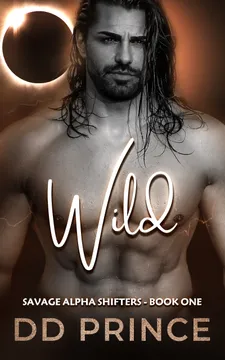
Plot Summary
Escape from the Cabin
Ivy craves a break from family chaos, expecting a fun girls' weekend at a lakeside chalet. Instead, she finds herself isolated in a musty, isolated cabin, outnumbered by aggressive strangers after her "friend" Megan ditches her for a group hook-up. An unsettling vibe and unwanted attention build until Ivy flees alone into the dark wilderness, her gut screaming danger with every step. Exhausted and lost, she struggles to escape, haunted by betrayals—both Megan's and her faith in people—while wrestling with shame and fear after realizing how easily comfort can become calamity.
Wolf in the Road
Lost and driving along the moonlit rural road in search of civilization, Ivy's world shatters when she strikes a massive animal—too big for any normal wolf. Her car is stuck and, to her horror, she is soon confronted not by one threat, but two: a monstrous black wolf and a naked man, both sharing the same emerald gaze. Confusion mounts as the stranger attempts to break into her car, demanding her compliance. Between disbelief, terror, and awe, Ivy glimpses something primal and magical, her world irrevocably shifted, as she realizes that her peril has only grown more extraordinary.
Savage Claim
Tyson, more wolf than man after years of isolation, instantly recognizes Ivy as his destined mate, her scent triggering an overwhelming urgency to claim her. Disoriented by the resurfacing of his human form and speech, Tyson is torn between violent longing and the strange urge to comfort her. Ivy, trapped and terrified, is forcibly taken—first through the wilderness in Tyson's arms, then into his mysterious, dusty cabin. The encounter blurs the lines between captor and soulmate as fear, attraction, and instinct ignite something raw and dangerous in both.
Forced into the Wild
Stormy weather, hunger, and the threat of predators are no match for the intensity that builds between Tyson and Ivy within his isolated den. Tyson's inexperience with humans clashes with his alpha dominance; Ivy battles the contradiction of longing and fear. Ivy is cared for and sensually pursued, even as she resists. The animal in Tyson is both gentle and unyielding, treating her like a mate even as she pleads for space. Forced closeness sparks a carnal dance—one in which consent, compulsion, and desire swirl together in a steamy, unsettling tangle.
The Bond is Sealed
Tension erupts into feral passion as Tyson claims Ivy physically, marking her with his bite and knotting her in a uniquely shifter ritual. For Tyson, it's a moment of exultation and completeness; for Ivy, it's both ecstasy and an irrevocable crossing of boundaries. Sex becomes a ritual, not just pleasure but a supernatural binding that leaves both haunted by its power. In Tyson's world, this mark means marriage for life—while Ivy reels from shock, pleasure, and the knowledge that she's now changed forever, body and soul, in ways she does not yet comprehend.
Wolf and Woman
Dawn reveals the reality and strangeness of Ivy's new prison. As she alternates between plotting escape and accepting comfort, Tyson vacillates between fear of losing her and overwhelming possessiveness. Ivy's body reacts to his every touch, the mark on her neck throbbing as a new, secret pleasure point. The outside world begins to creep back in: the specter of other shifters, the past traumas haunting Tyson, and, just as pressing, Ivy's inner struggle to reconcile love, anger, and survival. The fragile intimacy and frequent sex are counterpointed by moments of alienation and fierce arguments that carve deep emotional scars.
Boundaries and Resistance
Ivy's need for agency propels her to risk everything—fleeing Tyson's home only to run into unexpected dangers, from nature's hazards to other shifters with their own claim on her fate. Her attempts to assert boundaries provoke Tyson's protective (and sometimes violent) instincts; each escape leads to dramatic returns, making it clear that physical and emotional flight are futile without trust. Cycles of transgression and apology follow, highlighting the agony of captivity and the ache for connection—a dynamic as toxic as it is addictive.
The Pack Awakens
Tyson's origins come into focus as members of the Arcana Falls shifter pack seek him out. Their revelations turn Tyson's beliefs upside down: his mother, presumed dead, lives and is the pack's healer; his uncle, the story's villain, is unmasked as a manipulative kidnapper. Ivy finds herself thrust into the midst of a society both alluring and threatening, steeped in tradition, hierarchy, and magic. With every introduction, the pull of community and destiny grows, even as old wounds and rivalries threaten what little stability Tyson and Ivy have built together.
Truths of the Past
The web of Tyson's childhood is untangled alongside revelations about Ivy's own family history. Witchcraft, prophecy, and the meddling of Aunt Nelle unspool a story in which Ivy and her sister were fated—through the paid magic of a coven—to be lifelong mates to Arcana Falls alphas. Blood, birth order, and spells have shaped destinies, creating confusion and mortal peril. As the past is revealed—Tyson's abduction, his uncle's crimes, the true identity of Mason's mate—the question emerges: do love and fate override consent and agency, or are they expressions of another, more mysterious design?
Breaking and Healing
A public display of alpha rage and possessiveness shatters Ivy: in front of the entire pack, Tyson—warping between wolf and man—brutally reclaims her, traumatizing her and frightening the community. The aftermath is devastation: Ivy flees, physically and emotionally broken; Tyson is racked by remorse, lost in shame and fear that he's beyond redemption. Through communal care, honest dialogue (and a fierce intervention by Bailey, the pack's wise woman), the slow work of healing begins. Only through mutual vulnerability, apology, and the work of rebuilding trust can the bond be remade.
Running from Pain
Ivy's escape to her old life is haunted by emptiness. The city and her family offer no comfort, while old boyfriends provide only a stark reminder that no one but Tyson ignites her heart or body. In parallel, Tyson searches for her, contemplates returning to the wild for good, and is drawn into reckonings with his past. Their separation is a crucible: Ivy faces her own agency, discovers the limits of anger and the depth of longing, and, in the end, chooses to risk her heart—and her future as a shifter's mate—all over again.
The Witch's Design
Aunt Nelle's spellbook is unlocked, and the truth of the sisters' fates is revealed: the pairings of Ivy and Tyson, Amelia and Mason were shaped by a witch's intervention, for good or ill. The pack's witches confirm that even magic cannot force what isn't there—yet it has power, especially when catalyzed by willingness, belief, and love. Mason's earlier confusion and fury are explained: he and Tyson were, by nature, always supposed to take the Brennan sisters as their mates. Witch-meddling just twisted the path, nearly undoing all. The balance between destiny, free will, and magic becomes the story's central mystery.
The Sisters' Fate
Amelia, the pragmatic, forceful sister, is swept into her own whirlwind mateship with Mason, another powerful alpha. Their collision is tumultuous, echoing Ivy and Tyson's, but also uniquely theirs—tempered by family humor, sibling rivalry, and wild, unexpected feelings. In Drowsy Hollow and Arcana Falls, the bonds of blood and magic deepen, culminating in double nuptials where sorrow finds solace, rivalries find peace, and love (both old and new) is forged in the sight of pack and coven alike.
Reckoning with the Pack
Ivy's tentative return to pack life is met with unconditional acceptance. The shifters, led by Tyson's mother, surround her with warmth and promise that even wounds so public can—must—be healed. Tyson makes it clear he'd sacrifice the pack for her, but Ivy, learning the truth of her own heart's longing, insists that shared community and chosen family are vital for both. As Tyson steps up to take his place as alpha, the two work out how to be partners—balancing dominance, devotion, and choice within a marriage tempered by both pain and forgiveness.
Forgiveness and Fire
In a rare moment of honesty, Tyson burns the last relics of his traumatic past: his uncle's paintings. It is both penance and an offering, a way to honor what was lost and refuse what was stolen. His remorse and Ivy's courage to forgive—without forgetting or excusing—become the ground for a deeper love. The couple, together at last, plan for a family, envisioning a future that is both wild and gentle. The pack, too, is renewed, its old wounds aired and new dreams forged. Even pain, it seems, can become the seed for something bright.
New Beginnings
With pack intrigues resolved and misunderstandings unraveled, Ivy and Tyson move into their ancestral home by the Arcana Falls. There, joined by their mothers, siblings, and new community, they build a life where Ivy's urban pragmatism and Tyson's wild nature coalesce. Ivy, finally at peace, considers opening a dance school: reclaiming her own agency even as she embraces the most radical changes of all—matrimony, family, and a destiny she now claims as her own. The rituals of pack life become as familiar as the rituals of love.
Wedding by the Falls
In a luminous, magical wedding beside the waterfall, Ivy and Tyson (joined, in parallel, by Amelia and Mason) are wed before the entire pack. Every thread of the story—betrayal, violence, healing, and devotion—finds expression in this new beginning. Tradition and personal choice blend as the pack welcomes its new alpha pair, and old wounds give rise to new strength. At last, free of spells, secrets, and inner monsters, Ivy and Tyson step into their future: still wild, still unorthodox, but now wholly, irrevocably theirs.
Analysis
"Wild" by D.D. Prince explodes the conventions of the shifter romance by making the magic literal and the trauma real, blurring lines between alpha fantasy and hard-earned emotional truth. The story dares to explore questions often left unspoken in the genre: What happens when destiny overrides consent? Can love heal harm when the very mechanics of supernatural mating risk reproducing cycles of violence? Prince's structure—repetitions of abduction, resistance, violence, apology, and ultimately forgiveness—forces both characters and readers to wrestle with the limits of erotic obsession and the possibilities of building honest, negotiated trust. At its core, the novel is a penetrating meditation on the power of community, self-knowledge, and the redemptive labor of love. "Wild" suggests that true partnership is never given—it must be chosen, again and again, even after betrayal and despite fate's decree. The lessons are clear: healing requires not just desire, but humility, boundaries, and communal care; magic may set the stage, but real transformation comes through courage—in both loving and letting oneself be loved.
Review Summary
People Also Read


Characters
Ivy Brennan
Ivy is a complex, independent, and spirited woman, shaped by chaos at home and the sudden, profound violence and love of the supernatural world. Her arc is a study in survival and transformation: she moves from unwitting victim to active agent, alternately resisting and embracing the savage passions that Tyson awakens. Haunted by betrayal, then by the lines between desire and trauma, she insists on consent, respect, and honest reckoning—laying down boundaries and demanding apologies, even from an irresistible alpha shifter. Through deep psychological struggle, Ivy ultimately finds strength in vulnerability and connection, accepting not only her role as mate, but—as the story's anchor—her place at the heart of a complicated and loving community.
Tyson Savage
Tyson is the product of a wild and broken upbringing, his psyche split between wolf and man, captivity and longing, dominance and deep vulnerability. His obsessive, all-consuming love for Ivy is both his weakness and his redemption, forcing him to confront not just his animal instincts but the wreckage left by a manipulative uncle and a stolen past. Psychoanalytically, Tyson embodies the tension between primal rage (violence, possessiveness) and the yearning for connection: guilt, remorse, and desperation shadow every misstep. Through humility and repeated attempts at restitution, he dares to unlearn domination for the sake of partnership, ultimately choosing love and openness over isolation and brute will.
Catrina "Cat" Savage
Cat is both Tyson's lost mother and the anchor of the community, her warmth and wisdom shaping not only the plot but the emotional landscape of the novel. She embodies resilience: having survived violence, separation, and loss, she welcomes not only her son but all newcomers with open arms. Psychoanalytically, Cat is the model of nurturing power—a polarity to Tyson's wildness—offering guidance, boundaries, and profound compassion. Her arc reminds both main characters (and the reader) of the necessity and possibility of forgiveness, generativity, and chosen family.
Riley Savage
Riley is the brother Tyson never had: strong, honorable, but hiding deep pain. Having lost his own mate (a witch who faked her death), Riley's stoicism masks profound grief, and his support for Tyson conceals envy and longing. As Tyson's mirror in the community, Riley's arc is one of deferred healing, and he foreshadows the costs of unresolved loss and the dangers of impossible expectations. His journey teases the pack's future and the nature of supernatural love—fidelity, agony, and eventual hope.
Bailey Blackwood
As the pack's "encyclopedia," Bailey is Ivy's first and best confidante in Arcana Falls, guiding her through sex, shifter customs, and the minefields of alpha politics. Her keen insight and emotional intelligence are counterpoints to the story's wildness. Bailey is not mated—her psychoanalysis is one of longing, deferred desire, and community stewardship. She is the bridge between Ivy's mainstream past and her new supernatural world, a testament to the importance of wise female friendship and mentorship.
Mason Quinn
Mason's confusion and rage act as the novel's most dangerous wild card: he mistakes Ivy for his mate until the truth of the witch's spell is revealed and finds peace only with the arrival of Amelia. His journey exposes the shadow side of alpha desire—envy, supernatural compulsion, and the shattering effects of magical interference on agency and consent. Mason's eventual acceptance and happiness with Amelia mirror Tyson's arc, but also warn of the consequences of fated bonds without clear will.
Amelia Brennan
Amelia, Ivy's "alpha" sister, is swept up by the same magic and destiny (and Mason) that claimed Ivy. Fiercely independent yet vulnerable, she embodies resistance and the bittersweetness of transformative love. Her initially comic, then poignant, collision with Mason parallels Ivy's journey while highlighting the roles of sibling rivalry, freestanding will, and the reality that wishing for magic can be a perilous thing.
Aunt Nelle
Though dead before the main events of the novel, Aunt Nelle's presence is everywhere: her witch-bought spell orchestrates the central pairings, raising layered questions about consent, control, and love. As both fairy godmother and cautionary tale, Nelle is a psychoanalytical symbol for the dangers of meddling, the costs of desire, and the labyrinths of family legacy.
Cornelius Savage
Cornelius's actions—abduction, lies, abuse—cast shadows over Tyson and the entire pack. As a classic abuser, he epitomizes the harm wrought by control, fear, and selfishness. His paintings and memory are literally burned as both penance and purge, marking the story's cathartic turning point.
The Arcana Falls Pack
The pack—its alphas, betas, omegas, witches, and children—are the living tissue of the novel, functioning both as characters and as a collective unconscious for the main couple. Their complex relationships and rituals both hinder and heal the protagonists, embodying the paradoxes of family, tradition, and the longing for both belonging and freedom.
Plot Devices
Fated Mates and Magical Interference
The backbone of the plot is the concept of fated mates, supercharged here by witchcraft and family bargains. Fate and magic conspire to draw Ivy and Tyson, Amelia and Mason together—but with complications, errors, and harmful consequences. This device explores the boundaries between destiny and agency, raising the stakes on consent, desire, and the dangers of "forced" love. The spell acts both as a catalyst (igniting love at first sight) and an obstacle (confusing the "right" pairings, upending psychic order), inviting psychoanalytic readings about the costs of getting what you wish for.
Shifter Biology and Heat
Sex, in "Wild," is never merely erotic: it carries supernatural significance through biting, knotting, and heat cycles. The act of making love is, for shifters, an act of binding for life: a mix of violence, comfort, ownership, and magic. When Ivy's birth control pills interfere, she's thrust into illness and crisis, showing that agency and biology are always in tension—and sometimes in conflict. These devices drive the emotional arcs, creating scenarios where love and control, healing and harm, are cinched impossibly tight.
The Hero's Journey and Trauma Recovery
Both Ivy and Tyson undergo journeys that are physical, emotional, and mythic. Tyson must shed the burdens of abuse, violence, and solitude to become not just an alpha, but a true partner. Ivy's arc is a descent into chaos and violation—and a hard-won return, forged through the agony (and agency) of forgiveness. The novel uses repeated escape/recapture cycles, confession, and healing rituals—culminating in public confrontation and reconciliation—to structure both characters' development and the story's cathartic heart.
Community as Character
Arcana Falls isn't just a backdrop: the pack is an omnipresent entity whose collective wisdom, judgment, and rituals shape the individual's path. Group interventions, communal affirmation (and shaming), and public ceremonies (from punishment to wedding) are plot engines, emphasizing the tension between self and society, isolation and belonging.
Symbolism of Nature and Home
Flooded forests, the waterfall, handmade dwellings, gardens, and denning are recurring motifs, symbolizing the story's core cycles: wounding and healing, isolation and connection. The home—first as prison, then as sanctuary—mirrors the journey from captivity to consensual belonging, and the waterfall serves, finally, as the place of both conception and marriage—a nod to the power of place in making new beginnings possible.
Savage Alpha Shifters Series
Download PDF
Download EPUB
.epub digital book format is ideal for reading ebooks on phones, tablets, and e-readers.








































