


Plot Summary
A Herald Born of Two Enemies
In the fog-laced Underling realm, Zenia6 (goddess of winter, fire, and cunning) gives birth to a daughter, and the god of war Bade3 is the first to cradle her, naming her Matilda.1 When death-goddess Orphia9 reads the newborn's horoscope in her scrying mirror, she declares a modest six-point constellation: a herald, a mere messenger.
Yet Orphia9 glimpses something else in the stars and refuses to name it. Zenia6 hides the identity of Matilda's father, a Skyward enemy,13 and vows to keep her secret for decades. Marked as the only being who can walk all three realms, Matilda1 grows up under constant threat that another divine might slay her to steal her magic. Movement, Orphia9 warns, must become her armor.
Ross opens with an origin myth that fuses cosmology and psychology. Matilda is defined by liminality: neither wholly Underling nor Skyward, belonging nowhere, tethered to no clan name. This rootlessness becomes both wound and superpower. The withheld horoscope plants a structural seed, teaching readers that identity here is destiny deferred, magic waiting to be claimed. The divine economy runs on predation, where love is scarce and power is devoured, framing Matilda's central hunger, to be claimed and safe. Naming, constellations, and prophecy establish the book's governing metaphor, that a being is written before they are lived, and that the unspoken shapes as forcefully as the spoken.
The Salt Vow and the Dreaming Boy
To make her daughter formidable, Zenia6 has Bade3 swear a salt vow: he will protect and train Matilda1 until she becomes like iron, forfeiting his immortality if he betrays her. They eat the written oath, which tastes of tears. Bade3 drills her with shield and sword in his forge, teaching that every god has a fault line, mind or heart, and Matilda1 privately confesses hers is the heart.
Meanwhile the nightmare goddess Alva11 secretly slips Matilda1 dream scrolls. In them, Matilda1 discovers a mortal boy named Vincent2 who dreams of drowning while chasing his brothers. When she reads his dream, a bond forms, and soon Vincent2 begins dreaming of a red-haired girl1 who saves him. Across seasons, the two become friends inside his sleeping mind.
The salt vow externalizes Matilda's deepest ache: her longing for a father who will choose her without hesitation. Bade's reluctance stings precisely because duty is not the same as love, a distinction the novel interrogates relentlessly. The fault line concept operationalizes vulnerability as literal anatomy, making emotional openness a survival risk. Vincent's arrival through dreams introduces the soul as something that moves outside time, foreshadowing Matilda's hidden nature. Their friendship, built in a realm where nothing is corporeal, poses the book's romantic question, whether connection forged in imagination can grow bones in waking life, and whether tenderness in a predatory world is weakness or the truest kind of strength.
Forbidden Scales and Stolen Music
Fleeing her first humiliating lesson, Matilda1 bursts into the burrow and catches Zenia6 and the coin-goddess Phelyra12 hiding a plucked eithral scale and strange Skyward coins. Sworn to silence, Matilda1 learns the truth: her mother6 and Phelyra12 run a black market, trading the wyverns' scales, blades that can cut through anything, even a god, to the Skywards.
To soften the blow of striking her, Zenia6 flicks a Skyward coin into the hearth, and it melts into exquisite music. Matilda,1 starved of such beauty below, becomes obsessed with the sound. She understands that whoever holds an eithral scale holds terrifying power, and that her mother6 is playing a dangerous game whose consequences she cannot yet see.
This section weaponizes desire. Music becomes the sensory emblem of everything the Underlings lack, warmth, transcendence, feeling, and Matilda's craving mirrors her hunger for love and belonging. The scales function as Chekhov's gun on a mythic scale, an object introduced casually that will later sever throats and destinies. Ross builds a moral ecology where beauty and death share a marketplace: the same clandestine trade that yields music also yields the instrument of a god's murder. Matilda's forced complicity in secrecy corrodes her, teaching her that survival demands duplicity. The chapter also quietly indicts the gods' contempt for the mortal and the beastly, a hierarchy the narrative will systematically dismantle.
The Poet Queen's Dying Wish
Bade,3 sent to deceive the mortal Poet Queen Adria,7 instead falls in love with her. When Dacre,14 lord of the Underlings, looses his eithrals and one shreds Adria,7 Bade3 bears her broken body into court and begs the healing god14 to save her. Dacre14 demands ruinous payment. Orphia9 offers a stranger path: she and her estranged sister Rowena, goddess of fate,10 could each surrender stars to make Adria7 half-immortal.
Only Matilda1 can carry the request between realms. She races above, and while sheltering from an eithral in the bracken, she collides at last with Vincent2 in the flesh. He knows her instantly, calls her Red, and they share a first innocent kiss before she flees skyward on the wind.
The Adria crisis detonates the plot by proving that even the god of war can be undone by love, seeding the novel's thesis that affection is the crack through which change floods the divine order. Matilda's first embodied meeting with Vincent collapses the boundary between dream and reality, granting mythic weight to their kiss, the imagination made flesh. Ross stages love as contagion and catalyst: Bade's tenderness inspires an unprecedented act of cosmic generosity between warring matriarchs. The scene also inaugurates Matilda's true vocation as the courier who stitches realms together, positioning her at the fulcrum of a world where a single delivery can rewrite the balance of power.
A Mortal Made Divine
Matilda1 reaches Rowena's10 cloud villa, meets the alluring, dangerous god of spring Warin,4 and secures five stars from Fate.10 Delivered to Adria,7 the stars fuse with Death's9 four, and the Poet Queen7 wakes transformed into the Underling goddess of peace, the first mortal ever to ascend. Bade,3 weeping with relief, holds Matilda1 like a true daughter.
Exploring a ruined castle, Matilda1 opens a wasted door and steps into the wasteland, the realm of the dead, where she walks the slain god of iron20 to the mists. There she meets the giant Gatekeeper,17 who reveals she plucked out her own eye the night Matilda1 was born, and it now sleeps as a moonstone on Matilda's1 belt.
Adria's impossible ascension establishes that the rules governing this cosmos can bend, priming readers for later miracles. Matilda's accidental discovery of the wasteland is the novel's most consequential quiet revelation: her belt literally holds Death's mother's eye, an inheritance she does not yet comprehend. Ross layers dramatic irony, letting the Gatekeeper acknowledge a bond the heroine cannot read. The wasteland's scales, which weigh a soul by how deeply it marked the world rather than by virtue, articulate a startling ethics, that a meaningful life is measured by intensity of experience, joy and wound alike. Matilda's herald magic is quietly revealed as something far larger, a bearer of souls.
A Mother's Last Word
When Dacre14 discovers a slain eithral with its scales intact, he realizes someone has smuggled scales to the Skywards. Cornered, Matilda1 blurts that the nightmare goddess Alva11 witnessed her and Vincent2 burning coins in a dream, exposing the black market. As Zenia6 turns her full, tender attention on her daughter1 for once, Phelyra12 drives an eithral scale through Zenia's6 throat to save herself.
Dying, Zenia6 gasps a single name: Thile, the god of dusk, Matilda's father.13 Phelyra12 flees into exile, and Dacre's14 hounds hunt Matilda1 through the corridors. Bade3 throws himself against the beasts, absorbing their claws so she can escape, then orders her to flee above and beg sanctuary from the father she has never met.13
The murder is the book's pivot, converting Matilda's world from precarious to unlivable. Ross stages it with cruel irony: the one moment Zenia offers undivided maternal love is the moment that undoes them both, dramatizing the fault line lesson, attention lowers the guard. Zenia's final word is an act of transgressive love, breaking her ancient vow to summon Thile and shelter their child. Bade's self-sacrifice pays off the salt vow's premise viscerally, scars becoming the currency of devotion. The sequence reframes the divine realm not as home but as a den, propelling Matilda toward a father who represents both refuge and the terror of the unknown, exile disguised as inheritance.
Thirteen Years and a Dark Winter
Matilda1 gains sanctuary with Thile,13 who keeps her caged in his sunset court, forbidding her the mortal realm until she sheds her softness. She sharpens herself, takes the treacherous Warin4 as a lover after losing an archery wager, yet guards every Underling secret. Below in the mortal world, years pass. Vincent2 buries prayers to Matilda1 that never reach her.
On a bitter solstice, his uncle Grimald,5 denied his birthright, slaughters Vincent's2 father and brothers Finnian and Marcher in the hall. Vincent,2 gutted by a sword, crawls to the garden begging Matilda1 for help. She never comes. He survives, becomes the reluctant Lord of Wyndrift, and stops believing the gods will ever answer.
This diptych of parallel imprisonments deepens both leads. Matilda's Skyward years enact the tragedy of self-armoring: to survive she becomes the cold thing her mother wanted, trading tenderness for teeth. Warin embodies possessive love as extraction, wanting her knowledge, not her heart, a foil to Vincent's later devotion. Vincent's Dark Winter is the novel's crucible of faith, transforming a hopeful boy who prayed into a hardened lord who scorns the divine, because his one desperate prayer went unanswered. Ross makes clear the cost was circumstantial, not cruelty, Matilda simply was not below to receive it, seeding a guilt that will drive her later atonement and reframing abandonment as tragic mistiming.
Death's Letter to a Doomed Lord
Returning below to escort the music goddess Enva15 into Dacre's14 arranged marriage, Matilda1 reunites with Bade3 and reels at seeing her mother's killer Phelyra12 welcomed back to court. Orphia9 then hands her an urgent assignment: a letter that may save a mortal fated to die that very night when the clouds break. The name on it is Vincent of Beckett, Lord of Wyndrift.2
Matilda1 races to his river fortress, finds Grimald's5 five-thousand-man army camped on the bank, borrows Warin's4 enchanted river slippers, and scales Vincent's2 tower through a hail of arrows. He recognizes her at last. She offers Orphia's9 letter, but Vincent2 refuses to read it, unwilling to owe any god a debt.
The reunion reframes the whole novel as a love story delayed by cosmology. Orphia's letter, weaponized dramatic irony, positions Matilda as the answer to the prayer she once failed to hear, granting her a second chance at atonement. Vincent's refusal to read the letter crystallizes his hardened theology: to receive divine aid is to be indebted and thereby weakened. This inverts the usual mortal supplication, making the human the proud one and the goddess the pleader. Ross stages their meeting through violence, arrows in her flesh, marking how far both have traveled from the tenderness of the bracken. The fated night structures suspense, transforming a romance into a race against Death's clock.
A Marriage Made of Lies
To shield Vincent2 at his parley, Matilda1 proposes a ruse: they will pose as husband and wife so an attack on him becomes an attack on her, and on her ally the god of war.3 Alyse19 dresses her as a bride, and they descend to the bridge tower where Grimald,5 now Baron of Englewood, demands his stolen birthright.
When Vincent2 refuses, Grimald5 signals a hidden archer. Matilda1 throws herself between them, taking the arrow meant for Vincent,2 then lifts her veil to reveal her divinity. A shaken Grimald5 begs three days to retreat. At the impromptu wedding feast, Vincent2 kisses Matilda1 before his people, who greet the goddess in their midst with desperate hope.
The fake marriage is the engine of the middle act, a performance that steadily becomes indistinguishable from truth. Ross uses the ruse to let both characters practice intimacy under the alibi of strategy, touching without confessing. Matilda taking the arrow inverts sacrificial gender dynamics and literalizes her choice to make herself vulnerable for love, the very fault line she was trained to hide. The people of Wyndrift, craftspeople rather than warriors, humanize the stakes and expose the ethical weight of deception: hope, once kindled, becomes a debt. The chapter's tension lives in the gap between pretense and feeling, the delicious dramatic irony that the lie is already the truth they cannot yet speak.
The God of Rivers Wants a Toll
Spying on Grimald's5 camp, Matilda1 discovers the baron5 burning prayers to Warin,4 who has become god of rivers and demands a toll for crossing the bridge: a third of the harvest, a third of all coin, or every third-born child. Vincent,2 and Matilda,1 refuse. When Warin4 catches Matilda's1 scent, she flees to the bridge and cries for sanctuary, but the gate stays shut because of Vincent's2 earlier standing order.
Warin4 drags her into the river. Vincent2 dives after her with a weighted harness, fails to reach the depths, and surfaces clutching only her lost cloak. Beneath the water, Warin4 loans Matilda1 the river slippers and gives her two days to accept the toll before he sides fully with the baron.5
Warin crystallizes as the novel's transactional antagonist, love and power alike reduced to tolls and loans. His demand for third-borns, sparing the heir and the craftsman, exposes a chilling divine utilitarianism that treats human children as surplus. The failed rescue is devastatingly thematic: Vincent, mortal and finite, physically cannot follow Matilda into her element, dramatizing the chasm the romance must somehow bridge. The shut gate pays off his own command, indicting the way protective rules can betray the very people they mean to guard. Ross keeps the power asymmetry raw, Matilda outmatched by a god who controls the water itself, forcing her toward alliances and sacrifices that will cost her body.
The Road to Drake Hall
Matilda1 urges Vincent2 to evacuate his craftspeople, children, and elderly to the mountain holding of his father's old ally, Hugh of Delavoy.16 On the march, Matilda1 walks among the children, who adore her, and she and Vincent2 sleep side by side beneath the stars, warmth against the cold she strangely feels in the mortal world.
An eithral attacks the caravan, and Hugh16 appears, hunting it, immediately captivated by Matilda.1 He agrees, half from oath and half from fascination, to defend the bridge. Matilda1 gives Vincent2 her enchanted cloak for protection and returns to Wyndrift alone, warning him not to trust Hugh,16 whom she senses is hiding something on his lands.
This interlude softens the war into intimacy, letting the counterfeit marriage ripen toward genuine love through mundane closeness, shared bedrolls, a child's hand, a borrowed cloak. Ross uses the caravan of artisans to redefine what is worth saving: not thrones but ordinary lives. Hugh's instant enchantment introduces a subtler menace than Warin's, self-interest cloaked in honor, and Matilda's distrust seeds a betrayal to come. The chapter foregrounds Matilda's growing tenderness for mortals as both her defining virtue and her exploitable weakness. Her strange susceptibility to cold in the mortal realm quietly signals how her divinity bends toward humanity when she loves, embodiment as vulnerability, presence as risk.
A Court Asleep and a Hidden Name
Seeking Bade's3 help, Matilda1 descends to find the entire Underling court, gods, hounds, and eithrals alike, plunged into enchanted sleep. In Bade3 and Adria's7 burrow she finds a journal where Adria7 has drawn Matilda's1 constellation doubled into twelve points and written a single word: soul-bearer.
She discovers Phelyra12 defenseless in slumber and lifts an eithral scale to her mother's murderer's12 throat, then chooses mercy, binding a lock of her own hair to Phelyra's12 wrist so the goddess will wake knowing she was spared and now owes a debt. Enva, the music goddess bride,15 is conspicuously absent from the sleeping horde.
The sleeping court is a tableau of ultimate vulnerability, the predatory gods rendered as harmless as prey, and Matilda's refusal to harvest their power marks her decisive moral divergence from her kind. Sparing Phelyra, converting vengeance into leverage, shows a heroine who weaponizes restraint, hoarding debts rather than blood. Adria's journal supplies the long-delayed payoff to Orphia's opening mystery: Matilda is not a lowly herald but a soul-bearer, one who can reverse death itself. Ross frames self-knowledge as danger, because the moment Matilda's true magic is legible, every god becomes a potential murderer. The chapter turns power inward, defining strength as what one declines to take.
Riding the Wyvern, Losing Herself
Grimald's5 army crosses to storm the bridge, and Warin4 melts the iron gates with his magic. Bade,3 awakened by Matilda's1 peril, fights at her side toward Maiden Tower. When a rogue eithral appears, Matilda1 commits the forbidden, seizing the beast's sight and body, riding it to scatter the baron's5 forces.
She sinks so deep into the wyvern's mind she forgets her own name, until Vincent's2 voice, begging her to return to him, hauls her back. The eithral crashes into Fury Tower, collapsing it into a barricade. The battle breaks, prisoners are taken, but on the bridge Nathaniel, Vincent's8 beloved youngest brother, is cut down by a knight who feigned surrender.
The eithral possession is Matilda's Icarus moment, power without limit that nearly dissolves selfhood, and it is love, Vincent's voice, not discipline, that anchors her identity. Ross makes intimacy the tether against oblivion, arguing that being truly known is what keeps one whole. The tactical victory curdles instantly into grief, the treacherous surrender echoing Grimald's original betrayal and refusing readers a clean triumph. Nathaniel's death raises the emotional stakes to their peak and sets the stage for Matilda's most dangerous gift. The chapter dramatizes the seduction of raw power against the fragile persistence of the personal, and insists that even total force cannot purchase safety for those one loves.
A Bargain with the Gatekeeper
Refusing to let Death9 claim Nathaniel,8 Matilda1 climbs the ruined tower to a wasted door and steps into the wasteland. At the Gatekeeper's17 gate she pours out her own stories to tip Nathaniel's8 scale, then strikes a hidden bargain: seven years of service to the Gatekeeper17 in exchange for the power to ferry his soul back.
She leads Nathaniel8 through the drowning nightmare of his own death, refusing to release his icy hand no matter what claws at her, and drags him back through the wasted door. Nathaniel8 wakes alive in his sepulcher. Vincent2 realizes the impossible, that Matilda1 has snatched his brother8 back from the dead, and vows to keep the secret.
Here Matilda's identity as soul-bearer becomes action, and the price is time itself, the currency that separates the immortal from the mortal she loves. The seven-year clause, sworn in silence, is a ticking sacrifice she cannot even name, dramatic irony sharpened into anguish. Ross renders resurrection not as easy magic but as harrowing labor: to save a soul one must walk its worst nightmare and hold on through pain. Nathaniel's return reframes death as negotiable for those willing to pay, yet the novel insists every such thread pulled from the loom demands recompense. The chapter binds love, guilt, and cosmic debt into a single act, atonement performed as descent.
Fifty Lashes and a Love Letter
Summoned by Thile,13 Matilda1 is condemned before the Skyward court for wielding the sight on an eithral and breaking her vow. Her father13 whips her with a scourge braided from the four missing eithral scales, revealing he possessed them all along. Before the punishment she frees Bade3 from his salt vow, unwilling to keep him bound by duty.
Fate herself, Rowena,10 halts the flogging and nurses Matilda1 to health in her villa. While she heals, Vincent's2 burned prayer reaches her, a letter confessing he loves her and asking her to come home. Rowena10 insists Matilda1 try what she has never dared: to send her own words, not merely carry others'.
Thile's brutality exposes the deepest theme, that the divine order punishes love and change most savagely, and that a father can be an executioner. The whip made of scales turns the black market's sin into the instrument of paternal cruelty, a bitter closing of a loop. Freeing Bade completes Matilda's rejection of duty-bound relationships in favor of chosen love. Vincent's letter, and Rowena's challenge, articulate the novel's quiet feminist rebellion: the woman who carries everyone else's words must learn to voice her own. Ross frames healing and confession as parallel acts of courage, the reopening of wounds, physical and emotional, as the only path to becoming whole rather than merely armored.
The Vassals in the Clouds
A rogue eithral heals Matilda's1 whip wounds with its cold breath, and she rides it to Wyndrift, only to be shot down by Hugh's16 ballistas despite Vincent's2 frantic order to hold fire. Freeing the wounded beast, she is intercepted by Alva,11 who lures her below and confesses she wants Matilda's1 soul-bearing secret and means to kill her.
Enva15 rescues Matilda1 with enchanted music, revealing she saved her from Alva's11 plot. In Warin's4 cloud villa, Matilda1 finds Vincent's2 vanished people enslaved as vassals, weaving river slippers to shod Grimald's5 army. Warin4 obtained them through Hugh's16 betrayal, the toll of third-borns paid behind Vincent's2 back. Warin4 demands her resurrection secret to free them. She refuses.
The revelation ties the novel's threads into a single knot of exploitation: Warin's toll, Hugh's cowardice, and the missing villagers are one crime, human lives converted into magical labor. Alva's turn completes the pattern of allies as predators, sharpening the loneliness of a goddess who trusts mortals more than her own kind. Enva emerges as the rare divine who repays rescue with rescue, complicating the cynical calculus. Matilda's refusal to trade her secret, even to free the enslaved, dramatizes an agonizing ethics, that surrendering knowledge of her fault line means certain death and future powerlessness to help anyone. Ross stages the impossible choice that defines heroism, refusing an easy good to preserve the capacity for a greater one.
The Frozen Bridge and the Fallen Gods
Borrowing fire and winter from Phelyra12 as payment for the debt, Matilda1 meets the second assault as Grimald's5 slippered army rises from the river. Her winter freezes them to the walls. Vincent2 confronts Grimald5 in the hall, chases him onto the bridge, and they plunge into the river, where Vincent2 drowns his uncle5 and gives the body to the current.
Using Adria's7 gifted crown-stars, Matilda1 forges an ice bridge to save Vincent.2 Then Warin4 appears wearing her stolen invisible cloak and shoots Bade3 through the heart with an eithral-scale arrow. Bade3 dies gasping Adria's7 name. Matilda1 drives her mother's6 scale through Warin's4 throat, drinks his stolen magic, and, struck in her own heart, dies in Vincent's2 arms beneath a crown of stars.
The climax detonates every planted device at once: scales, cloak, borrowed magic, crown-stars, fault lines. Grimald's drowning closes the Dark Winter's decade-old wound, justice enacted in the very river that trained Vincent to fear death. Bade's death, naming Adria, completes his arc from bloodlust to love, the warlike god undone by tenderness exactly as he once warned. Matilda's killing of Warin reclaims the black market's weapon as an instrument of justice, while her own death, pierced in the heart she confessed as her fault line, is the price of loving a mortal made explicit. Ross refuses cheap survival, insisting love's power is inseparable from love's cost.
Seven Winters, One Cottage Door
In the wasteland, Matilda1 carries Bade's3 soul back through his nightmare of battlefields and Adria's7 scorn, restoring him to life, but cannot ferry her own soul home and must serve the Gatekeeper17 seven years. Vincent2 surrenders his lordship to a resurrected Nathaniel8 and retreats to a woodland cottage, the simple life he always craved, waiting.
Matilda1 scribes the dead, refuses to save the treacherous Hugh,16 and carries home a fevered boy, Tristan, before finally sending Vincent2 her own written letter through a wasted door. He opens Orphia's9 original letter at last, which names Matilda1 as his escape from death. When the seven years end, Matilda1 wakes in her sepulcher, walks to his cottage, and knocks. He has been waiting.
The resolution reframes immortality's cruelty as endurable through devotion. Matilda ferrying Bade through his own guilt-nightmare mirrors her earlier rescue of Nathaniel, cementing soul-bearing as an act of walking beside another through their worst self. Vincent's abdication resolves his lifelong ambivalence about a stolen crown, choosing the farm over the throne, love over legacy. The seven-year wait tests the Gatekeeper's cynical question, whether a mortal heart stays constant, and answers with fidelity. Orphia's letter, finally opened, retroactively reveals the whole plot as fate's design, love as the one knot Death cannot unravel. Ross closes the mortal-divine chasm not by erasing difference but by choosing each other across it, repeatedly.
Epilogue
Long after, in a rain-soaked, modernized world of streetlamps and trams, the music goddess Enva15 summons Matilda1 into an antique shop to call in an old debt. She asks Matilda1 to lend her word-and-soul magic to bind three enchanted typewriters that will let separated hearts write across distance.
Matilda,1 who died and returned and now comes and goes freely from the mists, traces the keys and threads the machines together with golden magic before vanishing. Enva15 reflects that Matilda's1 name has nearly been erased from divine myth, punished by memory itself for loving a mortal. She insists that is precisely why Matilda1 should be remembered, and senses the old myths are about to be rewritten.
The epilogue vaults forward into a mechanized age, reframing the entire saga as suppressed myth and staging a metafictional handoff toward another story seeded by the typewriters. Enva, the rare god who repaid rescue, becomes the keeper of Matilda's legacy, arguing against the erasure that punishes love between unequal beings. Ross makes memory a moral act: to remember Matilda is to resist the divine hierarchy that deems quiet, mortal-tinged love unworthy of legend. The typewriters, binding voices across distance, literalize the book's deepest yearning, communication that defies separation, the same yearning that drove burned prayers and letters slid beneath wasted doors. The myth is not ended but reopened, deliberately.
Analysis
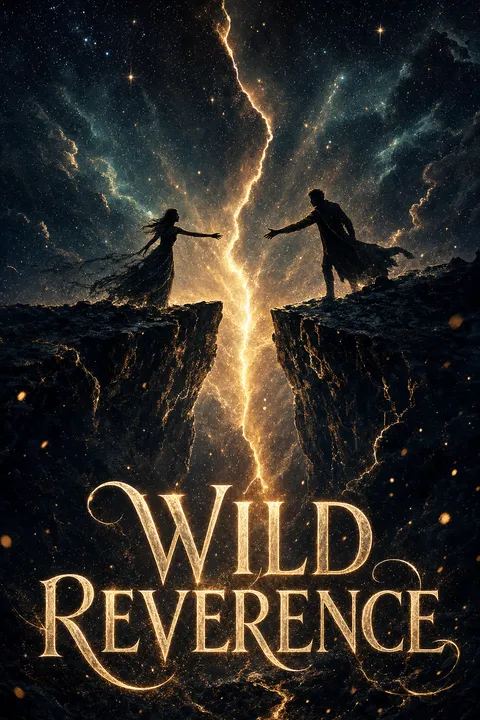
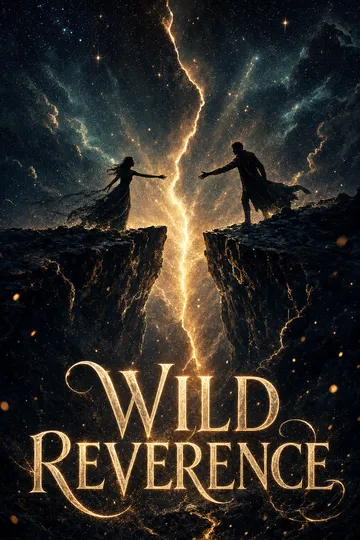
Wild Reverence stages a romance across an ontological chasm, a goddess who cannot age1 and a mortal who cannot stop,2 and asks whether love is worth the grief it guarantees. Ross builds a cosmology governed by predation, where gods devour one another's magic and dismiss mortals as entertainment, then makes her heroine's1 defining transgression simply to feel. The recurring image of the fault line, the single point, mind or heart, where a divine can be unmade, literalizes vulnerability as mortal danger, so that Matilda's1 choice to love openly is genuinely a choice to risk death. The novel repeatedly punishes affection between unequals, Bade3 disgraced, Matilda1 flogged by her own father,13 her name erased from myth, yet insists, through the epilogue's defiance, that such love is precisely what deserves remembering. Memory itself becomes moral: to forget is to enforce hierarchy, to tell the story is to rebel. Matilda's1 arc dismantles the trope of the meek herald, revealing that the one who carries everyone else's words must finally learn to voice her own, and that the power to bear souls, to walk beside another through their worst nightmare and refuse to let go, is the truest magic in a world addicted to theft. Ross contrasts two economies of relation: the transactional (Warin's4 tolls, Alva's11 debts, salt vows, the Gatekeeper's17 bargains) against the freely given (Vincent's2 abdication, Bade's3 scars, Enva's15 rescue). Duty binds, but only chosen love liberates. The book's central lesson, spoken through grief, is that to love mortally, finitely, with the certainty of loss, is not weakness but the bravest reverence, wild precisely because it defies the safe, hoarding self-preservation of the gods. Its resolution earns hope not by erasing difference but by choosing across it, again and again, past death itself.
Review Summary
Wild Reverence receives overwhelmingly positive reviews, with readers praising its beautiful writing, complex world-building, and emotional depth. Set in the same universe as Divine Rivals, this prequel explores the love story between a goddess and a mortal. Fans appreciate the rich mythology, character development, and the way it enhances understanding of the previous books. While some found the pacing slow initially, most were captivated by the romance and themes of sacrifice, fate, and self-discovery. Reviewers consistently mention the book's ability to evoke strong emotions and leave a lasting impact.
People Also Read

Characters
Matilda
Herald of three realmsDaughter of an Underling mother6 and a Skyward father13, Matilda is the first god-child born in ages and belongs wholly to no clan. Deemed a mere messenger, she is secretly something far greater. Raised amid predators who would slay her for her magic, she learns early that movement is her armor and that her heart is her fault line, the place an enemy could unmake her. She is swift, watchful, and outwardly cool, having schooled herself to seem meek and unthreatening. Yet beneath the guardedness runs a fierce tenderness, especially toward mortals, whom her kind dismiss as entertainment. Her defining hunger is to be claimed and safe, to belong somewhere, and her arc traces the terrifying decision to love openly despite a world that punishes vulnerability as weakness.
Vincent
Reluctant river lordA pale, dark-haired mortal born to the fortress of Wyndrift, Vincent takes after his absent Skyward-bound mother rather than his warrior brothers. As a boy he dreamed of drowning until a red-haired girl1 began pulling him from the water. Sharp-minded and bookish, haunted by nightmares, he grows into a lord who never wanted the title, having survived a betrayal that gutted his family. Bitter toward gods who ignored his prayers, he guards himself against debt and worship alike, fearing that to owe a divine is to be weakened. Beneath the hardness lies a man who longs for a small, quiet life on the land and who loves with a devotion that outlasts reason. His deepest wound is abandonment, and his deepest wish is simply not to be left alone.
Bade
God of war, sworn allyScarred, gruff, and rumored to have a heart hard as quartzite, the god of war is the first to hold the newborn Matilda1 and reluctantly becomes her salt-sworn protector, teaching her shield and sword until she is like iron. He insists he would rather be feared than loved, yet his own fault line proves to be his heart. Bade masks worry as anger and tenderness as impatience, unable to speak the affection he plainly feels. His entanglement with a mortal queen7 exposes the softness he denies. Across the story he functions as Matilda's1 chosen father, the one being whose love she craves most, and his struggle between binding duty and genuine devotion mirrors the novel's central question about what truly holds people together.
Warin
Covetous god of springBeautiful, symmetrical, and cruel, the god of spring accrues power hungrily, later claiming iron and rivers as well. He takes Matilda1 as a lover but wants her secrets, not her heart, treating affection as extraction and relationships as transactions of leverage. Proud, easily wounded in his vanity, and dangerous when thwarted, he demands tolls and loans where others might give freely. He embodies the possessive, acquisitive appetite of the gods at their worst, and serves as the dark mirror to Vincent's2 selfless devotion. His fascination with Matilda1 curdles into obsession precisely because she is the one thing he cannot fully own or read.
Grimald
Usurping uncleVincent's2 eldest uncle, denied his birthright when his father passed the lordship over him, Grimald is a proud, scheming man who craves title, wealth, and worship. Cruel in flashes even in gentler days, he once taught the Beckett boys to swim by hurling them into the river. Believing the fortress is his by the old firstborn law, he returns as a baron with an army to reclaim it. He knows Vincent's2 secrets and wounds and strikes where it hurts, dredging up old rumors about paternity and the boy's survival. He is the human face of predatory entitlement, willing to bargain with gods and betray his own blood to be loved and obeyed.
Zenia
Goddess of winter, cunningMatilda's1 mother, goddess of winter, fire, and cunning, a beauty pale as a winter morning who clawed her way into the High Court by killing. Fiercely protective yet emotionally withholding, she raises Matilda1 hard and guarded, believing softness is fatal. She keeps the identity of Matilda's father13 secret and dabbles in a dangerous black market. Her love is real but armored, expressed through vigilance rather than warmth.
Adria
Poet Queen turned goddessA mortal risen from nothing to rule through the power of her words, the Poet Queen wins a war by rewriting myths and stealing prayers from the god of war3. Clever, compassionate, and self-possessed, she captures Bade's3 heart despite his schemes. Her fate makes her something unprecedented among the divine. Even transformed, she keeps a mortal's gentleness, a quality both admired and feared by the ruthless gods around her.
Nathaniel
Vincent's youngest brotherThe warm, broad, gap-toothed youngest Beckett brother, more devout and openhearted than the brooding Vincent2. Once a small boy dragging a blanket, he grows into a beloved figure the warriors rally around. Generous and quick to laugh, he becomes Vincent's2 closest confidant and fiercest defender of the goddess1 in their midst, urging his brother toward love and gentleness even in dark days.
Orphia
Goddess of death, matriarchThe ancient, moon-beautiful matriarch of the Underlings, goddess of death, who reads horoscopes in an obsidian mirror and weaves an endless tapestry against her estranged sister Fate10. Cold, guarded, and impossibly old, she sees what others cannot and reveals only what she wishes. She plays a long game with souls and threads, and her cryptic interventions steer Matilda1 toward her destiny.
Rowena
Goddess of fateThe Skyward matriarch and goddess of fate, a stooped crone with clawed feet and milky sight who weaves lives on a loom twinned with her sister Death's9. Sharp-tongued and weary, she competes with Orphia9 by making patterns neither can unravel. Beneath her irritability lies unexpected mercy, and she alone perceives the golden threads binding certain mortals and gods together.
Alva
Goddess of dreams, nightmaresSharply beautiful, wine-stained, and clever, the goddess of dreams and nightmares who first slips Matilda1 the dream scrolls that reveal Vincent2. Half-sister to the Underling lord14, she treads the wasteland only in mind, never in body. Warm and playful on the surface, she is a schemer who keeps meticulous track of power and secrets, and her friendship always carries a hidden price.
Phelyra
Goddess of revelry, coinGoddess of revelry and coin who ascended by killing, gaining the power to sew hidden pockets from anything. Glittering, self-preserving, and pragmatic to the point of ruthlessness, she is Zenia's6 partner in the forbidden scale trade. When cornered, she prioritizes her own survival above all loyalties, making her one of the most dangerous figures in Matilda's1 life.
Thile
Skyward lord, hidden fatherGod of dusk, oaths, and summer, and lord of the Skywards, Matilda's1 unknown father whom her mother6 guarded as a secret. Cold, proud, and threatened by anything he cannot control, he grants sanctuary but keeps his daughter caged, demanding she shed her softness. He represents both the refuge and the cruelty of paternal power, offering belonging at the price of obedience.
Dacre
Underling lord, healerThe bewitchingly handsome lord of the Underlings and god of healing, who controls his eithrals and hounds through wounding and mending them. The only divine who can heal mortal wounds, he wields that monopoly to bend gods to his will. Vain, cruel, and hungry for the music goddess15, he rules by fear and covets what he cannot have.
Enva
Goddess of musicThe Skyward goddess of music whose songs can be traded as currency and, below, can compel joy, grief, or sleep. Reserved and mysterious in the sky, she reveals unexpected power and loyalty, repaying rescue with rescue. Reluctantly bound to the Underling lord14, she becomes a quiet ally who values Matilda's1 secret and keeps her own counsel.
Hugh of Delavoy
Neighboring ally lordA weathered mountain lord who once fought beside Vincent's2 father, bound by an old oath to help defend the bridge. Aging, self-interested, and instantly captivated by Matilda1, he cloaks calculation in the language of honor. His loyalty proves conditional, and something hidden on his lands makes him a man Matilda1 refuses to trust.
The Gatekeeper
Guardian of the mistsA one-eyed giantess and mother of Death9 and Fate10, she guards the misty gate to paradise, weighing each soul by the mark it left on the world using scales and bones. Ancient beyond memory, she hungers for stories and strikes hard bargains. Her missing eye rests as a moonstone on Matilda's1 belt, opening whenever a linked soul nears death.
Shale
God of windThe sorrowful, silver-haired god of wind who ferries travelers on the trade winds and is fond of Matilda1, the first Skyward she ever trusted. Slow and old in appearance but swift and sharp in truth, he offers cautionary wisdom about loving mortals.
Alyse
Wyndrift seneschalThe shrewd, protective seneschal of Wyndrift, grandmother in all but blood to the Beckett brothers. She dresses Matilda1 as a bride and guards Vincent2 fiercely, one of the few mortals who shares Matilda's1 devotion to his safety.
Xan
Slain god of ironThe Underling god of iron whose murder by an eithral scale opens Matilda's1 eyes to the wasteland. She walks him toward the mists, and his death reveals who has been wielding the forbidden scales.
Plot Devices
The salt vow
Binding, sacrificial oathA vow written twice, spoken aloud, and eaten by both parties, tasting of brine and demanding great sacrifice. It magically binds the swearer to aid the other even at the cost of their own immortality, and can only be dissolved by a matching written breaking-vow, also eaten. Bade3 swears one to protect and train Matilda1, and it becomes the mechanism by which he repeatedly appears to save her, sensing her peril across realms. The device externalizes the novel's central meditation on duty versus love: whether Bade3 comes for Matilda1 out of obligation or genuine devotion. Its eventual dissolution marks Matilda's1 rejection of relationships based on compulsion in favor of freely chosen affection.
Eithral scales
God-killing bladeIridescent scales shed by the wyvern-like eithrals, sharp enough to cut through anything, even the mind or heart of a god, and thus capable of ending immortality. Rare and precious, they fuel a forbidden black market between Underlings and Skywards and instill fear wherever they surface. Introduced early on Zenia's6 table, they recur as the instrument of nearly every death in the novel, weapons of murder, punishment, and eventual justice. A scale on an arrow shaft becomes a keepsake of grief that Matilda1 carries. The device ties the story's economy of secrets to its bloodshed, showing how the same trade that yields beauty also yields the means to unmake the divine.
The moonstone belt
Pockets and Death's eyeA golden belt studded with moonstones crafted by Matilda's mother6 and enchanted by Phelyra12 so each stone holds a weightless hidden pocket, letting Matilda1 carry a shield, sword, letters, and more. One stone is different, holding the Gatekeeper's17 own plucked eye, which stirs and opens whenever a soul bound to Matilda's1 fate nears death. The belt is both practical arsenal and prophetic instrument, a wearable emblem of her dual heritage and her secret nature. It signals, chapter by chapter, when Death draws near a loved one, turning Matilda's1 own body into an early warning of loss and marking her as far more than the humble herald she pretends to be.
Prayers and coins
Cross-realm communicationMortals reach the gods by burying written prayers for the Underlings or burning them into smoke for the Skywards, and gods consume these words to feel or to answer them. Skyward coins melt in fire into fragments of music, an intoxicating beauty absent below. Vincent2 buries and burns letters to Matilda1 across years, and she learns to bottle his words as smoke to savor them. The device dramatizes the ache of communication across an unbridgeable divide, and its inversion, Matilda1 learning to send her own words rather than only carry others', becomes the emotional key to the ending, voice reclaimed as an act of love and self-possession.
Wasted doors and the scales
Passage between life and deathDoors that open onto nowhere, ruined lintels and broken wardrobes, shift their thresholds for Matilda1 alone, admitting her to the wasteland of the dead. There the Gatekeeper17 weighs each soul on golden scales, dropping finger-bones for the most vivid, wounding stories, deciding who may pass into the mists and who must wander as a nightmare. Matilda's1 ability to enter this realm and, crucially, to carry souls back through their own nightmares is her hidden power as a soul-bearer. The device redefines death as negotiable at a price, drives the seven-year bargain that separates the lovers, and embodies the book's argument that a life is measured by the marks it leaves.
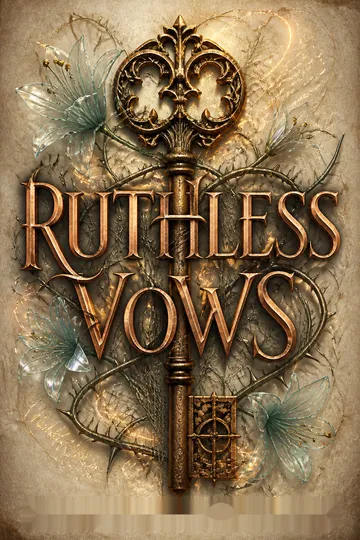
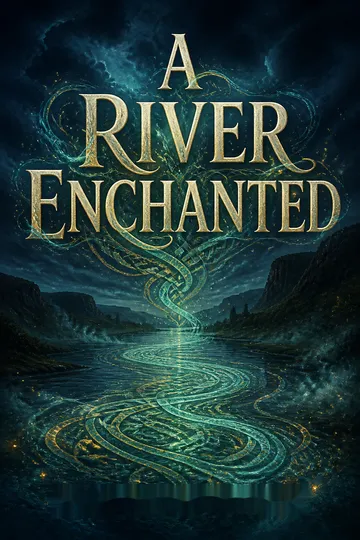
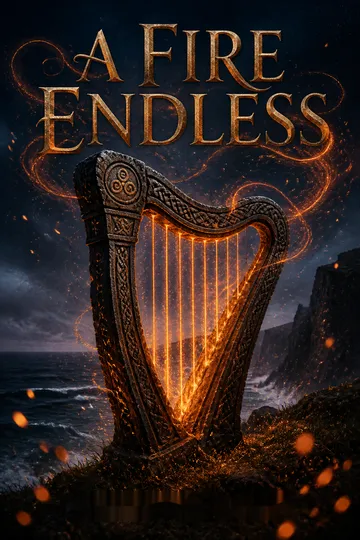
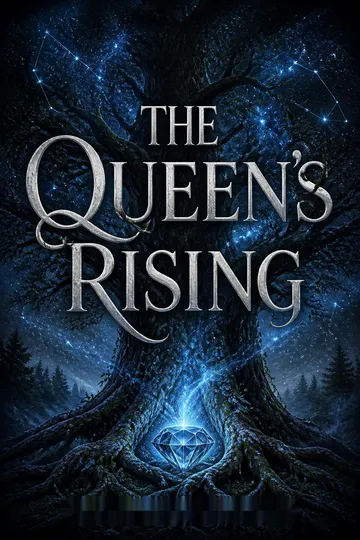
Letters of Enchantment Series
About the Author
Download PDF
Download EPUB
.epub digital book format is ideal for reading ebooks on phones, tablets, and e-readers.








































