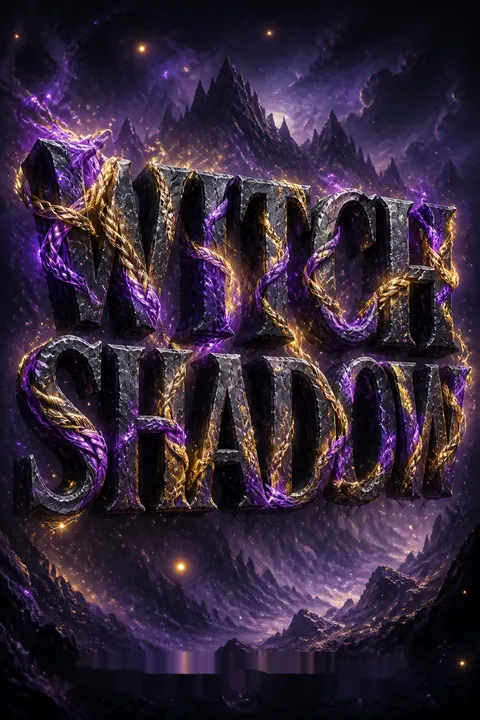

Plot Summary
Threads Severed, Threads Bound
Iseult and Safi, bound by a magical Threadsister bond, are separated by war and the machinations of empires. Iseult, hunted for her forbidden Void magic, flees through winter forests with a child, Owl, while Safi is trapped in the Cartorran palace, her Truthwitch powers severed by the Emperor's golden noose. Both women are haunted by loss and guilt, each believing she has failed the other. Their journeys are shaped by the threads of love, loyalty, and the pain of separation, as they struggle to survive in a world where magic is both a gift and a curse. The emotional weight of their bond drives them forward, even as the world conspires to keep them apart.
The Emperor's Noose
Safi, forced into marriage with Emperor Henrick, becomes a political pawn. The Emperor's noose—a magical chain—binds her, stripping away her Truthwitch magic and making her a Hell-Bard, a soldier enslaved to his will. Henrick's manipulations extend to all around him, using pain and fear to maintain control. Safi's world turns gray and lifeless, her agency stolen. Yet, beneath the surface, she plots rebellion, seeking allies among the Hell-Bards and searching for a way to reclaim her power. The noose becomes a symbol of both her captivity and her determination to break free, fueling her rage and her hope.
Flight and Pursuit
Iseult's journey is a constant flight from Cartorran soldiers and the Hell-Bards, who track her and Owl through enchanted maps and magical collars. Each encounter is a test of her growing Void magic, forcing her to cleave enemies and manipulate threads of power. The weasel Esme, once human, guides her with cryptic visions and stolen diary pages. Meanwhile, Safi navigates the treacherous politics of the palace, seeking moments of agency amid surveillance and suspicion. Both women are pursued by forces that want to use or destroy them, their every step shadowed by danger and the threat of betrayal.
The Loom's Shadow
The Hell-Bard Loom—a magical construct binding souls to the Emperor—casts a shadow over all. Iseult learns from ancient diaries that the Loom's origins lie in the cleaving and binding of powerful souls, a cycle of suffering perpetuated by those who seek control. Corlant, a priest with ties to the ancient Paladins, manipulates the Loom from within, seeking to reclaim lost power. Iseult's own magic is both a key and a threat to the Loom's existence. The Loom becomes a battleground for agency, as Iseult and Safi struggle to free themselves and others from its grasp, confronting the cost of power and the pain of severed threads.
Allies and Betrayals
Alliances shift as old friends become enemies and unexpected figures offer aid. Leopold, the Emperor's nephew, plays a dangerous game, his true motives hidden behind charm and masks. The Hell-Bards, once feared, become Safi's unlikely allies, risking everything to help her escape. Iseult's reunion with her mother and Alma, her childhood rival, is fraught with old wounds and new revelations. Betrayals cut deep, as plans unravel and sacrifices are demanded. The emotional stakes rise, forcing each character to confront what they are willing to risk for love, family, and freedom.
The Solfatarra's Fog
The Solfatarra, a deadly acid lake shrouded in fog, becomes both a physical and symbolic barrier. Iseult and Owl, pursued by Corlant and his monstrous creations, must navigate its dangers using Nomatsi trails and magical protections. The journey through the fog is a crucible, burning away illusions and forcing Iseult to confront her heritage and the truth of her power. The Solfatarra is also a place of memory, where the past resurfaces and the boundaries between worlds thin. Here, the cost of survival is measured in pain, sacrifice, and the willingness to face what has been lost.
The Price of Power
Every use of magic in the Witchlands exacts a price. Iseult's cleaving leaves scars on her body and soul, each act of violence a step further from the person she once was. Safi's severed magic is a constant ache, her identity fractured by the Emperor's chain. The Hell-Bards, stripped of agency, are haunted by the loss of their souls. Even the most powerful—Corlant, the Paladins, the Empress Vaness—are not immune to magic's toll, their bodies and minds eroded by the forces they wield. The story asks what one is willing to sacrifice for power, and whether redemption is possible after so much has been lost.
The Hell-Bard's Chain
The golden chain that binds the Hell-Bards is both a literal and metaphorical shackle. Safi's theft of the Emperor's chain becomes a turning point, offering a chance to free herself and her allies. Yet, the chain's power is double-edged, and wielding it risks becoming what she hates. Iseult's mastery of the Loom and her ability to control the Hell-Bards is a test of her morality—will she become a new tyrant, or find another way? The struggle to break the chain is a struggle for agency, dignity, and the right to choose one's own fate.
The Rook King's Game
The Rook King, a mysterious figure from the past, manipulates events from the shadows. His true identity and motives are shrouded in myth, his actions guided by a long memory and a sense of cosmic balance. Trickster, Saria, and the other Paladins are revealed to be reincarnated souls, their ancient conflicts replaying in new forms. The Rook King's interventions are both help and hindrance, his games a reminder that the Witchlands' struggles are part of a larger, older story. The characters are pawns and players, their choices echoing across generations.
Stasis and Sacrifice
Iseult's journey is marked by stasis—the Threadwitch ideal of emotional detachment. Yet, as she faces loss after loss, she learns that numbness is its own kind of death. The deaths of Alma and others force her to confront the pain she has tried to avoid, and the realization that true power lies not in control, but in connection. Sacrifice becomes the price of love, and the willingness to feel—even when it hurts—is what ultimately allows healing and change. The emotional arc is one of moving from numbness to acceptance, from isolation to belonging.
The Shadow-ender's Choice
At the climax, Iseult is faced with the choice to become the monster her father was, or to forge a new path. In the Loom, she chooses not to cleave, but to heal—freeing the Hell-Bards and ending the cycle of suffering. Her empathy, her willingness to see and acknowledge the pain of others, becomes her greatest strength. The shadow-ender is not the one who destroys, but the one who brings light to darkness. This choice reverberates through the Witchlands, offering hope that cycles of violence can be broken, and that even those born in shadow can choose the light.
The Well Chosen
The concept of the Well Chosen—those destined to rule by the Wells' magic—haunts the characters. Safi, Vivia, and Vaness grapple with what it means to be chosen, and whether destiny is a gift or a curse. The legacy of bloodlines, the expectations of power, and the weight of history press down on them. Yet, each must decide for themselves what kind of leader they will be, and whether to accept or reject the roles assigned to them. The Well Chosen are not defined by fate, but by the choices they make in the face of it.
The Paladin's Bargain
The Paladins—immortal souls reborn through the ages—are bound by bargains made long ago. Their struggles, betrayals, and alliances shape the present, as old wounds reopen and new bargains are struck. Stix, Kahina, and the others must reckon with the legacy of the Exalted Ones, the tools created to kill or save them, and the price of immortality. The bargains of the past are not easily escaped, and the characters must decide whether to repeat old patterns or forge new ones. The emotional cost of these choices is profound, as love, loyalty, and ambition collide.
The Storm Breaks
The final confrontation is a storm—literal and metaphorical—as Corlant unleashes his full power, and the Witchlands' fate hangs in the balance. Safi, Iseult, and their allies face impossible odds, their strengths and weaknesses laid bare. The battle is not just for survival, but for the soul of the world: will it be ruled by fear and domination, or by empathy and freedom? Sacrifices are made, truths revealed, and the old order is shattered. The storm's end brings both loss and the possibility of renewal.
Reanimation and Reunion
In the aftermath, Iseult attempts to reanimate Alma, using all she has learned about threads, love, and magic. The act is both a literal and symbolic restoration—an attempt to heal the wounds of the past and reclaim what was lost. Safi is reunited with her uncle, and the survivors gather to mourn, celebrate, and plan for the future. The emotional arc is one of bittersweet hope, as the characters reckon with what they have gained and what they can never recover. The reunion is not just of people, but of selves—each character more whole for having faced their shadows.
The End of the Loom
With the destruction of the Hell-Bard Loom and the defeat of Corlant, the Witchlands are changed forever. The freed Hell-Bards must find new purpose, and the survivors must decide what kind of world they will build. Safi rejects the throne, choosing agency over destiny. Iseult, no longer defined by stasis or shadow, steps into her power as both Threadwitch and shadow-ender. The old cycles are broken, and the possibility of peace—however fragile—emerges. The emotional resolution is one of hard-won freedom, tempered by the knowledge of what it cost.
Crowns and Consequences
The question of who will rule—Cartorra, Nubrevna, Marstok—remains unresolved, but the characters are changed by what they have endured. Vivia and Vaness, once rivals, find common ground and the possibility of shared rule. Stix and the Paladins reckon with the meaning of power and the limits of immortality. The consequences of every choice ripple outward, shaping the future of the Witchlands. The emotional arc is one of maturity, as the characters accept the burdens of leadership and the necessity of compromise.
New Threads, New Dawn
As the Witchlands emerge from war and tyranny, the survivors look to the future. Old wounds begin to heal, new alliances are forged, and the possibility of peace glimmers on the horizon. Safi and Iseult, reunited at last, are changed but unbroken. The threads of love, family, and friendship—severed and mended—bind them to a new world. The dawn is uncertain, but it is theirs to shape. The emotional resolution is one of hope, as the Witchlands step into a new era, guided by those who have learned the price of both power and mercy.
Analysis
Witchshadow is a sweeping, emotionally charged fantasy that interrogates the nature of power, agency, and the cost of both love and control. At its heart, the novel is about the struggle to break cycles—of violence, of suffering, of inherited trauma—and the possibility of forging new paths through empathy, vulnerability, and choice. The magical systems and political intrigues are not merely backdrops, but metaphors for the ways in which individuals and societies bind and unbind themselves. The story's dual protagonists, Iseult and Safi, embody the tension between stasis and feeling, control and surrender, isolation and connection. Their journeys—mirrored, interwoven, and ultimately convergent—offer a meditation on the necessity of both agency and mercy. The destruction of the Hell-Bard Loom and the freeing of the bound souls is both a literal and symbolic act of healing, suggesting that true power lies not in domination, but in the willingness to see, acknowledge, and heal the pain of others. Witchshadow's lessons are timely and timeless: that cycles can be broken, that even those born in shadow can choose the light, and that the threads of love, family, and friendship—severed and mended—are what bind us to hope and to each other.
Review Summary
Witchshadow receives mixed reactions. Fans praise the epic scope, character development, and world-building, particularly Iseult's arc and answers about Paladins. Many love the Iseult-Aeduan relationship and consider it among the series' best. However, critics cite major issues: confusing non-linear timelines, absent main characters (notably Aeduan and Merik), excessive focus on side characters like Hell-bards, and inconsistent characterization. The Paladin possession plotline frustrates readers, feeling like a retcon. Some find romance lacking and the plot convoluted. Several reviewers note this as their least favorite installment, though others consider it brilliant setup for the finale.
People Also Read
Characters
Iseult det Midenzi
Iseult is a Threadwitch with forbidden Void magic, marked by her outsider status as a Nomatsi and her struggle with stasis—the Threadwitch ideal of emotional detachment. Her journey is one of self-discovery, as she flees hunters, confronts her monstrous heritage, and learns to wield her power without becoming a monster herself. Her bond with Safi is the emotional core of the story, driving her to acts of both violence and compassion. Iseult's development is a movement from numbness and self-loathing to acceptance and agency, as she chooses empathy over domination and becomes the shadow-ender—a healer, not a destroyer.
Safiya fon Hasstrel
Safi, a Truthwitch, is thrust into the heart of Cartorran politics, forced into marriage and stripped of her magic by the Emperor's noose. Her journey is one of reclaiming agency, as she navigates captivity, forges alliances with the Hell-Bards, and risks everything to free herself and those she loves. Safi's impulsiveness is both her strength and her weakness, leading her into danger but also enabling her to seize opportunities others miss. Her relationship with Iseult is her anchor, and her willingness to sacrifice for family and friends defines her arc. Safi emerges as a leader who rejects destiny in favor of choice.
Emperor Henrick fon Cartorra
Henrick is the architect of the Hell-Bard system, wielding power through fear, pain, and magical chains. His obsession with control masks a deep loneliness and a longing for legacy. Henrick's relationship with Safi is complex—he is both captor and, in his own way, protector, seeking to blend bloodlines and restore what was lost. His downfall is the result of his inability to relinquish control, and his final moments reveal a man broken by the weight of his crown and the consequences of his choices.
Leopold fon Cartorra (The Rook King/Trickster)
Leopold is a master of masks, his true motives hidden beneath layers of charm and performance. As the reincarnated Rook King, he manipulates events from the shadows, guiding Safi and Iseult while pursuing his own agenda. His love for Iseult is genuine but complicated by his immortal nature and the burdens of memory. Leopold's arc is one of loneliness and longing for connection, his actions shaped by both guilt and hope. He is both ally and trickster, his interventions crucial to the story's resolution.
Corlant (Portia)
Corlant is a priest and Paladin, reborn through the ages, whose quest for power drives the story's central conflict. As the architect of the Hell-Bard Loom and the cycle of suffering, he is both villain and victim, his actions shaped by fear, hate, and the pain of loss. Corlant's relationship with Iseult is fraught—he is her father, her enemy, and a mirror of what she might become. His defeat is both a personal and cosmic reckoning, the end of an era and the possibility of renewal.
Owl (Dirdra det Allaeli)
Owl is a child with powerful Earthwitch magic, hunted for what she represents. Her journey is one of survival and the search for safety, her bond with Iseult a source of both comfort and pain. Owl's true nature as a reincarnated Paladin is gradually revealed, her innocence contrasted with the weight of memory and expectation. She is both a symbol of hope and a reminder of the cost of war.
Gretchya det Midenzi
Iseult's mother, Gretchya, embodies the Threadwitch ideal of stasis, her love buried beneath layers of control and silence. Her relationship with Iseult is marked by misunderstanding and pain, yet her actions reveal a deep, if inarticulate, love. Gretchya's arc is one of sacrifice, as she risks everything to protect her daughter and her people. Her eventual acceptance of emotion and vulnerability is a quiet but profound victory.
Stix (Stacia Sotar/Baile)
Stix is a Waterwitch and Paladin, burdened by the voices of past lives and the weight of destiny. Her journey through the Slaughter Ring is a quest for silence, belonging, and the meaning of power. Stix's loyalty to Vivia and her struggle with the limits of agency and immortality define her arc. She is both a fighter and a healer, her choices shaped by love and the desire to protect.
Vivia Nihar
Vivia, the deposed queen of Nubrevna, is driven by the need to protect her people and prove herself worthy of the crown. Her alliance with Vaness, once an enemy, forces her to confront her own prejudices and the meaning of power. Vivia's arc is one of growth, as she learns to balance strength with vulnerability, and leadership with empathy. Her relationship with Stix and Vaness is central to her development, offering both challenge and support.
Vaness
The Empress of Marstok, Vaness is a survivor, her power both a shield and a burden. Her illness and exile force her to rely on others, particularly Vivia, and to question the cost of rule. Vaness's arc is one of humility and the search for connection, as she moves from isolation to partnership. Her willingness to share power and doubt is a mark of her strength, and her relationship with Vivia is a source of both tension and hope.
Plot Devices
The Loom and Magical Chains
The Hell-Bard Loom and the magical chains are central plot devices, representing the ways in which power is wielded and abused. The Loom binds souls to the Emperor, stripping away agency and perpetuating cycles of suffering. The chains, both literal and metaphorical, are tools of control—over magic, over bodies, over destinies. The struggle to break these bonds is the story's driving force, shaping character arcs and the narrative structure. The Loom's destruction is both a climax and a symbol of hope, as the possibility of freedom and self-determination emerges.
Reincarnation and Past Lives
The reincarnation of the Paladins and the echoes of ancient conflicts provide depth and resonance to the story. Characters are haunted by memories and destinies not entirely their own, their choices shaped by the weight of the past. This device allows for foreshadowing, parallel arcs, and the exploration of themes such as fate, agency, and redemption. The interplay between past and present is a constant source of tension and possibility, as old wounds are reopened and new futures are forged.
Stasis and Emotional Detachment
Stasis—the Threadwitch ideal of emotional detachment—is both a survival mechanism and a source of suffering. Characters who embrace stasis are protected from pain, but also cut off from love, connection, and growth. The narrative structure uses stasis as both obstacle and catalyst, forcing characters to confront the limits of control and the necessity of vulnerability. The breaking of stasis is a turning point, enabling healing, empathy, and the forging of new bonds.
Dual Protagonists and Interwoven Arcs
The story is structured around the parallel journeys of Iseult and Safi, their arcs interwoven through magic, memory, and the threads of love and loyalty. Their separation and reunion provide both narrative tension and emotional payoff, as each must confront their own shadows before they can heal together. The use of dual protagonists allows for mirrored choices, contrasting perspectives, and the exploration of themes such as agency, sacrifice, and the meaning of family.
The Trickster's Game
Leopold/The Rook King/Trickster operates as a meta-narrative force, manipulating events from the shadows and reminding characters (and readers) that not all is as it seems. His interventions, bargains, and secrets drive much of the plot's unpredictability, offering both help and hindrance. The Trickster's game is a reminder that fate is not fixed, and that agency is always possible—even in the face of ancient powers and cosmic cycles.
The Witchlands Series
Download PDF
Download EPUB
.epub digital book format is ideal for reading ebooks on phones, tablets, and e-readers.








































