
Plot Summary
Harlem Roots, Island Dreams
Audre Lorde's story begins in Harlem, but her earliest sense of self is shaped by her mother's stories of Grenada and Carriacou. The sights, smells, and rituals of her West Indian heritage infuse her New York childhood with longing for a home she's never seen. Her mother, Linda, is a formidable presence—resourceful, proud, and haunted by exile. Lorde's father is distant, his love expressed through silence and discipline. The family's struggle to survive in Depression-era Harlem is marked by both deprivation and fierce dignity. Lorde learns early that difference—of color, class, and origin—marks her as an outsider, but also gives her a sense of specialness. The rhythms of island life, the power of women, and the ache of displacement become the foundation of her identity.
Mother's Power, Father's Silence
Lorde's mother is both a shield and a mystery—her strength a model, her emotional distance a wound. She teaches her daughters to survive, to make virtues of necessity, and to hide vulnerability. Her father, Byron, is a shadowy figure, present but emotionally remote, his authority absolute. The family's insularity is both protection and prison. Lorde observes the unspoken rules of gender and power, learning that to be a "powerful woman" is to be marked as different, even aberrant. The lessons of silence, secrecy, and adaptation are internalized. Lorde's early psycho-emotional landscape is one of longing for connection, yet fearing exposure. The tension between her parents' expectations and her own emerging self sets the stage for her lifelong negotiation of identity.
Learning to Read Myself
A pivotal moment comes when Lorde, nearly blind and slow to speak, discovers the magic of reading at the Harlem library. Books become her refuge and her weapon, a way to make sense of a world that offers her few mirrors. School is both a site of humiliation and triumph—her intelligence is recognized, but her difference is punished. The Catholic school's rigid discipline and racial hierarchies teach her about exclusion and the cost of nonconformity. Lorde's early encounters with language—her mother's patois, the coded speech of women, the poetry of everyday life—nurture her as a budding writer. Yet, she also learns that ability does not guarantee acceptance, and that to write her own name is an act of both pride and defiance.
Yearning for Sisterhood
Despite having two older sisters, Lorde feels fundamentally alone—an "only planet" in her family's universe. Her longing for a companion, a little sister or a friend, is a recurring ache. Childhood rituals and magical thinking—stepping on cracks, molding clay figures—are attempts to conjure connection. Early friendships are fleeting, marked by both intense desire and the fear of rejection or punishment. The world outside is dangerous, and her mother's warnings reinforce the boundaries of safety and propriety. Lorde's first experiences of attraction and tenderness toward other girls are tinged with confusion and shame, but also with a sense of discovery. The seeds of her future loves and losses are sown in these early, secret longings.
Stories, Secrets, and Survival
Storytelling is both a survival tool and a source of power in Lorde's family. Her sisters' nightly tales, her mother's island legends, and her own emerging poetry become ways to make sense of pain and difference. Yet, secrets abound—about race, about sexuality, about the realities of adult life. Lorde learns to read between the lines, to interpret silences and evasions. The family's strategies for coping with racism, poverty, and disappointment are both ingenious and damaging. Lorde's early sense of herself as an outsider is reinforced by the absence of stories about girls like her in books and media. The act of making up stories—of herself, her family, her desires—becomes a means of survival and, eventually, of transformation.
Harlem Summers, Comic Book Hills
Summers in Harlem are marked by both adventure and danger. Lorde and her sisters traverse the city in search of comic books, encountering both the thrill of independence and the threat of predatory adults. The landscape of Harlem—its hills, parks, and storefronts—becomes a map of both possibility and peril. Early experiences of sexual threat, racial humiliation, and physical punishment leave lasting scars. Yet, there is also joy in small freedoms, in the rituals of food, play, and sibling rivalry. The city is both a playground and a battleground, shaping Lorde's sense of herself as both vulnerable and resilient. The lessons of these summers—about trust, risk, and the limits of safety—echo throughout her life.
War Arrives, Family Endures
The arrival of World War II brings new challenges and new forms of solidarity. Rationing, air-raid drills, and the constant threat of loss test the family's resourcefulness. Lorde's mother becomes a community leader, watching for enemy planes and distributing ration books. The war intensifies the family's insularity, but also exposes them to the broader currents of American life—patriotism, racism, and the shifting roles of women. Lorde witnesses her parents' struggles to maintain dignity and hope in the face of adversity. The war years are a crucible, forging both trauma and strength. Lorde learns that survival is a collective effort, but also that the costs of endurance are often borne in silence.
Lessons in Difference
As Lorde grows, the realities of race and gender become increasingly inescapable. Moving to a new neighborhood, she becomes the first Black student in a white Catholic school, facing open hostility from both peers and teachers. The intersection of racism and sexism is made painfully clear—her hair, her smell, her intelligence are all sources of ridicule or suspicion. Attempts to belong—to win elections, to make friends—are met with rejection and, at home, with her mother's admonitions to "not chase yourself behind these people." The lesson is clear: difference is dangerous, and the world is not fair. Yet, Lorde's sense of injustice fuels her determination to define herself on her own terms.
Seeking Belonging, Facing Exclusion
High school brings both new freedoms and new forms of alienation. Lorde finds a circle of fellow outsiders—the Branded—who share her love of poetry and rebellion. Yet, even among friends, the realities of race and sexuality are rarely spoken. Lorde's first crushes and attractions to other girls are sources of both excitement and fear. The suicide of her friend Gennie is a devastating loss, teaching Lorde about the limits of love and the dangers of unspoken pain. Attempts to find belonging—in school, in the city, in the burgeoning gay community—are complicated by the intersecting barriers of race, gender, and class. Lorde's journey is one of both seeking connection and learning to survive without it.
First Loves, First Losses
The intensity of Lorde's adolescent friendships—especially with Gennie—blurs the lines between love, desire, and companionship. The pain of Gennie's suicide leaves Lorde with a legacy of grief and a fear of loving too deeply. Her first sexual experiences—with boys and, later, with women—are marked by confusion, disappointment, and the search for authenticity. Leaving home at seventeen, Lorde begins to carve out a life on her own terms, navigating the dangers and freedoms of the city. The lessons of loss and survival become intertwined, shaping her understanding of what it means to love, to mourn, and to begin again.
Becoming a Poet, Becoming a Woman
Poetry becomes both a refuge and a means of self-invention for Lorde. Her mother's secret language, the rituals of hair and food, and the sensuality of everyday life all feed her emerging voice. The onset of menstruation, her first abortion, and her early sexual relationships are rites of passage that are both isolating and empowering. Lorde learns to claim her body, her desires, and her words, even as she struggles with shame and secrecy. The act of writing—of naming herself, of telling her own story—becomes an act of resistance and affirmation. Lorde's journey toward womanhood is marked by both pain and pleasure, by the forging of a new language for her own experience.
High School Outsider, Branded Rebel
At Hunter High School, Lorde finds both inspiration and exclusion. The Branded, her circle of creative misfits, offer a space for experimentation and solidarity, but also reinforce the hierarchies of race and class. Lorde's poetry is recognized, but her Blackness and queerness remain sources of isolation. The pressures of family, school, and society converge, leading to conflicts with her mother and a growing sense of alienation. Yet, rebellion becomes a source of pride—a way to claim agency in a world that seeks to define her. The lessons of high school—about the power and limits of community, the necessity of self-definition—become central to Lorde's later life.
Gennie: Friendship and Grief
Gennie is Lorde's first true friend, her first conscious love, and her first devastating loss. Their relationship is marked by play, adventure, and a deep emotional intimacy that blurs the boundaries between friendship and desire. Gennie's struggles—with family, identity, and mental health—mirror Lorde's own, but also highlight the unique vulnerabilities of young women on the margins. Gennie's suicide is a shattering event, teaching Lorde about the limits of love, the dangers of silence, and the necessity of survival. The memory of Gennie becomes both a wound and a touchstone, shaping Lorde's future relationships and her understanding of what it means to love and to lose.
Leaving Home, Finding Self
Leaving her family home at seventeen, Lorde embarks on a journey of self-discovery that is both exhilarating and perilous. She navigates the challenges of work, poverty, and sexual exploration, learning to survive on her own terms. Early relationships—with men and women—are marked by both longing and disappointment. The experience of abortion, the realities of racism and sexism in the workplace, and the search for community in the city's margins all test her resilience. Lorde's independence is hard-won, and the lessons of survival are often learned through pain. Yet, each risk taken, each boundary crossed, brings her closer to a sense of self that is both chosen and inherited.
Alone in the City
Life in New York is both liberating and lonely. Lorde's days are filled with work, study, and the struggle to make ends meet. Nights are haunted by longing—for love, for connection, for a sense of home. The city's anonymity is both a shield and a source of pain. Relationships come and go, often leaving her more isolated than before. Yet, solitude becomes a space for reflection, for writing, and for the slow work of healing. The lessons of aloneness—about self-reliance, about the necessity of hope, about the possibility of joy—become central to Lorde's ongoing journey.
New York's Margins, New Loves
As Lorde finds her footing in the city, she begins to build new communities—among poets, among lesbians, among fellow outsiders. The bars and coffeehouses of the Village become spaces of both danger and possibility. Friendships and love affairs—often complicated by race, class, and the politics of desire—offer both solace and challenge. The act of writing, of claiming space for her own voice, becomes increasingly central. Lorde learns that survival is not just about endurance, but about the creation of beauty, connection, and meaning in the margins of the world.
The Branded, The Bars, The Bravery
The lesbian bars of 1950s New York are both sanctuary and battleground. Lorde and her friends navigate the complex codes of butch and femme, the dangers of police raids, and the ever-present threat of exclusion—especially for Black women. The Branded, her circle of rebels, challenge the norms of both straight and gay society, seeking new ways to love and live. Yet, the pressures of conformity, the realities of racism, and the limits of community are constant challenges. Lorde's bravery is not just in her defiance, but in her willingness to seek connection, to risk vulnerability, and to imagine new possibilities for herself and others.
Stamford: Work, Friendship, Awakening
A move to Stamford, Connecticut, brings new challenges and new forms of growth. Factory work is grueling and dehumanizing, but also a site of camaraderie and self-discovery. Lorde's friendship with Ginger, a warm and earthy Black woman, becomes her first conscious lesbian relationship. The pleasures and complexities of loving another woman—of desire, tenderness, and mutual need—are both exhilarating and frightening. The lessons of Stamford—about work, about love, about the necessity of honesty—become foundational for Lorde's ongoing journey toward self-acceptance and fulfillment.
Ginger: First Woman's Love
Ginger is Lorde's first lover, the woman who teaches her about the joys and challenges of loving women. Their relationship is marked by both passion and denial—each invested in pretending their connection is less important than it is. The pleasures of sex, the comfort of companionship, and the pain of separation are all heightened by the realities of race, class, and the need for secrecy. Ginger's warmth and humor are both balm and challenge, pushing Lorde to confront her own fears and desires. The lessons of this first love—about the risks and rewards of intimacy—echo throughout Lorde's later relationships.
Mexico: Color, Freedom, Eudora
A sojourn in Mexico offers Lorde a taste of freedom and belonging she has never known. The colors, sounds, and rhythms of Mexican life awaken her senses and her spirit. Friendships with other expatriates—especially Eudora, an older lesbian writer—open new doors of possibility. The love affair with Eudora is both healing and bittersweet, marked by tenderness, difference, and the ever-present threat of loss. Mexico becomes a space of both escape and self-discovery, a place where Lorde can imagine new ways of being. Yet, the realities of exile, addiction, and the limits of love are never far away.
Return, Loss, and New Beginnings
Returning to New York, Lorde is confronted by the deaths of loved ones, the end of relationships, and the ongoing challenges of survival. The loss of her father, the breakup with Ginger, and the search for new community all test her resilience. Yet, each ending is also a beginning—new friendships, new loves, new forms of creativity. The lessons of grief and renewal become central to Lorde's understanding of herself and her place in the world. The act of remembering—of honoring the dead, of telling her own story—becomes both a burden and a gift.
Muriel: Love, Madness, and Endings
Muriel is Lorde's great love, her partner in both joy and struggle. Their relationship is marked by passion, creativity, and a shared sense of outsiderhood. Yet, the challenges of mental illness, poverty, and the pressures of the world strain their bond to breaking. The attempt to build a life together—through poetry, through community, through mutual care—is both inspiring and heartbreaking. The end of their relationship is a profound loss, teaching Lorde about the limits of love, the necessity of self-preservation, and the ongoing work of healing. The lessons of Muriel—about vulnerability, about the costs of survival—become central to Lorde's later life.
Black, Woman, Gay: The House of Difference
Lorde's journey is ultimately one of embracing difference—not just as a source of pain, but as a wellspring of strength. The intersections of Blackness, womanhood, and queerness are both burdens and gifts. The lesbian bars, the poetry readings, the kitchens and bedrooms of friends and lovers—all become sites of both exclusion and possibility. Lorde learns that survival depends on building community, on telling the truth, and on refusing to be defined by others' limitations. The "house of difference" is both a metaphor and a reality—a space where all of who she is can be honored, even when the world refuses to see her.
Afrekete: Love's New Spelling
The relationship with Afrekete—a passionate, earthy, and self-assured Black woman—marks a turning point in Lorde's journey. Their love is sensual, playful, and deeply rooted in shared experience. Through Afrekete, Lorde learns new ways of loving, new rituals of pleasure and care, new forms of connection. The act of naming—of claiming a new spelling of her own name, of honoring the traditions of Carriacou women—becomes both a personal and political act. Love, for Lorde, is not just about desire, but about the creation of new possibilities for self and community.
Zami: Memory, Survival, Becoming
In the end, Lorde's story is one of survival—not just endurance, but transformation. The memories of mothers, lovers, friends, and ancestors are woven into the fabric of her being. The lessons of difference, the rituals of survival, and the power of naming become the foundation of her ongoing becoming. "Zami"—a Carriacou word for women who work together as friends and lovers—becomes both a title and a manifesto. Lorde's journey is not just her own, but part of a larger tradition of Black women's survival, creativity, and love. The work of becoming is never finished, but always in process—a new spelling, a new story, a new possibility.
Analysis
Zami: A New Spelling of My Name is a groundbreaking work that redefines autobiography by weaving together personal memory, myth, and collective history into what Lorde calls a "biomythography". At its core, the book is a meditation on the complexities of identity—how race, gender, sexuality, and class intersect to shape a life. Lorde's narrative is both intensely personal and profoundly political, offering a blueprint for survival in a world that seeks to fragment and erase those who are different. The lessons of Zami are manifold: the necessity of self-definition, the power of community, the importance of honoring both pain and pleasure. Lorde insists that survival is not just about endurance, but about the creation of beauty, connection, and meaning in the margins. Her story is a testament to the resilience of Black women, to the transformative power of love and creativity, and to the ongoing work of becoming. In a modern context, Zami remains a vital text for anyone seeking to understand the intersections of identity, the costs and rewards of difference, and the possibilities of forging new ways of living and loving.
Review Summary
Reviewers overwhelmingly praise Zami as a profound, beautifully written biomythography exploring love, identity, and community. Many highlight Lorde's poetic prose and her unflinching portrayal of being Black, lesbian, and female in 1950s America. Readers frequently describe feeling deeply seen and moved by her intersectional narrative. Some note the book's cultural significance as a queer classic, while a few found emotional disconnection or uneven pacing. Standout themes include her complex maternal relationship, the lesbian bar scene, racism, and the tender connections between women.
People Also Read




Characters
Audre Lorde
Audre Lorde is the narrator and central figure of Zami, chronicling her journey from a sensitive, near-blind child in Harlem to a self-possessed Black lesbian poet. Her life is marked by longing—for home, for connection, for self-understanding—and by the constant negotiation of difference: racial, sexual, gendered, and class-based. Lorde's relationships with her mother, her lovers, and her communities are complex, often fraught with both love and pain. Psychoanalytically, Lorde is driven by a deep need for recognition and belonging, but also by a fierce independence and a refusal to be defined by others. Her development is a continual process of self-invention, marked by both vulnerability and resilience. Through writing, loving, and remembering, she forges a self that is both singular and deeply connected to the women who shape her.
Linda (Audre's Mother)
Linda is a powerful, resourceful, and emotionally distant mother whose Grenadian heritage shapes the family's life in Harlem. She is both a model of strength and a source of pain for Audre, teaching her daughters to survive in a hostile world but also withholding tenderness and approval. Linda's own sense of exile and loss is palpable, and her strategies for coping—silence, secrecy, pride—are both protective and limiting. Her relationship with Audre is marked by both admiration and longing, as Audre seeks her mother's love and struggles with her emotional unavailability. Linda embodies the complexities of Black womanhood in diaspora: fierce, loving, wounded, and ultimately unknowable.
Byron (Audre's Father)
Byron is a shadowy presence in Audre's life, embodying both the power and the limitations of Black masculinity in America. He is hardworking, disciplined, and emotionally reserved, his love expressed through provision and control rather than affection. His relationship with Linda is one of mutual respect and shared struggle, but his connection to his children is more tenuous. For Audre, her father represents both a model of strength and a source of alienation. His silence and distance reinforce her sense of being an outsider, but also teach her about the costs of survival in a racist and patriarchal society.
Gennie
Gennie is Audre's first true friend and the first person she consciously loves. Their relationship is intense, playful, and emotionally charged, blurring the lines between friendship and desire. Gennie's struggles with family, identity, and mental health mirror Audre's own, but her vulnerability is ultimately overwhelming. Her suicide is a shattering loss for Audre, teaching her about the limits of love, the dangers of silence, and the necessity of survival. Gennie's memory becomes both a wound and a touchstone, shaping Audre's future relationships and her understanding of grief and resilience.
Ginger
Ginger is Audre's first conscious lesbian lover, a warm, earthy, and humorous Black woman she meets while working in a factory in Stamford. Their relationship is marked by both passion and a mutual investment in pretending it is less important than it is. Ginger teaches Audre about the pleasures and challenges of loving women, about the risks of intimacy, and about the necessity of honesty. Psychoanalytically, Ginger represents both the fulfillment and the limits of desire—her denial of the seriousness of their relationship mirrors Audre's own fears. Their bond is both healing and fraught, a foundational experience in Audre's journey toward self-acceptance.
Eudora
Eudora is an older lesbian writer Audre meets in Mexico, whose wisdom, humor, and resilience offer both inspiration and challenge. Their love affair is marked by tenderness, difference, and the ever-present threat of loss—Eudora's struggles with addiction and illness mirror the complexities of survival in exile. For Audre, Eudora represents both a model of what is possible and a warning of what is at risk. Their relationship is a space of healing, discovery, and bittersweet parting. Eudora's influence endures, shaping Audre's understanding of love, creativity, and the ongoing work of becoming.
Muriel
Muriel is Audre's most significant partner, a woman whose creativity, humor, and struggles with mental illness define a central chapter of Audre's life. Their relationship is marked by passion, mutual care, and the challenges of poverty and exclusion. Muriel's vulnerability—her history of electroshock, her battles with depression—tests Audre's capacity for love and self-preservation. The end of their relationship is a profound loss, teaching Audre about the limits of love, the necessity of boundaries, and the ongoing work of healing. Muriel embodies both the possibilities and the dangers of intense connection.
Afrekete (Kitty)
Afrekete is a passionate, self-assured Black woman who becomes Audre's lover after the end of her relationship with Muriel. Their bond is marked by sensuality, playfulness, and a deep sense of shared experience. Through Afrekete, Audre learns new ways of loving, new rituals of pleasure and care, and new forms of connection rooted in Black women's traditions. Afrekete represents both a new beginning and a return to ancestral wisdom—a "new spelling" of love and self. Her presence affirms Audre's identity as a Black lesbian and connects her to a broader lineage of survival and creativity.
The Branded
The Branded are Audre's circle of high school friends—creative, rebellious, and marked by difference. They offer a space for experimentation, solidarity, and mutual support, but also reinforce the hierarchies of race, class, and sexuality. The Branded are both a refuge and a challenge, teaching Audre about the power and limits of community. Their influence endures, shaping her understanding of friendship, creativity, and the necessity of self-definition.
Linda's Sisters (Aunt Anni, Ma-Liz)
Linda's sisters, Aunt Anni and Ma-Liz, represent the matrilineal power and wisdom of Carriacou women. Their stories, rituals, and resilience are central to Audre's sense of heritage and identity. They embody the traditions of women who survive through mutual support, creativity, and love. Their presence in Audre's memory is both grounding and aspirational, connecting her to a lineage of Black women's survival and transformation.
Plot Devices
Biomythography: Blending Memoir, Myth, and History
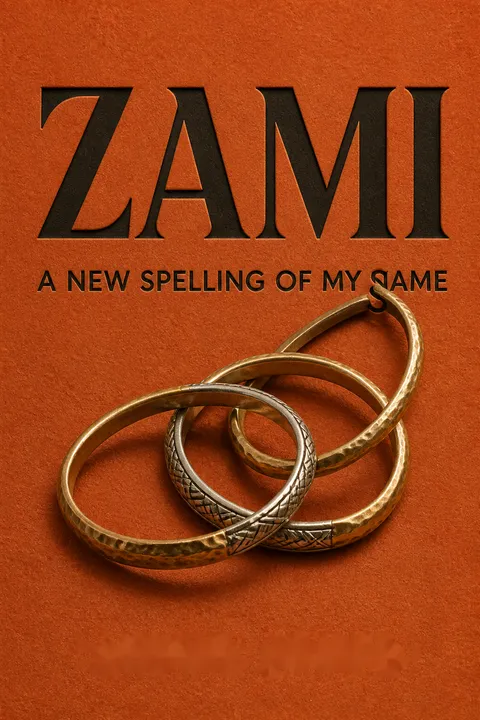
Zami is subtitled "A New Spelling of My Name: A Biomythography," signaling Lorde's deliberate blending of autobiography, myth, and collective history. This narrative structure allows her to move fluidly between personal memory, family legend, and cultural tradition. The use of myth—especially the stories of Carriacou women and the figure of Afrekete—enables Lorde to situate her own experience within a broader lineage of Black women's survival and creativity. The memoir's episodic structure, shifting between childhood, adolescence, and adulthood, mirrors the nonlinear process of self-discovery. Foreshadowing is used throughout—early experiences of exclusion, longing, and desire anticipate later relationships and losses. The recurring motif of naming—of spelling and re-spelling her own name—serves as both a plot device and a metaphor for the ongoing work of self-creation.
Intersectionality: Race, Gender, Sexuality, Class
Lorde's narrative is structured around the intersections of race, gender, sexuality, and class. Each chapter explores how these identities shape her experiences of family, love, work, and community. The plot is driven by the challenges and possibilities that arise from these intersections—her exclusion from white schools, her marginalization in both Black and gay communities, her struggles with poverty and mental health. The device of intersectionality is not just thematic, but structural—each relationship, each setting, each crisis is shaped by the overlapping realities of difference. This layering creates a rich, complex narrative that resists easy resolution, insisting on the necessity of embracing all of who she is.
Rituals and Repetition: Food, Hair, Storytelling
Throughout Zami, rituals of food, hair care, and storytelling serve as both plot devices and symbols of survival. The preparation of souse, the combing of hair, the telling of family stories—all become ways for Lorde to connect with her heritage, to assert her identity, and to resist erasure. These rituals are repeated across generations, linking Lorde to her mother, her aunts, and the women of Carriacou. They also serve as moments of intimacy and conflict in her relationships with lovers and friends. The repetition of these practices underscores the importance of everyday acts in the ongoing work of survival and self-creation.
The House of Difference: Community and Exclusion
The metaphor of the "house of difference" recurs throughout the narrative, representing both the challenges and the possibilities of building community across lines of race, gender, and sexuality. The lesbian bars, the kitchens of friends, the streets of Harlem and the Village—all become sites where difference is negotiated, celebrated, or denied. The plot is driven by Lorde's search for spaces where all of who she is can be honored, and by the pain of exclusion when those spaces are denied. The house of difference is both a literal and figurative structure, a place where survival depends on the willingness to embrace complexity and contradiction.
About the Author
Other books by Audre Lorde

Download PDF
Download EPUB
.epub digital book format is ideal for reading ebooks on phones, tablets, and e-readers.








































