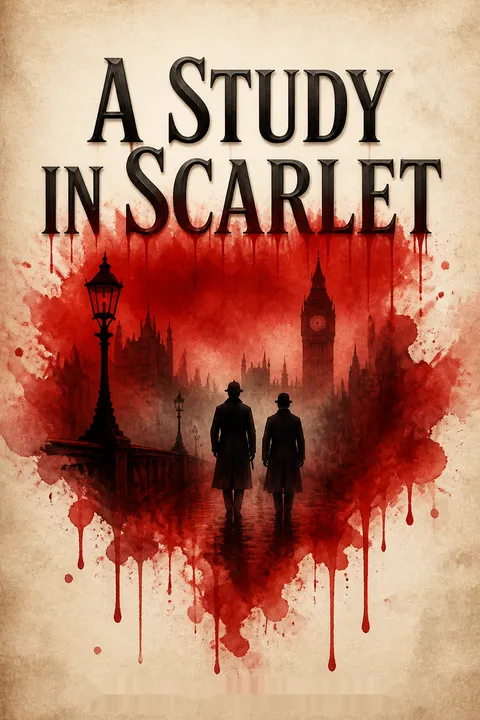

Handlungszusammenfassung
Eine zufällige Begegnung
Dr. John Watson, ein Kriegsveteran, kehrt nach einer qualvollen Zeit in Afghanistan nach London zurück. Er trifft einen alten Bekannten, Stamford, der ihn Sherlock Holmes vorstellt – einem eigenwilligen Mann, der einen Mitbewohner sucht. Holmes beeindruckt Watson sofort mit seinen deduktiven Fähigkeiten, indem er Watsons Vergangenheit durch bloße Beobachtung entschlüsselt. Sie beschließen, sich gemeinsam in der Baker Street 221B einzumieten, was den Beginn einer legendären Partnerschaft markiert.
Die Wissenschaft der Deduktion
Nach dem Einzug in ihr neues Heim ist Watson zunehmend fasziniert von Holmes’ exzentrischen Gewohnheiten und seinem einzigartigen Beruf als beratender Detektiv. Holmes erläutert ihm seine Methode der Deduktion, bei der es darum geht, winzigste Details zu beobachten, um messerscharfe Schlüsse zu ziehen. Watson reagiert zunächst skeptisch, ist jedoch fasziniert von Holmes’ Gabe, aus scheinbar trivialen Beobachtungen handfeste Fakten abzuleiten.
Das Rätsel von Lauriston Gardens
Holmes wird herbeigerufen, um einen mysteriösen Todesfall in Lauriston Gardens zu untersuchen. Ein Mann namens Enoch Drebber wird tot in einem leer stehenden Haus aufgefunden – ohne sichtbare Wunden, doch der Tatort ist voller Blut. Das Wort „RACHE“ ist mit Blut an die Wand geschmiert. Holmes schließt daraus, dass der Mord kein Zufall war, sondern ein kalt kalkulierter Akt der Vergeltung, und beginnt, die Puzzleteile zusammenzusetzen.
Eine schreckliche Entdeckung
Holmes’ Ermittlungen ergeben, dass Drebber vergiftet wurde, und der Fall führt zurück zu einer komplexen Vorgeschichte in Amerika. Holmes identifiziert Jefferson Hope als Mörder, der aus persönlicher Fehde auf Rache aus war. Hopes Motiv ist eng mit einer tragischen Liebesgeschichte und einem Racheschwur gegen Drebber und dessen Komplizen Stangerson verknüpft.
Die Racheengel
Die Erzählung springt zurück in die Vergangenheit von Jefferson Hope und schildert seinen unerbittlichen Kampf um Gerechtigkeit für das Unrecht, das ihm und seiner geliebten Lucy Ferrier angetan wurde. Seine rastlose Jagd über Kontinente hinweg, um Lucys Tod und den Mord an ihrem Vater durch Drebber und Stangerson zu rächen, verdeutlicht seine eiserne Entschlossenheit und den tiefen Schmerz seines Verlusts.
Eine Geschichte von Rache
Nach seiner Festnahme durch Holmes gesteht Hope die Morde und rechtfertigt seine Taten als gerechte Strafe für die erzwungene Ehe und den darauffolgenden Tod von Lucy Ferrier. Er schildert, wie er Drebber und Stangerson aufspürte und sie schließlich vor eine tödliche Wahl stellte. Hopes Geschichte ist geprägt von Liebe, Verlust und Vergeltung, angetrieben von einem heiligen Versprechen an Lucy.
Die Gerechtigkeit siegt
Noch bevor Hope der Prozess gemacht werden kann, stirbt er an einem Aneurysma. Holmes bleibt zurück, um über die Lösung des Falls zu reflektieren. Trotz der mangelnden Anerkennung durch die Öffentlichkeit ist Holmes zutiefst zufrieden mit seinem Erfolg. Watson, tief beeindruckt von Holmes’ deduktivem Genie, beschließt, ihre gemeinsamen Abenteuer niederzuschreiben, damit die Wahrheit ans Licht kommt.
Analysis
Eine Studie in Scharlachrotuntersucht tiefgründige Themen wie Gerechtigkeit, Rache und die Macht der Beobachtung. Durch Holmes’ deduktive Methode zeigt das Werk, wie entscheidend Logik und Detailgenauigkeit bei der Lösung komplexer Probleme sind. Gleichzeitig beleuchtet die Geschichte die verheerenden Folgen gesellschaftlicher Unterdrückung, dargestellt am tragischen Schicksal von Lucy Ferrier. Hopes unerbittlicher Rachefeldzug wirft moralische Fragen auf und zeigt, wie weit ein Mensch für Gerechtigkeit zu gehen bereit ist. Der Roman führt die Leser in die ikonische Partnerschaft von Holmes und Watson ein, legt das Fundament für all ihre zukünftigen Abenteuer und begründet die zeitlose Faszination des Detektivgenres.
Rezensionsübersicht
Eine Studie in Scharlachrot führt Sherlock Holmes und Dr. Watson ein und begründet ihre legendäre Partnerschaft. Während das Werk für seine fesselnde Kriminalhandlung und die unvergesslichen Charaktere gelobt wird, empfinden einige Leser die Hintergrundgeschichte in Utah als unzusammenhängend. Der Roman stellt Holmes' deduktive Fähigkeiten und Watsons Erzählweise eindrucksvoll unter Beweis, unterscheidet sich jedoch stilistisch von späteren Werken. Viele Rezensenten schätzen die historische Bedeutung dieser ersten Holmes-Geschichte trotz ihrer Schwächen. Die anhaltende Faszination des Buches liegt in seinen vielschichtigen Charakteren und dem Fundament, das es für die beliebte Detektivserie legt.
Andere lasen auch





Characters
Sherlock Holmes
Holmes ist ein Meister der Deduktion, der seine scharfe Beobachtungsgabe nutzt, um selbst die komplexesten Fälle zu lösen. Seine Methoden sind unkonventionell, und er wirkt oft unnahbar und distanziert. Trotz seiner Eigenheiten wird Holmes von einem unbändigen Streben nach Gerechtigkeit und intellektueller Herausforderung angetrieben.
Dr. John Watson
Watson ist ein ehemaliger Militärarzt, der zu Holmes’ Mitbewohner und Chronisten wird. Er ist fasziniert von Holmes’ Fähigkeiten und bringt eine bodenständige Perspektive in ihre Abenteuer ein. Watsons medizinischer Hintergrund und seine militärische Erfahrung ergänzen Holmes’ detektivische Arbeit perfekt.
Jefferson Hope
Hope wird von einer tiefen persönlichen Fehde gegen Drebber und Stangerson angetrieben, die er für den Tod seiner geliebten Lucy Ferrier verantwortlich macht. Seine unerbittliche Jagd nach Gerechtigkeit führt ihn über mehrere Kontinente, befeuert von einem tiefen Gefühl des Verlusts und des Verrats.
Enoch Drebber
Drebber ist ein ehemaliger Mormone, der ins Visier von Hopes Rachefeldzug gerät. Seine früheren Taten, insbesondere die erzwungene Heirat von Lucy Ferrier, führen letztlich zu seiner Ermordung. Drebbers Charakter ist von Arroganz und völliger Reuelosigkeit geprägt.
Joseph Stangerson
Stangerson ist Drebbers Sekretär und Helfershelfer bei den Verbrechen gegen Hope und Lucy. Auch er wird von Hopes Rache eingeholt und erleidet ein ähnliches Schicksal. Stangersons Rolle verdeutlicht die fatalen Konsequenzen von Mitschuld.
Lucy Ferrier
Lucy ist der Auslöser für Hopes unerbittliche Suche nach Vergeltung. Ihre erzwungene Ehe und ihr früher Tod stehen im Mittelpunkt der Tragödie und zeigen die grausamen Folgen einer unterdrückerischen Gesellschaft.
John Ferrier
Ferrier ist Lucys Adoptivvater, der sich dem Druck der Mormonen-Gemeinschaft widersetzt, seine Tochter zwangsverheiraten zu lassen. Seine Ermordung durch Stangerson setzt die Kette von Ereignissen in Gang, die Hopes Rachefeldzug auslösen.
Tobias Gregson
Gregson ist ein Ermittler von Scotland Yard, der mit dem Fall betraut ist. Er repräsentiert die klassische Polizeiarbeit und wird oft von Holmes’ überlegenen deduktiven Fähigkeiten in den Schatten gestellt.
Inspector Lestrade
Lestrade ist ein weiterer Ermittler von Scotland Yard, der eng mit Gregson zusammenarbeitet. Er steht Holmes’ Methoden oft skeptisch gegenüber, respektiert jedoch letztendlich dessen unbestreitbare Erfolge.
Plot Devices
Deductive Reasoning
Holmes nutzt die Deduktion, um Geheimnisse zu lüften, indem er präzise Details beobachtet und logische Schlüsse zieht. Diese Methode hebt ihn von traditionellen Ermittlern ab und ist der Schlüssel zu seinem Erfolg.
Revenge
Hopes unerbittliche Jagd nach Vergeltung an Drebber und Stangerson treibt die gesamte Geschichte voran. Seine Taten entspringen einem tiefen Bedürfnis nach Gerechtigkeit und persönlichem Verlust.
Flashback
Die Erzählung nutzt Rückblenden, um den Kontext für Hopes Motive und die Ereignisse, die zu den Morden führten, zu verdeutlichen. Dieses Stilmittel verleiht der Geschichte Tiefe und gibt Einblick in die Vergangenheit der Figuren.
Red Herrings
Die Geschichte enthält bewusste falsche Fährten, wie das an die Wand geschriebene Wort „RACHE“, um Ermittler und Leser in die Irre zu führen. Diese Ablenkungsmanöver erhöhen die Spannung und stellen Holmes’ Fähigkeiten auf die Probe.
FAQ
Synopsis & Basic Details
What is A Study in Scarlet about?
- Introduction to Sherlock Holmes: A Study in Scarlet introduces Sherlock Holmes and Dr. Watson, showcasing Holmes's extraordinary deductive abilities as they investigate a baffling murder.
- A Baffling London Murder: The story centers around the mysterious death of Enoch J. Drebber in London, with the word "RACHE" scrawled in blood at the crime scene, baffling Scotland Yard.
- American West Flashback: The narrative shifts to the American West, revealing a tale of love, religious persecution, and revenge that connects to the London crime.
Why should I read A Study in Scarlet?
- Birth of a Legend: Experience the origin story of Sherlock Holmes and Dr. Watson, a duo that has captivated readers for generations.
- Deductive Reasoning Showcase: Witness Holmes's brilliant deductive skills in action, providing a masterclass in observation and logical thinking.
- Intriguing Mystery & Revenge: Delve into a compelling mystery with elements of revenge, religious conflict, and a tragic love story spanning continents.
What is the background of A Study in Scarlet?
- Victorian London Setting: The story is set in 1880s London, reflecting the city's social complexities, burgeoning crime, and emerging scientific advancements.
- Mormon History & Controversy: The novel incorporates the history of the Mormon pioneers and their journey to Utah, touching upon controversial aspects of their practices.
- Emerging Detective Genre: A Study in Scarlet helped establish the detective fiction genre, influencing subsequent works with its focus on logical deduction and crime scene analysis.
What are the most memorable quotes in A Study in Scarlet?
- "How often have I said to you that when you have eliminated the impossible, whatever remains, however improbable, must be the truth?": This quote encapsulates Holmes's core deductive principle, emphasizing the importance of logical elimination.
- "The proper study of mankind is man.": This quote highlights Watson's initial fascination with Holmes and the complexity of human nature, setting the stage for their partnership.
- "There's the scarlet thread of murder running through the colourless skein of life, and our duty is to unravel it, and isolate it, and expose every inch of it.": This quote uses vivid imagery to describe the detective's role in uncovering the truth behind crime, emphasizing the meticulous nature of the investigation.
What writing style, narrative choices, and literary techniques does Arthur Conan Doyle use?
- First-Person Narration: The story is narrated by Dr. Watson, providing a relatable and grounded perspective on Holmes's brilliance and eccentricities.
- Detailed Descriptions: Doyle employs vivid descriptions of crime scenes, characters, and settings, immersing the reader in the Victorian London atmosphere.
- Foreshadowing and Suspense: Doyle uses subtle foreshadowing and suspenseful pacing to keep the reader engaged and guessing throughout the mystery.
Hidden Details & Subtle Connections
What are some minor details that add significant meaning?
- The "RACHE" inscription's ambiguity: While initially interpreted as "Rachel," Holmes quickly identifies it as the German word for "revenge," revealing the killer's motive and potentially misleading the police. This detail highlights Holmes's superior understanding of context and language.
- The significance of the pills: The seemingly insignificant detail of the two pills, one poisonous and one harmless, becomes crucial to understanding the killer's method and his desire to offer his victims a choice, however twisted.
- The description of the cab: Holmes's detailed observation of the cab's wheels and the horse's shoes allows him to deduce key information about the killer's arrival and departure, showcasing his attention to seemingly unimportant details.
What are some subtle foreshadowing and callbacks?
- Watson's war wound: Watson's lingering war wound and its psychological effects are mentioned early on, foreshadowing his need for intellectual stimulation and his eventual partnership with Holmes.
- Holmes's "Police News of the Past": Stamford jokingly suggests Holmes start a "Police News of the Past," foreshadowing Holmes's extensive knowledge of criminal history and its importance in solving current cases.
- Holmes's monograph on cigar ashes: Holmes mentions his monograph on cigar ashes, which later becomes crucial in identifying the type of cigar smoked by the murderer at the crime scene.
What are some unexpected character connections?
- Stamford's role as connector: Stamford's seemingly minor role as the link between Watson and Holmes is crucial, setting the stage for the entire series of adventures.
- The connection between the London murder and the American West: The seemingly unrelated flashback to the American West reveals a deep connection between the victims and the killer, highlighting the long reach of the past.
- The Mormon community's influence: The Mormon community's strict social code and history of persecution directly influence the events of the story, connecting the personal vendetta to broader social and religious themes.
Who are the most significant supporting characters?
- Tobias Gregson and Inspector Lestrade: These Scotland Yard detectives serve as foils to Holmes, highlighting his superior deductive abilities and providing a contrast to conventional policing methods.
- John Rance: The constable who discovers the body provides crucial initial observations, but his failure to recognize the significance of the drunk man at the scene underscores the importance of keen observation.
- Wiggins and the Baker Street Irregulars: These street urchins act as Holmes's eyes and ears, gathering information that would be inaccessible to traditional detectives, showcasing the value of unconventional methods.
Psychological, Emotional, & Relational Analysis
What are some unspoken motivations of the characters?
- Holmes's need for intellectual stimulation: Beyond a desire for justice, Holmes is driven by a deep need for intellectual stimulation, viewing cases as puzzles to be solved and showcasing his detachment from emotional considerations.
- Watson's search for purpose: Watson, haunted by his experiences in Afghanistan, seeks purpose and excitement in his life, finding it through his partnership with Holmes and his documentation of their adventures.
- Jefferson Hope's obsession with revenge: Hope's unspoken motivation is not simply justice, but a deep-seated need for revenge, fueled by the loss of his love and the destruction of his family, driving him to extreme measures.
What psychological complexities do the characters exhibit?
- Holmes's detachment and addiction: Holmes exhibits a complex personality, balancing brilliance with detachment and periods of inactivity, hinting at a possible addictive personality or a need for intense stimulation.
- Hope's transformation: Hope's transformation from a loving and hopeful young man to a vengeful and hardened killer reveals the psychological toll of loss and the corrupting influence of revenge.
- Watson's romanticism vs. realism: Watson's romanticized view of Holmes and their adventures often clashes with the harsh realities of crime, creating a tension between his idealism and the grim realities they face.
What are the major emotional turning points?
- Watson's fascination with Holmes: Watson's initial skepticism turning into fascination marks a turning point in his life, leading him to embrace a life of adventure and intellectual stimulation.
- Hope's discovery of Lucy's fate: Hope's discovery of Lucy's death and forced marriage is a major emotional turning point, solidifying his resolve for revenge and setting him on his path of retribution.
- Holmes's realization of the pills' significance: Holmes's initial disappointment when the first pill doesn't affect the dog, followed by his elation when the second pill proves deadly, highlights his emotional investment in the case and his intellectual pride.
How do relationship dynamics evolve?
- Holmes and Watson's symbiotic partnership: The relationship between Holmes and Watson evolves from a chance encounter to a deep and symbiotic partnership, with Watson providing emotional support and documentation while Holmes offers intellectual stimulation and adventure.
- Hope's relationship with Lucy and John Ferrier: Hope's deep love for Lucy and his respect for John Ferrier drive his actions, highlighting the importance of family and loyalty in his moral code.
- The power dynamic between Drebber and Stangerson: The power dynamic between Drebber and Stangerson, with Drebber treating Stangerson as a servant, reveals the social hierarchies and moral corruption within the Mormon community.
Interpretation & Debate
Which parts of the story remain ambiguous or open-ended?
- The extent of Mormon involvement: The novel leaves ambiguous the extent to which the Mormon community sanctioned the violence against the Ferriers, raising questions about collective responsibility.
- The morality of Hope's actions: The novel leaves open to interpretation the morality of Hope's actions, prompting debate about whether his revenge was justified or simply a descent into barbarism.
- Holmes's emotional capacity: Holmes's true emotional capacity remains ambiguous, with Watson often speculating about his inner feelings and motivations, leaving the reader to question the depth of his empathy.
What are some debatable, controversial scenes or moments in A Study in Scarlet?
- The portrayal of the Mormon community: The novel's portrayal of the Mormon community as oppressive and violent has been criticized for perpetuating stereotypes and lacking nuance.
- Hope's justification for murder: Hope's justification for murder as a form of justice raises ethical questions about the limits of self-defense and the morality of taking the law into one's own hands.
- Holmes's manipulation of the police: Holmes's willingness to manipulate Gregson and Lestrade for his own purposes raises questions about the ethics of his methods and his disregard for established authority.
A Study in Scarlet Ending Explained: How It Ends & What It Means
- Hope's death as a resolution: Hope's death from an aneurism before facing trial can be interpreted as a form of divine justice or a tragic end to a life consumed by revenge, leaving the reader to ponder the consequences of his actions.
- Holmes's lack of recognition: Holmes's lack of public recognition despite solving the case highlights the themes of ego and the importance of internal satisfaction over external validation.
- Watson's role as chronicler: Watson's decision to document the case ensures that the truth is known, emphasizing the power of storytelling and the importance of preserving the legacy of extraordinary individuals.
Sherlock Holmes Buchreihe
Über den Autor
Weitere Bücher von Arthur Conan Doyle




PDF herunterladen
EPUB herunterladen
.epub digital book format is ideal for reading ebooks on phones, tablets, and e-readers.








































