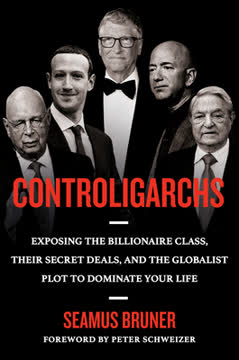
Ideas clave
1. El auge de los Controligarcas: Una nueva élite global
"Usando las estimaciones más conservadoras, la riqueza neta combinada de los personajes de este libro supera el billón de dólares (con b de billón). Pero el poder asombroso y la influencia descomunal que tienen a su alcance valen mucho más."
Concentración de riqueza sin precedentes. En los últimos años, un pequeño grupo de individuos ultrarricos ha acumulado fortunas e influencia enormes. Estos "Controligarcas" incluyen figuras como Bill Gates, Jeff Bezos, Mark Zuckerberg y George Soros, cuya riqueza neta conjunta supera el billón de dólares.
Impacto global. Su riqueza les otorga el poder de moldear políticas mundiales, mercados y la opinión pública. Pueden:
- Arruinar naciones enteras
- Crear nuevos mercados
- Influir en funcionarios electos
- Controlar industrias clave
Más allá de la oligarquía tradicional. A diferencia de los oligarcas anteriores, esta nueva élite busca imponer un sistema de control sin precedentes, no solo en un país, sino a nivel mundial. Aprovechan la tecnología, la filantropía y las instituciones globales para avanzar en sus agendas.
2. Filántropos multimillonarios y sus agendas ocultas
"El modelo de negocio de Gates funciona así: Bill Gates invierte personalmente su dinero en algún nuevo proyecto. Luego, su fundación destina millones (o incluso miles de millones) para asegurar que ese proyecto despegue."
La filantropía como estrategia. Multimillonarios como Bill Gates usan fundaciones benéficas para promover sus intereses empresariales mientras cultivan una imagen pública positiva. Este enfoque les permite:
- Influir en políticas globales de salud y agricultura
- Invertir en empresas que se benefician de su labor filantrópica
- Evitar impuestos manteniendo el control de su riqueza
El Club de los Buenos. En 2009, Gates convocó una reunión secreta de multimillonarios, incluyendo a Warren Buffett y George Soros, para discutir asuntos globales. Su prioridad principal: el control poblacional.
Iniciativas controvertidas. Gates y otros han invertido fuertemente en:
- Vacunas y control de natalidad en países en desarrollo
- Cultivos genéticamente modificados y proteínas alternativas
- Sistemas de identificación digital y tecnología de vigilancia
3. El Gran Reinicio: Explotando crisis para el control
"El COVID-19 fue conocido como un riesgo anticipado," afirmó el narrador del Foro Económico Mundial, y "lo mismo ocurre con su equivalente digital."
Reforma oportunista. El Foro Económico Mundial, liderado por Klaus Schwab, vio la pandemia de COVID-19 como una oportunidad para implementar cambios radicales en la economía y sociedad globales. Su agenda del "Gran Reinicio" incluye:
- Capitalismo de partes interesadas
- Transformación digital
- Transición hacia energías verdes
- Gobernanza global
Preparación pandémica. El WEF y sus socios, incluyendo a Bill Gates, realizaron simulacros de pandemia como el Evento 201 apenas meses antes del brote de COVID-19. Estos ejercicios enfatizaron:
- Vigilancia masiva
- Control centralizado
- Censura de opiniones disidentes
Transformación económica. La respuesta a la pandemia condujo a:
- Transferencias masivas de riqueza hacia la élite
- Mayor consolidación corporativa
- Aceleración de tecnologías digitales
4. Moneda digital e identificación: Herramientas para la vigilancia financiera
"Una identificación digital —como un código QR en la billetera digital de tu teléfono escaneado por la anfitriona de un restaurante— proporciona un punto de entrada para este nivel sin precedentes de acceso a información personal."
Sociedad sin efectivo. Las Monedas Digitales de Banco Central (CBDC) se promueven como solución a diversos problemas, incluyendo:
- Amenazas cibernéticas
- Crimen financiero
- Cambio climático
Preocupaciones sobre la privacidad. Las monedas digitales y las identificaciones permitirían un monitoreo sin precedentes de las transacciones financieras y datos personales. Esto podría derivar en:
- Sistemas de crédito social
- "Cancelación" financiera de disidentes
- Control gubernamental sobre el gasto
Tecnología blockchain. Aunque algunos ven las criptomonedas como una forma de resistir el control gubernamental, el WEF y los bancos centrales trabajan para cooptar la blockchain con sus propios fines.
5. La guerra contra los agricultores: Reconfigurando la producción alimentaria global
"Gates y sus afiliados ya controlan los insumos comerciales (y la propiedad intelectual) de la agricultura —las semillas genéticamente modificadas, los fertilizantes, herbicidas y pesticidas. Ahora quiere la tierra."
Transformación agrícola. Multimillonarios y corporaciones impulsan cambios drásticos en la producción de alimentos, citando el cambio climático y la sostenibilidad. Esto incluye:
- Restricciones a prácticas agrícolas tradicionales
- Promoción de cultivos genéticamente modificados
- Inversión en carne cultivada en laboratorio y alternativas vegetales
Adquisición de tierras. Bill Gates se ha convertido en uno de los mayores propietarios de tierras agrícolas en Estados Unidos, lo que genera preocupación por la concentración de recursos agrícolas.
Movimientos de resistencia. Agricultores en países como Holanda y Canadá han protestado contra nuevas regulaciones ambientales que amenazan sus medios de vida.
6. Manipulación y censura en los medios tradicionales
"Confía en tus autoridades locales, confía en nosotros aquí [en CNN], confía en una fuente de noticias que sabes y crees que es honesta sobre esto —están haciendo su trabajo, y lo hacen bien."
Consolidación mediática. Seis grandes corporaciones controlan la mayoría de los medios tradicionales en Estados Unidos, lo que limita la diversidad de perspectivas.
Influencia de multimillonarios. Figuras como Jeff Bezos (dueño de The Washington Post) y Laurene Powell Jobs (accionista mayoritaria de The Atlantic) tienen un control significativo sobre importantes medios de comunicación.
Censura y narrativas. Plataformas de redes sociales y medios tradicionales han incrementado:
- La moderación de contenido (censura) de opiniones disidentes
- La promoción de narrativas oficiales en temas polémicos
- La etiqueta de "desinformación" a perspectivas alternativas
7. La influencia de China y la amenaza a la democracia
"Los Controligarcas, como los miembros del Club de los Buenos y los titanes de la Gran Tecnología, con muy pocas excepciones, también son apologistas del Partido Comunista Chino."
Enredos económicos. Muchos multimillonarios y corporaciones occidentales mantienen vínculos financieros profundos con China, lo que influye en su postura sobre derechos humanos y asuntos geopolíticos.
Modelo autoritario. Algunos Controligarcas admiran aspectos del sistema de gobernanza chino, incluyendo:
- Control centralizado
- Implementación rápida de nuevas tecnologías
- Sistemas de crédito social
Transferencia tecnológica. Empresas occidentales han ayudado al desarrollo tecnológico de China, a veces en detrimento de los intereses de sus propios países.
8. El juego final: Una visión distópica del futuro
"Su juego final, al parecer, es lograr el control total exportando la riqueza y empleos estadounidenses a China mientras importan una forma de comunismo y corrupción que augura la ruina para el resto del mundo."
Transhumanismo. Algunos Controligarcas imaginan un futuro donde la tecnología se fusiona con la biología humana, creando potencialmente una nueva división de clases.
IA y automatización. El desarrollo de la inteligencia artificial y la robótica podría volver "inútil" a gran parte de la población, según algunos pensadores de la élite.
Gobernanza global. La meta última parece ser un mundo donde la soberanía nacional se reduzca en favor de un sistema tecnocrático y centralizado de control.
Estrategias de resistencia. El autor sugiere formas para que individuos y sociedades resistan este futuro distópico, incluyendo:
- Apoyar negocios y agricultura locales
- Reducir la dependencia de plataformas de la Gran Tecnología
- Abogar por protecciones de privacidad y sistemas descentralizados
Resumen de reseñas
Controligarchs ha recibido opiniones encontradas, con valoraciones que oscilan entre una y cinco estrellas. Sus partidarios elogian la revelación del poder que ejercen los multimillonarios en los asuntos globales, mientras que sus detractores lo desestiman como una propaganda de derecha. Algunos lectores lo consideran informativo y revelador, pero otros critican su sesgo y falta de matices. El libro aborda temas como el poder de las empresas tecnológicas, el escepticismo hacia las vacunas y la negación del cambio climático. Los lectores debaten sobre su credibilidad: unos valoran la investigación, mientras que otros cuestionan sus fuentes y conclusiones. En conjunto, la obra resulta polarizadora, reflejando las divisiones políticas más amplias.
También leyeron



Preguntas frecuentes
What is Controligarchs: Exposing the Billionaire Class, their Secret Deals, and the Globalist Plot to Dominate Your Life by Seamus Bruner about?
- Elite control and influence: The book investigates how a small group of ultra-wealthy individuals, called "Controligarchs," use their wealth and power to shape global systems and control many aspects of life.
- Globalist agenda revealed: It exposes secret deals and coordinated efforts among billionaires, political elites, and supranational organizations to centralize authority and reduce individual freedoms.
- Historical and modern analysis: Bruner traces the roots of this control from early 20th-century monopolies to contemporary issues like pandemics, climate change, and digital surveillance.
- Impact on society: The narrative explores how these elites manipulate crises to consolidate power, affecting democracy, media, public health, and personal autonomy.
Why should I read Controligarchs by Seamus Bruner?
- Understanding power dynamics: The book offers a comprehensive look at how wealth and influence are concentrated among a few, shaping global policies and societal norms.
- Revealing hidden agendas: Readers gain insight into covert operations and alliances that drive major global initiatives, such as digital IDs, vaccine programs, and climate policies.
- Empowerment through knowledge: By exposing these control structures, the book encourages readers to question mainstream narratives and consider the implications for democracy and personal autonomy.
- Call to vigilance: It serves as a wake-up call to recognize and resist the growing control of elites over freedoms, privacy, and democratic governance.
What are the key takeaways from Controligarchs by Seamus Bruner?
- Controligarch model: A small elite class orchestrates global control through philanthropy, media ownership, and political influence, often leveraging crises to expand their reach.
- Technocracy and surveillance: The rise of technocratic governance, digital IDs, biometric surveillance, and AI are highlighted as tools for social control and monitoring.
- Manipulation of crises: Pandemics and climate change are used to justify restrictive policies and economic restructuring that favor the elite.
- Consequences for society: The book warns of threats to individual freedoms, privacy, and democratic governance as a result of these elite-driven agendas.
Who are the "Controligarchs" according to Seamus Bruner in Controligarchs?
- Definition of Controligarchs: They are billionaire philanthropists, entrepreneurs, and bureaucrats who seek not just wealth, but unprecedented control over society.
- Key figures: The book highlights Bill Gates, George Soros, Warren Buffett, Mark Zuckerberg, Elon Musk, Klaus Schwab, and the Rockefeller family as prime examples.
- Methods of control: These individuals use philanthropy, corporate monopolies, political influence, and technological innovation to micromanage aspects of daily life, from health and food to energy and digital identity.
- Blending wealth and power: Controligarchs combine financial resources with political and media influence to shape public opinion and policy.
How does Controligarchs by Seamus Bruner describe the role of the Rockefeller family?
- Foundational influence: The Rockefellers pioneered the Controligarch model, building monopolies in oil and expanding into philanthropy, public health, and education to shape society.
- Public health empire: They established the Rockefeller Institute for Medical Research, becoming global leaders in infectious disease control, vaccine development, and public health policy.
- Eugenics and population control: The family funded eugenics programs, birth control initiatives, and organizations like Planned Parenthood, aiming to influence reproductive rights and population growth.
- Legacy of control: Their strategies set the template for modern Controligarchs, blending business, philanthropy, and social engineering.
What is the "Great Reset" and how is it explained in Controligarchs by Seamus Bruner?
- Klaus Schwab’s vision: The Great Reset is a plan by the World Economic Forum’s founder to use crises like COVID-19 to restructure global economies toward stakeholder capitalism, digitalization, and green energy.
- Three pillars: It includes stakeholder capitalism (corporate control aligned with social goals), ESG scores (environmental, social, governance metrics), and the Fourth Industrial Revolution (AI, IoT, biotech for surveillance and control).
- Centralized governance: The Reset promotes a model where corporations and governments collaborate to control resources and behaviors, replacing traditional free-market capitalism.
- Antidemocratic implications: The book argues the Great Reset undermines democracy by empowering technocrats and global elites to dictate policies and behaviors under the guise of sustainability and equity.
How does Controligarchs by Seamus Bruner describe the use of pandemics for control and profit?
- Pandemic preparedness: Controligarchs like Gates and Rockefeller had been planning for pandemics for decades, funding virus research and simulations such as Event 201.
- COVID-19 response: The pandemic was used to implement lockdowns, digital IDs, vaccine mandates, and surveillance measures that increased elite control over populations.
- Economic impact: The crisis enriched billionaires, who gained trillions while small businesses and the middle class suffered, illustrating how crises become opportunities for wealth transfer.
- Philanthropic influence: Foundations played significant roles in funding vaccine development and public health policies, often aligning with corporate interests.
What is stakeholder capitalism and how does Controligarchs by Seamus Bruner critique it?
- Definition and promotion: Stakeholder capitalism is described as an economic system where corporations serve not just shareholders but all stakeholders, including governments and society, as promoted by Klaus Schwab and the WEF.
- Control mechanism: The book argues this model is a form of crony capitalism or state capitalism that centralizes power among elites under the guise of social responsibility.
- ESG and impact investing: Environmental, Social, and Governance (ESG) scores and impact investing are tools within stakeholder capitalism to influence corporate behavior and public policy, often masking profit motives and political agendas.
- Diminished freedoms: The model is critiqued for reducing market competition and individual freedoms, while increasing elite control.
How does Controligarchs by Seamus Bruner explain the influence of digital currencies and digital ID systems?
- Centralized control risks: Central Bank Digital Currencies (CBDCs) are seen as tools for authoritarian control, enabling governments and financial institutions to track, restrict, or cut off individuals’ access to money and services.
- Loss of privacy: Digital IDs tied to biometrics would allow constant surveillance of citizens, potentially turning access to goods and services into privileges granted or revoked by the state or elite-controlled entities.
- Pandemic as catalyst: The COVID-19 pandemic accelerated the push for digital IDs and vaccine passports, which the book argues are stepping stones toward permanent digital identity systems linked to financial control.
- Technological infrastructure: These systems are part of a broader move toward a cashless, surveilled society.
What does Controligarchs by Seamus Bruner say about media control and censorship?
- Media consolidation: The book details how a few corporations and wealthy individuals, including the Rockefellers and Gates, own or influence major media outlets, shaping public discourse.
- Censorship and content moderation: It highlights the role of Big Tech platforms like Facebook, Twitter, and Google in censoring dissenting opinions, often in coordination with government agencies.
- Propaganda and disinformation: The narrative distinguishes between propaganda and censorship, showing how information is manipulated to support elite agendas, including during elections and crises like the pandemic.
- Suppression of dissent: The book emphasizes the violation of First Amendment rights and the narrowing of acceptable viewpoints.
How does Controligarchs by Seamus Bruner address the metaverse, AI, and transhumanism?
- Metaverse as dystopia: The metaverse is portrayed as a virtual reality ecosystem controlled by tech giants and financial elites, designed to immerse users in a digital world where their behaviors and purchases are monitored and monetized.
- AI and surveillance: AI is depicted as a tool for unprecedented social control through data mining and behavioral prediction, raising concerns about loss of privacy and autonomy.
- Transhumanist agenda: The book connects the metaverse to transhumanism—the merging of humans with machines—through technologies like brain-computer interfaces (e.g., Neuralink), raising ethical concerns about mind control and human enhancement.
- Corporate and financial backing: Major corporations like Meta, Microsoft, Google, and BlackRock are heavily investing in these technologies to create oligopolistic control over digital life.
What solutions or actions does Controligarchs by Seamus Bruner propose to resist elite control?
- Legislative reforms: The book calls for ending funding to supranational organizations like the WHO and UN, banning taxpayer assistance to Controligarch-linked partnerships, and enacting pro-family and pro-middle-class policies.
- Personal responsibility: It urges individuals to guard their data and wallets, reduce screen time, cancel subscriptions to Controligarch services, and support local businesses to regain autonomy.
- Political engagement: The author emphasizes the need for elected representatives outside elite influence to enact reforms that protect democracy, uphold the rule of law, and resist the Controligarch agenda.
- Transparency and accountability: Bruner stresses the importance of exposing corruption and following the money to hold Controligarchs accountable.
What are some notable quotes from Controligarchs by Seamus Bruner and what do they mean?
- "Controligarchs as citizens of the world": This phrase encapsulates the idea that the elite see themselves above national boundaries, orchestrating global governance beyond democratic accountability.
- "The Great Reset prioritizing green energy and political power": Highlights how environmental initiatives are








































