
Resumen de la trama
Luchas silenciosas
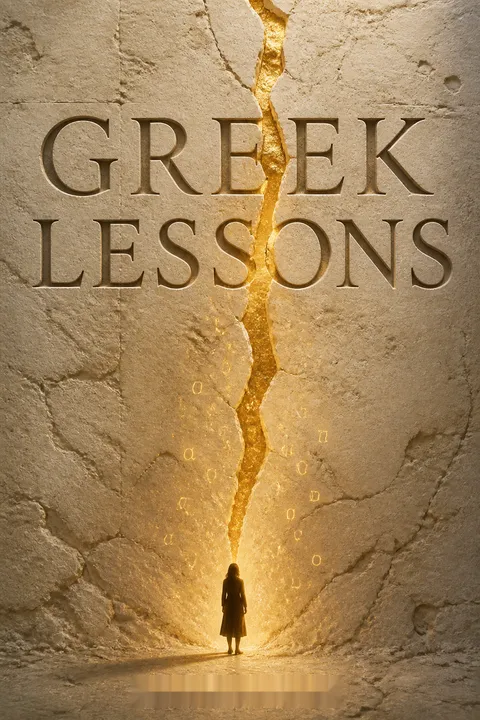
En un aula, una mujer lucha por hablar; su silencio es una presencia densa y abrumadora. Vestida de negro, parece guardar luto por algo mucho más profundo de lo que las palabras pueden expresar. Su profesor, un hombre con una cicatriz, la anima a leer en voz alta, pero ella permanece muda. Su pasado está marcado por la pérdida: la muerte de su madre, un divorcio y una batalla por la custodia de su hijo. Quien fuera una vez poeta y conferenciante, ahora se encuentra incapaz de articular sus pensamientos, con la voz perdida en un silencio interno que se siente como la muerte. Su terapeuta no logra comprenderla y atribuye su mudez al duelo y al estrés, pero ella sabe que es algo mucho más complejo. Su silencio es un refugio, un espacio donde puede existir sin el peso del lenguaje.
El retorno del lenguaje
La mujer se matricula en una clase de griego, con la esperanza de recuperar su voz a través de una lengua desconocida. El profesor de griego, que está perdiendo la vista, se convierte en un aliado silencioso. Enseña con pasión, y su propia lucha contra la ceguera inminente refleja la batalla de ella contra el silencio. La voz media en el griego, que expresa acciones de manera reflexiva, la fascina. Le ofrece una forma de expresarse sin la franqueza directa de su lengua materna. A medida que aprende, empieza a ver el lenguaje como una entidad viva, capaz tanto de sanar como de herir. Su viaje no consiste solo en aprender griego, sino en encontrar una manera de comunicar su mundo interior.
Conexiones del pasado
El profesor de griego reflexiona sobre una relación pasada con una mujer sorda en Alemania. Su conexión era profunda, pero a la vez estaba plagada de malentendidos y deseos no correspondidos. Recuerda sus paseos silenciosos junto al río; la voz de ella era un misterio que él anhelaba escuchar. Su ceguera era una sombra acechante, un futuro que temía que los separara. Su amor fue intenso pero en última instancia destructivo, dejándole una cicatriz tanto física como emocional. Este pasado define su presente e influye en la forma en que interactúa con la mujer silenciosa de su clase. Ve en ella un reflejo de sus propias luchas, una comprensión compartida de la pérdida y la nostalgia.
Voces del pasado
El profesor recibe una carta de su hermana, una cantante que vive en Alemania. Su voz, grabada en un CD, le evoca recuerdos de su infancia y de la indiferencia de su padre. Reflexiona sobre el desarraigo cultural que sintió al crecer en Alemania, los prejuicios raciales a los que se enfrentó su familia y el consuelo que halló en los textos antiguos. La voz de su hermana es un recordatorio de la vida que dejó atrás, un vínculo con un mundo que se siente tan distante como familiar. Mientras la escucha, contempla la naturaleza del sufrimiento y del aprendizaje, los caminos entrelazados del dolor y el conocimiento.
Vínculos tácitos
La mujer y el profesor comparten un momento de complicidad en el aula. Él intuye que el silencio de ella no es una simple ausencia, sino una presencia cargada de significado. Se comunican sin palabras; sus experiencias compartidas crean un lazo que trasciende el lenguaje. Él respeta su silencio y lo ve como una forma de expresión más que como un vacío. Sus interacciones están marcadas por una empatía silenciosa, un reconocimiento mutuo de sus respectivas batallas. En este silencio compartido, encuentran una forma de comunicación profunda y sanadora.
Oscuridad y luz
La visión del profesor continúa deteriorándose, y se desenvuelve en el mundo a través de una bruma de luces y sombras. Su ceguera es un viaje tanto físico como metafórico, un descenso a la oscuridad que refleja el silencio de la mujer. Reflexiona sobre la naturaleza de la percepción, sobre las formas en que vemos y somos vistos. Su relación con la mujer se convierte en una fuente de luz en su mundo cada vez más oscuro, una conexión que le ofrece esperanza y comprensión. Juntos exploran los límites del lenguaje y del silencio, hallando sentido en los espacios que quedan entre las palabras.
Palabras no escritas
El silencio de la mujer es una elección, una forma de recuperar su identidad y su autonomía. Escribe en su cuaderno; las palabras en griego son un puente hacia su voz perdida. Su silencio no es un vacío, sino un espacio lleno de potencial, un lugar donde puede redefinirse. La presencia del profesor le ofrece una sensación de seguridad, un reconocimiento de su lucha libre de juicios. En su silencio compartido, descubren un nuevo lenguaje, uno que trasciende las limitaciones del habla. Su conexión es un testimonio del poder del silencio, un recordatorio de que las palabras no son la única vía para comunicarse.
Analysis
Explorando el poder del silencio y del lenguaje"Clases de griego" se adentra en las complejidades de la comunicación, explorando los puntos de encuentro entre el silencio y el lenguaje. El viaje de la protagonista consiste en recuperar su voz a través del estudio del griego, un idioma que le ofrece una nueva forma de expresarse. Su silencio es a la vez un refugio y una prisión, un espacio donde puede existir sin el peso de las palabras. La comprensión que el profesor de griego tiene de su silencio crea un lazo que trasciende el lenguaje, destacando cómo el silencio puede transmitir significado y emoción. La novela explora temas como la pérdida, la identidad y el poder del lenguaje para sanar y transformar. A través del viaje de la protagonista, Han Kang ofrece una conmovedora meditación sobre la naturaleza de la comunicación y las formas en que conectamos con los demás.
Resumen de reseñas
Clases de griego explora temas como la pérdida, el aislamiento y la comunicación a través de dos personajes: una mujer que pierde la voz y un hombre que pierde la vista. La crítica elogia la prosa poética de Han Kang y su exploración filosófica del lenguaje y la conexión humana. Algunos lectores encuentran un desafío en su naturaleza abstracta y la falta de trama, mientras que otros aprecian su profundidad emocional y su imaginería. El enfoque de la novela en la intimidad y el poder del lenguaje resuena en muchos lectores. En general, las reacciones son mixtas: algunos la consideran profundamente conmovedora y otros tienen dificultades para conectar con los personajes.
También leyeron








Characters
The Woman
La protagonista es una mujer que ha perdido la capacidad de hablar, un silencio nacido de una profunda pérdida personal y del trauma. Su viaje consiste en recuperar su voz a través del estudio del griego, un idioma que le ofrece una nueva forma de expresarse. Su silencio es a la vez un refugio y una prisión, un espacio donde puede existir sin el peso de las palabras. Sus interacciones con el profesor de griego le brindan una sensación de comprensión y empatía, una conexión que trasciende el lenguaje.
The Greek Lecturer
El profesor es un hombre que se enfrenta a la pérdida de la vista, un viaje hacia la oscuridad que refleja el silencio de la mujer. Su pasado está marcado por un amor profundo, pero a la vez destructivo, con una mujer sorda. La enseñanza es su manera de conectar con los demás, de encontrar sentido en un mundo que cada vez le resulta más difícil de transitar. Su relación con la mujer silenciosa es de comprensión mutua, un reconocimiento compartido de la pérdida y la nostalgia.
The Deaf Woman
La antigua amante del profesor, una mujer sorda en Alemania, representa un momento crucial en su vida. Su relación estuvo marcada por una conexión profunda y deseos no expresados, y terminó finalmente en desamor. Su presencia en los recuerdos de él influye en sus interacciones con la mujer silenciosa, moldeando su comprensión del silencio y de la comunicación.
The Lecturer's Sister
La hermana del profesor, una cantante que vive en Alemania, representa un vínculo con su pasado y con el desarraigo cultural que él experimentó durante su juventud. Su voz, grabada en un CD, le devuelve los recuerdos de su infancia y de los prejuicios raciales a los que se enfrentó su familia. Su presencia en su vida es un recordatorio del mundo que dejó atrás, una conexión con una vida que se siente tan lejana como familiar.
The Therapist
El terapeuta de la mujer intenta comprender su silencio atribuyéndolo al duelo y al estrés. Sin embargo, no logra captar la complejidad de su experiencia y le ofrece soluciones simplistas que no abordan la raíz de su mudez. Su presencia en la vida de ella evidencia las limitaciones de la terapia tradicional para tratar traumas profundamente arraigados.
Plot Devices
Silence as a Language
En "Clases de griego", el silencio no es simplemente la ausencia de sonido, sino una poderosa forma de comunicación. La mudez de la protagonista es una respuesta al trauma, una manera de transitar por un mundo que la abruma. Su silencio es tanto un refugio como una prisión, un espacio donde puede existir sin la carga de las palabras. La comprensión que el profesor de griego tiene de su silencio crea un lazo que trasciende el lenguaje, destacando cómo el silencio puede transmitir significado y emoción.
Greek Language
El estudio del griego le ofrece a la protagonista una nueva forma de expresarse, un idioma que le resulta tan ajeno como familiar. Las complejidades de la gramática griega y el concepto de la voz media le proporcionan un medio para articular su mundo interior. El idioma se convierte en un puente hacia su voz perdida, una manera de recuperar su identidad y su autonomía. A través del griego, encuentra una nueva forma de comunicación, una que trasciende las limitaciones de su lengua materna.
Shared Struggles
El profesor de griego y la protagonista comparten un vínculo forjado a través de sus respectivas luchas contra la ceguera y el silencio. Sus experiencias compartidas crean un sentido de empatía y comprensión, una conexión que va más allá de las palabras. Su relación pone de relieve cómo la adversidad compartida puede generar vínculos profundos y significativos, ofreciendo esperanza y alivio frente a la pérdida.
Preguntas frecuentes
Synopsis & Basic Details
What is Greek Lessons about?
- A Woman's Lost Voice: The novel follows a woman who has become selectively mute after a series of personal tragedies, including divorce, loss of custody of her son, and her mother's death. She enrolls in an Ancient Greek class hoping to reclaim language.
- A Lecturer's Fading Sight: Her Greek teacher is a man gradually losing his sight due to a degenerative condition. He finds solace and connection in the ancient language he teaches and in observing the world before it disappears.
- Shared Silence and Connection: The story explores the unexpected bond that forms between the woman and the lecturer, two individuals grappling with profound sensory loss (voice and sight) and finding a unique form of communication and understanding in their shared vulnerability and the structure of a dead language.
Why should I read Greek Lessons?
- Profound Exploration of Loss: The book offers a deeply moving and philosophical meditation on different forms of loss – voice, sight, loved ones, home, and self – and how individuals navigate silence, darkness, and memory in their wake.
- Unique Narrative Structure: Han Kang employs a dual narrative, alternating between the woman's first-person perspective (often internal thoughts or written passages) and the lecturer's first-person perspective (including letters to his sister), creating a layered and intimate reading experience.
- Meditative and Lyrical Prose: The writing is sparse yet intensely sensory and poetic, using recurring motifs like light, darkness, water, and touch to explore complex emotional and psychological states, making it a powerful literary experience.
What is the background of Greek Lessons?
- Cultural and Linguistic Displacement: The novel touches on themes of cultural identity and displacement, particularly through the lecturer's experiences growing up in Germany as a Korean immigrant, highlighting the feeling of being an outsider and the search for belonging.
- Philosophical Underpacing: The study of Ancient Greek, particularly Plato's philosophy, provides a framework for exploring abstract concepts like truth, beauty, suffering, and existence, contrasting ancient ideals with the messy reality of human pain and loss.
- Author's Personal Context: While fiction, Han Kang has mentioned personal experiences with muteness and the study of Greek influencing the novel, adding a layer of resonance to the exploration of voice, silence, and the body's relationship with language.
What are the most memorable quotes in Greek Lessons?
- "A language that can part the lips only after irrevocably determining causality and manner.": This quote reflects the woman's fascination with Ancient Greek's precise structure, contrasting it with the perceived inadequacy and pain of her native tongue, highlighting her desire for a language that offers control and clarity.
- "The world is an illusion, and living is dreaming... How is that dream so vivid? How does blood flow and hot tears gush forth?": Scribbled in Borges's book, this note captures the tension between philosophical detachment (like Borges's view or Plato's Forms) and the undeniable, visceral reality of human suffering and physical experience that the characters grapple with.
- "That our bodies have eyelids and lips, that they can at times be made to close from the outside, and at other times to lock fast from within.": This poignant reflection emphasizes the body's vulnerability and agency in controlling sensory input and expression, linking the woman's muteness and the lecturer's blindness to a shared physical experience of shutting the world in or out.
What writing style, narrative choices, and literary techniques does Han Kang use?
- Alternating First-Person Perspectives: The novel shifts between the woman's (often internal, fragmented, or written) perspective and the lecturer's (more narrative, reflective, epistolary), creating a dialogue between their inner worlds despite their external silence or visual impairment.
- Sensory and Metaphorical Language: Kang employs rich sensory details, particularly focusing on light, darkness, touch, and subtle sounds, often using them metaphorically to represent emotional states, memory, and the characters' relationship with the world.
- Fragmentation and Repetition: Memories and thoughts are often presented in fragmented bursts or repeated phrases, mirroring the characters' fractured psychological states and the difficulty of forming coherent narratives from trauma and loss.
Hidden Details & Subtle Connections
What are some minor details that add significant meaning?
- The Dark Purple Hairband: The woman's dark purple velvet hairband is noted as "the solitary point of color on an otherwise monochrome figure." This small detail highlights her deliberate self-effacement and mourning attire, making the single splash of color a subtle hint of a suppressed vitality or a past life she clings to.
- The Lecturer's Fountain Pen: The lecturer's old grey leather pencil case and fountain pen, used since he first moved to Germany, symbolize his enduring connection to his past, his intellectual life, and the act of writing, which becomes increasingly important as his sight fails. Washing the nib to remove dried ink is a small ritual of cleansing and preparation.
- The Child's Question about Worms: The woman's son asking if skipping rope indoors would be "noisy for the worms and snails" reveals his sensitive, delicate nature ("small for his age, and delicately built"), contrasting sharply with the harshness of the custody battle and foreshadowing his vulnerability and eventual removal from her care.
What are some subtle foreshadowing and callbacks?
- The Borges Epitaph: The opening reference to Borges's requested epitaph, "He took the sword and laid the naked metal between them," foreshadows the theme of division, separation, and the painful intimacy that exists even across barriers (like the sword between lovers, or silence/blindness between characters).
- The Woman's Childhood Yard: The memory of the woman squatting in her yard as a child, discovering phonemes and the structure of language, is a callback to her innate connection to words, making her later loss of speech and return to language through Greek lessons a cyclical journey. The yard is also where she buried the therapist's pills, a subtle act of resistance against conventional treatment.
- The Bird in the Entrance: The trapped titmouse repeatedly hitting the wall foreshadows the lecturer's own disorientation and physical struggle in the dark stairwell, mirroring the bird's frantic attempts to escape a confined space and find its way out.
What are some unexpected character connections?
- The Lecturer's Deaf Lover and the Silent Woman: The lecturer's past relationship with a deaf woman in Germany creates a profound, though indirect, connection to the silent woman in his class. His memories of trying to communicate with his deaf lover, his longing to hear her voice, and the physical intimacy they shared inform his empathy and understanding of the woman's muteness and her struggle with language.
- The Woman's Son and the Lecturer's Sister: Both the woman's son and the lecturer's sister are figures associated with voice and sound (the son's early speech, the sister's singing) who are physically distant from the protagonists. Their voices, whether remembered or heard on a recording, represent a connection to a world of sound and expression that the protagonists are partially or wholly cut off from.
- The Lecturer's Father and the Lecturer's Blindness: The lecturer's blindness is revealed to be a hereditary condition passed down through his father's side. His father's indifference and refusal to look him in the eye take on a new layer of meaning when contrasted with the lecturer's own impending loss of sight and his intense gaze towards the world and the woman.
Who are the most significant supporting characters?
- The Lecturer's Sister (Ran): Her letters and singing voice provide a crucial counterpoint to the silence and visual darkness experienced by the protagonists. She represents a connection to the lecturer's past, his family history, and a world of vibrant sound and emotion that he both cherishes and feels distant from.
- The Woman's Son: Though physically absent for most of the story, the son is the emotional anchor for the woman's struggle. His loss is a primary cause of her muteness, and his impending move abroad is the catalyst for her desperate attempt to regain her voice, highlighting the profound link between her ability to speak and her relationship with her child.
- The Deaf Woman from the Past: While only appearing in the lecturer's memories, this character is pivotal in shaping his understanding of communication beyond spoken language and the complexities of intimacy across sensory barriers, directly influencing his interactions with the silent woman.
Psychological, Emotional, & Relational Analysis
What are some unspoken motivations of the characters?
- Woman's Desire for Control: Beyond grief, the woman's pursuit of Ancient Greek seems driven by a deep-seated need for control over language itself, viewing its intricate rules as a "supremely self-sufficient language" that doesn't require the messy, vulnerable act of speaking or connecting with others in conventional ways.
- Lecturer's Search for Connection: The lecturer's dedication to teaching, despite his worsening sight, appears motivated by a need for human connection and validation as his physical world shrinks. His particular interest in the silent woman stems from a recognition of a shared struggle and a hope for a unique, non-visual, non-verbal form of understanding.
- Woman's Resistance to Healing: The woman's rejection of therapy and her insistence that her muteness is "not that simple" suggests an unspoken resistance to conventional healing narratives that might diminish the profound, almost sacred, nature of her silence as a response to unbearable pain and a form of self-preservation.
What psychological complexities do the characters exhibit?
- Fragmentation of Self: Both protagonists experience a fragmentation of self due to trauma and sensory loss. The woman's memories appear as disconnected "shards," and the lecturer's perception of the world blurs, reflecting a psychological state where reality and identity are no longer whole or easily grasped.
- Ambivalence Towards Sensation: The woman feels overwhelmed by sensory stimuli before losing language, and the lecturer's remaining senses (hearing, touch) become heightened but also sources of anxiety. Both exhibit an complex relationship with their physical bodies and the sensory world, oscillating between yearning for connection and recoiling from its intensity.
- Internal vs. External Reality: The woman's internal world of silence and fragmented memories contrasts sharply with the external world she observes. The lecturer's internal philosophical reflections and memories contrast with the physical reality of his deteriorating sight, highlighting a psychological tension between inner experience and outer circumstance.
What are the major emotional turning points?
- The Woman's First Loss of Language (Age 16): This initial period of muteness, described as a "foggy silence," is a foundational trauma that shapes her understanding of language and self, making her later muteness a terrifying recurrence rather than a new event.
- The Lecturer's Physical Attack by his Lover: The violent end to the lecturer's relationship with the deaf woman, culminating in her hitting him and his temporary loss of consciousness, is a major emotional turning point that leaves him with a physical scar and deep psychological wounds related to intimacy, vulnerability, and the limits of understanding.
- The Woman's Failed Attempt to Speak to Her Ex-Husband: Her desperate, silent phone call to her ex-husband after her son tells her he's moving abroad marks a peak of agony and helplessness, solidifying her muteness in the face of a threat to her most vital relationship.
How do relationship dynamics evolve?
- Woman and Son: Their relationship shifts from a physical, nurturing bond (her choosing a ground-floor flat for him, his sensitivity) to a strained, distant one mediated by legal battles and his father's decisions, culminating in her inability to speak the words needed to keep him close.
- Lecturer and Deaf Lover: Their intense, physically expressive relationship (touch, lip-reading, signing) devolves into violence and permanent separation, illustrating the fragility of connection even when communication attempts are profound.
- Woman and Lecturer: Their dynamic evolves from a teacher-student relationship marked by the lecturer's patient encouragement and the woman's silent presence to a unique bond based on mutual recognition of suffering and sensory loss, culminating in a moment of physical touch and non-verbal communication in the darkness.
Interpretation & Debate
Which parts of the story remain ambiguous or open-ended?
- The Exact Cause of the Woman's Muteness: While linked to trauma, the narrative emphasizes that her muteness is "not that simple," suggesting a deeper, perhaps inherent, fragility in her relationship with language that defies easy psychological explanation.
- The Nature of the Final Encounter: The final chapters describing the woman and lecturer's interaction in the dark room are highly symbolic and dreamlike ("Deep-sea Forest"), leaving the exact nature of their physical contact and the extent of their mutual understanding open to interpretation – was it a literal embrace, a shared hallucination, or a metaphorical merging of their experiences?
- The Future of the Protagonists: The ending offers a moment of connection and potential shift (the woman's writing on his palm, his kiss), but it doesn't provide a clear resolution to their struggles with muteness and blindness or their places in the world, leaving their future paths uncertain.
What are some debatable, controversial scenes or moments in Greek Lessons?
- The Lecturer's Relationship with the Deaf Woman: The power dynamics and the violent conclusion of this relationship could be debated. Was the lecturer's pursuit of hearing her voice a form of love or a violation of her silence? Was the violence a tragic misunderstanding or a manifestation of deeper issues?
- The Therapist's Approach: The therapist's attempts to explain the woman's muteness through conventional trauma narratives and his suggestion of speech therapy could be seen as insensitive or inadequate, raising questions about the limitations of Western psychological models in addressing complex, perhaps culturally specific, forms of suffering.
- The Woman's Decision to Leave the Classroom: Her abrupt departure when asked about her Greek "poetry" could be interpreted as shame, fear, or a powerful assertion of her right to privacy and her unique form of expression, sparking debate about whether the lecturer's curiosity was intrusive.
Greek Lessons Ending Explained: How It Ends & What It Means
- A Shared Moment in Darkness: The novel culminates in the lecturer, blinded by broken glasses, being guided by the silent woman to her sparse room. In the darkness, they communicate through touch (her writing on his palm) and physical presence, culminating in a kiss that is both intimate and marked by distance ("at once joined and eternally sundered").
- Meaning Beyond Words and Sight: The ending suggests that profound connection and understanding can exist beyond conventional language and sensory perception. Their shared vulnerability in the dark room allows for a form of communication rooted in touch, presence, and empathy, transcending the limitations of their individual losses.
- Fragile Hope and Enduring Pain: While the final scene offers a moment of fragile connection and potential solace, it does not erase their past traumas or future challenges. The recurring motifs of darkness, silence, and fragmentation persist, indicating that their journey is ongoing and that healing, if it comes, is complex and perhaps incomplete. The final chapter, "Deep-sea Forest," is a highly symbolic, almost mythical, depiction of their shared internal space, suggesting their connection exists on a deep, subconscious level.


Descargar PDF
Descargar EPUB
.epub digital book format is ideal for reading ebooks on phones, tablets, and e-readers.








































