Ideas clave
1. Desarrolla una actitud socrática: Abraza la curiosidad y el no saber
Sócrates creía que solo aquel que se conoce a sí mismo y sabe que no sabe nada, tiene espacio para el verdadero conocimiento.
Cultiva el asombro y la curiosidad. La actitud socrática nace de un deseo genuino por comprender, no de la necesidad de tener la razón o ganar una discusión. Esto implica:
- Aceptar el no saber como punto de partida para aprender
- Cuestionar las suposiciones y las verdades aparentemente evidentes
- Suspender el juicio para explorar las ideas con apertura
Este enfoque crea un espacio para nuevas percepciones y una comprensión más profunda. Al adoptar una postura de humilde indagación, nos abrimos a posibilidades que de otro modo pasaríamos por alto.
2. Domina el arte de escuchar: Enfócate en entender, no en responder
Escuchar socráticamente y captar el nivel superficial de la conversación te permite detectar con mayor facilidad sus carencias.
Practica la escucha activa y consciente. Formular buenas preguntas comienza con una escucha atenta. Esto requiere:
- Concentrarse en las palabras, el tono y el lenguaje corporal del interlocutor
- Resistir la tentación de preparar respuestas mientras la otra persona habla
- Prestar atención tanto al lenguaje superficial como a los conceptos subyacentes
Al escuchar de verdad, reunimos la información necesaria para hacer preguntas relevantes y profundas. Esto enriquece nuestra comprensión y demuestra respeto por la perspectiva del otro.
3. Crea las condiciones adecuadas para conversaciones significativas
Acepta que un diálogo genuino requiere tiempo, atención y disciplina.
Prepara el terreno para un diálogo productivo. Generar un ambiente propicio para una conversación profunda demanda intención:
- Pide permiso antes de iniciar preguntas profundas
- Reduce el ritmo de la conversación para permitir la reflexión
- Tolerar la frustración y el malestar como parte del proceso
Estas condiciones ayudan a que ambas partes se involucren plenamente en la exploración de ideas. Al establecer expectativas y límites claros, creamos un espacio seguro para un intercambio honesto.
4. Formula preguntas que lleguen al punto crítico y exploren conceptos
Para comprender los argumentos ocultos que sustentan un juicio, necesitas buenas preguntas.
Profundiza con preguntas dirigidas. La buena interrogación va más allá de la información superficial:
- Usa preguntas “ascendentes” para explorar conceptos abstractos y valores
- Haz preguntas “descendentes” para obtener detalles concretos y ejemplos
- Identifica el punto crítico donde surgen emociones o juicios
Al alternar entre estos tipos de preguntas, podemos descubrir las suposiciones y razonamientos que hay detrás de las afirmaciones de una persona. Esto conduce a una comprensión más completa de su perspectiva.
5. Evita errores comunes al preguntar y emplea técnicas efectivas
No existe un manual estricto ni una guía infalible para hacer las preguntas correctas.
Perfecciona tus habilidades para preguntar. Aunque no hay un método único, ciertas técnicas mejoran la calidad de tus preguntas:
- Evita preguntas que sugieran una respuesta deseada
- Utiliza preguntas abiertas para fomentar la elaboración
- Emplea preguntas “eco” que repitan las palabras del interlocutor para clarificar
Errores comunes a evitar:
- Hacer varias preguntas a la vez (“preguntas cóctel”)
- Usar un lenguaje vago o ambiguo
- Introducir tus propias opiniones o suposiciones en la pregunta
Si prestas atención a estas técnicas y evitas estos errores, podrás formular preguntas que provoquen respuestas más reflexivas y reveladoras.
6. Da seguimiento a las preguntas para profundizar la comprensión
Dar seguimiento a tus preguntas significa asegurarte de explorar una afirmación, punto de vista o historia con mayor profundidad.
Persiste en tu indagación. La buena interrogación no termina con la primera respuesta:
- Pide aclaraciones sobre puntos ambiguos
- Solicita ejemplos que ilustren conceptos abstractos
- Cuestiona suposiciones explorando puntos de vista alternativos
Dar seguimiento demuestra interés genuino y ayuda a descubrir capas de significado que no son evidentes a simple vista. También invita al interlocutor a examinar sus propios pensamientos con mayor rigor.
7. Confronta con respeto para fomentar la reflexión y el crecimiento
El enfoque socrático de la confrontación no es más que devolver las propias afirmaciones a la persona para que las medite por sí misma.
Utiliza la confrontación como herramienta de crecimiento. Cuando se hace con respeto, la confrontación puede generar valiosas revelaciones:
- Refleja las afirmaciones del interlocutor para señalar inconsistencias
- Pregunta cómo concilian ideas contradictorias
- Explora las implicaciones de sus declaraciones
El objetivo no es demostrar que el otro está equivocado, sino estimular una reflexión más profunda. Al presentar sus ideas de forma neutral, creamos oportunidades para la autoexploración y el aprendizaje.
También leyeron

Preguntas frecuentes
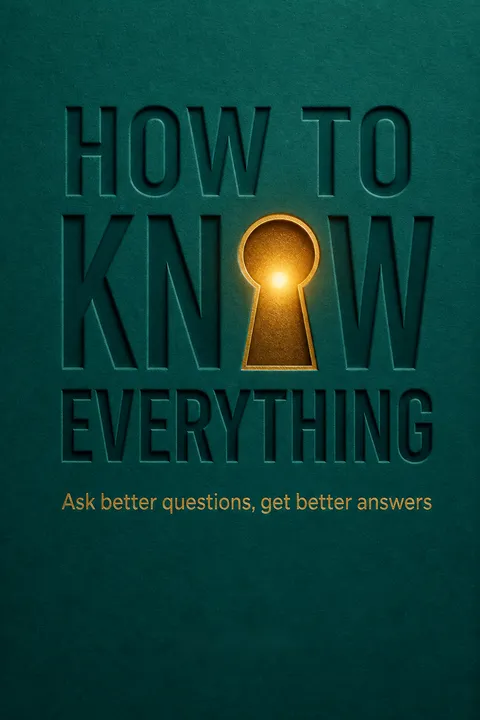
What's "How to Know Everything" about?
- Practical Philosophy Focus: The book by Elke Wiss explores practical philosophy, emphasizing the art of asking questions to gain deeper understanding and wisdom.
- Socratic Method: It draws on the Socratic method, encouraging readers to adopt a questioning attitude to explore concepts and beliefs critically.
- Improving Conversations: The book aims to help readers have more meaningful conversations by asking better questions and understanding others more deeply.
- Modern Application: It applies ancient philosophical techniques to modern life, from personal relationships to professional settings.
Why should I read "How to Know Everything"?
- Enhance Communication Skills: The book provides tools to improve your questioning and listening skills, leading to more effective communication.
- Personal Growth: It encourages self-reflection and critical thinking, helping you understand your own beliefs and assumptions.
- Conflict Resolution: By learning to ask better questions, you can navigate disagreements and conflicts more constructively.
- Broaden Perspectives: The book helps you explore different viewpoints, fostering empathy and understanding in diverse interactions.
What are the key takeaways of "How to Know Everything"?
- Socratic Attitude: Embrace a mindset of curiosity and not-knowing to ask meaningful questions.
- Listening Skills: Develop the ability to listen purely and attentively, focusing on the other person's story.
- Questioning Techniques: Learn to use upward and downward questioning to explore both abstract concepts and concrete examples.
- Empathic Neutrality: Practice maintaining a neutral stance to ask critical questions without being swayed by emotions.
How does Elke Wiss define a "good question"?
- Invitation to Think: A good question invites the other person to think, explain, and explore their ideas.
- Open and Curious: It is born of an open, curious attitude and remains focused on the other person's story.
- Leads to Insight: A good question leads to clarification, new insights, or a new perspective for the recipient.
- Non-Judgmental: It is not intended to give advice, impose a point of view, or leave the other person feeling judged.
What is the Socratic attitude according to "How to Know Everything"?
- Embrace Wonder: Approach situations with a sense of wonder, questioning what seems self-evident.
- Curiosity and Courage: Cultivate genuine curiosity and the courage to ask difficult questions.
- Judgment Awareness: Be aware of your judgments and learn to step back from them to explore other perspectives.
- Not-Knowing Acceptance: Accept and even embrace not-knowing as a starting point for deeper inquiry.
How can I apply the Socratic method in everyday life?
- Ask Permission: Before diving into deep questions, ask if the other person is open to exploring the topic.
- Slow Down: Take your time to think and ask questions, allowing for a more thoughtful conversation.
- Focus on Listening: Listen attentively to the other person's words and body language to understand their perspective.
- Use Upward and Downward Questions: Start with concrete examples and move to abstract concepts to explore ideas thoroughly.
What are some common pitfalls in asking questions?
- Leading Questions: Avoid questions that suggest a particular answer or impose your own views.
- Cocktail Questions: Steer clear of asking multiple questions at once, which can confuse the conversation.
- Vague Questions: Ensure your questions are clear and specific to avoid ambiguity.
- Empathy Overload: Be cautious of letting empathy cloud your ability to ask critical questions.
How does "How to Know Everything" suggest handling difficult conversations?
- Empathic Neutrality: Maintain a neutral stance to ask questions that challenge without causing defensiveness.
- Confrontation with Care: Use questions to confront inconsistencies or unclear statements gently and constructively.
- Explore Opposing Views: Encourage the other person to consider alternative perspectives to broaden the discussion.
- Tolerate Frustration: Accept that frustration is part of the process and can lead to deeper understanding.
What are the best quotes from "How to Know Everything" and what do they mean?
- "Philosophy begins in wonder." This quote emphasizes the importance of approaching life with curiosity and openness to new ideas.
- "I know that I know nothing." A reminder to embrace not-knowing as a path to true knowledge and understanding.
- "A question is an invitation." Highlights the role of questions in inviting others to think and explore their beliefs.
- "Take the time it takes, so it takes less time." Encourages slowing down to achieve more meaningful and efficient conversations.
How does "How to Know Everything" address the fear of asking questions?
- Acknowledge Fear: Recognize that fear of discomfort or conflict can prevent us from asking important questions.
- Build Courage: Develop the courage to ask questions that may challenge or unsettle, knowing they can lead to growth.
- Create Safe Spaces: Establish conditions where both parties feel comfortable exploring difficult topics.
- Practice Empathy: Understand the other person's perspective to ask questions that are considerate and constructive.
How can I improve my listening skills as suggested in "How to Know Everything"?
- Focus on the Other Person: Listen with the intention of understanding their perspective, not just waiting for your turn to speak.
- Surface Listening: Pay attention to the language and structure of what is being said, not just the content.
- Observe Body Language: Notice non-verbal cues to gain deeper insight into the other person's feelings and thoughts.
- Practice Active Mindfulness: Stay present in the conversation, avoiding distractions and assumptions.
What is the role of empathy in asking questions according to "How to Know Everything"?
- Empathic Neutrality: Temporarily set aside empathy to maintain objectivity and ask critical questions.
- Non-Empathetic Compassion: Focus on understanding and helping without becoming emotionally entangled.
- Balance Empathy and Inquiry: Use empathy to connect, but ensure it doesn't hinder your ability to ask meaningful questions.
- Shelve Empathy When Necessary: Recognize when empathy might cloud judgment and choose to ask questions that challenge.
Descargar PDF
Descargar EPUB
.epub digital book format is ideal for reading ebooks on phones, tablets, and e-readers.








































