Ideas clave
1. Crea un espacio sagrado para tu práctica del Tarot
El lugar donde realizas tus lecturas de Tarot es fundamental tanto para ti como para quien consulta.
Prepara el escenario para la revelación. Crear un espacio sagrado para tu práctica del Tarot va más allá de la simple disposición física. Implica también una preparación mental, emocional y espiritual. Libera tu mente de distracciones, suelta cualquier carga emocional y establece una intención positiva para la lectura. Este enfoque integral te ayuda a conectar más profundamente con las cartas y con tu intuición.
Ten en cuenta estos aspectos al crear tu espacio sagrado:
- Físico: elige un lugar tranquilo y cómodo, libre de interrupciones
- Mental: respira profundamente varias veces para centrarte y enfocar la lectura
- Emocional: libera emociones intensas que puedan nublar tu juicio
- Espiritual: establece una intención o pronuncia una breve oración para conectar con tu ser superior
2. Aprende el significado de las cartas del Tarot a través de la intuición y el simbolismo
El Tarot es el libro de nuestra vida, el espejo de nuestra alma y la llave para descubrir nuestra sabiduría interior.
Confía en tu intuición. Aunque los significados tradicionales de las cartas son importantes, desarrollar una conexión personal con ellas es esencial para lecturas significativas. Comienza observando las imágenes de cada carta y anotando tus impresiones inmediatas. Presta atención a los símbolos, colores y al ambiente general de la carta. Este enfoque intuitivo te permite acceder a tu subconsciente y obtener revelaciones más profundas.
Para profundizar en el simbolismo del Tarot:
- Lleva un diario de Tarot donde registres tus impresiones e interpretaciones
- Estudia los símbolos comunes en distintas cartas y sus significados
- Practica contar historias con las cartas para dar vida a sus mensajes
- Medita en cartas individuales para descubrir su significado más profundo
3. Domina los cuatro elementos y la numerología en el Tarot
Puedes aplicar la técnica de “Tarot por números” también a las 22 cartas de los Arcanos Mayores.
Descifra la esencia de las cartas. Comprender los cuatro elementos (fuego, agua, aire, tierra) y la numerología básica te brinda una base sólida para interpretar las cartas del Tarot. Cada elemento corresponde a un palo en los Arcanos Menores, mientras que los números tienen sus propios significados simbólicos. Este conocimiento te permite captar rápidamente la energía central de cualquier carta, incluso si no recuerdas su significado específico.
Asociaciones clave para recordar:
- Fuego (Bastos): pasión, energía, inspiración
- Agua (Copas): emociones, intuición, relaciones
- Aire (Espadas): pensamientos, comunicación, intelecto
- Tierra (Oros): mundo material, finanzas, realidad física
- Números 1-10: progresión desde nuevos comienzos hasta la culminación
4. Interpreta las cartas invertidas y las combinaciones de cartas
Leer cartas invertidas abre una nueva dimensión en tus lecturas y te brinda la oportunidad de profundizar aún más en tus percepciones intuitivas.
Amplía tus interpretaciones. Las cartas invertidas y las combinaciones entre ellas aportan profundidad y matices a tus lecturas. Aunque las cartas invertidas pueden señalar energía bloqueada o internalizada, no siempre son negativas. Observa cómo interactúan las cartas para contar una historia más compleja. Este enfoque permite lecturas más dinámicas y reveladoras.
Formas de interpretar cartas invertidas:
- Energía internalizada: la energía de la carta se dirige hacia adentro
- Exceso o carencia de energía: desequilibrio en las cualidades de la carta
- Energía bloqueada: la energía de la carta está obstaculizada
- Imágenes al revés: interpreta los elementos visuales en sentido inverso
5. Formula preguntas poderosas para desbloquear insights más profundos
La calidad de las preguntas en tus lecturas de Tarot está directamente relacionada con obtener respuestas que te ayuden a trazar un camino y manifestar tus metas y sueños.
Plantea consultas que empoderen. La forma en que formulas tus preguntas influye enormemente en las revelaciones que obtienes en una lectura de Tarot. Evita preguntas de sí o no o aquellas que asuman un resultado predeterminado. En cambio, enfócate en preguntas abiertas que exploren posibilidades y te impulsen a actuar.
Consejos para crear preguntas poderosas en el Tarot:
- Comienza con “cómo”, “qué” o “por qué” en lugar de “será” o “debería”
- Enfócate en el crecimiento personal y en insights prácticos
- Evita preguntas sobre terceros o que invadan la privacidad ajena
- Reformula preguntas predictivas para explorar posibles resultados e influencias
6. Elige la tirada de Tarot adecuada para tu lectura
La clave está en asegurarte de escoger una tirada o disposición que esté alineada con tu pregunta y que te brinde la claridad que necesitas.
Adecúa la tirada al propósito. Seleccionar una tirada apropiada mejora la relevancia y claridad de la lectura. Considera la naturaleza de tu pregunta y el nivel de detalle que buscas. Las tiradas simples suelen ser suficientes para consultas directas, mientras que las disposiciones más complejas ofrecen perspectivas más profundas en situaciones multifacéticas.
Tiradas populares y sus usos:
- Tirada de tres cartas: insights rápidos sobre pasado, presente y futuro
- Cruz Celta: visión completa de una situación desde múltiples ángulos
- Tirada de relaciones: explora la dinámica entre dos personas
- Tiradas personalizadas: crea disposiciones adaptadas a preguntas o situaciones específicas
7. Desarrolla tus habilidades para leer el Tarot para ti y para otros
Leer el Tarot para ti mismo puede ser increíblemente poderoso y revelador si lo haces correctamente.
Practica con intención. Leer para ti y para otros requiere enfoques y consideraciones distintas. Al leer para ti, mantén la objetividad y evita interpretar las cartas según lo que deseas escuchar. Al leer para otros, crea un ambiente seguro y de apoyo, formula preguntas aclaratorias y enfócate en empoderar al consultante.
Consejos para lecturas efectivas:
- Establece límites y expectativas claras antes de la lectura
- Mantente neutral y evita proyectar tus propios prejuicios
- Fomenta el diálogo y la participación del consultante
- Ofrece consejos prácticos y anima al consultante a tomar sus propias decisiones
8. Reflexiona sobre tus lecturas y busca retroalimentación constructiva
La retroalimentación de una fuente confiable es un elemento esencial en cualquier proceso de crecimiento.
Abraza la mejora continua. Reflexionar sobre tus lecturas y solicitar retroalimentación son pasos clave para desarrollar tus habilidades como lector de Tarot. Después de cada lectura, dedica tiempo a escribir en tu diario tus insights, impresiones y desafíos encontrados. Cuando leas para otros, pide su opinión sobre la precisión y utilidad de la lectura.
Estrategias para la reflexión y la retroalimentación:
- Lleva un diario detallado de Tarot para seguir tu progreso y descubrimientos
- Formula preguntas específicas para obtener comentarios concretos
- Haz seguimiento con los consultantes tras un tiempo para evaluar el impacto de la lectura
- Usa la crítica constructiva como oportunidad para crecer y perfeccionar tus habilidades

Preguntas frecuentes
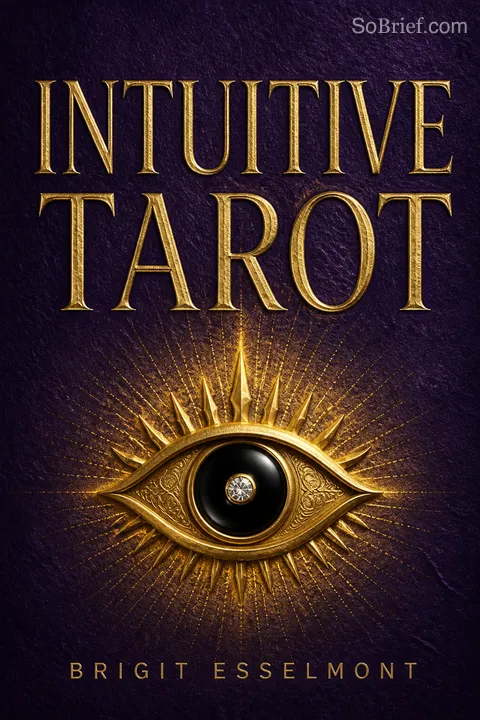
What's "Intuitive Tarot: 31 Days to Learn to Read Tarot Cards and Develop Your Intuition" about?
- Purpose and Structure: The book is a 31-day program designed to teach readers how to read Tarot cards intuitively, rather than relying solely on traditional meanings. It breaks down the learning process into daily lessons and activities.
- Intuitive Approach: It emphasizes reading Tarot from the heart, encouraging readers to connect with their inner wisdom and intuition to interpret the cards.
- Comprehensive Guide: The book covers everything from choosing a Tarot deck to understanding the meanings of the Major and Minor Arcana, and how to conduct readings for oneself and others.
- Community and Support: Readers are invited to join the Biddy Tarot Community for additional resources and practice opportunities.
Why should I read "Intuitive Tarot" by Brigit Esselmont?
- Develop Intuition: The book focuses on developing your intuition, which is a valuable skill not only for Tarot reading but for personal growth and decision-making.
- Structured Learning: With a clear 31-day plan, it provides a structured approach to learning Tarot, making it accessible for beginners and those looking to deepen their practice.
- Practical Exercises: Each day includes practical exercises that allow you to apply what you've learned immediately, reinforcing your skills and understanding.
- Community Access: The book offers access to a supportive community where you can practice readings and learn from others, enhancing your learning experience.
What are the key takeaways of "Intuitive Tarot"?
- Intuition Over Memorization: The book emphasizes the importance of intuition in Tarot reading, encouraging readers to trust their inner voice over rote memorization of card meanings.
- Daily Practice: Consistent practice is key to mastering Tarot, and the book provides daily exercises to build your skills gradually.
- Personal Connection: Developing a personal connection with your Tarot deck and the cards is crucial for accurate and meaningful readings.
- Empowerment Through Tarot: The book teaches readers how to use Tarot as a tool for personal empowerment, helping them make informed decisions and understand their life's path.
How does Brigit Esselmont suggest choosing a Tarot deck?
- Intuitive Connection: Esselmont advises choosing a deck that you feel a personal and intuitive connection with, as this will enhance your reading experience.
- Imagery and Artwork: Consider the imagery and artwork of the deck, ensuring it resonates with you and is easy to interpret.
- Experience Level: Beginners might start with a deck like the Rider Waite, known for its straightforward imagery, but it's important to choose what feels right for you.
- Quality and Durability: Opt for a high-quality deck that will withstand frequent use, avoiding cheaper reproductions that may not last.
What is the "Card a Day" exercise in "Intuitive Tarot"?
- Daily Practice: The "Card a Day" exercise involves drawing one Tarot card each day to deepen your understanding of its meaning and symbolism.
- Reflective Journaling: Readers are encouraged to journal their insights and experiences related to the card throughout the day, fostering a personal connection with the Tarot.
- Intuitive Development: This exercise helps develop intuition by encouraging readers to notice how the card's energy manifests in their daily life.
- Long-term Growth: Over time, this practice builds a comprehensive understanding of the Tarot deck, card by card.
How does "Intuitive Tarot" explain the Major Arcana?
- Life Lessons: The Major Arcana cards represent significant life lessons and archetypal themes that influence one's spiritual journey.
- The Fool's Journey: The book describes the Fool's Journey, a narrative that illustrates the progression through the Major Arcana, highlighting the lessons learned at each stage.
- Archetypal Symbols: Each card is associated with universal archetypes, offering insights into the human experience and personal growth.
- Integration with Minor Arcana: The Major Arcana cards set the scene for a reading, with the Minor Arcana providing context and details about daily life.
What are the four elements in the Minor Arcana according to "Intuitive Tarot"?
- Water (Cups): Represents emotions, intuition, and relationships, often appearing in readings about personal connections and feelings.
- Fire (Wands): Symbolizes energy, passion, and inspiration, linked to life purpose and new ideas.
- Earth (Pentacles): Relates to material wealth, career, and finances, focusing on the physical and practical aspects of life.
- Air (Swords): Associated with thoughts, communication, and actions, often appearing in readings about decision-making and asserting power.
How does Brigit Esselmont suggest interpreting reversed Tarot cards?
- Internalized Energy: Reversed cards may indicate energy that is internalized or not fully expressed, focusing on personal reflection.
- Imbalance: They can also suggest an imbalance, where there is too much or too little of the card's energy present.
- Blocked Energy: Reversals might point to blocked energy, highlighting areas where progress is hindered or delayed.
- Upside-Down Imagery: Esselmont encourages looking at the imagery of reversed cards for intuitive insights, as the visual perspective can offer new meanings.
What is the "No Spread" spread in "Intuitive Tarot"?
- Flexible Approach: The "No Spread" spread is a dynamic method where cards are drawn one at a time, with each card leading to the next question.
- Intuitive Flow: This approach allows for an intuitive flow of questions and answers, adapting to the reading's direction as it unfolds.
- Exploration and Discovery: It encourages exploration and discovery, making it ideal for readers who prefer less structure and more spontaneity.
- Personalized Readings: The "No Spread" spread is highly personalized, as it evolves based on the reader's intuition and the querent's needs.
How does "Intuitive Tarot" recommend creating a sacred space for readings?
- Physical Environment: Choose a quiet, comfortable space free from distractions, where you can focus on the reading.
- Mental Clarity: Clear your mind of extraneous thoughts and emotions, centering yourself with deep breaths or meditation.
- Emotional Safety: Ensure both you and your client feel safe and supported, fostering an open and trusting environment.
- Spiritual Connection: Set an intention for the reading and invite spiritual guidance, enhancing your connection with the Tarot and your intuition.
What are some powerful questions to ask the Tarot according to "Intuitive Tarot"?
- Open-Ended Questions: Ask questions that begin with "what," "how," or "why" to encourage deeper exploration and insight.
- Empowering Focus: Frame questions that empower you to take action and make informed decisions, rather than seeking definitive answers.
- Personal Responsibility: Focus on questions that emphasize personal responsibility and growth, such as "What can I do to improve my situation?"
- Clarity and Specificity: Ensure questions are clear and specific, allowing for focused and meaningful readings.
What are the best quotes from "Intuitive Tarot" and what do they mean?
- "Learn to read Tarot cards from your heart, not the book." This quote emphasizes the importance of intuition and personal connection in Tarot reading, encouraging readers to trust their inner wisdom.
- "The best way to predict your future is to create it." This highlights the empowering nature of Tarot, focusing on how individuals can shape their destiny through informed choices and actions.
- "Your intuition tells you what you need to hear, not what you want to hear." It underscores the role of intuition in providing honest and sometimes challenging insights that lead to personal growth.
- "The Tarot reflects back to us what we already know within ourselves, our inner wisdom." This quote speaks to the idea that Tarot is a tool for accessing and understanding one's subconscious knowledge and truths.
Descargar PDF
Descargar EPUB
.epub digital book format is ideal for reading ebooks on phones, tablets, and e-readers.








































