
Resumen de la trama
Ashes and Absence
Adelaida Falcón, newly orphaned and alone in Caracas, buries her mother in a ravaged city where even death is commodified. The apartment, once a sanctuary, now feels alien. Through Adelaida's perspective, the profound loss is not merely personal—her mother's absence is a metaphor for a Venezuela unmoored from stability, mercy, and the past. The story's opening is suffused with exhaustion, the pain of losing not only a parent but also the last meaningful anchor to a vanishing way of life. Adelaida's first challenge is not only grief, but the practical nightmares: organizing a funeral amid chaos, scarcity, and numb bureaucracy. She realizes, as life is reduced to desperate transactions, that the very language to describe the present has died with her mother, reshaping her identity as both daughter and citizen.
A City Devours Itself
The city is not merely setting but protagonist—its decay closing in on Adelaida like a beast. Power outages, food shortages, and crime have reduced daily life to a hunt and retreat: forage, hide, survive. The Falcón family's history—brief visits from distant aunts, poignant memories, the longing for more—contrasts starkly with the city's present, where paranoia distorts even neighborly gestures. The communal narrative of Venezuela is unraveling: friends disappear, neighbors watch each other with suspicion, and old boundaries between private and public life have dissolved. The city's violence is intimate, its fear palpable, the disintegration of society mirrored by Adelaida's spiraling solitude.
The Last Family Meal
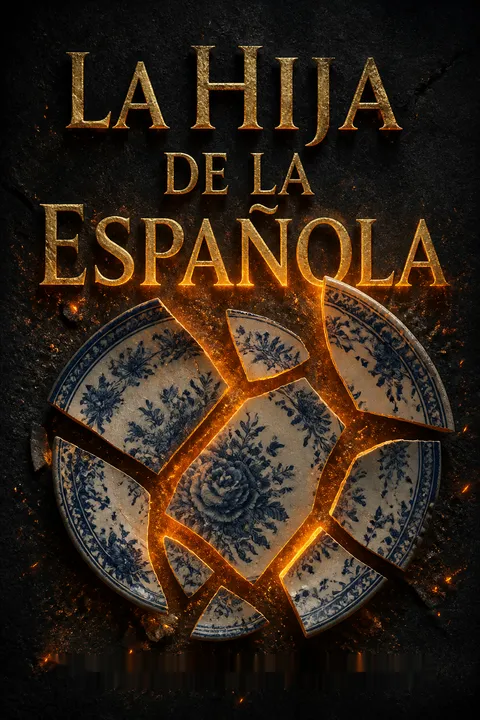
The inheritance of tradition—a favorite blue dress, cherished La Cartuja plates, family recipes—now seems hollow. Food, once a bond across generations, is fraught with scarcity and tension. Adelaida recalls childhood visits, the endless fussing over meals, and the rituals that sustained her mother. Eating off "the plates of dead people" becomes sorrowful symbolism: the lineage of women uprooted by loss and forced perseverance. Cuisine, conversation, and fragile artifacts become acts of resistance against encroaching nothingness. Amid memories of laughter and love, every detail is shadowed by hunger, absence, and the impossibility of truly preserving legacy in a world devouring itself.
Feasts of Loss
Death in Caracas is a public event, stripped of dignity. Whether describing her mother's grave or the grotesque motorized funerals of the city's violent dead, Adelaida is haunted by vulnerability—her own and her mother's. Funerals run the risk of being invaded by thieves or devolve into last, degraded celebrations. The violence outside—the roadblocks, wild processions, young girls forced into obscene rituals atop caskets—invades the sanctity of mourning. The city's unsparing gaze refuses comfort, forcing Adelaida to confront the new reality: safety, rest, and family are illusions easily destroyed. Rituals of grief are replaced by rituals of survival.
Night Burials and Thieves
Adelaida, struggling to reclaim her mother's things before looters arrive, faces the predations of neighbors hungry for space, money, or protection. Sheltering in her own apartment, plotting the next move, she realizes her history and possessions are under threat not only from official violence but from desperate, ordinary people. Even acts of condolence or helpfulness are now veiled attempts at exploitation. The city's suffocating tension demands cunning—survival becomes a private war waged with wits, lies, and shrinking circles of trust.
Neighbors, Predators, Strangers
The thin fabric of community gives way as neighbors become adversaries; the politics of hunger and terror invert empathy. Adelaida's interactions with other building residents—scheming Gloria, dwindling old teachers, nurse María—highlight the corrosive effects of social collapse. Friendships persist in ghostly form, marked by survivor's guilt rather than shared hope. Resources—food, medicine, safe shelter—define relationships more than kindness. The subtle threat of betrayal leaks into every domestic exchange, unraveling bonds that once held the world together.
Currency of Survival
The old currency, bolívares, becomes useless paper—weighty, valueless, a symbol of the nation's surreal collapse. Black-market exchanges, foreign cash smuggled in undergarments, and endless bartering replace normal transactions. The process of paying for funerals, medicine, and daily necessities reveals a deeper violence: the indignity of making grief a negotiation, of hoarding and scavenging for soap, food, or sanitary pads. For Adelaida, every transaction is fraught with risk and the knowledge that scarcity may turn friends into enemies, need into crime.
The Siege Within Walls
As street chaos intensifies—gunfire, blackouts, tear gas—home is no longer refuge. Adelaida barricades herself, tapes windows, avoids contact, rations supplies. The invasion arrives not just from the street but from within: the militia-aligned occupiers who take over her apartment are women as brutal and desperate as men. Their leader, La Mariscala, embodies the new regime—ruthless, vulgar, appropriating even the sacred butterfly blouse belonging to Adelaida's mother. The world turns lawless; home becomes a battleground of terror, humiliation, and powerlessness, leaving Adelaida literally dispossessed.
Hunger's New Regime
With rations controlled by political allegiance, food is weaponized. Women militia loot apartments in exchange for complicity; state-sanctioned gangs terrorize freely. Law, order, and neighbors' rights dissolve before the might of the regime's foot soldiers. Black-market food parcels, government-issued boxes, and mismanagement reinforce the cruelty of a society cannibalizing itself. Adelaida survives by stealth, lies, and bribes—her only assets the meager relics of a dead family and a dead homeland.
Broken Plates, Broken Ties
With her apartment gutted and her mother's cherished possessions—books, clothes, dishes—smashed or stolen, Adelaida faces the emotional climax of dispossession. The desecration of memory becomes personal violence, as La Mariscala taunts, threatens, and assaults her. Humiliation and impotence push Adelaida to her final breaking point; even her dignity is denied as her inheritance turns to trash and broken glass. This episode dramatizes the cruelty of survival when survival demands surrendering everything that once made life meaningful.
The Inheritance of Scarcity
Homeless, bloody, and invisible, Adelaida nurses herself back to consciousness and survival, patched up by her nurse neighbor. The only options left demand ethical compromises: to report the occupiers means trusting a corrupt system; to flee is to face the terrifying unknown. In her desperation, Adelaida stumbles on her dead neighbor Aurora Peralta's apartment and the solution it offers—a new identity. This moment is the pivot of the novel, where self-preservation eclipses scruples, and the terror of rootlessness crystallizes into a plan for escape.
Occupants and Outcasts
Caracas becomes an open-air prison, where state security forcibly "cleanses" dissent and ordinary crime blurs with government crackdown. Witnessing mass arrests, public beatings, and the machinery of terror, Adelaida and Santiago (her friend's brother, a former prisoner and fugitive) are forced into wary alliance. Their trauma narrates a society where everyone is guilty until proven useful—where terror is indiscriminate, and identities interchangeable for the purpose of survival. Their fleeting companionship, marked by hunger, exhaustion, and confession, only underlines the impossibility of trust.
Births and Betrayals
Having killed nobody but complicit in the chain of abandonment, Adelaida enacts the "birth" of her new self: literally disposing of Aurora's body, forging the documents, and preparing for flight. The motif of being "born" again is bitter; it's a self-inflicted caesura demanded by extremity, where betrayal becomes the price of a future. Guilt haunts her, but so does the knowledge that dying anonymous in Caracas equals oblivion. Crossing the line into another's name, Adelaida is both criminal and victim, progenitor and orphan.
Friends, Ghosts, and Silence
The long bond between Adelaida and Ana is rendered impossible by the totalitarian logic of survival. Ana's brother vanishes or is executed after aiding Adelaida; their final contact is failure and silence. Other survivors (her former lover, her friends) are likewise lost, dead, or absent. The city is haunted by ghosts—real and psychological—and communication is fractured by trauma and state censorship. Deep down, survival for one means the abandonment of all, a fundamental loneliness radiating from every remembered face.
A Dance of Names
Passing herself off as Aurora, Adelaida navigates the labyrinth of bureaucratic, legal, and interpersonal identity. The details needed—birth certificates, passwords, family history—are scrutinized as keenly as the country's shifting official narratives. Every interaction is a test: can she survive as someone else? Does she deserve the legitimacy conferred by new documents and a foreign passport? The adoption of Aurora's story is at once liberation and erasure, a meditation on what must be destroyed in oneself to survive apocalypse.
Lines in the Sand
The airport, the passport official, the shakedown—each step dramatizes a final violation. Adelaida's passage is sanctioned only through corruption, loss, and compelled self-abasement. As she flies over the Atlantic, she reflects not only on survival but on complicity; not only on escape but on abandonment. The wounds of the city are inscribed in her memories, her body, her very documents. She lands in Madrid "reborn," her old self left dying in Caracas, and must live with the knowledge that her rebirth is also a theft, an act of dispossession performed in order to live.
Becoming Aurora
In Madrid, surrounded by new family and new cues, Adelaida becomes Aurora Peralta in earnest. The performance is fraught with terror and liberation—can she convince anyone, even herself, that she deserves this new life? The process requires suppressing grief and memory; her skills honed in crisis now serve her as she navigates and adapts. The novel ends without triumph: trauma and loss shadow every moment, but the mere act of surviving is rendered as a hard-won, precarious victory.
Across the Ocean, Across the Self
The closing chapter renders collective trauma through Adelaida's personal lens: every refugee, every exile, is reborn through violence and rupture. The ocean crossing, heavy with metaphor, is both escape and sacrifice; Adelaida's "winning" brings no justice, only a chance at a different struggle. The pain of forced transformation is omnipresent—she has saved herself, but the cost is incalculable, the meaning ambiguous. Night has followed her across the sea; her story is both ending and the beginning of endless self-invention.
Analysis
A portrait of survival amidst social unravelingIt Would Be Night in Caracas is at once a gripping personal tale and a razor-sharp diagnosis of life under political and economic collapse. Through Adelaida's voice—at once shell-shocked, lyrical, and ruthlessly honest—Karina Sainz Borgo explores not just the dissolution of families and homes, but the ways trauma reshuffles identity and morality. Society's breakdown renders everyone both potential betrayer and victim; hunger and terror transform acts of compassion into liabilities, and the painstaking work of memory into the scaffolding of identity theft. The narrative refuses easy heroism: Adelaida is both pitiful and unflinching, her escape dependent on acts that reek of guilt and resourcefulness in equal measure. The novel's structure, rich with recursive memories and lyrical asides, compels readers to grapple with what it means to belong when the homeland is no longer home, when words and names are stripped of power, when survival requires the violence of reinvention. In a time of global turmoil and mass displacement, this work's emotional urgency and moral ambiguity offer a resonant, if unsparing, meditation on what is lost and what can be salvaged from irretrievable ruin.
Resumen de reseñas
Reviews of It Would Be Night in Caracas are polarized. Many praise its harrowing portrayal of life under Venezuela's authoritarian regime, highlighting themes of survival, identity, and grief. The novel's depiction of violence, corruption, and political chaos resonates deeply with readers familiar with the crisis. Critics, however, find the plot underdeveloped, the flashbacks disorganized, and the narrative overly convenient. Some dismiss it as opportunistic propaganda, while others consider it essential, timely literature that humanizes Venezuela's collapse and brings global awareness to an underreported humanitarian crisis.
Characters
Adelaida Falcón / Aurora Peralta
Adelaida is the textual and emotional core of the novel: a book editor, the last daughter of a dying family, a person shaped by hunger, mourning, and the humiliations necessitated by a failed state. Her psychoanalysis moves from mourning (her mother, her lover, her home) to desperate pragmatism—eventually crossing the line from victim to self-reinvention as Aurora Peralta. Ambivalence defines her: her empathy is wrecked by trauma as she does what is necessary to live. In assuming Aurora's identity, she is reborn, but at the price of identity theft, survivor's guilt, and profound psychological fragmentation. The shifting boundaries between memory, inheritance, betrayal, and hope are mapped through her consciousness.
Adelaida's Mother (Adelaida Falcón, Sr.)
The stoic, resourceful mother, whose death initiates the narrative, represents both personal and social inheritance. A teacher and pragmatic matriarch, she embodies the vanishing middle class, the struggling intellect, and the warmth and structure of domestic tradition. Her absence propels Adelaida's spiraling sense of rootlessness. Through memory and absence she shapes her daughter's emotional world and sense of loss, as well as the traditions (both nurturing and limiting) that Adelaida tries to save—even as they are destroyed.
Ana
Ana, Adelaida's closest friend, is a parallel figure: a literature professional suffering her own family trauma. Her brother's arrest and disappearance mark the spread of state violence deep into the private sphere. Ana's relationship with Adelaida is both a lifeline and a reflection of their helplessness under totalitarian conditions. Survivor's guilt, mutual fear, and the limitations of friendship in a predatory society shape their interactions, capturing the broad loneliness that marks the narrative.
Santiago
Ana's brother and a former economics student, Santiago is emblematic of the young, hopeful generation destroyed by the regime. Arrested, tortured, and transformed by survival within the revolutionary militias, he is both victim and complicit agent. His trauma is a microcosm of national suffering and moral ambiguity—his final fate (officially labeled as a criminal, actually executed by the state) dramatizes the erasure of truth and justice under dictatorship. His relationship with Adelaida is marked by mutual need, guilt, and ultimate helplessness.
La Mariscala
The infamous leader of the women's militia who invades Adelaida's apartment, La Mariscala represents the regime's corrupted beneficiaries: vicious, greedy, vulgar enforcers who justify brutality as necessary hunger. She wields her authority—through violence, humiliation, and theft—with an almost parodic sense of entitlement, destroying Adelaida's home and dignity. She is both a personal antagonist and a symbol of revolutionary decay, showing how the oppressed often become new oppressors.
Aurora Peralta
Aurora, Adelaida's neighbor, exists mainly as a canvas onto which Adelaida can project a new life. Her blandness, passivity, and familial inheritance (letters, documents, flat identity) contrast with Adelaida's own trauma. Aurora's unnoticed death offers Adelaida an unethical opportunity; the fact that Aurora was, herself, unloved and forgotten deepens the moral ambiguity and tragedy of identity theft.
Clara and Amelia
The aunts, living outside Caracas, represent the fading world of rural Venezuela: tough, quarrelsome, rooted. Through their roles as caretakers and transmitters of tradition—cooking, gardening, surviving—they embody the resilience and limitations of matriarchy. Their absence from the city reflects the disintegration of family connections, and their eccentricities offer fleeting comfort and continuity to Adelaida's desperate, lonely existence.
Gloria
Gloria exemplifies the twisted, morally ambiguous survival strategies forced upon ordinary people. Her invasive solicitousness at the funeral, preoccupation with Adelaida's inheritance, and relentless self-interest illustrate the shift from solidarity to predation in the crisis. She is not villainous, but her instincts, born of scarcity and fear, epitomize the societal corrosion that torments the protagonist.
María
María, a practical neighbor, attempts to heal Adelaida after her eviction and beating—physically stitching her wounds, metaphorically binding her back to the world. She represents the residual community instinct: mothers, neighbors, healers persisting in small acts of kindness amidst engulfing horror. María is a fleeting anchor, her care contrasting with more predatory neighbors.
Francisco
Francisco, Adelaida's past lover, is a journalist murdered for exposing state crimes. His role is largely retrospective, an embodiment of lost intellectual idealism and the personal cost of truth-telling. Their relationship dramatizes the elegy of a past Venezuela, when hope and change still seemed possible and love could still be chosen over survival.
Plot Devices
Grief as Fragmented Narrative
The narrative voice is fragmented by mourning, moving between memory, hallucination, and present-tense confusion. Death is omnipresent; the loss of mother, home, and nation is filtered through a shifting, unreliable lens. Key scenes—funerals, raids, moments of nostalgia—are telescoped through trauma, distorting time and selfhood, mirroring the country's own shattering.
Home as Battleground
Apartments, kitchens, and family relics—once safe—become sites of violation and anguish. The repeated theft, destruction, and invasion of home literalize the loss of sanctuary, as the story moves from interiority to exposure. Recurrent references to plates, recipes, books, and clothing reinforce the slow unmaking of history and safety.
Doubling and Identity Theft
The pivotal plot device is Adelaida's literal assumption of Aurora Peralta's identity—enabled by physical proximity, bureaucratic similarity, and social chaos. The act is both a necessity and a transgression. Doubling structures the narrative: Adelaida becomes someone else to survive, but suffers loss of authenticity and recurring guilt. Names, documents, signatures, memories—all become contested terrain.
Ritual and Memory as Resistance
The narration is repeatedly punctuated by remembered songs, recipes, family sayings, and small daily ceremonies (bathing, eating, reading). These are evoked with both tenderness and bitterness, drawing a sharp contrast between past security and present insecurity. Memory is weaponized against oblivion, but ultimately cannot prevent transformation.
Survivor's Guilt and Psychological Dissonance
Adelaida's driving psychology is a mix of guilt, anger, and the compulsion to keep going. Her confessions are laced with self-reproach: for not saving her mother, for outliving Aurora, for abandoning friends or family. The plot's last third is a series of ethical negotiations—how much self-deception and callousness are needed to survive? The crossing of borders (physical and moral) is shadowed by these questions.
Society as Cannibalistic Machine
The state, the revolution, and everyday people are rendered as intersecting apparatuses of cannibalism—feeding on the weak, erasing the individual, rendering compassion dangerous. Whether via state terror, informant neighbors, or opportunists like La Mariscala, everyone is implicated; violence and trauma have become ambient, unremarkable. The boundary between victim and perpetrator blurs as everyone is forced to choose sides—or choose to survive.
Ocean/Exodus as Rebirth and Curse
The closing motif of crossing the ocean reframes exile as both deliverance and wound. The text dwells on images of oceans, the act of leaving/being reborn: "Only a small difference in sound separates 'leave' from 'live.'" Yet this new life is haunted—being "born" again means cutting off the past, leaving corpses and unquiet ghosts behind. The woman who arrives in Spain is not fully herself: the meaning of survival is left troubled and unresolved.
Descargar PDF
Descargar EPUB
.epub digital book format is ideal for reading ebooks on phones, tablets, and e-readers.








































