Resumen de la trama
Huida a Nueva York
Rya Ricci, una joven de una familia poderosa en Roma, se siente asfixiada por el control de su padre y la amenaza inminente de un matrimonio arreglado con Crue Monti, un hombre que apenas conoce. Desesperada por su libertad, huye a Nueva York en busca de anonimato e independencia. En la bulliciosa ciudad, construye una exitosa carrera como abogada penalista, disfrutando de su recién descubierta autonomía. Sin embargo, la sombra de su pasado persiste, pues sigue cautelosa ante la vida que dejó atrás y el hombre con quien la prometieron.
Arreglos no deseados
Crue Monti, un hombre poderoso y peligroso, está decidido a reclamar a Rya como su esposa, cumpliendo un contrato entre sus familias. A pesar de los intentos de Rya por evadirlo, Crue la localiza en Nueva York, haciendo valer su derecho con una mezcla de encanto y amenaza. Rya se debate entre su deseo de libertad y la atracción innegable que siente hacia Crue. A medida que él se infiltra en su vida, ella lucha por mantener su independencia mientras enfrenta la realidad de su futuro arreglado.
Encuentros peligrosos
La vida de Rya se enreda cada vez más con la de Crue, quien la introduce en su mundo de poder y peligro. Sus encuentros están cargados de tensión y pasión, cada reunión es una batalla de voluntades. La presencia de Crue es a la vez embriagadora y aterradora, demostrando hasta dónde está dispuesto a llegar para asegurarse a Rya como esposa. Ella se ve obligada a navegar las aguas traicioneras de su relación, equilibrando su vida profesional con el caos que Crue trae consigo.
La propuesta inesperada
La determinación de Crue alcanza su punto máximo cuando organiza una propuesta sorpresa, arrastrando a Rya a una capilla con la intención de casarse con ella en contra de su voluntad. Rya, sintiéndose acorralada y traicionada, le dispara a Crue en la pierna para escapar, dejándolo herido y furioso. Este acto de desafío marca un punto de inflexión en su relación, pues Rya se da cuenta de la profundidad de sus sentimientos hacia Crue, a pesar de su resistencia a la idea del matrimonio.
Un juego de poder
Mientras Rya lidia con sus emociones, se adentra más en el mundo de Crue. La dinámica de poder entre ellos cambia cuando Rya comienza a afirmar su propia influencia, desafiando el control de Crue. Su relación se convierte en una compleja danza de atracción y desafío, con ambas partes reacias a rendirse por completo. El éxito profesional de Rya queda opacado por la tormenta personal que enfrenta, cuestionando su futuro y el papel que Crue jugará en él.
La novia reacia
En un giro impactante, Crue anuncia su compromiso con la hermana de Rya, Honey, como medio para cumplir el contrato familiar. Rya queda devastada, dándose cuenta demasiado tarde de la profundidad de sus sentimientos por Crue. El compromiso obliga a Rya a enfrentar sus propios deseos y la realidad de perder a Crue ante su hermana. A medida que se acerca la boda, Rya debe decidir si luchar por el hombre que ama o dejarlo ir.
El dilema de una hermana
Dividida entre la lealtad a su hermana y su propio corazón, Rya enfrenta una elección imposible. Honey, consciente de la tensión entre Rya y Crue, cuestiona su propio papel en el compromiso. La relación entre las hermanas se pone a prueba mientras navegan las complejidades del amor, el deber y las expectativas familiares. La lucha interna de Rya alcanza su clímax al contemplar las consecuencias de sus acciones y el futuro que realmente desea.
El enfrentamiento final
Rya confronta a Crue, exigiendo respuestas y claridad sobre su relación. En un intercambio acalorado, ambos exponen sus emociones, revelando la profundidad de su conexión. Crue admite su amor por Rya, reconociendo hasta dónde ha llegado para conquistarla. Rya, a su vez, confiesa sus propios sentimientos, dándose cuenta de que, a pesar del caos, Crue es el único hombre que realmente la entiende.
Votos letales
Con la verdad al descubierto, Rya y Crue deciden forjar un nuevo camino juntos. Aceptan casarse en sus propios términos, creando una alianza basada en el respeto mutuo y la comprensión. Rya abraza su papel como esposa de Crue, encontrando fuerza en su unión y el poder que ejercen juntos. El viaje de la pareja apenas comienza, mientras enfrentan los desafíos de su nueva vida con determinación y amor.
Un nuevo comienzo
El matrimonio de Rya y Crue marca el inicio de un nuevo capítulo, lleno de promesas y posibilidades. Juntos, enfrentan el mundo como un equipo formidable, listos para superar cualquier obstáculo. El camino de Rya desde novia fugitiva hasta socia poderosa se completa, encontrando su lugar al lado de Crue, unidos por votos letales y un vínculo irrompible.
Personajes
Rya Ricci
Rya es una mujer de voluntad fuerte y decidida, que valora su libertad por encima de todo. Criada en una familia poderosa, escapa a Nueva York para construir una vida bajo sus propios términos. Su viaje es uno de autodescubrimiento, mientras navega las complejidades del amor, el deber y la ambición personal. La relación de Rya con Crue desafía sus creencias y la obliga a enfrentar sus deseos más profundos.
Crue Monti
Crue es una figura poderosa y enigmática, decidido a reclamar a Rya como su esposa. Su persecución implacable está impulsada tanto por el deber familiar como por un afecto genuino. El carácter de Crue es una mezcla de encanto y amenaza, mientras navega la delgada línea entre el amor y el control. Su relación con Rya es una danza tumultuosa de poder y pasión, que revela la profundidad de su devoción.
Honey Ricci
Honey es la hermana menor de Rya, quien se ve involuntariamente envuelta en el drama entre Rya y Crue. Su compromiso con Crue es un catalizador para la autorreflexión y las decisiones de Rya. El personaje de Honey resalta el contraste entre las hermanas, representando el camino tradicional que Rya siempre ha resistido.
Sr. Ricci
El padre de Rya y Honey es una figura imponente, cuya influencia pesa mucho en sus vidas. Su deseo de mantener las tradiciones familiares y asegurar alianzas ventajosas impulsa la narrativa, al orquestar el contrato matrimonial con Crue. El personaje del Sr. Ricci encarna la tensión entre el deber familiar y la libertad personal.
Sra. Monti
Como matriarca de la familia Monti, es una fuerza a tener en cuenta. Sus expectativas sobre el matrimonio de Crue añaden presión a una situación ya compleja. El personaje de la Sra. Monti recuerda los valores y expectativas tradicionales que Rya y Crue deben enfrentar en su relación.
Dawson
Dawson es amigo y aliado de Crue, ofreciendo un espacio para que Crue exprese sus pensamientos y acciones. Su presencia brinda una mirada al mundo de Crue y a las dinámicas de poder y lealtad que lo definen. El personaje de Dawson añade profundidad a la narrativa, resaltando las complejidades de la amistad y la fidelidad.
Angel
Angel es la confidente de Rya y una voz de la razón a lo largo de la historia. Su perspectiva ofrece una visión de las luchas internas de Rya y las decisiones que enfrenta. El personaje de Angel subraya la importancia de la amistad y el apoyo para superar los desafíos de la vida.
Dominic
Dominic es el hermano de Crue, quien proporciona un vínculo familiar y un sistema de apoyo para Crue. Su personaje añade profundidad a la dinámica familiar Monti, destacando los lazos de lealtad y el peso de las expectativas familiares.
Andreas Torrisi
Rival de la familia Monti, Andreas representa las amenazas externas y los desafíos que Rya y Crue deben enfrentar. Su personaje añade tensión y conflicto a la narrativa, sirviendo como catalizador para desarrollos clave de la trama.
Sr. Luca
Sr. Luca es una figura del ámbito profesional de Rya, representando la intersección entre su vida personal y profesional. Su personaje destaca los retos que Rya enfrenta al equilibrar su carrera con las complejidades de su vida personal.
Recursos narrativos
Matrimonio arreglado
El dispositivo central de la trama es el matrimonio arreglado entre Rya y Crue, un contrato entre sus familias para asegurar poder y alianzas. Este recurso impulsa la narrativa, generando tensión y conflicto mientras Rya resiste el arreglo y Crue la persigue sin descanso. El contrato matrimonial simboliza el choque entre la tradición y la libertad personal, obligando a los personajes a enfrentar sus deseos y obligaciones.
Dinámicas de poder
La historia se define por las cambiantes dinámicas de poder entre Rya y Crue. Su relación es un constante tira y afloja, donde ambos personajes afirman su independencia y control. Este recurso añade profundidad a sus interacciones, resaltando las complejidades del amor, el deseo y el dominio. La lucha por el poder entre ellos es un tema central que impulsa la narrativa y el desarrollo de los personajes.
Expectativas familiares
Las expectativas de sus familias pesan mucho sobre Rya y Crue, influyendo en sus decisiones y acciones. Este recurso subraya la tensión entre los deseos personales y el deber familiar, mientras ambos navegan las presiones de sus respectivas familias. El peso de la tradición es una presencia constante que moldea la narrativa y las elecciones de los personajes.
Amor prohibido
La naturaleza prohibida de la relación entre Rya y Crue añade un elemento de peligro y emoción a la historia. Su atracción es a la vez embriagadora y arriesgada, mientras exploran los límites de su matrimonio arreglado y sus deseos personales. Este recurso eleva la tensión, creando conflicto mientras luchan con sus sentimientos mutuos.
Análisis
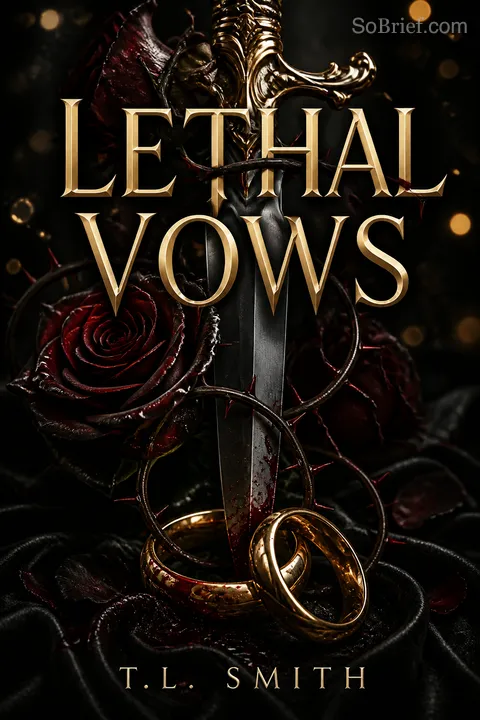
"Votos Letales" profundiza en las complejidades del amor, el poder y la libertad personal en un contexto contemporáneo. La historia desafía las nociones tradicionales de matrimonio y deber, presentando una exploración matizada de los deseos y motivaciones de los personajes. El viaje de Rya desde novia fugitiva hasta socia poderosa destaca la tensión entre independencia y conexión, mientras enfrenta los retos de su relación con Crue. La narrativa plantea preguntas sobre la naturaleza del amor y los sacrificios necesarios para alcanzar la verdadera libertad. A través de sus personajes dinámicos y trama intrincada, "Votos Letales" ofrece un examen fascinante de la interacción entre el amor, las dinámicas de poder y la agencia personal.
Preguntas frecuentes
Synopsis & Basic Details
What is Lethal Vows about?
- A runaway bride's past catches up: Rya Ricci fled her powerful Italian family and an arranged marriage at sixteen, building an independent life as a criminal lawyer in New York, only for the man she was promised to, the dangerous Crue Monti, to find her on her thirtieth birthday.
- A relentless pursuit of a contracted bride: Crue Monti, a ruthless figure in the organized crime world, is determined to claim Rya as his wife to fulfill a long-standing family contract, pursuing her across continents with a mix of charm, menace, and undeniable power.
- A battle of wills and unexpected attraction: Their story unfolds as a high-stakes game of push-and-pull, where Rya fiercely resists Crue's control and the life she escaped, while grappling with a potent, forbidden love that complicates her fight for freedom and independence.
Why should I read Lethal Vows?
- Intense power dynamics and dark romance: The novel offers a gripping exploration of control, defiance, and obsession within a dark romance framework, featuring a dominant hero and a fiercely independent heroine locked in a compelling battle of wills.
- Subversion of arranged marriage tropes: It takes the traditional arranged marriage plot and injects it with modern sensibilities, exploring themes of female agency, consent, and redefining tradition on one's own terms amidst a dangerous criminal underworld.
- Psychological depth and high-stakes conflict: Beyond the romance, the story delves into the characters' complex pasts and motivations, set against a backdrop of mafia politics, violence, and unexpected twists that keep the reader engaged.
What is the background of Lethal Vows?
- Rooted in Italian organized crime tradition: The core conflict stems from a long-standing arranged marriage contract between two powerful Italian families, the Ricci and the Monti, highlighting the weight of tradition, alliances, and duty within this world.
- Contrast between Old World duty and New World freedom: The narrative is geographically split between the restrictive, tradition-bound environment of Rome/Italy, which Rya escaped, and the perceived freedom and independence of New York City, where she built her life.
- Modern professional life clashes with inherited obligations: Rya's successful career as a criminal defense lawyer in contemporary New York stands in stark contrast to the predetermined role expected of her by her family and Crue, creating thematic tension around self-made identity versus inherited legacy.
What are the most memorable quotes in Lethal Vows?
- "Tell me, darling, does your significant other know about me yet?": This opening line, presented as a "Sincerely, Your Book Boyfriend" note, immediately establishes Crue's possessive nature and the disruptive intrusion he represents in Rya's life, setting a tone of dark anticipation.
- "If I'm not married by thirty-four, I will come find you, princess.": Crue's declaration to sixteen-year-old Rya foreshadows his relentless pursuit and the specific deadline driving his actions, highlighting his long-held intention and the predetermined nature of their connection.
- "You are mine! In every sense of the word.": Crue's assertion after killing Andrew encapsulates his absolute possessiveness and belief in his claim over Rya, demonstrating the extreme lengths he will go to enforce his ownership and eliminate perceived rivals.
What writing style, narrative choices, and literary techniques does T.L. Smith use?
- Alternating First-Person POV: The story is told through the alternating perspectives of Rya and Crue, allowing readers direct access to their contrasting thoughts, motivations, and emotional states, intensifying the push-and-pull dynamic.
- Direct and often blunt dialogue: Characters, particularly Crue and Rya, engage in sharp, confrontational dialogue that reflects their strong wills and the power struggle between them, often laced with double meanings and veiled threats.
- Focus on internal monologue and physical reactions: The narrative frequently delves into the characters' internal thoughts and physical responses (e.g., Rya's trembling, Crue's hardening), emphasizing the psychological and emotional turmoil beneath the surface of their interactions and dialogue.
Hidden Details & Subtle Connections
What are some minor details that add significant meaning?
- Rya's childhood bodyguard, Marco: Marco's presence and subtle reactions (shaking his head but smirking at Honey, glaring at the wine) in the opening scene hint at the constant surveillance and controlled environment Rya grew up in, foreshadowing her later discovery that she was always being watched.
- The specific age deadline of thirty-four: Crue mentioning he must be married by thirty-four isn't just a random number; it's a crucial detail tied to the family contract and power transfer, explaining the urgency and timing of his sudden reappearance in Rya's life after years of absence.
- Mr. Luca's seemingly innocent concern: Mr. Luca's increased presence and pointed questions after Brian's death, coupled with his knowledge of Rya's personal life and association with Crue, subtly suggest a deeper level of surveillance or concern from the firm's board, potentially linked to the wider criminal world they operate within.
What are some subtle foreshadowing and callbacks?
- Crue's early observation of Rya's defiance: At sixteen, Crue notes Rya's attitude and her desire for freedom ("You a princess or something?"), foreshadowing the core conflict of their adult relationship where her defiance becomes both a challenge and an attraction for him.
- The recurring motif of Rya's "running": From her initial escape to New York to her fleeing the chapel and later the restaurant, Rya's physical act of running is a consistent callback to her fundamental desire to escape control and predetermined paths, highlighting her struggle for autonomy.
- Crue's comment about Rya's "poisonous lips": After Rya's angry outburst in her office, Crue's comment ("How I've missed those poisonous lips") is a callback to her sharp tongue and defiant attitude, framing her verbal aggression as something he finds desirable rather than off-putting.
What are some unexpected character connections?
- Monica's paid friendship: The revelation that Rya's best friend, Monica, was paid by Rya's father to watch over her is a significant and unexpected connection that shatters Rya's perception of her independent life and highlights the pervasive nature of her father's control.
- Dawson's role as Crue's confidant and business partner: Dawson, initially introduced as an escort and later revealed to own lingerie chains, serves as Crue's friend and provides surprising insights into Crue's character and motivations, showing a different facet of the ruthless boss.
- Rya's mother's unexpected visit and bluntness: Rya's mother's sudden appearance and surprisingly candid conversation about her own life choices and Rya's relationship with Crue offer an unexpected moment of connection and insight into Rya's upbringing and her mother's complex character.
Who are the most significant supporting characters?
- Angel: Rya's best friend and later Crue's sister-in-law, Angel serves as a crucial link between Rya's past and present, offering emotional support, revealing hidden truths (Monica, Brian's dirt), and providing a contrasting perspective on life within the criminal world.
- Dawson: Crue's friend and business associate, Dawson offers an external perspective on Crue's obsession with Rya, provides moments of levity, and acts as a catalyst in certain plot points (the auction, the engagement party), highlighting the complexities of loyalty and observation in their world.
- Dominic: Crue's brother and Angel's husband, Dominic represents Crue's closest familial tie and often serves as a voice of caution or concern regarding Crue's ruthless methods and his pursuit of Rya, showcasing the internal dynamics within the Monti family.
Psychological, Emotional, & Relational Analysis
What are some unspoken motivations of the characters?
- Crue's need for control stems from trauma: While Crue explicitly states his need for power and obedience, his backstory reveals a deeper, unspoken motivation: a desire for absolute control as a reaction to his father's cruelty and betrayal, ensuring he is never vulnerable or undermined as his father was.
- Rya's defiance masks a fear of vulnerability: Rya's fierce independence and refusal to be controlled are overt motivations, but her consistent "running" and difficulty forming deep connections (even with Monica) hint at an unspoken fear of vulnerability and losing herself in a relationship, particularly with a dominant man like Crue.
- Honey's acceptance of the arranged marriage: Honey's seemingly sudden acceptance of marrying Crue, despite knowing Rya's history with him, is driven by unspoken motivations related to upholding family duty, seeking approval (especially from her father), and perhaps a desire for the power and status the marriage offers, as hinted in her conversation with Rya.
What psychological complexities do the characters exhibit?
- Crue's desensitization and capacity for cruelty: Crue exhibits psychological complexities stemming from his upbringing, including a chilling desensitization to violence (killing Brian, Andrew, the hitman) and a capacity for calculated cruelty (using Honey, threatening Rya's father), contrasted with moments of intense possessiveness and a twisted form of affection towards Rya.
- Rya's compartmentalization and adaptation: Rya demonstrates psychological complexity through her ability to compartmentalize her life – maintaining a highly successful, ruthless professional persona while grappling with personal chaos and a disturbing attraction to a killer, showing her adaptation to the violent world she tried to escape.
- The Monti family's normalization of violence and control: The Monti family members, including Dominic and Crue's mother, exhibit a psychological complexity where extreme violence and control are normalized aspects of their lives and business, influencing their expectations and reactions to Crue's actions and relationships.
What are the major emotional turning points?
- The birthday party shooting: Crue's violent act at Rya's party is a major emotional turning point, shattering Rya's sense of safety in New York and forcing her to confront the inescapable reality of Crue's world and his presence in her life.
- Andrew's death: Crue killing Andrew, Rya's date, is a brutal emotional turning point that highlights the deadly consequences of defying Crue and forces Rya to grapple with the terrifying extent of his possessiveness and the danger she brings to others.
- The chapel confrontation: Rya shooting Crue in the leg at the chapel is a pivotal emotional climax, representing her ultimate act of defiance against forced control and triggering a cascade of events that forces both characters to confront the depth of their feelings and the impossibility of their current dynamic.
How do relationship dynamics evolve?
- Rya and Crue: From avoidance to obsessive push-and-pull: Their dynamic evolves from Rya's initial escape and Crue's distant observation to a volatile, obsessive push-and-pull defined by power struggles, defiance, unexpected sexual chemistry, and moments of vulnerability that blur the lines between hate and desire.
- Rya and Angel: From distant friends to renewed confidantes: Their relationship evolves from a long-distance friendship maintained through superficial contact to a renewed, deeper connection where they share truths about their lives, families, and Crue, highlighting the enduring bond despite years apart and Angel's entanglement with the Montis.
- Crue and his family: Strained loyalty and defiance: Crue's relationships with Dominic, Angel, and his mother are marked by strained loyalty, particularly as his actions become increasingly focused on Rya and deviate from traditional expectations, revealing underlying tensions and moments of defiance even within his controlled family structure.
Interpretation & Debate
Which parts of the story remain ambiguous or open-ended?
- The full extent of Rya's father's knowledge and involvement: While it's revealed he had Rya watched and agreed to the contract, the depth of his current involvement in Crue's plans or his true feelings about Rya's defiance versus her safety remain somewhat ambiguous.
- The long-term implications of Rya's new contract: The ending establishes a new dynamic based on Rya's terms, but the practical, long-term implications of her maintaining her independence, career, and boundaries while married to a powerful, possessive mafia boss remain open-ended and ripe for future conflict.
- The true nature of Crue's "love": While Crue eventually uses the word "love," the narrative leaves room for debate on whether his intense feelings are truly love, a deep-seated obsession, or a complex mix of both, given his history and definition of relationships.
What are some debatable, controversial scenes or moments in Lethal Vows?
- Crue's killing of Andrew: The scene where Crue kills Andrew, Rya's date, is highly debatable due to its extreme violence and possessiveness, raising questions about consent, control, and whether Crue's actions are justifiable within the context of his character and the genre.
- The power dynamics during sexual encounters: The sexual scenes often feature intense power dynamics, including moments of non-consensual elements (e.g., Crue tying Rya up, forcing her to perform), which can be controversial and spark debate among readers regarding the portrayal of consent and dominance in romance.
- Crue's attempt to force the marriage at the chapel: Crue physically dragging Rya to a chapel to marry her against her will is a highly controversial moment that pushes the boundaries of the dark romance genre and highlights the extreme nature of his control and disregard for Rya's autonomy.
Lethal Vows Ending Explained: How It Ends & What It Means
- The arranged marriage is redefined, not avoided: Rya doesn't escape the arranged marriage entirely; instead, she redefines it on her own terms after Crue calls off the engagement to Honey, demonstrating that her fight for freedom culminates not in escape, but in establishing control within the predetermined structure.
- Rya dictates the terms of the union: The ending is marked by Rya drafting a new contract outlining her conditions for the marriage – including autonomy over her career, residence, and the decision regarding heirs – signifying a shift in power dynamics where she asserts her agency and Crue accepts her terms out of desire.
- Love emerges amidst the chaos: Despite the violence, manipulation, and conflict, the ending reveals that both Rya and Crue have developed genuine feelings for each other ("I love you, Miss Ricci," "I think I love you too"), suggesting that their "lethal vows" are ultimately bound by a complex, hard-won connection forged through their tumultuous journey.