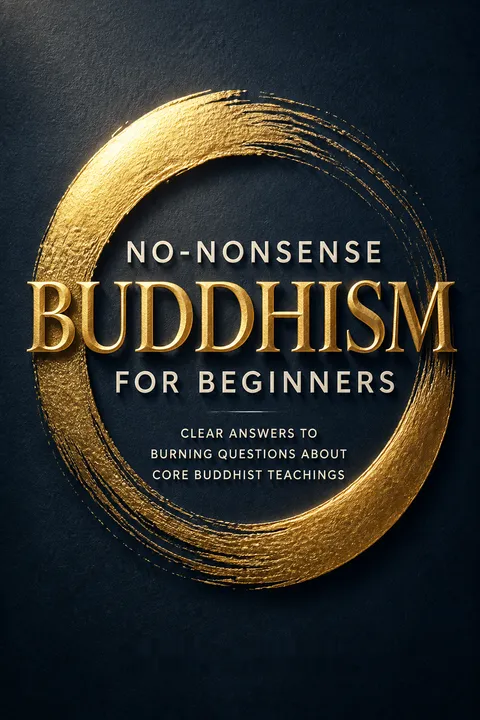
Ideas clave
1. Budismo: Un Camino para Comprender el Sufrimiento y Encontrar la Liberación
El budismo enseña que somos, en esencia, prisioneros de nuestra propia mente, atados a nuestras creencias, percepciones e ideas.
Enseñanzas fundamentales. El budismo, fundado por Siddhartha Gautama (el Buda), es una filosofía y práctica orientada a comprender la naturaleza del sufrimiento y hallar la liberación de él. El Buda enseñó que nuestra percepción de la realidad suele estar distorsionada por nuestras creencias e ideas, lo que genera sufrimiento innecesario.
Conceptos clave:
- Dukkha (sufrimiento): la insatisfacción inherente a la vida
- Anicca (impermanencia): la naturaleza cambiante de todos los fenómenos
- Anatta (no-yo): la ausencia de un yo permanente e inmutable
Enfoque práctico. El budismo invita a los practicantes a mirar hacia adentro, examinar su propia mente y verificar las enseñanzas a través de la experiencia personal. Destaca la importancia de entender la realidad tal como es, y no como la percibimos, para alcanzar la iluminación y poner fin al sufrimiento.
2. Las Cuatro Nobles Verdades: Aceptar la Realidad y Soltar la Reactividad
Cuando una persona común y sin instrucción siente dolor, se entristece, lamenta, se golpea el pecho y se angustia. Así siente dos dolores, físico y mental. Es como si le dispararan una flecha y, justo después, otra más, para que sienta el dolor de dos flechas.
Comprender el sufrimiento. Las Cuatro Nobles Verdades constituyen la base de las enseñanzas budistas, ofreciendo un marco para entender y abordar el sufrimiento:
- La verdad del sufrimiento (dukkha)
- La verdad de la causa del sufrimiento (samudaya)
- La verdad del fin del sufrimiento (nirodha)
- La verdad del camino que conduce al fin del sufrimiento (magga)
Aplicación práctica. Para aplicar estas verdades, se utiliza el método ELSA:
- E: Enfrentar el momento del sufrimiento
- L: Liberarse del patrón reactivo
- S: Saber que la reactividad se detiene
- A: Actuar con habilidad
Al reconocer que el sufrimiento es una experiencia universal y aprender a responder con destreza, podemos reducir el sufrimiento mental innecesario y encontrar mayor paz en nuestra vida.
3. El Noble Óctuple Sendero: Una Guía Práctica para Vivir Éticamente y Desarrollar la Disciplina Mental
El Noble Óctuple Sendero no es un camino que se recorra una sola vez ni en un orden específico.
Marco integral. El Noble Óctuple Sendero ofrece una guía práctica para vivir éticamente y cultivar la disciplina mental. Está compuesto por ocho prácticas interconectadas agrupadas en tres categorías:
-
Sabiduría:
- Visión correcta
- Intención correcta
-
Conducta ética:
- Habla correcta
- Acción correcta
- Medio de vida correcto
-
Disciplina mental:
- Esfuerzo correcto
- Atención plena correcta
- Concentración correcta
Práctica continua. Más que una serie de pasos secuenciales, el Óctuple Sendero es una práctica constante que ayuda a cultivar la conciencia, el comportamiento ético y la claridad mental. Al integrar estas prácticas en la vida diaria, las personas pueden desarrollar una forma más hábil de vivir e interactuar con el mundo.
4. Impermanencia y No-yo: Aceptar el Cambio y la Interconexión
Todo es interdependiente. La idea principal de este concepto es que tendemos a ver las cosas —incluyéndonos, o quizás especialmente a nosotros mismos— como seres individuales.
Aceptar el cambio. La impermanencia (anicca) es un concepto fundamental en el budismo, que enseña que todos los fenómenos están en constante cambio. Reconocer la impermanencia ayuda a reducir el apego y el sufrimiento que provoca aferrarse a condiciones temporales.
Comprender la interconexión. El concepto de no-yo (anatta) desafía la idea de un yo fijo y permanente. En cambio, plantea que lo que percibimos como “yo” es un conjunto de procesos físicos y mentales en constante cambio, profundamente interconectados con el mundo que nos rodea.
Aspectos clave del no-yo:
- Cinco agregados (skandhas): forma, sensación, percepción, formaciones mentales y conciencia
- Seis bases sensoriales: ojos, oídos, nariz, lengua, cuerpo y mente
Al entender estos conceptos, podemos adoptar una actitud más flexible y adaptable ante la vida, disminuyendo el sufrimiento causado por la identificación rígida con el yo y la resistencia al cambio.
5. Atención Plena y Meditación: Cultivar la Conciencia en la Vida Cotidiana
La atención plena da origen y nutre la felicidad.
Cultivar la conciencia. La atención plena es la práctica de prestar atención al momento presente sin juzgar. Nos ancla en la realidad y puede conducir a una mayor satisfacción y alegría en las experiencias diarias.
Técnicas de meditación. Aunque existen muchas formas de meditación en el budismo, la meditación de atención plena es una práctica común y accesible:
- Concentrarse en la respiración
- Observar pensamientos y sensaciones sin juzgar
- Volver suavemente la atención a la respiración cuando la mente se distrae
Aplicación cotidiana. La atención plena puede practicarse más allá de las sesiones formales de meditación:
- Durante actividades diarias (por ejemplo, lavar los platos, caminar)
- En las interacciones con otros
- Al experimentar emociones o sensaciones físicas
Al cultivar la atención plena, desarrollamos mayor claridad, reducimos la reactividad y encontramos más alegría en los momentos ordinarios.
6. Los Cinco Preceptos: Guías Éticas para una Vida en Armonía
Hay paz y alegría en vivir una vida sin remordimientos.
Marco ético. Los Cinco Preceptos ofrecen pautas para vivir éticamente en el budismo:
- Abstenerse de quitar la vida
- Abstenerse de tomar lo que no se da
- Abstenerse de conductas sexuales inapropiadas
- Abstenerse de hablar incorrectamente
- Abstenerse de intoxicantes que nublan la mente
Interpretación flexible. Estos preceptos no son mandamientos rígidos, sino recomendaciones para vivir en armonía. Su interpretación y aplicación pueden variar según las tradiciones budistas y los practicantes individuales.
Intención y consecuencias. Al considerar estos preceptos, es importante examinar:
- La motivación detrás de las acciones
- Las posibles consecuencias para uno mismo y para otros
- El contexto y las circunstancias de cada situación
Reflexionando sobre estas pautas y sus principios subyacentes, podemos cultivar una mayor conciencia de nuestras acciones y su impacto en nosotros y en los demás.
7. El Budismo en la Práctica: Aplicar la Sabiduría Ancestral a la Vida Moderna
No intentes usar lo que aprendes del budismo para ser budista; úsalo para ser mejor en lo que ya eres.
Aplicación flexible. El budismo ofrece un conjunto de prácticas y enseñanzas que pueden aplicarse a diversos aspectos de la vida moderna, sin importar la religión o cultura de cada quien. Su énfasis en la autorreflexión, la vida ética y la disciplina mental puede complementar y enriquecer otros sistemas de creencias y estilos de vida.
Integración práctica:
- Atención plena en las actividades diarias
- Toma de decisiones éticas en la vida personal y profesional
- Cultivar la compasión y la empatía en las relaciones
- Desarrollar mayor autoconciencia y regulación emocional
Camino continuo. Aplicar los principios budistas es un proceso constante de aprendizaje, práctica y autodescubrimiento. No requiere conversión formal ni adhesión a rituales específicos, sino la disposición a explorar e integrar estas enseñanzas de manera significativa en la propia vida.
Al abordar el budismo como una filosofía práctica y un conjunto de herramientas para vivir, podemos obtener valiosas enseñanzas y desarrollar mayor resiliencia, compasión y sabiduría para enfrentar las complejidades de la vida moderna.
Resumen de reseñas
Budismo sin rodeos para principiantes ha recibido críticas abrumadoramente positivas, destacándose por su claridad, accesibilidad y enfoque práctico hacia los conceptos budistas. Los lectores valoran especialmente el formato de preguntas y respuestas, los ejemplos cotidianos y la habilidad del autor para explicar ideas complejas de manera sencilla. Muchos consideran que es una introducción excelente al budismo, adecuada tanto para quienes se acercan por primera vez como para quienes ya tienen algún conocimiento previo. El libro es elogiado por desmitificar la filosofía budista, ofrecer una perspectiva secular e inspirar a profundizar en el tema. Algunos lectores mencionan que podría tener mayor profundidad, pero la mayoría coincide en que cumple su objetivo de brindar una visión concisa y comprensible del budismo.
También leyeron
Preguntas frecuentes
What's "No-Nonsense Buddhism for Beginners" about?
- Introduction to Buddhism: The book is an introductory guide to understanding Buddhist philosophy and core teachings, aimed at beginners.
- Author's Journey: Noah Rasheta shares his personal journey with Buddhism, which began during difficult times in his life, leading him to meditation and Buddhist studies.
- Structure and Content: It is structured in a question-and-answer format, covering the Buddha, core concepts, teachings, and practices.
- Practical Application: The book aims to provide a solid foundation for readers to begin or continue their own Buddhist practice and understand its cultural influence.
Why should I read "No-Nonsense Buddhism for Beginners"?
- Clear Explanations: The book offers clear and concise answers to common questions about Buddhism, making it accessible to beginners.
- Practical Insights: It provides practical insights into how Buddhist teachings can be applied to everyday life to reduce suffering and increase mindfulness.
- Personal Growth: Readers can gain a deeper understanding of themselves and the nature of reality, which can lead to personal growth and transformation.
- Cultural Relevance: Understanding Buddhism's influence on Western culture, such as the mindfulness movement, can provide context for its growing popularity.
What are the key takeaways of "No-Nonsense Buddhism for Beginners"?
- Understanding Suffering: The book emphasizes the nature of suffering and the path to its cessation as central to Buddhist teachings.
- Impermanence and Nonself: It highlights the concepts of impermanence and nonself, encouraging readers to see beyond the illusion of a permanent self.
- Mindfulness and Awareness: Practicing mindfulness and awareness is crucial for experiencing reality as it is and reducing reactivity.
- Practical Application: The teachings are meant to be practiced, not just believed, allowing individuals to verify their effectiveness in reducing suffering.
Who was the Buddha according to "No-Nonsense Buddhism for Beginners"?
- Historical Figure: The Buddha was a man named Siddhartha Gautama, who lived around 500 BCE in northern India and Nepal.
- Path to Enlightenment: Siddhartha's journey to enlightenment began with his realization of the inevitability of suffering and his quest for spiritual wisdom.
- Teachings: His teachings, known as the dharma, focus on understanding and overcoming human suffering through practice rather than belief.
- Legacy: After enlightenment, the Buddha spent his life teaching others, and his teachings continue to influence millions worldwide.
What is enlightenment in "No-Nonsense Buddhism for Beginners"?
- Ultimate Goal: Enlightenment is the ultimate goal of Buddhist teachings, representing liberation from habitual reactivity and mistaken perceptions.
- Experiential Understanding: It is an experiential understanding of reality as it is, free from the influence of concepts and beliefs.
- Rediscovery of True Nature: Enlightenment is not something to be attained but rediscovered, as it is our true nature covered by false concepts.
- Path of Awakening: The process of awakening involves stages and levels, culminating in the realization that enlightenment has always been within us.
How does "No-Nonsense Buddhism for Beginners" explain the Four Noble Truths?
- Core Teaching: The Four Noble Truths are central to Buddhist teachings, addressing the nature of suffering and the path to its cessation.
- Diagnosis and Solution: They diagnose the problem of suffering, identify its cause, propose the possibility of its cessation, and outline the path to achieve it.
- Tasks, Not Beliefs: The truths are meant to be tasks to perform rather than beliefs to hold, guiding individuals in addressing and embracing suffering.
- Practical Application: The book provides a practical framework for understanding and applying these truths in everyday life to reduce suffering.
What is the Eightfold Path in "No-Nonsense Buddhism for Beginners"?
- Path to Liberation: The Eightfold Path is a guide to the cessation of suffering, encompassing wisdom, ethical conduct, and mental discipline.
- Interconnected Practices: It consists of right understanding, intent, speech, action, livelihood, effort, mindfulness, and concentration, all interconnected.
- Ongoing Practice: The path is not linear but an ongoing practice, with each part supporting the cultivation of others.
- Skillful Living: It encourages skillful living, focusing on wise and ethical actions rather than rigid moral codes.
How does "No-Nonsense Buddhism for Beginners" define karma?
- Misunderstood Concept: Karma is often misunderstood as fate or cosmic justice, but in Buddhism, it simply means "action."
- Cause and Effect: It is the law of cause and effect, where actions lead to consequences, without moral judgment or punishment.
- Breaking the Cycle: Understanding karma allows individuals to pause and choose skillful actions, breaking the cycle of reactivity.
- Interconnectedness: Karma highlights the interconnectedness of actions and their effects, emphasizing personal responsibility.
What is the Buddhist concept of nonself in "No-Nonsense Buddhism for Beginners"?
- No Permanent Self: Nonself, or anattā, teaches that there is no permanent, independent self; everything is interdependent and impermanent.
- Five Aggregates: The sense of self arises from five aggregates: form, sensation, perception, mental formations, and consciousness.
- Illusion of Self: The idea of a fixed self is an illusion, as we are constantly changing and influenced by causes and conditions.
- Path to Enlightenment: Realizing the truth of nonself is a step toward enlightenment, freeing us from attachment and suffering.
How does "No-Nonsense Buddhism for Beginners" describe mindfulness meditation?
- Observing Experience: Mindfulness meditation involves observing the world and our experiences without judgment or reactivity.
- Breath Awareness: A common technique is focusing on the breath, noticing sensations without ascribing meaning or value.
- Breaking Reactivity: It helps break the cycle of habitual reactivity, allowing us to experience thoughts and emotions without resistance.
- Present Moment: Mindfulness anchors us in the present moment, enhancing awareness and reducing suffering.
What are the Five Precepts in "No-Nonsense Buddhism for Beginners"?
- Guidelines for Living: The Five Precepts are recommendations for living a harmonious life, not commandments or moral absolutes.
- Abstaining from Harm: They include abstaining from taking life, stealing, sexual misconduct, incorrect speech, and intoxicants.
- Intent Matters: The precepts emphasize the importance of intent and understanding the impact of actions on oneself and others.
- Personal Interpretation: Interpretation varies across Buddhist schools, allowing for personal reflection and adaptation to circumstances.
What are some of the best quotes from "No-Nonsense Buddhism for Beginners" and what do they mean?
- "Every day is a good day." This quote reminds us of the interdependent nature of life and encourages finding positivity in every moment.
- "You yourself must strive. The Buddhas only point the way." It emphasizes personal responsibility in the path to enlightenment, as teachings guide but do not do the work for us.
- "Ardently do today what must be done. Who knows? Tomorrow, death comes." This quote highlights the importance of living in the present and making the most of each day.
- "All experiences are preceded by mind, having mind as their master, created by mind." It underscores the power of the mind in shaping our experiences and perceptions.
Descargar PDF
Descargar EPUB
.epub digital book format is ideal for reading ebooks on phones, tablets, and e-readers.








































