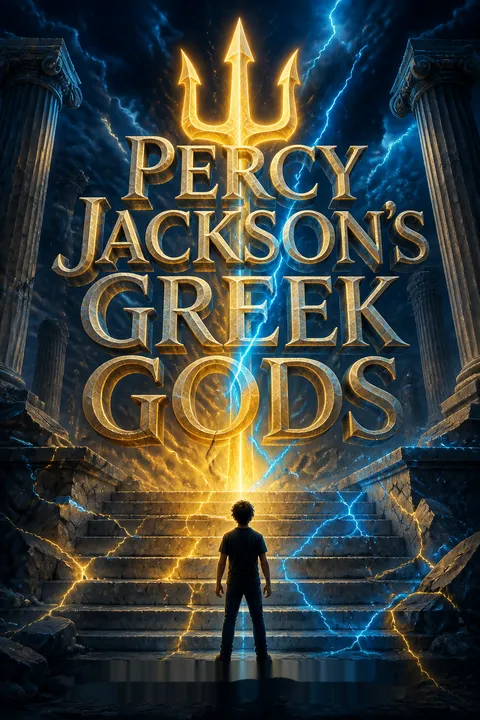

Resumen de la trama
El Caos y la Creación de Gaea
El universo comenzó como un vacío informe conocido como Caos, del cual emergió Gaea, la Madre Tierra. En busca de compañía, Gaea creó a Ouranos, el cielo, y juntos engendraron a los Titanes. Sin embargo, Ouranos, temeroso del poder de sus hijos, los encarceló, dando inicio a un ciclo de traición y venganza. Este mito fundacional prepara el terreno para las luchas de poder entre los dioses, resaltando temas de creación, destrucción y las complejas dinámicas familiares.
El Ascenso y Caída de los Titanes
Indignada por la crueldad de Ouranos, Gaea incitó a sus hijos Titanes a derrocarlo. Kronos, el más joven y ambicioso, lideró la revuelta, usando una hoz para castrar a Ouranos y así poner fin a su reinado. Los Titanes, ahora gobernantes, estuvieron bajo el mando de Kronos, quien resultó ser tan tiránico como su padre, encarcelando a sus hermanos monstruosos y gobernando con mano de hierro. Este capítulo ilustra la naturaleza cíclica del poder y la inevitable caída de los tiranos.
El Reinado de Terror de Kronos
Atormentado por una profecía que anunciaba que sus propios hijos lo derrocarían, Kronos devoraba a cada uno de ellos al nacer. Su esposa, Rhea, desesperada por salvar al más pequeño, Zeus, engañó a Kronos dándole una piedra envuelta en pañales. Zeus fue ocultado, destinado a desafiar a su padre y cumplir la profecía. Esta narrativa subraya los temas del destino y la profecía, así como las medidas extremas que se toman para alterar el porvenir.
El Astuto Derrocamiento de Zeus
Criado en secreto, Zeus creció fuerte y astuto. Con la ayuda de su madre y aliados, liberó a sus hermanos del estómago de Kronos, encabezando una revuelta contra los Titanes. La guerra que siguió, conocida como la Titanomaquia, fue brutal, pero la brillante estrategia de Zeus y la ayuda de los Cíclopes y los Hecatónquiros cambiaron el curso, resultando en la derrota y encarcelamiento de los Titanes en el Tártaro. Este capítulo destaca el poder de la unidad y la estrategia para vencer la tiranía.
El Nuevo Orden de los Olímpicos
Victorioso, Zeus y sus hermanos reclamaron el dominio del cosmos. Dividieron el mundo entre ellos: Zeus tomó el cielo, Poseidón el mar y Hades el inframundo. Los Olímpicos establecieron su gobierno desde el Monte Olimpo, inaugurando una nueva era de dominio divino, aunque no exenta de conflictos internos y luchas de poder. Este capítulo explora las complejidades del liderazgo y los desafíos para mantener el orden entre entidades poderosas.
Hades y el Inframundo
Como señor del inframundo, Hades organizó el reino de los muertos, instituyendo jueces para clasificar las almas y empleando a las Furias para hacer cumplir el castigo. A pesar de su sombrío dominio, Hades mantenía el orden y el equilibrio, asegurando que el ciclo de la vida y la muerte continuara sin impedimentos, aunque permanecía aislado de sus parientes olímpicos. Este capítulo profundiza en temas de aislamiento, deber y la inevitabilidad de la muerte.
El Arca de Deucalión y el Favor Divino
Advertido por su padre Prometeo, Deucalión construyó un arca para sobrevivir al diluvio enviado por Zeus, salvándose junto a su esposa, Pirra. Tras el retroceso de las aguas, buscaron consejo en el Oráculo de Delfos para repoblar la tierra. El Oráculo les indicó crípticamente que arrojaran "los huesos de su madre" detrás de ellos. Interpretando esto como piedras, lanzaron rocas sobre sus hombros, que se transformaron en humanos, repoblando así el mundo. Su piedad les ganó el favor de Zeus, asegurando que no habría más inundaciones. Este capítulo enfatiza temas de supervivencia, favor divino y renovación.
Las Aventuras Amorosas y Consecuencias de Zeus
Zeus, conocido por sus conquistas amorosas, a menudo se transforma para seducir mujeres, engendrando numerosos descendientes y conflictos divinos. Su aventura con Europa, a quien secuestra en forma de toro, da lugar al nacimiento de Minos. Sus incansables persecuciones causan disputas entre dioses y mortales, requiriendo a menudo soluciones astutas para evitar la ira de Hera. Estas escapadas revelan la compleja naturaleza de Zeus, equilibrando poder con defectos personales, y las enredadas consecuencias divinas y mortales.
La Ira de Tifón y la Lucha de Zeus
Tifón, un gigante tormentoso colosal, desafía a los Olímpicos, sembrando el caos. Los dioses inicialmente huyen, pero Zeus se mantiene firme, enfrentándose en una feroz batalla. A pesar de ser superado y tener sus tendones arrancados, Zeus recibe ayuda de Hermes y Egipan, quienes astutamente recuperan sus nervios. Rejuvenecido, Zeus derrota a Tifón, encarcelándolo bajo el Monte Etna. Esta lucha subraya la resiliencia de Zeus y la importancia de la estrategia y la unidad entre los dioses.
El Nacimiento de Atenea y el Surgimiento de la Sabiduría
Nacida de la frente de Zeus tras tragarse a su madre embarazada, Metis, Atenea emerge completamente armada y adulta. Su nacimiento simboliza la llegada de la sabiduría y la guerra estratégica entre los Olímpicos. La inteligencia y destreza marcial de Atenea le otorgan un lugar reverenciado en el Olimpo, a menudo enfrentándose a Ares, dios de la guerra caótica. Su historia resalta temas de intelecto triunfante sobre la fuerza bruta y las complejidades de la paternidad divina.
El Encanto de Afrodita y el Caos Divino
Nacida de la espuma del mar, la belleza de Afrodita cautiva a dioses y mortales, generando celos y conflictos. Su matrimonio con Hefesto se ve empañado por la infidelidad con Ares, lo que provoca un escándalo expuesto por Hefesto. La influencia de Afrodita va más allá del romance, afectando guerras y alianzas. Su presencia en el Olimpo introduce temas de deseo, traición y el poder de la belleza, complicando las relaciones entre dioses y mortales.
La Fiesta y la Influencia Mortal de Dionisio
Como dios del vino y el éxtasis, Dionisio introduce el poder transformador de su bebida, que conduce tanto a la alegría como a la locura. Su viaje para establecer su culto incluye enfrentamientos con reyes resistentes como Licurgo y Penteo, demostrando su capacidad para incitar frenesí y desafiar la autoridad. La dualidad de celebración y destrucción de Dionisio refleja el atractivo embriagador y el peligro potencial de la indulgencia, influyendo en los ámbitos divino y mortal.
Personajes
Gaea
Gaea es la diosa primordial de la tierra, encarnando la fertilidad y la vida. Es a la vez protectora y vengativa, orquestando la caída de Ouranos y luego apoyando a Zeus contra Kronos. Su naturaleza compleja refleja la dualidad de creación y destrucción inherente al mundo natural, sirviendo como catalizadora de los eventos que moldean el cosmos.
Kronos
Kronos, el más joven de los Titanes, derroca a su padre Ouranos pero se convierte en un tirano. Paranoico y sediento de poder, devora a sus hijos para evitar su caída profetizada. Su reinado está marcado por el miedo y la opresión, culminando en su derrota a manos de Zeus. La historia de Kronos subraya la naturaleza cíclica del poder y las consecuencias de la tiranía.
Zeus
Zeus, el hijo menor de Kronos, es ocultado de su padre y criado para desafiarlo. Es estratégico y carismático, liderando a los Olímpicos hacia la victoria en la Titanomaquia. Como rey de los dioses, establece un nuevo orden, aunque su gobierno a menudo se ve marcado por defectos personales y conflictos. Zeus encarna las complejidades del liderazgo y el equilibrio entre poder y responsabilidad.
Rhea
Rhea, esposa de Kronos, es una figura maternal que busca salvar a sus hijos de la tiranía de su esposo. Su astuto plan para salvar a Zeus prepara el camino para el ascenso de los Olímpicos, destacando su papel como madre y agente de cambio. Las acciones de Rhea enfatizan temas de amor maternal y los extremos a los que se llega para proteger a la descendencia.
Hades
Hades, el hijo mayor de Kronos, gobierna el reino de los muertos con estricta autoridad. Aunque aislado de los demás dioses, mantiene el equilibrio entre la vida y la muerte, asegurando el orden cósmico. Su dominio es oscuro e inevitable, reflejando temas de deber, aislamiento y la mortalidad ineludible.
Poseidón
Poseidón, hermano de Zeus y Hades, gobierna los océanos con un temperamento tan cambiante como las mareas. Es una fuerza formidable, capaz de creación y destrucción, y juega un papel crucial en la victoria de los Olímpicos sobre los Titanes. El carácter de Poseidón encarna la naturaleza impredecible del mar y el poder de las fuerzas naturales.
Deucalión
Deucalión, hijo de Prometeo, es un rey piadoso y justo que sobrevive al diluvio de Zeus junto a su esposa, Pirra. Su respeto por los dioses y su rápida acción para repoblar la tierra destacan su sabiduría y liderazgo. La historia de Deucalión enfatiza temas de supervivencia, favor divino y renovación de la humanidad mediante la fe y la ingeniosidad.
Pirra
Pirra, esposa de Deucalión, comparte las pruebas y triunfos de sobrevivir al diluvio. Su colaboración con Deucalión para repoblar la tierra subraya su resiliencia y adaptabilidad. El papel de Pirra en el mito destaca la importancia de la unidad y cooperación para superar desafíos divinos y restaurar el equilibrio en el mundo.
Atenea
Nacida de la frente de Zeus, Atenea encarna la inteligencia, la guerra y las artes. Su mente estratégica y destreza marcial la convierten en una figura clave entre los Olímpicos. Las complejas relaciones de Atenea con otros dioses, especialmente Ares, resaltan su papel como mediadora entre intelecto y agresión, enfatizando el poder de la sabiduría sobre la fuerza bruta.
Afrodita
El encanto de Afrodita provoca conflictos entre dioses y mortales, generando disputas y alianzas. Su matrimonio con Hefesto y su aventura con Ares ilustran su influencia sobre el deseo y la traición. La presencia de Afrodita en el Olimpo introduce temas de pasión, celos y las complejidades del amor, afectando las interacciones divinas y mortales.
Dionisio
Dionisio, portador de la fiesta y la transformación, difunde la influencia del vino por el mundo. Su viaje para establecer su culto incluye enfrentamientos con gobernantes resistentes, destacando su capacidad para incitar frenesí y desafiar la autoridad. La dualidad de celebración y caos de Dionisio refleja el atractivo embriagador y el peligro potencial de la indulgencia, moldeando experiencias divinas y mortales.
Recursos Narrativos
Profecía y Destino
La profecía que anuncia que Kronos será derrocado por sus hijos es un recurso central, motivando sus acciones tiránicas y preparando el terreno para la rebelión de Zeus. La inevitabilidad del destino subraya la tensión entre el libre albedrío y la fatalidad, un tema recurrente en la mitología griega. Este recurso destaca el poder de la previsión y los desafíos de interpretar y cumplir visiones proféticas.
Retribución Divina
El tema de la retribución divina es prevalente, como se ve en el castigo a Ouranos, Kronos y los Titanes. Las acciones divinas reflejan la creencia en la justicia cósmica, donde la arrogancia y la tiranía son castigadas, reforzando el orden moral del universo. Este recurso enfatiza las consecuencias de desafiar la autoridad divina y el equilibrio de poder entre los dioses.
Transformación y Metamorfosis
La transformación es un motivo recurrente, con personajes que experimentan cambios físicos y simbólicos. Estas metamorfosis suelen ser castigos, recompensas o medios de escape, reflejando la naturaleza fluida de la identidad y la capacidad divina para alterar la realidad. Este recurso enfatiza temas de adaptación y las consecuencias de las acciones, destacando el poder transformador de lo divino.
Armas Simbólicas
La hoz de Kronos y el rayo de Zeus son más que simples herramientas; simbolizan el poder y la autoridad de quienes las empuñan. Estas armas juegan papeles cruciales en el derrocamiento de tiranos y el establecimiento de nuevos regímenes, resaltando la conexión entre la fuerza y la legitimidad. La presencia de tales armas subraya la influencia de los dioses sobre los reinos mortales e inmortales.
Análisis
"Los Dioses Griegos de Percy Jackson" de Rick Riordan ofrece una reinterpretación moderna de los mitos antiguos, explorando temas de poder, destino y moralidad. A través de la narración ingeniosa de Percy Jackson, el libro profundiza en las complejidades de las interacciones divinas y mortales, destacando la naturaleza cíclica del poder y las consecuencias de la arrogancia. Las historias enfatizan la tensión entre el libre albedrío y el destino, mientras los personajes navegan entre profecías y retribución divina. La adaptación de Riordan aporta una perspectiva fresca a estos relatos atemporales, haciéndolos accesibles y atractivos para los lectores contemporáneos. El libro recuerda la vigencia perdurable de la mitología griega, ofreciendo valiosas reflexiones sobre la naturaleza humana y la lucha universal por el equilibrio y la justicia.
Preguntas frecuentes
Synopsis & Basic Details
What is Percy Jackson's Greek Gods about?
- Mythological Compendium Retold: Percy Jackson's Greek Gods is a comprehensive, humorous retelling of the foundational myths of the Greek pantheon, narrated by the demigod Percy Jackson. It covers the creation of the cosmos from Chaos, the rise and fall of the Titans, and the establishment of the Olympian gods' reign, detailing their origins, powers, and often chaotic personal lives.
- Chronological Divine History: The book systematically introduces the primordial gods, the twelve Titans, and then each of the major Olympians, presenting their key stories, relationships, and significant events in a chronological, accessible manner. Percy's signature witty and sarcastic voice injects modern commentary and relatable observations into these ancient tales.
- Foundation for Demigod Lore: While a standalone mythology guide, the book serves as a crucial background text for readers of the Percy Jackson & the Olympians and Heroes of Olympus series, providing the mythological context that underpins the modern demigod world. It explains the complex family trees and long-standing grudges that influence the characters in Riordan's other works.
Why should I read Percy Jackson's Greek Gods?
- Engaging, Humorous Accessibility: Readers should delve into Percy Jackson's Greek Gods for its unparalleled ability to make complex, often convoluted Greek myths incredibly entertaining and easy to understand. Percy's irreverent narration, filled with modern slang and sarcastic asides, transforms dry historical accounts into laugh-out-loud adventures, making it perfect for young readers and adults alike.
- Deeper Thematic Exploration: Beyond the humor, the book offers a surprisingly insightful exploration of universal themes such as power dynamics, familial dysfunction, the nature of justice, and the consequences of hubris, all viewed through the lens of immortal beings. It encourages readers to consider the moral ambiguities and human-like flaws of the gods, providing a rich ground for discussion and analysis.
- Enhanced Series Appreciation: For fans of Rick Riordan's demigod novels, this book is essential for a richer understanding of the Percy Jackson universe. It clarifies the intricate relationships, ancient grudges, and divine powers that directly impact the demigod characters, deepening appreciation for the overarching narrative and character motivations in the main series.
What is the background of Percy Jackson's Greek Gods?
- Modern Retelling of Ancient Lore: Percy Jackson's Greek Gods draws directly from classical Greek and Roman texts, including Hesiod's Theogony, Homer's Iliad and Odyssey, and Ovid's Metamorphoses, as acknowledged in the "Background Reading" section. Riordan filters these ancient narratives through a contemporary, first-person perspective, making them relatable to a modern audience.
- Author's Pedagogical Roots: Rick Riordan, a former middle school history teacher, leverages his experience in making complex subjects engaging. His narrative choice of Percy Jackson as the narrator stems from his desire to present mythology in a way that resonated with his own students, who often found traditional mythology texts dry. This pedagogical approach is evident in the book's clear explanations and humorous analogies.
- Cultural Commentary & Subversion: The book subtly integrates cultural context by highlighting the often-problematic behaviors of the gods (e.g., Zeus's philandering, Hera's vengefulness) and presenting them with modern ethical judgments, often through Percy's exasperated commentary. This subverts the traditional reverence for these figures, inviting readers to critically examine ancient values and their contemporary relevance.
What are the most memorable quotes in Percy Jackson's Greek Gods?
- "Wear your safety glasses and your raincoat. There will be blood.": This opening line from Percy's introduction immediately sets the irreverent, no-holds-barred tone, signaling that this will not be a sanitized version of mythology. It foreshadows the often-gruesome and violent nature of the myths, preparing the reader for the "seriously messed up" stories to come.
- "I couldn't make up stuff this weird.": Percy's recurring assertion underscores the inherent strangeness and complexity of Greek mythology, emphasizing that the outlandish events are drawn directly from ancient sources. This meta-commentary highlights the enduring, bizarre nature of these foundational stories, inviting readers to marvel at their originality.
- "If you're a guy, imagine the most painful place you could possibly be hit. Yep. That's the place.": Percy's blunt, humorous description of Ouranos's castration exemplifies the book's signature blend of graphic mythological detail with relatable, modern-day humor. It makes a shocking ancient event accessible and even comically horrifying, a hallmark of Riordan's narrative style.
What writing style, narrative choices, and literary techniques does Rick Riordan use?
- First-Person, Sarcastic Narration: Rick Riordan employs a highly engaging first-person narrative from Percy Jackson's perspective, characterized by a distinct voice that is sarcastic, witty, and often exasperated. This choice immediately connects with readers, making the ancient gods feel like flawed, relatable (if immensely powerful) celebrities, as seen when Percy calls Zeus "Old Thunderpants himself."
- Anachronistic Humor & Modern Analogies: Riordan liberally uses anachronisms and contemporary analogies to bridge the gap between ancient myths and modern understanding. He compares the Titans to a "reality TV show," Hades's Underworld to a "fixer-upper," and Apollo's music to "One Direction," making the divine relatable and often comically absurd. This technique demystifies the gods and highlights their human-like foibles.
- Direct Address & Conversational Tone: The narrative frequently breaks the fourth wall, directly addressing the reader with rhetorical questions, advice, and asides ("You're thinking, Wow. Weaving. South Dakota is starting to sound exciting."). This conversational style creates an intimate, informal reading experience, making the reader feel like Percy's confidante and enhancing the book's accessibility and entertainment value.
Hidden Details & Subtle Connections
What are some minor details that add significant meaning?
- Gaea's "Nasty Disposition": Percy notes early on that Gaea's "serene smile hid a nasty disposition." This seemingly minor detail foreshadows her later vengeful actions against the Olympians, particularly her instigation of Typhoeus, revealing that her initial "rest" was merely a temporary reprieve before her wrath would resurface, connecting to the cyclical nature of conflict.
- Kronos's "Crooked One" Nickname: The description of Kronos as "the Crooked One" due to his dirty fighting and unpredictability subtly hints at his deceptive and treacherous nature long before he begins devouring his children. This early characterization foreshadows his manipulative tendencies and the inherent untrustworthiness that defines his reign.
- Hestia's "Last One to Emerge": Though Hestia is the eldest, her being "barfed up last" leads her siblings to treat her as the youngest. This subtle detail explains why she is often overlooked or underestimated by her family, despite her wisdom and foundational role as the goddess of the hearth, highlighting the arbitrary nature of status even among gods.
What are some subtle foreshadowing and callbacks?
- Ouranos's Curse on Kronos: Ouranos's dying curse, "Someday, your own children will destroy you and take your throne, just as you are doing to me!", is a direct and powerful piece of foreshadowing. It establishes the central conflict of the Titanomachy and the cyclical pattern of patricide and usurpation that defines the early divine generations, a theme that Zeus himself later grapples with.
- Prometheus's Liver Punishment Echoes: The gruesome punishment of Prometheus, having his liver pecked out daily, is explicitly referenced as a template for Tantalus's eternal hunger and Tityos's vulture torment. This callback highlights a recurring motif of divine retribution for defying Zeus or the gods, emphasizing the severity and often ironic nature of their retribution.
- Hera's Cuckoo Transformation: Hera's transformation into a cuckoo to trick Zeus into confessing his love is a clever piece of subtle foreshadowing for her later, more manipulative schemes. It establishes her capacity for cunning and disguise, which she later employs in her vengeful plots against Zeus's lovers, demonstrating her evolving strategic prowess.
What are some unexpected character connections?
- Hephaestus and Athena's "Son": The bizarre origin of Erikthonius, born from Hephaestus's sweat and Athena's disgust on a handkerchief, creates an unexpected and uncomfortable familial link between the two gods. This connection, though Athena disavows it, highlights the unpredictable and often grotesque ways divine essence can manifest, challenging traditional notions of parentage.
- Dionysus's Link to Madness and Gender Identity: Dionysus's early life, being raised as a girl to hide from Hera and witnessing his foster parents' madness, subtly connects him to themes of gender fluidity and the psychological impact of trauma. This background provides a deeper understanding of his later domain over madness and ecstasy, suggesting a personal resonance with those who feel "confused about his or her own gender."
- Artemis's Male Companions: Despite her vow of eternal maidenhood and general disdain for men, Artemis's closest friends, Orion and Hippolytos, are both male. This unexpected connection reveals a nuanced aspect of her character, suggesting that her aversion is not to all men, but specifically to romantic entanglements and disrespect, highlighting her capacity for platonic bonds based on shared values like hunting and chastity.
Who are the most significant supporting characters?
- The Hundred-Handed Ones: Beyond their role in building Kronos's palace and later destroying it, the Hundred-Handed Ones (Briares, Kottos, Gyes) are crucial for their unique combat abilities ("living catapults") and their unwavering loyalty to Zeus after their liberation from Tartarus. Their presence underscores the importance of powerful, often monstrous, allies in divine conflicts, and their eventual role as jailers in Tartarus highlights the cyclical nature of power and imprisonment.
- The Cyclopes (Elder): Brontes, Arges, and Steropes are not just blacksmiths; they are the forge of Olympian power, crafting Zeus's lightning bolt, Poseidon's trident, and Hades's Helm of Darkness. Their ingenuity and skill are indispensable to the gods' victory, symbolizing the fusion of raw power with divine craftsmanship. Their continued service to the Olympians emphasizes the value of specialized skills in the divine hierarchy.
- The Furies: Born from Ouranos's blood, the Furies (spirits of punishment) are significant as Hades's enforcers in the Underworld. Their role in ensuring cosmic justice, particularly against those who commit horrific crimes, highlights the darker, retributive aspect of divine law. Their invisible, relentless pursuit of the guilty underscores the inescapable nature of divine vengeance.
Psychological, Emotional, & Relational Analysis
What are some unspoken motivations of the characters?
- Kronos's Deep-Seated Insecurity: While explicitly stated that Kronos fears Ouranos's curse, his repeated acts of cannibalism and imprisonment of his monstrous siblings reveal an unspoken, profound insecurity about his own power and legitimacy. His desire to be "the boss of all his siblings" and his grumpiness when others are "having a good time" suggest a deep-seated need for control stemming from being the youngest, driving his tyrannical behavior.
- Hera's Quest for Validation: Hera's relentless pursuit of Zeus's fidelity and her extreme vengeance against his lovers stem from an unspoken need for validation and respect as the Queen of Heaven. Her initial reluctance to marry Zeus, coupled with her demand for faithfulness, indicates a desire for a stable, honored position, which Zeus's philandering constantly undermines, fueling her rage and insecurity.
- Hades's Longing for Connection: Despite his gloomy demeanor and isolation, Hades's obsession with Persephone and his creation of a beautiful Underworld garden for her reveal an unspoken longing for companionship and beauty in his desolate realm. His willingness to fight for Persephone, even against Zeus, highlights a deep emotional need for connection that transcends his grim duties, making him a more complex figure than a mere "creepy stalker."
What psychological complexities do the characters exhibit?
- Zeus's Paradoxical Justice: Zeus, the god of law and order, frequently acts with extreme capriciousness and hypocrisy, as seen in his destruction of Salmonea for impersonating him while he himself constantly uses disguises for illicit affairs. This highlights a complex psychological duality: a desire for cosmic order juxtaposed with a profound lack of personal discipline and a tendency towards disproportionate retribution.
- Demeter's Maternal Rage and Control: Demeter's transformation into "Grainzilla" and her curse upon the earth after Persephone's abduction reveal a profound psychological complexity rooted in maternal possessiveness and grief. Her actions demonstrate how deep emotional pain can manifest as destructive power, blurring the lines between nurturing life and inflicting widespread suffering, driven by a desperate need to regain control.
- Hephaestus's Creative Outlet for Trauma: Hephaestus's physical deformities and his mother Hera's rejection lead to deep psychological scars, which he channels into his unparalleled craftsmanship. His booby-trapped throne for Hera and the humiliating net for Aphrodite and Ares are not just acts of revenge, but expressions of his emotional pain and a desire to assert his worth through his unique skills, showcasing creativity born from trauma.
What are the major emotional turning points?
- Rhea's Deception of Kronos: Rhea's decision to trick Kronos by giving him a stone instead of baby Zeus is a pivotal emotional turning point, driven by her despair and maternal love. This act of defiance, born from "pain and misery and disbelief," marks the shift from passive suffering to active resistance against tyranny, setting the stage for the Titanomachy.
- Persephone's Pomegranate Choice: Persephone's decision to eat the pomegranate seeds, even after refusing food for days, is a critical emotional turning point. It signifies her subconscious acceptance of Hades's world and her own agency, moving beyond being a mere victim. This act, driven by hunger and perhaps a nascent curiosity about her new domain, irrevocably binds her to the Underworld and shapes the seasons.
- Dionysus's Confrontation with Lycurgus: Dionysus's transformation from a "nervous" party god to a vengeful deity after Lycurgus attacks his followers and kills his foster mother, Ambrosia, marks a major emotional turning point. His subsequent infliction of madness and destruction on Lycurgus's kingdom demonstrates his embrace of his dual nature—both revelry and terrifying retribution—fueled by personal loss and a need for respect.
How do relationship dynamics evolve?
- Zeus and Hera's Volatile Interdependence: Their relationship evolves from a cunning courtship based on trickery (Zeus as a cuckoo) to a deeply dysfunctional marriage characterized by Zeus's infidelity and Hera's vengeful wrath. Despite their constant conflict, their dynamic is one of volatile interdependence, as neither can truly function as ruler without the other, highlighting the complex power struggles within the Olympian family.
- Hades and Persephone's Forced Affection to Genuine Bond: Their relationship begins with a traumatic abduction, but gradually evolves into a complex, if unconventional, partnership. Persephone's initial "epic tantrums" give way to a grudging respect and eventual love for Hades, particularly after he creates a garden for her and she understands his devotion. This evolution shows a bond forged through shared experience and Hades's persistent, if awkward, affection.
- Hephaestus's Journey from Rejection to Acceptance: Hephaestus's relationship with his mother Hera begins with brutal rejection, leading to his elaborate revenge. However, his later act of freeing Hera from Zeus's chains, driven by a mix of annoyance and a nascent familial bond, signifies a shift towards a more complex, if still wary, acceptance. This evolution highlights themes of forgiveness and the enduring, if complicated, nature of family ties.
Interpretation & Debate
Which parts of the story remain ambiguous or open-ended?
- The Fate of Kronos: The narrative explicitly states, "There are a lot of different stories" regarding Kronos's ultimate fate, debating whether he was chopped into pieces, exiled to Italy, or ruled the Isles of the Blest. This ambiguity leaves his final destiny open to interpretation, reflecting the varied and often contradictory nature of ancient myths and allowing readers to choose their preferred ending for the tyrannical Titan.
- The Nature of Divine Immortality and Injury: The book frequently mentions that immortals "can't die," but "can be hurt badly, crippled, or mutilated," and "don't always heal from damage." The exact parameters of this immortality and the permanence of injuries (e.g., Hephaestus's legs, Prometheus's liver) remain ambiguous, prompting debate on the true meaning of "immortal" in the Greek pantheon and the extent of their suffering.
- The Gods' True Motivations for Human Interaction: While Percy often attributes the gods' actions to petty jealousy, ego, or boredom, the underlying reasons for their constant interference in mortal lives remain open to interpretation. Is it truly just "for kicks," or is there a deeper, perhaps unspoken, divine purpose or need for worship that drives their often-cruel or capricious interactions with humanity?
What are some debatable, controversial scenes or moments in Percy Jackson's Greek Gods?
- Zeus's Treatment of Semele: The scene where Zeus, under oath, reveals his true godly form to Semele, causing her vaporization, is highly debatable. While presented as a consequence of a mortal's inability to withstand divine glory, it can be interpreted as a cruel, avoidable act by Zeus, who knew the danger but succumbed to Semele's insistence, highlighting his disregard for mortal life and the tragic consequences of his promises.
- Athena's Punishment of Arachne: Athena's violent beating of Arachne and subsequent transformation into a spider, despite admitting Arachne's skill was equal, is a controversial moment. It sparks debate about the nature of divine justice and hubris, questioning whether Arachne's punishment was truly deserved or an excessive display of godly insecurity and cruelty, especially given the crowd's complicity in Arachne's humiliation.
- Hera's Madness on Ino and Athamas: Hera's infliction of madness upon Ino and Athamas, leading them to kill their own children, is one of the most disturbing and controversial acts. It raises questions about the morality of the gods' vengeance, particularly when innocent mortals suffer extreme, disproportionate consequences for Zeus's affairs, highlighting Hera's capacity for truly horrific cruelty.
Percy Jackson's Greek Gods Ending Explained: How It Ends & What It Means
- The Olympian Council's Establishment: The book concludes with Dionysus's ascension, solidifying the twelve-member Olympian council on Mount Olympus. This signifies the end of the major power struggles for cosmic dominion, establishing the "new order" that will govern the world for millennia. It represents a period of relative stability, albeit one still fraught with internal squabbles and external threats.
- Perpetual Divine Dysfunction: Despite the establishment of the Olympian order, the "ending" is not one of perfect harmony. Percy's final thoughts, "Phew. We did it, gang. Twelve Olympians—we collected the whole set, plus a few extra bonus gods like Persephone and Hades! Now, if you'll excuse me, I'm going to sleep. I feel like I just got back from the Dionysian revels, and I've got a splitting headache," underscore that the gods remain deeply flawed, prone to petty arguments, jealousy, and destructive behavior. The "peace" is merely a fragile truce, constantly threatened by their inherent natures.
- A Cycle of Stories, Not an End: The "Afterword" explicitly states that many stories remain untold ("how Gaea raised an army of giants to destroy Olympus," "how Cupid got his girlfriend"). This open-ended conclusion emphasizes that the book is not a definitive end to Greek mythology but rather an introduction to its vast, ongoing narrative. It reinforces the idea that the gods' stories are cyclical and eternal, with new conflicts and adventures always on the horizon, directly setting up the premise for Riordan's other series.
Crónicas del Campamento Mestizo Serie
Descargar PDF
Descargar EPUB
.epub digital book format is ideal for reading ebooks on phones, tablets, and e-readers.








































