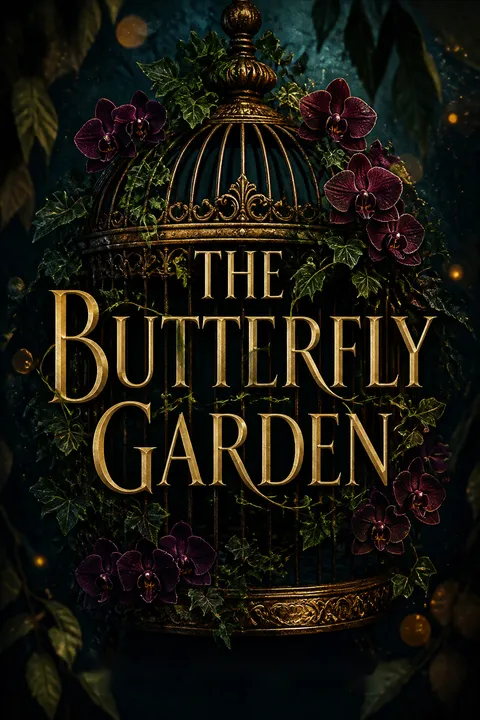

Resumen de la trama
Testigo Silencioso Tras el Cristal
En una sala de interrogatorios estéril, el agente especial del FBI Víctor Hanoverian observa a una mujer joven a través de un espejo unidireccional. Ella es una de las sobrevivientes de una experiencia horrible, sin embargo, su actitud es serena, casi distante. Cubierta de vendajes y suciedad, representa un enigma para los agentes, quienes están desesperados por comprender la pesadilla que ha vivido. Víctor intuye que su relato es la clave para desentrañar los horrores descubiertos, y está decidido a sacarlo a la luz, consciente de que su silencio es testimonio del trauma sufrido.
Los Oscuros Secretos del Jardín
La joven, conocida como Maya, comienza a relatar la escalofriante realidad de el Jardín: un lugar de cautiverio y terror. El Jardinero, un hombre con una obsesión retorcida, colecciona mujeres jóvenes, marcándolas con tatuajes de mariposas que señalan su lugar en su colección. El Jardín es una paradoja, un hermoso invernadero lleno de flores y mariposas, pero también una prisión donde la muerte es la única salida. El amor de el Jardinero es a la vez protector y mortal, pues conserva la belleza de sus Mariposas en vitrinas cuando mueren.
La Siniestra Colección del Jardinero
Víctor descubre que el Jardinero ha estado coleccionando chicas durante décadas, preservando sus cuerpos en vitrinas de cristal tras su muerte. Cada joven lleva un tatuaje único, símbolo de su lugar en la colección. La obsesión de el Jardinero por la belleza y el control se refleja en cada detalle de el Jardín. Las chicas viven con miedo constante, conscientes de que su tiempo es limitado. El Jardín es un espacio de contradicciones, donde la vida y la muerte coexisten en una armonía retorcida, y la única escapatoria es la muerte.
La Ingenua Curiosidad de Desmond
Desmond, el hijo menor de el Jardinero, tropieza con el Jardín sin conocer su verdadera naturaleza. Su padre le cuenta una historia de rescate y cuidado, convenciéndolo de que las chicas están allí por su propio bien. La inocencia de Desmond contrasta fuertemente con la oscuridad de el Jardín, y su presencia ofrece un respiro temporal para las chicas, mientras el Jardinero oculta los aspectos más siniestros de su colección. Sin embargo, la curiosidad y creciente inquietud de Desmond amenazan con desmoronar la fachada cuidadosamente mantenida.
La Crueldad Desatada de Avery
Avery, el hijo mayor de el Jardinero, es una fuente de terror para las chicas. A diferencia de su padre, Avery se deleita en su sufrimiento, usándolas para su propio placer retorcido. Su crueldad no conoce límites, y sus acciones dejan cicatrices profundas, tanto físicas como emocionales. Maya se convierte en blanco de su ira, soportando un sufrimiento inimaginable a manos de él. Los intentos de el Jardinero por controlar a Avery son inútiles, y las chicas viven con miedo constante a su violencia impredecible, que añade otra capa de horror a su cautiverio.
La Ilusión de Libertad
Las chicas encuentran pequeñas maneras de sobrellevar su cautiverio, creando rutinas y amistades para mantener una apariencia de normalidad. Maya se convierte en líder, ofreciendo apoyo y guía a las recién llegadas. La belleza de el Jardín es una cruel ilusión que oculta el horror subyacente. Las chicas se aferran a la esperanza, pero la realidad de su situación es ineludible. El control de el Jardinero es absoluto, y cualquier intento de rebelión se enfrenta a consecuencias rápidas y mortales, reforzando la ilusión de libertad que las mantiene sumisas.
El Grito Silencioso de la Mariposa
A medida que se desarrolla la historia de Maya, Víctor comprende la profundidad de la depravación de el Jardinero. El silencio de las chicas es un testimonio de su sufrimiento, cada una un grito silencioso atrapado tras el cristal. La resiliencia de Maya es notable, pero ni ella está exenta del trauma. Su relato es un llamado a la justicia, un pedido para poner fin al reinado de terror de el Jardinero. Víctor está decidido a llevar a el Jardinero ante la justicia, aunque el camino esté lleno de obstáculos y el costo del fracaso sea demasiado alto.
El Dilema y Decisión de Desmond
El hijo menor de el Jardinero, Desmond, se debate entre la lealtad familiar y el imperativo moral de salvar a las chicas atrapadas en el Jardín. Tras presenciar la brutal realidad de las acciones de su padre, decide llamar a la policía, impulsado por la llegada de una joven, Keely, quien es brutalmente agredida por su hermano Avery. La decisión de Desmond marca un punto de inflexión, pues finalmente opta por actuar contra el horroroso legado familiar, con la esperanza de hacer justicia a las víctimas.
El Incendio que Devasta el Jardín
El Jardín se convierte en un escenario caótico cuando un incendio se desata, agravado por los químicos volátiles almacenados en su interior. Las chicas, lideradas por Maya, luchan por escapar del infierno, sorteando vidrios rotos y escombros. El fuego simboliza la destrucción del retorcido paraíso del Jardinero, mientras las chicas pelean por sus vidas entre las llamas. El Jardinero y sus hijos quedan atrapados en el tumulto, con Avery encontrando un fin violento y Desmond gravemente herido.
El Último Vuelo de la Mariposa
Mientras el fuego arde, las chicas aprovechan la oportunidad para escapar de el Jardín. Maya, decidida a salvar a tantas como sea posible, las guía a través del caos. La fuga está llena de peligros, pero representa una posibilidad de libertad y un nuevo comienzo. La valentía y resiliencia de las chicas brillan mientras recorren el peligroso camino hacia la seguridad, dejando atrás los horrores de su cautiverio.
Enfrentando la Ira del Jardinero
Tras el incendio, la ira de el Jardinero se dirige hacia sus hijos, especialmente hacia Desmond, por haberlo traicionado. El control de el Jardinero se desmorona al enfrentar las consecuencias de sus actos. Su mundo, antes meticulosamente cuidado, está en ruinas, y su autoridad es desafiada por quienes buscaba dominar. El enfrentamiento revela la ilusión de el Jardinero y el fracaso final de su visión retorcida.
La Verdad Revelada
Con el Jardinero incapacitado y las autoridades involucradas, la verdad sobre el Jardín sale a la luz. Las chicas sobrevivientes, incluida Maya, comienzan a compartir sus historias, revelando la magnitud de los crímenes de el Jardinero. La investigación identifica a las víctimas, brindando cierre a sus familias. El sistema legal se prepara para responsabilizar a el Jardinero, mientras las sobrevivientes enfrentan el trauma de sus experiencias.
Reconstruyendo Vidas, Encontrando Esperanza
Las chicas rescatadas, ahora libres del control de el Jardinero, enfrentan el desafío de reconstruir sus vidas. Maya, cuyo verdadero nombre es Samira, se reconecta con su pasado y encuentra consuelo en el apoyo de su familia elegida. Las sobrevivientes forman un lazo, unidas por su experiencia compartida, mientras navegan las complejidades de la sanación y la reintegración social. A pesar de las cicatrices, hay esperanza para un futuro más brillante.
Personajes
Víctor Hanoverian
Víctor es un agente experimentado del FBI con habilidad para conectar con víctimas traumatizadas. El caso lo afecta profundamente, atormentado por imaginar a sus propias hijas en una situación similar. Su empatía lo impulsa a comprender a la joven conocida como Maya, con la esperanza de que su historia conduzca a la justicia para todas las víctimas.
Maya (Samira Grantaire)
Conocida como Maya en el Jardín, Samira es una joven resiliente que emerge como líder entre las cautivas. Su fortaleza y determinación son clave para la fuga y supervivencia de las chicas. El viaje de Samira es uno de autodescubrimiento, al reconectar con su verdadera identidad y hallar esperanza en la posibilidad de una nueva vida fuera de el Jardín.
El Jardinero (Geoffrey MacIntosh)
El Jardinero, cuyo nombre real es Geoffrey MacIntosh, es una figura compleja impulsada por una obsesión retorcida con la belleza y el control. Su meticulosamente cuidado Jardín es a la vez santuario y prisión para las jóvenes que colecciona. A medida que su mundo se desmorona, el Jardinero debe enfrentar las consecuencias de sus actos, enfrentando finalmente la justicia por sus crímenes.
Avery
Avery es el hijo mayor de el Jardinero, cuya crueldad y violencia aterrorizan a las chicas. Sus acciones, especialmente la agresión a Keely, desencadenan los eventos que llevan a la caída de el Jardín. La incapacidad de Avery para controlar sus tendencias sádicas conduce a su fin, evidenciando la naturaleza destructiva de su carácter.
Desmond
Desmond es el hijo menor de el Jardinero, dividido entre la lealtad familiar y el deber moral. Su decisión de llamar a la policía marca un momento crucial en la historia, al elegir actuar contra el horroroso legado de su padre. El camino de Desmond es uno de autodescubrimiento y redención, enfrentando las consecuencias de sus actos y buscando reparar los crímenes familiares.
Bliss
Bliss es una cautiva con fuerte personalidad y lengua afilada. Su ira y desafío la convierten en blanco, pero también en fuente de fortaleza para las demás. Forma un vínculo cercano con Maya, y su presencia recuerda la resiliencia y espíritu que el Jardinero no puede quebrantar.
Lyonette
Lyonette es una cautiva de largo plazo que asume un rol guía para las recién llegadas. Su fortaleza y paciencia ayudan a las chicas a adaptarse, aunque su propio tiempo en el Jardín es limitado. Su muerte marca un punto de inflexión, dejando un vacío que Maya asume.
Lorraine
Lorraine es una antigua Mariposa que ahora sirve como cocinera y enfermera para las cautivas. Su lealtad a el Jardinero es inquebrantable, y su presencia es un recordatorio constante de la futilidad de escapar. Su papel es a la vez protector y opresor, al hacer cumplir las reglas de el Jardinero.
Johanna
Johanna es una joven que lucha por adaptarse a la vida en el Jardín. Sus cambios de ánimo y eventual suicidio evidencian el costo psicológico del cautiverio. Su muerte recuerda la fragilidad de la esperanza y la dura realidad del mundo de el Jardinero.
Keely Rudolph
Keely es una joven cuya brutal agresión por parte de Avery impulsa la decisión de Desmond de llamar a la policía. Su presencia en el Jardín subraya el horror de las acciones de el Jardinero y la urgente necesidad de justicia. La resiliencia y valentía de Keely inspiran a las demás a luchar por su libertad.
Recursos Narrativos
El Jardín
El Jardín es un invernadero meticulosamente cuidado donde viven las cautivas. Su belleza contrasta con el horror interior, sirviendo como santuario y prisión. El entorno exuberante de el Jardín oculta la realidad siniestra, creando una ilusión de libertad que atrapa a las chicas en un ciclo de esperanza y desesperación.
Tatuajes de Mariposas
Los intrincados tatuajes en las espaldas de las chicas simbolizan su lugar en la colección de el Jardinero. Cada diseño es único, representando el amor retorcido de el Jardinero por sus cautivas. Los tatuajes son a la vez una marca de belleza y un recordatorio de su cautiverio, atando a las chicas a el Jardinero en vida y muerte.
Las Vitrinas
Las vitrinas de cristal que bordean los pasillos de el Jardín contienen los cuerpos preservados de las chicas fallecidas. La obsesión de el Jardinero por la belleza trasciende la vida, buscando inmortalizar a sus Mariposas en la muerte. Las vitrinas son un recordatorio constante de la mortalidad de las chicas y del control de el Jardinero.
La Ilusión de Libertad
La belleza de el Jardín y las rutinas establecidas por las chicas crean una ilusión de libertad. Las cautivas se aferran a pequeños consuelos y amistades, pero la realidad de su situación es ineludible. La ilusión de elección y normalidad es un cruel engaño que mantiene a las chicas sumisas y resignadas a su destino.
La Destrucción del Jardín
El incendio que consume el Jardín representa el colapso del mundo meticulosamente cuidado por el Jardinero. Es el catalizador para la fuga de las chicas y el desmoronamiento del control de el Jardinero. La destrucción del Jardín simboliza el fin del sufrimiento de las cautivas y la posibilidad de un nuevo comienzo.
La Redención de Desmond
La decisión de Desmond de llamar a la policía marca un punto de inflexión en la historia, al elegir actuar contra el horroroso legado familiar. Su camino de hijo conflictuado a héroe renuente destaca el tema de la redención y el poder de la elección frente al conflicto moral.
Análisis
"El Jardín de las Mariposas" de Dot Hutchison es una exploración conmovedora del cautiverio, el control y la resiliencia del espíritu humano. A través de las experiencias desgarradoras de las chicas atrapadas en el Jardín, la novela aborda temas como el poder, la belleza y la ilusión de libertad. La obsesión retorcida de el Jardinero por preservar la belleza revela la naturaleza destructiva del control y la deshumanización de sus cautivas. Sin embargo, en medio del horror, la historia también es un canto a la esperanza y la redención. Los viajes de los personajes, especialmente el liderazgo de Maya y el despertar moral de Desmond, subrayan el poder de la elección y la posibilidad de sanación. La novela es un recordatorio profundo de la fortaleza del espíritu humano y la importancia de la justicia frente al mal indescriptible.
También leyeron









Preguntas frecuentes
Synopsis & Basic Details
What is The Butterfly Garden about?
- Captivity and Control: The Butterfly Garden centers on a group of young women held captive in a secluded, meticulously crafted garden by a man known as the Gardener.
- Twisted Obsession: The Gardener collects these women, marking them with butterfly tattoos and preserving their bodies in glass cases after their deaths, driven by a warped sense of beauty and control.
- A Survivor's Tale: The story unfolds through the eyes of one of the survivors, Maya, as she recounts the horrors of her captivity and the complex relationships she formed with the other girls.
- Search for Justice: The narrative follows the FBI's investigation into the Garden, as they try to understand the Gardener's motives and bring him to justice, while also grappling with the psychological impact on the survivors.
Why should I read The Butterfly Garden?
- Psychological Depth: The novel delves into the complex psychological states of both the victims and the captor, exploring themes of trauma, manipulation, and the human capacity for both cruelty and resilience.
- Intricate Plot: The story is filled with twists and turns, keeping the reader engaged as the layers of the Gardener's twisted world are slowly revealed.
- Emotional Impact: The Butterfly Garden evokes a range of emotions, from horror and despair to hope and empathy, making it a powerful and thought-provoking read.
- Unique Narrative: The story is told through the perspective of a survivor, offering a fresh and compelling take on the thriller genre, and challenging the reader to confront uncomfortable truths about human nature.
What is the background of The Butterfly Garden?
- Psychological Thriller: The novel draws heavily from the psychological thriller genre, exploring the dark side of human nature and the effects of trauma on the mind.
- Fictional Setting: The Garden itself is a fictional creation, a secluded and meticulously crafted space that serves as both a beautiful sanctuary and a terrifying prison.
- Contemporary Setting: The story is set in a contemporary time, with references to modern technology and law enforcement procedures, grounding the fantastical elements in a recognizable reality.
- Exploration of Power Dynamics: The novel explores the power dynamics between captor and captive, examining the ways in which control and manipulation can shape identity and behavior.
What are the most memorable quotes in The Butterfly Garden?
- "Because a garden must have its butterflies.": This quote, spoken by the Gardener, encapsulates his twisted view of the girls as objects of beauty and possession, highlighting his dehumanization of them.
- "Sometimes it was easier to forget, you know?": This quote from Maya reveals the psychological coping mechanisms used by the girls to survive their captivity, emphasizing the need to detach from their past lives.
- "You have to understand, I didn't give him that name out of fear or reverence, or some misguided sense of propriety. I didn't give him that name at all.": This quote from Maya highlights the pragmatic approach the girls took to their situation, creating their own language and understanding of their captor.
What writing style, narrative choices, and literary techniques does Dot Hutchison use?
- First-Person Narration: The story is primarily told from Maya's perspective, allowing readers to experience the events through her eyes and gain insight into her thoughts and emotions.
- Non-Linear Storytelling: The narrative shifts between the present-day interrogation and Maya's memories of the Garden, creating a sense of suspense and gradually revealing the full scope of the horrors she endured.
- Symbolism and Imagery: Hutchison uses vivid imagery and symbolism, particularly with the butterflies and the Garden itself, to enhance the themes of beauty, captivity, and transformation.
- Psychological Realism: The author delves into the psychological complexities of the characters, exploring their motivations, fears, and coping mechanisms with a nuanced and realistic approach.
Hidden Details & Subtle Connections
What are some minor details that add significant meaning?
- The Names: The girls' names, both given and real, often reflect their personalities or the roles they play in the Garden, adding layers of meaning to their identities.
- The Music: The Gardener's fondness for oldies music contrasts sharply with the horrors of the Garden, highlighting his twisted sense of normalcy and his desire to find joy in life.
- The Clothing: The black dresses the girls wear, while seemingly uniform, are a symbol of their captivity and the loss of their individuality, while the occasional colored dresses foreshadow their deaths.
- The Scars: The scars on the girls' bodies, both physical and emotional, serve as a constant reminder of their trauma and the lasting impact of their captivity.
What are some subtle foreshadowing and callbacks?
- The Carousel: Maya's childhood experience on the carousel foreshadows her later feelings of being trapped and forgotten, and the carousel itself becomes a symbol of her trauma.
- The Drunk Pervert: The drunk pervert outside the apartment foreshadows the predatory nature of the Gardener and the constant threat of violence the girls face.
- The Book of Poe: Maya's recitation of Poe's poems during her encounters with the Gardener and Avery foreshadows her emotional detachment and her attempts to escape through literature.
- The River Stones: The river stones given to Bliss by the Gardener foreshadow the eventual discovery of the bodies buried along the riverbank, connecting the beauty of the Garden to the horrors it conceals.
What are some unexpected character connections?
- Sophia and Maya: The bond between Sophia and Maya, despite their different backgrounds, highlights the power of chosen family and the importance of support in the face of trauma.
- Desmond and Maya: The complex relationship between Desmond and Maya, marked by both attraction and repulsion, reveals the blurred lines between victim and oppressor and the potential for change.
- Lorraine and the Butterflies: Lorraine's envy of the girls in glass reveals her own brokenness and her longing for the Gardener's affection, highlighting the twisted dynamics of the Garden.
- The Girls and Their Shared Trauma: The shared trauma of the girls creates a unique bond between them, allowing them to support each other and find strength in their collective experience.
Who are the most significant supporting characters?
- Bliss: As Maya's closest friend, Bliss provides a counterpoint to Maya's pragmatism, offering a fierce spirit and a willingness to challenge authority.
- Lyonette: As a former leader in the Garden, Lyonette's influence is felt throughout the story, and her death serves as a catalyst for Maya's growth and leadership.
- Sophia: As a former prostitute and drug addict, Sophia's past experiences and her fierce love for her daughters provide a model of resilience and redemption for Maya.
- Tereza: As a new arrival in the Garden, Tereza's vulnerability and her love for music highlight the fragility of hope and the importance of human connection.
Psychological, Emotional, & Relational Analysis
What are some unspoken motivations of the characters?
- The Gardener's Need for Control: The Gardener's actions are driven by a deep-seated need for control and a desire to create a world where he can dictate beauty and order, stemming from a past trauma.
- Maya's Desire for Autonomy: Maya's seemingly detached demeanor masks a deep desire for autonomy and a need to reclaim her identity, which she does through her actions and her relationships with the other girls.
- Desmond's Search for Approval: Desmond's actions are motivated by a desire to gain his father's approval, even as he grapples with the moral implications of his family's actions.
- Avery's Need for Power: Avery's cruelty stems from a need for power and a desire to assert his dominance over others, fueled by his own insecurities and a twisted sense of entitlement.
What psychological complexities do the characters exhibit?
- Maya's Detachment: Maya's emotional detachment is a coping mechanism developed to survive the horrors of the Garden, but it also makes it difficult for her to form genuine connections.
- The Gardener's Delusions: The Gardener's delusions about his own goodness and his belief that he is providing a better life for the girls highlight his psychological instability and his inability to see the harm he is causing.
- Desmond's Moral Conflict: Desmond's internal conflict between his love for his family and his growing awareness of their crimes reveals the complexities of moral decision-making.
- Avery's Sadism: Avery's sadistic tendencies and his enjoyment of inflicting pain highlight the dark side of human nature and the destructive power of unchecked cruelty.
What are the major emotional turning points?
- Lyonette's Death: Lyonette's death serves as a major turning point, forcing Maya to step into a leadership role and confront the reality of their limited time in the Garden.
- Desmond's Discovery: Desmond's discovery of the true nature of the Garden and his subsequent decision to call the police marks a shift in the power dynamics and sets the stage for the climax.
- The Fire: The fire in the Garden is a major emotional turning point, as it forces the girls to confront their mortality and fight for their freedom, leading to the collapse of the Gardener's control.
- The Reunion with Sophia: Maya's reunion with Sophia is a powerful emotional moment, highlighting the importance of chosen family and the possibility of healing and hope.
How do relationship dynamics evolve?
- Maya and Bliss: The relationship between Maya and Bliss evolves from a shared sense of pragmatism to a deep and abiding friendship, marked by mutual respect and support.
- Maya and Desmond: The relationship between Maya and Desmond is complex and fraught with tension, as they grapple with their conflicting loyalties and their growing feelings for each other.
- The Girls and the Gardener: The relationship between the girls and the Gardener is marked by fear and manipulation, as he uses his power to control and dehumanize them.
- The Girls and Each Other: The relationships between the girls evolve from a shared sense of captivity to a deep and abiding bond, as they learn to rely on each other for support and strength.
Interpretation & Debate
Which parts of the story remain ambiguous or open-ended?
- The Gardener's True Motives: While the novel provides some insight into the Gardener's past, his true motivations for collecting and preserving the girls remain somewhat ambiguous, leaving room for interpretation.
- The Fate of the Other Girls: The novel focuses primarily on Maya's story, leaving the fates of some of the other girls somewhat open-ended, allowing readers to imagine their lives after their escape.
- Desmond's Future: While Desmond makes a choice to act against his family, his future remains uncertain, leaving readers to wonder if he will ever truly be able to escape his father's legacy.
- The Long-Term Impact: The long-term psychological impact of the trauma on the survivors is left somewhat open-ended, allowing readers to consider the complexities of healing and recovery.
What are some debatable, controversial scenes or moments in The Butterfly Garden?
- Maya's Relationship with Desmond: Maya's relationship with Desmond is a source of debate, as some readers may question her motives and the extent to which she is using him for her own purposes.
- The Gardener's "Love": The Gardener's twisted sense of love and his belief that he is providing a better life for the girls is a controversial aspect of the story, challenging readers to confront the complexities of human depravity.
- The Graphic Violence: The graphic violence and sexual abuse depicted in the novel may be disturbing for some readers, raising questions about the limits of what is acceptable in fiction.
- The Ending: The ending, while offering a sense of hope, may be seen as somewhat ambiguous, leaving readers to grapple with the long-term consequences of the trauma and the challenges of rebuilding lives.
The Butterfly Garden Ending Explained: How It Ends & What It Means
- The Garden's Destruction: The fiery collapse of the Garden symbolizes the end of the Gardener's control and the beginning of the girls' journey toward freedom.
- Desmond's Betrayal: Desmond's decision to call the police, while ultimately leading to the girls' rescue, also results in his own downfall, highlighting the complexities of moral choices.
- The Survivors' Resilience: The survivors' ability to escape the Garden and begin to rebuild their lives underscores the power of the human spirit and the importance of hope in the face of adversity.
- The Cycle of Trauma: The ending acknowledges that the trauma experienced by the girls will have lasting effects, but it also suggests that healing and recovery are possible, even in the face of unspeakable evil.
El Coleccionista Serie
Descargar PDF
Descargar EPUB
.epub digital book format is ideal for reading ebooks on phones, tablets, and e-readers.








































