Resumen de la trama
La Música de la Creación se Despliega
En el principio, Eru Ilúvatar, la deidad suprema, crea a los Ainur, espíritus divinos, a través de sus pensamientos. Les revela un gran tema, y juntos crean una música magnífica que da origen al universo. Melkor, el más poderoso de los Ainur, introduce la discordia en la armonía, buscando dominar la música. A pesar de ello, Ilúvatar entreteje la discordia de Melkor en el tema mayor, demostrando que todas las cosas, en última instancia, sirven a su propósito. Los Ainur contemplan la visión del mundo, Arda, y algunos eligen entrar en él, convirtiéndose en los Valar, guardianes del mundo.
El Ascenso de la Oscuridad de Melkor
Melkor, lleno de envidia y ansias de poder, desciende a Arda, trayendo consigo una sombra de corrupción. Construye la fortaleza de Utumno y extiende la oscuridad por la tierra. Los Valar, liderados por Manwë, se esfuerzan por contrarrestar su influencia, creando belleza y orden. Sin embargo, la malicia de Melkor persiste, y corrompe a muchos Ainur para su causa, incluidos los Balrogs. Los esfuerzos de los Valar por mantener la paz se ven desafiados por la implacable búsqueda de dominio de Melkor sobre Arda.
El Despertar de los Elfos
Los Elfos, los Primogénitos de Ilúvatar, despiertan junto a las aguas de Cuiviénen, bajo las estrellas creadas por Varda. Oromë, un Valar, los descubre y se llena de asombro. Sin embargo, la sombra de Melkor se cierne, y captura a algunos Elfos, transformándolos en Orcos. Los Valar, conscientes del peligro para los Elfos, declaran la guerra contra Melkor, capturándolo y llevándolo a Valinor. Los Elfos son invitados a habitar la luz de los Dos Árboles en Valinor, dando inicio al Gran Viaje hacia el oeste, que los divide en grupos según su disposición a abandonar la Tierra Media.
El Esplendor de la Luz de Valinor
En Valinor, los Dos Árboles, Telperion y Laurelin, iluminan la tierra con su luz plateada y dorada. Los Elfos que llegan a Valinor, los Vanyar, Noldor y Teleri, prosperan en este reino bendecido. Nace Fëanor, el más dotado de los Noldor, cuyo espíritu arde con creatividad y ambición. La paz de Valinor es una época de gran aprendizaje y creación, mientras los Elfos crecen en sabiduría y destreza, forjando maravillas que resonarán a través de las eras.
La Creación de los Silmarils
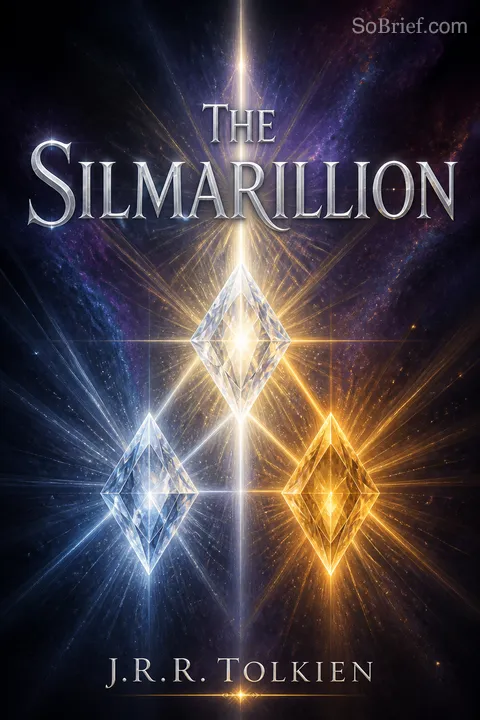
Impulsado por la visión de preservar la luz de los Dos Árboles, Fëanor crea los Silmarils, tres joyas perfectas que contienen su resplandor. Estas joyas se convierten en los objetos más preciados y codiciados de Arda. Melkor, liberado de su cautiverio y fingiendo arrepentimiento, codicia los Silmarils, sembrando discordia entre los Noldor. Sus mentiras y manipulaciones provocan creciente inquietud, preparando el terreno para futuros conflictos y tragedias.
La Huida y el Juramento de Fëanor
Incitado por el engaño de Melkor, Fëanor se rebela contra los Valar, liderando a los Noldor en la misión de recuperar los Silmarils de Morgoth, el nuevo nombre de Melkor. Jura un terrible juramento con sus hijos, prometiendo venganza contra quien retenga los Silmarils. Este juramento impulsa a los Noldor a abandonar Valinor, dando lugar a la matanza de parientes en Alqualondë, donde asesinan a sus parientes Teleri para apoderarse de sus naves. La partida de los Noldor está marcada por la condena y el dolor, pues Mandos los maldice por su derramamiento de sangre.
Comienza el Asedio de Angband
Los Noldor, liderados por los hijos de Fëanor y Fingolfin, llegan a la Tierra Media y establecen reinos en Beleriand. Sitian la fortaleza de Morgoth, Angband, en una larga lucha por recuperar los Silmarils. A pesar de su valor, los Noldor están divididos por conflictos internos y los efectos persistentes del juramento de Fëanor. El Asedio de Angband marca un período de paz tensa, mientras los Noldor fortifican sus posiciones y se preparan para el inevitable resurgimiento de las fuerzas de Morgoth.
El Amargo Regreso de Húrin y la Maldición
Tras años de cautiverio, Húrin es liberado por Morgoth, quien espera sembrar más discordia. Húrin, amargado y quebrantado, vaga por la Tierra Media buscando venganza por la ruina de su familia. Visita las tumbas de sus hijos, Túrin y Nienor, y de su esposa Morwen, quien muere en sus brazos. El viaje de Húrin lo conduce a Nargothrond, donde mata al enano Mîm y recupera el Nauglamír, un collar de gran belleza. Lo lleva a Thingol en Doriath, arrojándolo a los pies del rey en señal de desprecio. Melian revela el engaño de Morgoth, y Húrin, al comprender la magnitud de su tragedia, se retira, terminando por quitarse la vida.
Se Despliega la Tragedia de Túrin
Túrin, hijo de Húrin, crece en Doriath pero es impulsado por un espíritu inquieto. Se convierte en líder de forajidos y luego en héroe de Nargothrond, donde su orgullo conduce a su caída. Glaurung, el dragón, lo engaña, provocando que abandone a Finduilas, a quien ama, llevándola a la muerte. La hermana de Túrin, Nienor, cae bajo el hechizo de Glaurung, olvidando su identidad. Ella y Túrin se casan sin saberlo, pero al revelarse la verdad, Nienor se quita la vida. Túrin, desesperado, la sigue en la muerte, cumpliendo la maldición que Morgoth impuso a su familia.
La Caída del Orgullo de Nargothrond
Bajo la influencia de Túrin, Nargothrond abandona sus maneras secretas, construyendo un puente que revela su ubicación. Glaurung ataca y la ciudad cae. Bajo el hechizo del dragón, Túrin cree que su madre y hermana están en grave peligro, lo que lo lleva a abandonar a Finduilas. El engaño del dragón provoca la ruina de Nargothrond y la dispersión de su pueblo. Las acciones de Túrin, impulsadas por el orgullo y el malentendido, traen la caída de la ciudad y su propio destino trágico.
Se Acerca la Perdición de Doriath
Tras recibir Thingol el Nauglamír de manos de Húrin, desea incrustar el Silmaril en él. Encarga a los Enanos de Nogrod esta tarea, pero su codicia por el Silmaril provoca un conflicto. El orgullo y desprecio de Thingol hacia los Enanos los lleva a asesinarlo y robar el collar. Melian, abatida por el dolor, abandona la Tierra Media, dejando a Doriath vulnerable. La pérdida de Thingol y la protección de Melian marca el inicio de la caída de Doriath.
La Caída de la Gloria de Gondolin
Gondolin, la última gran ciudad élfica, cae ante las fuerzas de Morgoth debido a la traición de Maeglin. Dragones y Balrogs lideran el asalto, y la ciudad es destruida en una noche de fuego y sangre. Tuor e Idril escapan con su hijo Eärendil por un pasaje secreto, guiando a los sobrevivientes hacia la seguridad. La caída de Gondolin marca el fin de una era de gloria élfica en la Tierra Media.
El Viaje y Destino de Eärendil
Impulsado por el anhelo del mar y la situación de Elfos y Hombres, Eärendil navega hacia Valinor con el Silmaril. Suplica la intervención de los Valar contra Morgoth. Su viaje tiene éxito, y los Valar se preparan para enfrentar a Morgoth. La travesía de Eärendil se vuelve legendaria, y él es destinado a surcar los cielos con el Silmaril, convirtiéndose en símbolo de esperanza.
Se Desata la Guerra de la Ira
Liderados por Eönwë, los Valar lanzan un asalto masivo contra la fortaleza de Morgoth. La Guerra de la Ira arrasa Beleriand, pero Morgoth es finalmente derrotado y arrojado al Vacío. Los Silmarils se pierden y el mundo se transforma. Los Elfos son invitados a regresar a Valinor, marcando el fin de la Primera Edad y el comienzo de una nueva era.
La Forja de los Anillos de Poder
Disfrazado, Sauron ayuda a los Elfos a crear los Anillos de Poder. Secretamente forja el Anillo Único para controlarlos a todos. Los Elfos descubren su traición y ocultan sus Anillos. La influencia de Sauron se extiende, dando lugar a los Nazgûl y preparando el escenario para futuros conflictos. La lucha por los Anillos moldea el destino de la Tierra Media.
Personajes
Fëanor
Fëanor, primogénito de Finwë, es el más dotado y ambicioso de los Noldor. Su creación de los Silmarils lo señala como una figura de inmenso talento y orgullo. Impulsado por un feroz deseo de libertad y venganza, lidera a los Noldor en rebelión contra los Valar. Su juramento para recuperar los Silmarils a cualquier costo desencadena una cadena trágica de eventos que marcarán el destino de la Tierra Media.
Melkor (Morgoth)
En su tiempo el más poderoso de los Ainur, el deseo de poder de Melkor lo lleva a la rebelión y corrupción. Como Morgoth, se convierte en el Enemigo Oscuro del mundo, esparciendo caos y destrucción. Su codicia por los Silmarils y su manipulación de los Noldor siembran discordia y preparan el terreno para los grandes conflictos de la Primera Edad.
Manwë
Manwë, jefe de los Valar, encarna la sabiduría y la compasión. Busca mantener la paz y el orden en Arda, a menudo subestimando la profundidad de la malicia de Melkor. A pesar de sus esfuerzos, la rebelión de los Noldor y el ascenso de Morgoth desafían su autoridad y la armonía de Valinor.
Varda
Reverenciada por los Elfos como Elbereth, Varda es la creadora de las estrellas y consorte de Manwë. Su luz es un faro de esperanza para los Elfos, y su poder es temido por Morgoth. Desempeña un papel crucial en la creación del Sol y la Luna, trayendo luz a la Tierra Media.
Fingolfin
Segundo hijo de Finwë, Fingolfin es un líder sabio y valiente. A pesar de la traición de Fëanor, guía a su pueblo a través del Helcaraxë hacia la Tierra Media, donde se convierte en una figura clave en la lucha contra Morgoth. Su liderazgo y coraje inspiran a los Noldor en su larga guerra.
Thingol
Rey de Doriath, Thingol es un gobernante sabio cuyo deseo por el Silmaril conduce a su caída. Su desprecio hacia los Enanos provoca que lo asesinen y roben el collar, dejando a Doriath vulnerable. El orgullo de Thingol y la maldición del Silmaril precipitan la ruina del reino.
Melian
Maia de gran poder, Melian gobierna en Doriath, pero su amor por Thingol la vincula al mundo mortal. Con la muerte de Thingol, abandona la Tierra Media, dejando a Doriath sin protección. Su partida marca el inicio del fin del reino.
Túrin
Hijo de Húrin, Túrin es un héroe trágico cuya vida está marcada por el orgullo y la desgracia. A pesar de su valor, sus acciones conducen a la caída de Nargothrond y a la muerte de su hermana-esposa, Nienor. La historia de Túrin es un testimonio de la ineludible maldición que Morgoth impuso a su familia.
Eärendil
Hijo de Tuor e Idril, Eärendil se convierte en una figura clave en la historia de la Tierra Media. Su viaje a Valinor con el Silmaril provoca la intervención de los Valar contra Morgoth. La transformación de Eärendil en una estrella simboliza la esperanza y el legado perdurable de Elfos y Hombres, uniendo a ambas razas en su lucha común.
Sauron
Exteniente de Morgoth, Sauron busca dominar la Tierra Media mediante la manipulación y la creación de los Anillos de Poder. Su astucia y habilidad para disfrazar sus verdaderas intenciones lo convierten en un adversario formidable. La influencia de Sauron trasciende la Primera Edad, moldeando los acontecimientos de la Segunda y Tercera Edades en su afán por el control absoluto.
Elementos Narrativos
Los Silmarils
Forjados por Fëanor, los Silmarils contienen la luz de los Dos Árboles de Valinor. Simbolizan la belleza, el poder y las trágicas consecuencias del deseo y el orgullo. La búsqueda por recuperarlos impulsa gran parte del conflicto en la Primera Edad, convirtiéndose en el centro de la malicia de Morgoth y del juramento de los Noldor.
El Juramento de Fëanor
El juramento que Fëanor y sus hijos hacen para recuperar los Silmarils a cualquier precio es un dispositivo central que impulsa la narrativa. Los ata a un camino de persecución implacable y conflicto, conduciendo a la traición, la matanza de parientes y la eventual caída de muchos.
La Maldición de Morgoth
La maldición que Morgoth impone a Húrin y sus descendientes impulsa la narrativa, conduciendo a los destinos trágicos de Túrin y Nienor. Esta maldición ejemplifica el tema de la fatalidad ineludible y el poder destructivo de la malicia de Morgoth.
Los Anillos de Poder
Forjados con la guía de Sauron, los Anillos de Poder se convierten en el centro de la lucha por el dominio en la Tierra Media. El Anillo Único, en particular, encarna la voluntad de Sauron de controlar a todos los demás. La creación y distribución de los Anillos preparan el escenario para las épicas batallas y alianzas que definen la Segunda y Tercera Edades, resaltando temas de poder, corrupción y resistencia.
Análisis
"El Silmarillion" es una profunda exploración de los temas de la creación, el poder y las consecuencias del orgullo y la ambición. A través de su narrativa intrincada, Tolkien teje un tapiz de mito y leyenda, ilustrando la eterna lucha entre el bien y el mal. El libro profundiza en la naturaleza de la creación, el atractivo del poder y las trágicas consecuencias de la ambición desmedida. Sirve como una advertencia sobre los peligros del orgullo y la importancia de la humildad y la sabiduría. El legado perdurable de Elfos, Hombres y los Silmarils destaca la interconexión de todos los seres y el impacto de sus decisiones en el mundo. "El Silmarillion" es un testimonio del dominio narrativo de Tolkien, ofreciendo a los lectores una experiencia rica e inmersiva que resuena con verdades eternas y temas universales.
También leyeron
Preguntas frecuentes
Synopsis & Basic Details
What is The Silmarillion about?
- Cosmic Creation and Conflict: The Silmarillion narrates the creation of the world, Arda, through the music of the Ainur, and the subsequent discord introduced by Melkor, setting the stage for the epic struggles of the First Age.
- The Fate of the Silmarils: The central narrative revolves around the creation, theft, and recovery of the Silmarils, three jewels containing the light of Valinor, and the wars fought over them.
- The History of Elves and Men: The book details the history of the Elves, their rebellion, exile, and return to Middle-earth, as well as the emergence of Men and their interactions with the Elves and the Valar.
Why should I read The Silmarillion?
- Deep Dive into Tolkien's World: It provides the foundational mythology and history that underpins The Hobbit and The Lord of the Rings, offering a richer understanding of Tolkien's universe.
- Epic Scope and Grandeur: The Silmarillion presents a sweeping narrative of cosmic creation, divine beings, and the epic struggles of Elves and Men against the forces of evil.
- Exploration of Complex Themes: It delves into profound themes of creation, free will, fate, loss, and the corrupting influence of power, offering a deeper understanding of Tolkien's moral vision.
What is the background of The Silmarillion?
- Mythological and Cosmological: The Silmarillion is rooted in a complex mythology, detailing the creation of the world by Ilúvatar and the roles of the Valar and Maiar in shaping its history.
- Linguistic and Philological: Tolkien's deep interest in language is evident in the creation of Elvish languages and their influence on the names and lore within the book.
- Historical and Legendary: The narrative draws inspiration from various mythologies and legends, creating a sense of ancient history and epic tradition.
What are the most memorable quotes in The Silmarillion?
- "For he that attempteth this shall prove but mine instrument in the devising of things more wonderful, which he himself hath not imagined.": Ilúvatar's response to Melkor's discord, highlighting the ultimate power of creation and the futility of rebellion.
- "And the light of the eyes of Melkor was like a flame that withers with heat and pierces with a deadly cold.": This quote captures the terrifying nature of Melkor's power and the darkness he embodies.
- "Then Fëanor rose, and lifting up his hand before Manwë he cursed Melkor, naming him Morgoth, the Black Foe of the World; and by that name only was he known to the Eldar ever after.": This quote marks a pivotal moment, establishing Morgoth as the ultimate antagonist and setting the stage for the conflicts to come.
What writing style, narrative choices, and literary techniques does J.R.R. Tolkien use?
- Biblical and Mythic Tone: Tolkien employs a formal, elevated style reminiscent of biblical texts and ancient myths, lending a sense of timelessness and grandeur to the narrative.
- Multiple Perspectives and Shifting Focus: The narrative shifts between different perspectives, from the Ainur to the Elves and Men, providing a comprehensive view of the events and their impact.
- Foreshadowing and Thematic Echoes: Tolkien uses foreshadowing and thematic echoes to connect seemingly disparate events, revealing the underlying patterns and the cyclical nature of history.
Hidden Details & Subtle Connections
What are some minor details that add significant meaning?
- The Significance of Names: The names of characters and places often carry symbolic weight, reflecting their nature, destiny, or historical significance, such as Fëanor's name meaning "Spirit of Fire" foreshadowing his fiery nature.
- The Role of Music: Music is not just an aesthetic element but a fundamental force in the creation and shaping of the world, with the Ainulindalë demonstrating its power to bring forth existence.
- The Importance of Light: The light of the Two Trees and the Silmarils is not merely a physical phenomenon but a symbol of purity, beauty, and the divine presence, with its loss marking a fall from grace.
What are some subtle foreshadowing and callbacks?
- The Doom of the Noldor: The curse of Mandos, uttered after the Kinslaying, foreshadows the tragic fate of the Noldor and their inability to escape the consequences of their actions.
- The Seeds of Treachery: The subtle hints of Maeglin's jealousy and ambition foreshadow his eventual betrayal of Gondolin, highlighting the corrupting influence of power.
- The Echoes of the Music: The themes and motifs from the Ainulindalë reappear throughout the narrative, demonstrating how the initial discord continues to shape the events of Arda.
What are some unexpected character connections?
- The Kinship of Elves and Men: The marriages of Elves and Men, such as Beren and Lúthien, and Tuor and Idril, highlight the interconnectedness of the two races and their shared destiny.
- The Shared Lineage of Elrond and Elros: The brothers' shared ancestry, stemming from both Elves and Men, underscores the complex interplay of fate and choice in Tolkien's world.
- The Unlikely Friendship of Dwarves and Elves: The friendship between the Dwarves and Elves of Eregion, though ultimately tragic, reveals the potential for cooperation and understanding between different races.
Who are the most significant supporting characters?
- Melian: Her wisdom and foresight, as well as her power, shape the events of Doriath and influence the lives of many characters.
- Ulmo: His role as the Vala of the waters and his continued concern for Middle-earth, even after the Valar's withdrawal, make him a crucial figure in the narrative.
- Huan: The great wolfhound of Valinor, his loyalty and courage play a pivotal role in the story of Beren and Lúthien, and his death is a significant loss.
Psychological, Emotional, & Relational Analysis
What are some unspoken motivations of the characters?
- Fëanor's Possessiveness: Beyond his stated desire to preserve the light, Fëanor's actions are driven by a deep-seated possessiveness and a desire to control his creations.
- Melkor's Envy: Melkor's rebellion is not solely about power but also about a deep-seated envy of Ilúvatar's creative abilities and the love he receives from the other Ainur.
- Thingol's Pride: Thingol's actions are often motivated by a deep-seated pride and a desire to protect his kingdom, even at the expense of others.
What psychological complexities do the characters exhibit?
- Fëanor's Obsessive Nature: Fëanor's brilliance is intertwined with an obsessive nature, leading to his downfall and the tragic consequences of his actions.
- Túrin's Self-Destructive Tendencies: Túrin's life is marked by a pattern of self-destructive behavior, driven by his pride, guilt, and a sense of inescapable doom.
- Maeglin's Internal Conflict: Maeglin's internal conflict between his loyalty to his father and his desire for Idril leads to his ultimate betrayal of Gondolin.
What are the major emotional turning points?
- The Death of the Trees: The destruction of the Two Trees of Valinor marks a profound emotional turning point, plunging the Blessed Realm into darkness and setting the stage for the conflicts to come.
- The Kinslaying at Alqualondë: The slaughter of the Teleri by the Noldor is a moment of deep emotional trauma, leaving a lasting stain on the Noldor and their quest.
- The Death of Fingolfin: Fingolfin's duel with Morgoth is a moment of both despair and heroism, highlighting the tragic consequences of the Noldor's rebellion and the indomitable spirit of the Elves.
How do relationship dynamics evolve?
- The Shifting Alliances of the Noldor: The relationships between the Noldorin princes are marked by shifting alliances, betrayals, and reconciliations, reflecting the complex dynamics of power and kinship.
- The Love of Elves and Men: The relationships between Elves and Men, such as Beren and Lúthien, and Tuor and Idril, highlight the power of love to transcend racial boundaries and challenge the established order.
- The Corrupting Influence of Power: The relationships between the Valar and the Elves, and between the Númenórean kings and their people, demonstrate how power can corrupt even the noblest intentions.
Interpretation & Debate
Which parts of the story remain ambiguous or open-ended?
- The Fate of Men: The ultimate fate of Men after death remains a mystery, with the Elves only knowing that they depart from the world, leaving their destiny unknown.
- The Nature of Evil: The origins and nature of evil, as embodied by Melkor, are not fully explained, leaving room for interpretation and debate about its source and purpose.
- The Role of Fate and Free Will: The extent to which characters are bound by fate or have the freedom to choose their own paths is a recurring question, with no easy answers.
What are some debatable, controversial scenes or moments in The Silmarillion?
- The Kinslaying at Alqualondë: The Noldor's slaughter of the Teleri is a deeply controversial event, raising questions about the morality of their actions and the consequences of their rebellion.
- Fëanor's Oath: The nature and implications of Fëanor's oath are a source of debate, with some viewing it as a noble commitment and others as a tragic flaw.
- The Valar's Intervention: The Valar's decision to intervene in Middle-earth at the end of the First Age is a subject of debate, with some questioning their motives and the extent of their power.
The Silmarillion Ending Explained: How It Ends & What It Means
- The Defeat of Morgoth: The War of Wrath culminates in the defeat of Morgoth, but his evil influence continues to linger in the world, highlighting the ongoing struggle between good and evil.
- The Loss of the Silmarils: The Silmarils are not recovered by the Elves, but are scattered across the world, symbolizing the loss of the light of Valinor and the enduring nature of grief and longing.
- The Departure of the Elves: The departure of the Elves from Middle-earth marks the end of their dominion and the beginning of the age of Men, signifying the cyclical nature of history and the passing of one era into another.
Descargar PDF
Descargar EPUB
.epub digital book format is ideal for reading ebooks on phones, tablets, and e-readers.








































