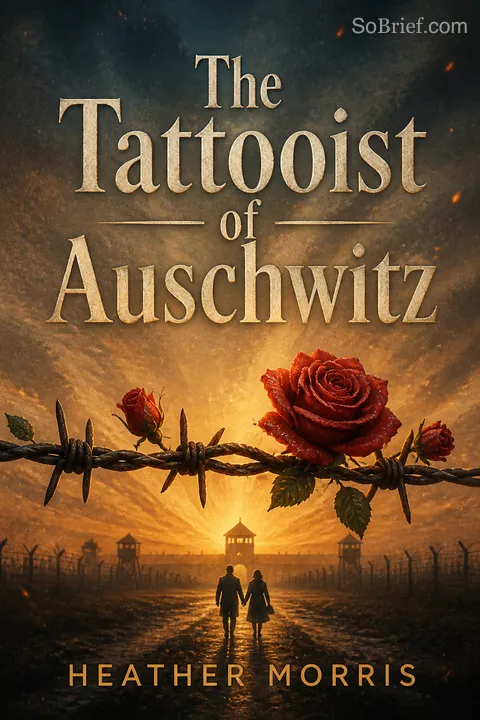
Resumen de la trama
Marcado para sobrevivir
Lale Sokolov, un judío eslovaco, es trasladado a Auschwitz en 1942. Allí se convierte en el tatuador del campo, encargado de marcar con números a sus compañeros prisioneros. Este papel le otorga ciertos privilegios, como raciones extra, que utiliza para ayudar a otros. A pesar de los horrores que lo rodean, Lale mantiene su dignidad y esperanza, decidido a sobrevivir y proteger a quienes puede.
Amor en medio del horror
En medio de la brutalidad del campo, Lale encuentra a Gita Furman, una compañera prisionera. Su amor florece en secreto, ofreciéndoles a ambos un destello de esperanza y humanidad. Lale jura sobrevivir y construir un futuro junto a Gita, a pesar de las abrumadoras adversidades.
Secretos y sacrificios
Lale aprovecha su posición para intercambiar joyas y dinero, introducidos clandestinamente por los prisioneros, por comida y medicinas. Arriesga su vida para salvar a Gita cuando enferma, consiguiendo medicinas a través de sus tratos en el mercado negro. Sus acciones están impulsadas por el amor y una férrea determinación de proteger a quienes ama.
Desafío y desesperación
A medida que avanza la guerra, la tensión en el campo aumenta. Lale presencia un levantamiento del Sonderkommando, que es brutalmente reprimido. El evento lo conmociona, pero sigue firme en su compromiso de sobrevivir y cuidar de Gita.
Esperanza en la oscuridad
Gracias a la influencia de Lale, Gita es asignada a un trabajo más seguro en la administración. A pesar de la constante amenaza de muerte, su amor se profundiza, convirtiéndose en un faro de esperanza en los momentos más oscuros. La resolución de Lale de sobrevivir y reunirse con Gita tras la guerra se fortalece.
El costo de la resistencia
Lale es descubierto con mercancías de contrabando y enviado al bloque de castigo, donde es torturado. Su amigo Jakub, obligado a golpearlo, le salva la vida simulando una paliza severa. El espíritu de Lale es puesto a prueba, pero permanece intacto, impulsado por su amor hacia Gita.
La promesa del amor que perdura
Cuando la guerra está por terminar, el caos se apodera del campo. Gita es forzada a una marcha de la muerte, y Lale es trasladado a otro campo. A pesar de la separación, Lale se aferra a la esperanza de reencontrarse con Gita, impulsado por la promesa de su amor.
El frágil amanecer de la libertad
Lale escapa del campo y regresa a Eslovaquia. Busca incansablemente a Gita, convencido de que sigue viva. Su viaje está lleno de obstáculos, pero su determinación nunca flaquea.
Reconstruyendo vidas
Milagrosamente, Lale y Gita se reúnen en Bratislava. Se casan y comienzan a reconstruir sus vidas, mudándose a Australia para escapar de las sombras de su pasado. Su amor, forjado en el crisol de Auschwitz, se convierte en la base de su nueva vida juntos.
Legado de coraje
Lale comparte su historia con el mundo, asegurándose de que los horrores del Holocausto nunca sean olvidados. Su relato es uno de amor, resiliencia y el poder perdurable del espíritu humano. A través de su testimonio, Lale honra a quienes perecieron y a quienes sobrevivieron, dejando un legado de valentía y esperanza.
Personajes
Lale Sokolov
Lale es un judío eslovaco carismático y astuto que se convierte en el tatuador de Auschwitz. Su rol le concede ciertos privilegios que utiliza para ayudar a otros, especialmente a Gita, el amor de su vida. La determinación de Lale por sobrevivir y proteger a sus seres queridos define su carácter y guía sus acciones a lo largo de la historia.
Gita Furman
Gita es una prisionera en Auschwitz que conquista el corazón de Lale. Su amor le brinda la fuerza para soportar los horrores del campo. A pesar de la constante amenaza de muerte, Gita permanece como un faro de esperanza y resiliencia, encarnando la posibilidad de un futuro más allá del campo.
Pepan
Pepan es el anterior tatuador que entrena a Lale y se convierte en su mentor. Reconoce la fortaleza y el potencial de Lale, ofreciéndole la oportunidad de sobrevivir al asumir el papel de tatuador. La guía y apoyo de Pepan son fundamentales para la supervivencia de Lale.
Jakub
Jakub es un prisionero obligado a trabajar como guardia en el bloque de castigo. A pesar de su rol, muestra compasión al salvar la vida de Lale durante una brutal golpiza. Las acciones de Jakub evidencian las complejidades morales que enfrentan los prisioneros forzados a ocupar posiciones de poder.
Cilka
Cilka es amiga de Gita que sufre abusos sexuales por parte de un oficial de las SS. Su estrategia de supervivencia consiste en la sumisión, que utiliza para protegerse a sí misma y a otros. La historia de Cilka subraya las difíciles decisiones que enfrentan las mujeres en el campo.
Baretski
Baretski es un oficial de las SS que supervisa el trabajo de Lale. A pesar de su rol, mantiene una relación compleja con Lale, mostrando a veces un atisbo de humanidad. El personaje de Baretski ilustra la ambigüedad moral y el conflicto interno dentro de las filas de los opresores.
Víctor y Yuri
Víctor y su hijo Yuri son trabajadores locales que ayudan a Lale introduciendo comida y suministros al campo de contrabando. Su disposición a arriesgar sus vidas para apoyar a Lale destaca la presencia de compasión y resistencia fuera del campo.
Mengele
Josef Mengele es el médico conocido por sus crueles experimentos con los prisioneros. Su presencia en el campo infunde miedo y representa la extrema inhumanidad del régimen nazi.
Nadya
Nadya es una mujer romaní que se convierte en una figura materna para Lale. Su bondad y sabiduría brindan consuelo y apoyo a Lale durante su estancia en el campo.
Leon
Leon es un joven prisionero que ayuda a Lale con el tatuaje. A pesar de sufrir un destino terrible a manos de Mengele, Leon permanece como un amigo leal, encarnando la resiliencia y el coraje.
Recursos narrativos
El tatuaje como símbolo
El acto de tatuar a los prisioneros es un símbolo poderoso tanto de supervivencia como de deshumanización. Para Lale, se convierte en un medio para protegerse a sí mismo y a otros, al tiempo que representa la pérdida de identidad y humanidad que sufren los prisioneros.
El amor como resistencia
La historia de amor entre Lale y Gita funciona como un recurso central, simbolizando la esperanza y la resistencia frente a las fuerzas deshumanizadoras del Holocausto. Su relación ofrece un sentido de propósito y una visión de un futuro más allá del campo.
Complejidad moral
La novela explora las complejidades morales que enfrentan los prisioneros, quienes deben tomar decisiones difíciles para sobrevivir. Personajes como Lale, Cilka y Jakub navegan estos desafíos, evidenciando las líneas difusas entre víctima y perpetrador.
El poder de la memoria
La decisión de Lale de compartir su historia subraya la importancia de la memoria y el relato para conservar la historia. La narrativa es un testimonio de la resiliencia del espíritu humano y la necesidad de recordar las atrocidades del Holocausto.
Análisis
"El tatuador de Auschwitz" es una narrativa poderosa que explora la fortaleza del espíritu humano frente a un horror inimaginable. A través de la historia de amor de Lale y Gita, la novela resalta la capacidad de esperanza y desafío en los momentos más oscuros. Invita a los lectores a reflexionar sobre las complejidades morales de la supervivencia y el impacto duradero del trauma. La historia recuerda la importancia de preservar la memoria y honrar a quienes sufrieron. En un contexto actual, subraya la necesidad de empatía, comprensión y vigilancia frente a las fuerzas del odio y la intolerancia.
También leyeron










Preguntas frecuentes
Synopsis & Basic Details
What is The Tattooist of Auschwitz about?
- Survival in Auschwitz: The story follows Lale Sokolov, a Slovakian Jew, who becomes the tattooist at Auschwitz-Birkenau, tasked with marking fellow prisoners.
- Love Amidst Horror: Lale falls in love with Gita Furman, a fellow prisoner, and their relationship becomes a source of hope and resistance against the dehumanizing conditions of the camp.
- A Fight for Humanity: The narrative explores Lale's struggle to maintain his humanity and protect those he cares about while navigating the brutal realities of the Holocaust.
Why should I read The Tattooist of Auschwitz?
- Unique Perspective: The novel offers a unique perspective on the Holocaust through the eyes of a prisoner who, despite his role, strives to maintain his humanity.
- Powerful Love Story: The central love story between Lale and Gita provides a compelling narrative that highlights the resilience of the human spirit in the face of unimaginable horror.
- Historical Insight: The book provides a glimpse into the daily lives of prisoners in Auschwitz, revealing the brutal realities of the camp and the complex moral choices they faced.
What is the background of The Tattooist of Auschwitz?
- Historical Setting: The novel is set against the backdrop of World War II and the Holocaust, specifically in the Auschwitz-Birkenau concentration camp in Nazi-occupied Poland.
- Personal Testimony: The story is based on the real-life experiences of Lale Sokolov, a Slovakian Jew who was forced to work as the camp's tattooist.
- Moral and Ethical Dilemmas: The book explores the complex moral and ethical dilemmas faced by prisoners in the camp, highlighting the difficult choices they had to make to survive.
What are the most memorable quotes in The Tattooist of Auschwitz?
- "We stand in shit but let us not drown in it.": This quote, spoken by Lale, encapsulates his determination to maintain hope and dignity despite the horrific circumstances.
- "To save one is to save the world.": This phrase, repeated throughout the book, reflects the theme of individual acts of kindness and resistance in the face of mass atrocity.
- "I will live to leave this place. I will walk out a free man.": This vow, made by Lale, demonstrates his unwavering commitment to survival and his refusal to be defeated by the camp's brutality.
What writing style, narrative choices, and literary techniques does Heather Morris use?
- Simple and Direct Prose: Morris employs a straightforward, accessible writing style that focuses on the emotional impact of the story rather than complex literary devices.
- Third-Person Limited Perspective: The narrative is primarily told from Lale's point of view, allowing readers to experience the events through his eyes and understand his inner thoughts and feelings.
- Focus on Dialogue and Action: The book relies heavily on dialogue and action to move the plot forward, creating a sense of immediacy and immersing the reader in the characters' experiences.
Hidden Details & Subtle Connections
What are some minor details that add significant meaning?
- Lale's Suit and Tie: Lale's initial attire of a pressed suit, clean white shirt, and tie, highlights his pre-war life and his attempt to maintain a sense of dignity and normalcy in the face of dehumanization.
- The Flowers: Lale's memory of his mother's flowers and his vow to pick them himself for a girl symbolizes his longing for beauty and love amidst the camp's ugliness.
- The Matches: Lale's act of setting fire to his jacket lining after his shower is a small act of defiance, demonstrating his refusal to be completely controlled by the SS.
What are some subtle foreshadowing and callbacks?
- The Man in the White Coat: The man in the white coat who inspects the girls foreshadows the arrival of Mengele and the horrors of his experiments.
- The "Lucky Bastard" Comment: The comment about the man killed on the train being a "lucky bastard" foreshadows the many deaths to come and the prisoners' longing for release from suffering.
- The "Mooooooo": The hesitant "Mooooooo" from deep in the dormitory after the men are forced to act like cattle foreshadows the dehumanization they will experience.
What are some unexpected character connections?
- Lale and Pepan: The connection between Lale and Pepan, the previous tattooist, is unexpected, as Pepan chooses Lale to take over his role, seeing a strength in him that others do not.
- Lale and Jakub: The relationship between Lale and Jakub, the man forced to torture him, reveals a hidden layer of compassion and resistance within the camp's brutal system.
- Lale and Victor/Yuri: The connection between Lale and the local workers, Victor and Yuri, highlights the existence of kindness and support from outside the camp.
Who are the most significant supporting characters?
- Pepan: As the previous tattooist, Pepan's mentorship and guidance are crucial to Lale's survival, and his decision to choose Lale is a pivotal moment in the story.
- Leon: As Lale's assistant, Leon's loyalty and friendship provide Lale with support and companionship, and his suffering at the hands of Mengele highlights the camp's brutality.
- Nadya: As a maternal figure in the Romani camp, Nadya's kindness and wisdom offer Lale comfort and a sense of belonging, and her eventual departure underscores the camp's cruelty.
Psychological, Emotional, & Relational Analysis
What are some unspoken motivations of the characters?
- Lale's Need to Protect: Lale's actions are driven by an unspoken need to protect those he cares about, particularly Gita, and this motivates his risky behavior and black-market dealings.
- Gita's Fear of Loss: Gita's reluctance to share her past and her fear of being separated from Lale reveal her deep-seated trauma and her need to protect herself emotionally.
- Baretski's Internal Conflict: Baretski's complex relationship with Lale suggests an unspoken internal conflict, as he is torn between his loyalty to the SS and his growing respect for Lale.
What psychological complexities do the characters exhibit?
- Lale's Guilt and Responsibility: Lale grapples with the guilt of his privileged position as the tattooist and the responsibility he feels for the lives of others, leading to internal conflict and self-doubt.
- Gita's Resilience and Vulnerability: Gita exhibits both remarkable resilience in the face of trauma and vulnerability in her fear of loss and her need for emotional connection.
- Baretski's Sadism and Insecurity: Baretski's sadistic behavior is intertwined with his own insecurities and his need to assert power, revealing a complex psychological profile.
What are the major emotional turning points?
- Lale's First Encounter with Gita: The moment Lale first looks into Gita's eyes is a major emotional turning point, marking the beginning of their love story and his commitment to survival.
- Lale's Torture in Block 11: Lale's experience in the punishment block is a major emotional turning point, testing his resilience and forcing him to confront his own mortality.
- The Deportation of the Romani: The deportation of the Romani people from Birkenau is a major emotional turning point for Lale, highlighting the camp's cruelty and his own powerlessness.
How do relationship dynamics evolve?
- Lale and Gita's Love: The relationship between Lale and Gita evolves from a spark of attraction to a deep, enduring love that sustains them through the horrors of the camp.
- Lale and Pepan's Mentorship: The relationship between Lale and Pepan evolves from a professional one to a mentorship, with Pepan guiding Lale and helping him to survive.
- Lale and Baretski's Ambiguity: The relationship between Lale and Baretski is complex and ambiguous, shifting between moments of cruelty and unexpected connection.
Interpretation & Debate
Which parts of the story remain ambiguous or open-ended?
- The Fate of Lale's Family: The fate of Lale's parents and brother remains ambiguous, as he never learns of their deaths, leaving a sense of unresolved grief and loss.
- The True Nature of Baretski: Baretski's true motivations and feelings towards Lale remain ambiguous, leaving the reader to question the extent of his humanity and his capacity for change.
- The Long-Term Impact of Trauma: The long-term psychological impact of the Holocaust on Lale and Gita is left somewhat open-ended, suggesting that the trauma they experienced will continue to shape their lives.
What are some debatable, controversial scenes or moments in The Tattooist of Auschwitz?
- Lale's Privileged Position: Lale's privileged position as the tattooist and his ability to obtain extra rations and resources can be seen as controversial, raising questions about the ethics of survival in extreme circumstances.
- Lale's Relationship with Baretski: Lale's complex relationship with Baretski, an SS officer, can be seen as controversial, raising questions about the nature of collaboration and the possibility of finding humanity in the enemy.
- The Portrayal of Mengele: The portrayal of Mengele as a figure of pure evil can be seen as controversial, as it may simplify the complex motivations and actions of those who participated in the Holocaust.
The Tattooist of Auschwitz Ending Explained: How It Ends & What It Means
- Reunion and New Beginnings: The ending sees Lale and Gita reunited in Bratislava, where they marry and begin to rebuild their lives, symbolizing the enduring power of love and hope.
- Escape and New Life: Their escape from Europe and their move to Australia represent a desire to leave the horrors of the past behind and create a new future for themselves.
- Legacy of Remembrance: The epilogue emphasizes the importance of remembering the Holocaust and honoring the memories of those who suffered, highlighting the enduring legacy of Lale's story.
El tatuador de Auschwitz Serie


Descargar PDF
Descargar EPUB
.epub digital book format is ideal for reading ebooks on phones, tablets, and e-readers.








































