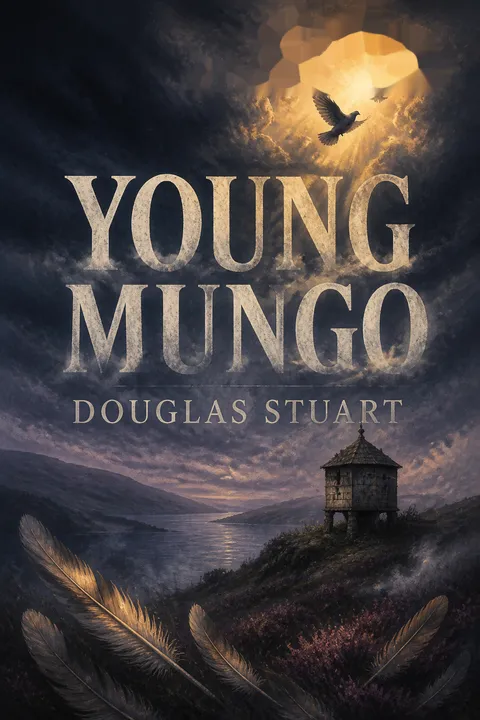
Summary Unavailable
This book is not suitable for a summary (it may be a textbook, workbook, cookbook, reference book, or collection). However, you can still explore the FAQs, about author, and other metadata below!
Resumen de la trama
Florece una Amistad Prohibida
En los barrios obreros de Glasgow, el joven Mungo, protestante, y James, católico, forjan una amistad improbable. Su vínculo crece en un mundo donde las líneas sectarias dictan las relaciones sociales y se espera que los jóvenes mantengan una reputación de hiper-masculinidad. A pesar de la presión social para ser enemigos, Mungo y James encuentran consuelo en la compañía mutua, compartiendo sueños de escapar de un entorno opresivo. Sin embargo, su amistad está llena de peligros, pues la amenaza de ser descubiertos se cierne sobre ellos, prometiendo consecuencias severas.
Secretos en el Doocot
Mungo y James hallan refugio en un doocot, un palomar que James ha construido. Este espacio apartado se convierte en su santuario, un lugar donde pueden mostrarse tal como son, lejos de miradas indiscretas. Mientras cultivan su amor, el doocot simboliza esperanza y libertad, en marcado contraste con las duras realidades de sus vidas. Allí sueñan con un futuro juntos, lejos de la violencia sectaria y las expectativas sociales que amenazan con separarlos.
Vínculos Familiares Peligrosos
El hermano mayor de Mungo, Hamish, es líder de una banda local con fama de brutalidad. Hamish encarna la masculinidad tóxica que impregna su comunidad, y su influencia sobre Mungo es a la vez protectora y opresiva. Mungo debe navegar entre las expectativas de su hermano mientras oculta su relación con James. El miedo constante a que Hamish descubra su secreto añade tensión a la vida de Mungo, obligándolo a llevar una doble vida.
Huida hacia el Lago
La madre de Mungo lo envía de pesca a un lago en el oeste de Escocia acompañado por dos hombres cuyas intenciones son inciertas. Este viaje, pensado como un rito de paso, pronto se convierte en una prueba de supervivencia. Mungo debe apoyarse en su fuerza interior y valentía para enfrentar los peligros que representan estos hombres, cuyo parloteo ebrio oculta motivos más oscuros. El viaje se transforma en una metáfora de la lucha de Mungo por encontrar su lugar en un mundo que exige conformidad.
Pruebas de Masculinidad
A lo largo de la novela, Mungo lidia con el concepto de masculinidad definido por su comunidad. La presión para ajustarse a un ideal hiper-masculino es constante, y su relación con James desafía esas normas. Frente a la violencia y el prejuicio, Mungo debe decidir si abraza su verdadero yo o sucumbe a las expectativas sociales. Su camino es uno de autodescubrimiento, aprendiendo a definir la masculinidad según sus propios términos.
El Santuario Oculto del Amor
A pesar de las amenazas externas, el amor entre Mungo y James les brinda un refugio frente al caos de sus vidas. Su relación es fuente de fortaleza y resistencia, ofreciendo esperanza en un mundo que busca separarlos. El doocot permanece como símbolo de su amor, un lugar donde pueden ser ellos mismos sin temor al juicio. Su vínculo es testimonio del poder del amor para trascender barreras sociales y ofrecer consuelo en los momentos más oscuros.
Valentía ante el Miedo
Conforme avanza la novela, el viaje de Mungo se convierte en una historia de valentía y aceptación personal. Debe enfrentar sus miedos y las fuerzas sociales que intentan controlarlo. A través de sus pruebas, aprende a abrazar su identidad y luchar por el futuro que desea junto a James. Su historia es un relato de resiliencia y esperanza, descubriendo la fuerza para desafiar expectativas y perseguir una vida auténtica y llena de amor.
Personajes
Mungo
Mungo es un adolescente protestante que navega las complejidades de la identidad y el amor en una sociedad sectaria. Su relación con James desafía las normas de su comunidad, obligándolo a confrontar sus miedos y deseos. El viaje de Mungo es un proceso de autodescubrimiento, aprendiendo a definir la masculinidad y el amor según sus propios términos. Su carácter encarna la resiliencia y el coraje, luchando por un futuro donde pueda ser fiel a sí mismo.
James
James, un joven católico, representa la esperanza y el amor en la vida de Mungo. Su relación desafía las expectativas sociales, ofreciendo un atisbo de un mundo donde el amor trasciende barreras religiosas y sociales. La pasión de James por las palomas mensajeras y la creación del doocot simbolizan su deseo de libertad y escape. A través de su vínculo con Mungo, se convierte en un catalizador de cambio, desafiando el statu quo e inspirando a Mungo a abrazar su verdadero yo.
Hamish
Hamish, hermano mayor de Mungo, es líder de una banda cuya reputación de violencia y brutalidad lo define. Representa la masculinidad tóxica que domina su comunidad, ejerciendo presión sobre Mungo para que se conforme. La influencia de Hamish es a la vez protectora y opresiva, pues busca mantener el honor familiar sin saber que amenaza la felicidad de Mungo. Su personaje funciona como contrapunto al camino de autoaceptación y amor de Mungo.
Madre de Mungo
La madre de Mungo es un personaje complicado, cuyas acciones están motivadas por sus propias luchas y deseos. Su decisión de enviar a Mungo de pesca es un intento erróneo de moldear su futuro, reflejando las expectativas sociales internalizadas. A pesar de sus defectos, se preocupa por Mungo a su manera, aportando profundidad a la dinámica familiar y evidenciando el impacto generacional de las normas sociales.
Recursos Narrativos
División Sectaria
La división sectaria entre protestantes y católicos en Glasgow es un recurso narrativo crucial que moldea las vidas e interacciones de los personajes. Esta división crea un mundo donde la relación entre Mungo y James está prohibida, añadiendo tensión y peligro a su historia de amor. El conflicto social subraya los temas de identidad, masculinidad y la lucha por la aceptación, impulsando la narrativa.
El Doocot
El doocot, un palomar construido por James, es un recurso narrativo significativo que representa la libertad y el amor. Sirve como santuario para Mungo y James, un lugar donde pueden expresarse auténticamente lejos del juicio social. El doocot simboliza la esperanza y la posibilidad de un futuro juntos, en contraste con el ambiente opresivo de su comunidad.
Análisis
"Young Mungo" es una poderosa exploración de la identidad, el amor y las fuerzas sociales que moldean nuestras vidas. Douglas Stuart retrata magistralmente las luchas de jóvenes atrapados entre las expectativas sociales y los deseos personales. La novela profundiza en las complejidades de la masculinidad, desafiando normas tradicionales y ofreciendo una perspectiva matizada sobre lo que significa ser hombre. A través del viaje de Mungo, Stuart destaca la resiliencia del espíritu humano y el poder transformador del amor. La historia nos recuerda la importancia de la autenticidad y el valor necesario para desafiar barreras sociales en busca del verdadero yo.
Última actualización:
Report IssueResumen de reseñas
También leyeron


Preguntas frecuentes
Synopsis & Basic Details
What is Young Mungo about?
- Forbidden love blooms: The novel centers on the burgeoning, secret love between Mungo, a Protestant boy, and James, a Catholic boy, in working-class Glasgow.
- Sectarianism and masculinity: It explores the intense pressures of sectarianism and hyper-masculine expectations that threaten their relationship and individual identities.
- Survival and escape: Mungo's journey involves navigating a dangerous family life and a perilous trip, all while yearning for a future where he can be with James.
Why should I read Young Mungo?
- Emotional depth and realism: The novel offers a raw and emotionally resonant portrayal of working-class life and the challenges faced by queer individuals.
- Complex character studies: It delves into the psychological complexities of its characters, exploring their motivations and vulnerabilities with nuance.
- Powerful social commentary: It provides a critical examination of societal norms, particularly regarding masculinity, sectarianism, and the impact of violence.
What is the background of Young Mungo?
- Glasgow's sectarian divide: The story is set against the backdrop of Glasgow's deep-rooted sectarian conflict between Protestants and Catholics, a significant cultural and historical element.
- Working-class environment: The novel vividly depicts the harsh realities of working-class life in Glasgow, including poverty, violence, and limited opportunities.
- Hyper-masculine culture: The narrative explores the pressures of a hyper-masculine culture, where men are expected to be tough, stoic, and conform to rigid gender roles.
What are the most memorable quotes in Young Mungo?
- "He was a boy made of glass": This quote, describing Mungo, encapsulates his fragility and vulnerability in the face of a harsh world, highlighting his emotional sensitivity.
- "The doocot was their secret": This phrase emphasizes the significance of the doocot as a sanctuary for Mungo and James, a place where they can be themselves, away from societal judgment.
- "Love was a dangerous thing": This quote underscores the central theme of the novel, highlighting the risks and challenges associated with love in a hostile environment.
What writing style, narrative choices, and literary techniques does Douglas Stuart use?
- Lyrical and visceral prose: Stuart employs a writing style that is both poetic and gritty, capturing the beauty and brutality of the characters' lives.
- Dual timeline narrative: The story alternates between Mungo's present journey and his past relationship with James, creating suspense and revealing character development.
- Internal monologue and free indirect discourse: Stuart uses these techniques to delve into the characters' thoughts and feelings, providing a deep understanding of their inner worlds.
Hidden Details & Subtle Connections
What are some minor details that add significant meaning?
- Mungo's fascination with birds: His interest in James' pigeons foreshadows his own desire for freedom and escape, mirroring the birds' ability to fly away from their confines.
- The recurring motif of broken glass: This symbolizes Mungo's fragility and the shattering of his innocence, reflecting the violence and trauma he experiences.
- The specific descriptions of the tenements: The decaying buildings and cramped living spaces emphasize the oppressive environment and the characters' lack of agency.
What are some subtle foreshadowing and callbacks?
- Early mentions of Hamish's violence: These hints foreshadow the extent of his brutality and the danger he poses to Mungo and James' relationship.
- The description of the loch as "dark and deep": This foreshadows the perilous nature of Mungo's fishing trip and the hidden dangers he will encounter.
- The recurring image of the color grey: This symbolizes the bleakness and monotony of Mungo's life, highlighting the lack of hope and opportunity in his environment.
What are some unexpected character connections?
- Mungo's mother's own hidden desires: Her actions, though often misguided, reveal her own yearning for a different life, mirroring Mungo's desire for escape.
- The connection between the men on the fishing trip: Their shared past and hidden motives create a sense of unease and danger, highlighting the pervasive nature of violence.
- The parallel between Mungo and James' mothers: Both women are struggling with their own circumstances, highlighting the challenges faced by women in this society.
Who are the most significant supporting characters?
- Moira, Mungo's mother: Her complex motivations and flawed attempts to protect Mungo reveal the generational impact of societal norms and personal struggles.
- Gallowgate, the older man on the fishing trip: His past and hidden motives create a sense of unease and danger, highlighting the pervasive nature of violence.
- Jodie, Mungo's sister: Her attempts to protect Mungo and her own struggles with her family highlight the challenges faced by women in this society.
Psychological, Emotional, & Relational Analysis
What are some unspoken motivations of the characters?
- Mungo's desire for acceptance: He yearns for love and belonging, driving his relationship with James and his attempts to navigate his family's expectations.
- James' need for freedom: His passion for pigeons and the doocot symbolizes his desire to escape the confines of his environment and societal expectations.
- Hamish's fear of vulnerability: His violent behavior stems from a deep-seated fear of appearing weak, highlighting the destructive nature of toxic masculinity.
What psychological complexities do the characters exhibit?
- Mungo's internal conflict: He struggles with his identity, torn between his love for James and the expectations of his family and community.
- James' resilience and hope: Despite the challenges he faces, he maintains a sense of optimism and a belief in the possibility of a better future.
- Hamish's repressed emotions: His inability to express his feelings leads to violent outbursts, revealing the psychological damage caused by toxic masculinity.
What are the major emotional turning points?
- The first kiss between Mungo and James: This moment marks a significant shift in their relationship, solidifying their love and commitment to each other.
- Mungo's realization of the danger on the fishing trip: This forces him to confront his vulnerability and the harsh realities of the world.
- The final confrontation with Hamish: This moment highlights the destructive nature of violence and the challenges Mungo faces in asserting his own identity.
How do relationship dynamics evolve?
- Mungo and James' relationship: Their bond deepens from friendship to love, becoming a source of strength and resilience in the face of adversity.
- Mungo and Hamish's relationship: Their dynamic shifts from one of brotherly protection to one of conflict and betrayal, highlighting the destructive nature of toxic masculinity.
- Mungo and his mother's relationship: Their relationship is marked by a complex mix of love, resentment, and misunderstanding, reflecting the challenges of family dynamics.
Interpretation & Debate
Which parts of the story remain ambiguous or open-ended?
- The exact nature of the relationship between the men on the fishing trip: Their past and motives are left somewhat unclear, adding to the sense of unease and danger.
- The ultimate fate of Mungo and James' relationship: The ending leaves the reader to imagine their future, highlighting the uncertainty and challenges they face.
- The extent of Mungo's mother's awareness: Her understanding of Mungo's true self and her motivations remain somewhat ambiguous, adding to her complexity.
What are some debatable, controversial scenes or moments in Young Mungo?
- The graphic violence: The novel's depiction of violence, particularly the scenes involving Hamish, can be disturbing and raise questions about its necessity.
- The portrayal of Mungo's mother: Her actions and motivations are complex and can be interpreted in different ways, leading to debate about her character.
- The ending's ambiguity: The open-ended nature of the conclusion can be frustrating for some readers, sparking debate about its meaning and implications.
Young Mungo Ending Explained: How It Ends & What It Means
- Mungo's escape and survival: The ending sees Mungo escaping the dangerous situation on the fishing trip, highlighting his resilience and determination to survive.
- The uncertain future with James: The novel concludes without a clear resolution for their relationship, leaving their future ambiguous and open to interpretation.
- The enduring power of love and hope: Despite the challenges and uncertainties, the ending emphasizes the enduring power of love and the possibility of hope in the face of adversity.
Descargar PDF
Descargar EPUB
.epub digital book format is ideal for reading ebooks on phones, tablets, and e-readers.








































