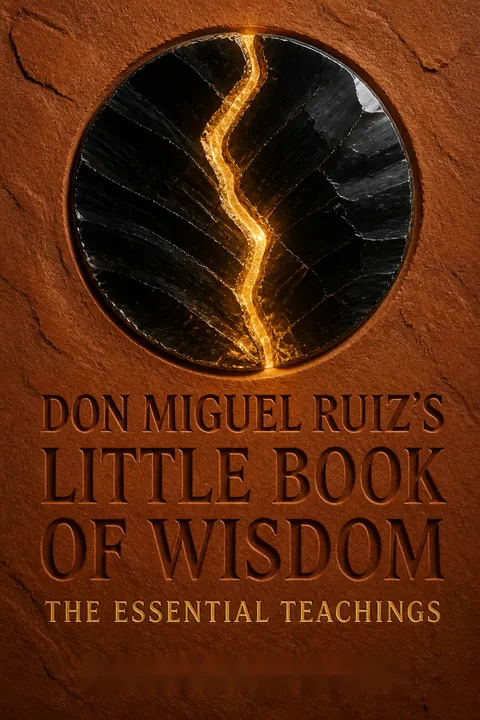
نکات کلیدی
1. ما همه هنرمندانی هستیم که داستانهای خود را خلق میکنیم
ما نویسندگان زندگی خود هستیم. هر انسان یک هنرمند است که بهطور مداوم واقعیت شخصی خود را از طریق افکار، باورها و اعمالش خلق و شکل میدهد. این قدرت خلاقانه محدود به عدهای خاص نیست، بلکه در همه ما نهفته است.
داستانهای ما جهان ما را شکل میدهند. روایتهایی که درباره خود و تجربیاتمان میسازیم، لنزی میشود که از طریق آن به جهان نگاه میکنیم و با آن تعامل داریم. این داستان برای هر فرد منحصر به فرد است و "رویای" شخصی ما را تشکیل میدهد که واقعیت ما را تعریف میکند.
مسئولیت و آزادی. شناخت نقشمان بهعنوان هنرمند زندگی خود، ما را قادر میسازد تا مسئولیت خلقاتمان را بپذیریم. ما این قدرت را داریم که هر زمان که بخواهیم داستانمان را تغییر دهیم و خود را از باورهای محدودکننده رها کنیم و امکانات جدیدی برای رشد و خوشبختی ایجاد کنیم.
2. قدرت ادراک واقعیت ما را شکل میدهد
واقعیت ذهنی است. ادراک ما از جهان حقیقتی عینی نیست، بلکه تفسیر ذهنی است که از طریق حواس، باورها و تجربیات ما فیلتر میشود. آنچه ما بهعنوان واقعیت میبینیم، در واقع یک ساختار ذهنی است.
ذهن بهعنوان آینه. مانند آینهای که نور را منعکس میکند، ذهن ما تصاویری را بر اساس اطلاعاتی که دریافت میکند، خلق میکند. با این حال، این انعکاسها نمای دقیقی از واقعیت خارجی نیستند و تحت تأثیر دانش، قضاوتها و تجربیات گذشته ما قرار دارند.
آگاهی از ادراک. درک ماهیت ذهنی ادراکمان به ما این امکان را میدهد که فرضیات و باورهایمان را زیر سؤال ببریم. این آگاهی میتواند به همدلی بیشتر منجر شود، زیرا ما متوجه میشویم که دیگران ممکن است جهان را بهطور متفاوتی ادراک کنند و همچنین میتواند ما را قادر سازد تا بهطور آگاهانه واقعیتمان را با تغییر ادراکاتمان شکل دهیم.
3. رهایی از اهلیسازی و شرطیسازی اجتماعی
شناسایی شرطیسازیمان. از بدو تولد، ما تحت فرآیند اهلیسازی توسط خانوادهها، جامعه و فرهنگمان قرار میگیریم. این شرطیسازی باورها، رفتارها و تصویر خود ما را شکل میدهد و اغلب بهگونهای است که پتانسیل و خوشبختی واقعیمان را محدود میکند.
تأثیر عشق شرطی. یکی از آسیبزنندهترین جنبههای اهلیسازی، یادگیری عشق ورزیدن بهصورت شرطی است. ما آموختهایم که تنها در صورتی شایسته عشق هستیم که انتظارات خاصی را برآورده کنیم یا بهطور خاصی رفتار کنیم. این امر به قضاوت خود، ترس از طرد شدن و ناتوانی در عشق ورزیدن به خود و دیگران بهطور بیقید و شرط منجر میشود.
مراحل رهایی:
- آگاهی از باورها و رفتارهای شرطیشدهتان
- زیر سؤال بردن اعتبار این باورها
- تمرین خودپذیری و عشق بیقید و شرط به خود
- به چالش کشیدن انتظارات اجتماعی که با خود واقعیتان همخوانی ندارد
- پرورش آگاهی برای اتخاذ انتخابهای آگاهانه بهجای واکنشهای خودکار
4. تسلط بر چهار توافق
قدرت تحولآفرین. چهار توافق، همانطور که توسط دون میگل روئیز آموزش داده شده، چارچوبی قدرتمند برای آزادی و خوشبختی شخصی ارائه میدهد. این توافقها بهعنوان ابزارهایی برای رهایی از باورهای محدودکننده و خلق زندگیای اصیل و شاد عمل میکنند.
چهار توافق:
- با کلام خود بینقص باشید: با صداقت صحبت کنید و فقط آنچه را که واقعاً میخواهید بگویید
- هیچ چیزی را شخصی نگیرید: هیچچیزی که دیگران انجام میدهند به خاطر شما نیست
- فرضیات نکنید: شجاعت پرسش کردن و بیان آنچه واقعاً میخواهید را پیدا کنید
- همیشه بهترین خود را انجام دهید: بهترین شما از لحظهای به لحظه دیگر تغییر میکند، اما همیشه بهترین تلاشتان را بکنید
تمرین و تسلط. پیادهسازی این توافقها نیاز به تمرین و آگاهی مداوم دارد. با ادغام آنها در زندگیتان، آزادی شخصی بیشتری، روابط بهتری و نگرش مثبتتری به زندگی خواهید یافت.
5. پذیرش عشق بیقید و شرط و خودپذیری
شما بهاندازه کافی خوب هستید—شما کامل هستید—دقیقاً به همان شکلی که هستید.
عشق به خود بهعنوان پایه. خودپذیری بیقید و شرط سنگ بنای خوشبختی شخصی و روابط رضایتبخش است. این شامل شناخت ارزش ذاتی شما، مستقل از دستاوردهای خارجی یا نظرات دیگران است.
شکستن چرخه عشق شرطی. بسیاری از ما یاد گرفتهایم که به خود و دیگران بهصورت شرطی عشق بورزیم، بر اساس برآورده کردن انتظارات خاص. این امر به رنج و روابط ناپایدار منجر میشود. با تمرین عشق بیقید و شرط به خود، میتوانیم این چرخه را بشکنیم و همان عشق بیقید و شرط را به دیگران نیز گسترش دهیم.
مراحل پرورش خودپذیری:
- شناسایی و به چالش کشیدن گفتوگوهای منفی با خود
- تمرین خودشفقتی و بخشش
- جشن گرفتن ویژگیها و نقاط قوت منحصر به فرد خود
- جدا کردن ارزش خود از دستاوردها یا اشتباهاتتان
- احاطه کردن خود با افراد مثبت و حمایتگر
6. توهم دانش و جستجوی حقیقت
هر آنچه فکر میکنیم میدانیم تنها یک توافق است و بر اساس زبان ما بنا شده است. این فقط کلمات است.
دانش بهعنوان یک ساختار. آنچه ما بهعنوان دانش در نظر میگیریم، اغلب مجموعهای از توافقات بر اساس زبان و توافق اجتماعی است. این "دانش" میتواند ادراک ما از واقعیت را محدود کند و مانع از تجربه مستقیم حقیقت شود.
محدودیتهای زبان. کلمات و مفاهیم نمادهایی هستند که سعی در توصیف واقعیت دارند اما خود واقعیت نیستند. درک واقعی اغلب فراتر از آنچه میتوان در زبان بیان کرد، قرار دارد.
جستجوی حقیقت فراتر از دانش:
- باورها و فرضیاتتان را زیر سؤال ببرید
- تجربه مستقیم را تمرین کنید و بهجای تکیه صرف بر مفاهیم
- آگاهی از لحظه حال را پرورش دهید
- عدم قطعیت و ناشناخته را بپذیرید
- درک کنید که حقیقت اغلب پارادوکسیکال و فراتر از درک عقلانی است
7. آگاهی بهعنوان کلید تحول شخصی
آگاهی "من هستم" را در کنترل نگه میدارد.
قدرت آگاهی. پرورش آگاهی برای رشد و تحول شخصی بنیادی است. این به ما اجازه میدهد تا افکار، احساسات و رفتارهای خود را بدون قضاوت مشاهده کنیم و فضایی برای انتخاب آگاهانه ایجاد کنیم.
شکستن الگوهای خودکار. بسیاری از واکنشها و رفتارهای ما خودکار هستند و بر اساس شرطیسازی گذشته شکل گرفتهاند. آگاهی به ما این امکان را میدهد که این الگوها را قطع کنیم و انتخابهایی متناسب با خود واقعیمان انجام دهیم.
تمرین آگاهی:
- یک تمرین منظم مدیتیشن یا ذهنآگاهی ایجاد کنید
- در طول روز به افکار و احساساتتان توجه کنید
- واکنشهای عادیتان را در موقعیتهای مختلف مشاهده کنید
- تمرین کنید که در لحظه حاضر باشید
- بدون قضاوت یا نیاز به تغییر چیزی، مشاهده کنید
8. غلبه بر ترس و پذیرش زندگی
از زندگی نترسید، از خودتان نترسید، از هیچچیز نترسید—از همه چیز لذت ببرید در حالی که اینجا هستید، درست همانطور که شما اینجا هستید.
درک ترس. ترس یک احساس طبیعی است که میتواند ما را از خطرات واقعی محافظت کند. با این حال، بیشتر ترسهای ما بر اساس سناریوهای خیالی آینده یا تجربیات گذشته است که توانایی ما را برای درگیر شدن کامل با زندگی محدود میکند.
شجاعت و عمل. غلبه بر ترس به این معنا نیست که هرگز احساس ترس نکنیم. بلکه به معنای داشتن شجاعت برای اقدام با وجود ترس است، و درک اینکه رشد و تحقق اغلب در سمت دیگر منطقه راحتی ما قرار دارد.
استراتژیهایی برای پذیرش زندگی:
- ترسهای غیرمنطقی را شناسایی و به چالش بکشید
- بهطور منظم قدمهای کوچکی خارج از منطقه راحتیتان بردارید
- تمرین ذهنآگاهی کنید تا در لحظه حاضر باقی بمانید
- شکستها را بهعنوان فرصتهای یادگیری بازتعریف کنید
- برای تجربیات زندگی، چه مثبت و چه چالشبرانگیز، قدردانی کنید
9. پیوستگی همه موجودات
انسانیت از بیش از هفت میلیارد موجود زنده تشکیل شده است و ما با هم یکی هستیم.
وحدت در تنوع. با وجود تفاوتهای ظاهریمان، همه انسانها بخشهای به هم پیوسته یک کل بزرگتر هستند. این درک میتواند همدلی، شفقت و حس مسئولیت مشترک برای جهانمان را تقویت کند.
فراتر از پیوستگی انسانی. مفهوم پیوستگی فراتر از انسانیت به تمام طبیعت و خود جهان گسترش مییابد. ما بخشی از یک سیستم زنده وسیع هستیم که در آن هر عمل تأثیرات دوربردی دارد.
پیامدهای پیوستگی:
- با kindness و احترام با دیگران رفتار کنید
- تأثیر اعمالتان بر جهان وسیعتر را شناسایی کنید
- همدلی و شفقت را پرورش دهید
- در تعارضات به دنبال راهحلهای برد-برد باشید
- مسئولیت نقشتان در مسائل جهانی را بپذیرید
10. مرگ بهعنوان بزرگترین معلم ما
مرگ بزرگترین معلم ماست؛ او همهچیز را به ما میدهد و همهچیز را پس میگیرد.
پذیرش ناپایداری. شناخت واقعیت مرگ میتواند دیدگاه ما را نسبت به زندگی تغییر دهد. این به ما میآموزد که لحظه حال را ارزشمند بدانیم و از آنچه داریم در حالی که داریم، قدردانی کنیم.
زندگی بهطور کامل. آگاهی از مرگمان میتواند ما را به زندگیای اصیلتر و هدفمندتر ترغیب کند. این ما را تشویق میکند تا آنچه واقعاً مهم است را در اولویت قرار دهیم و از نگرانیهای بیاهمیت رها شویم.
درسهایی از مرگ:
- ارزش هر لحظه را درک کنید
- بر آنچه واقعاً در زندگی مهم است تمرکز کنید
- از کینهها رها شوید و بخشش را تمرین کنید
- با ترسهایتان روبهرو شوید و ریسکهای مثبت را بپذیرید
- با صداقت و اصالت زندگی کنید
خلاصه نقدها
خوانندگان به طور کلی از کتاب کوچک خرد دون میگل روئیز به دلیل پیامهای ساده اما عمیق آن تمجید میکنند. بسیاری از افراد خرد این کتاب را قابل اجرا در زندگی روزمره میدانند و از پتانسیل آن برای تحول شخصی قدردانی میکنند. برخی از منتقدان اشاره میکنند که محتوای کتاب تکراری است و میتوانست مختصرتر باشد. آموزههای کتاب دربارهی خوددوستی، رها کردن قضاوتها و زندگی اصیل با بسیاری از خوانندگان همصدا میشود. چندین نفر به شباهت آن با "چهار میثاق" و دیگر آثار روئیز اشاره میکنند. در حالی که برخی جنبههای خاصی را نقد میکنند، اکثر افراد ارزش پیام کلی و توصیههای عملی کتاب را مییابند.
دیگران نیز خواندهاند


سؤالات متداول
What is "don Miguel Ruiz's Little Book of Wisdom" about?
- Legacy of Toltec Wisdom: The book, compiled by Miguel Ruiz Jr., distills the essential teachings of don Miguel Ruiz, rooted in the ancient Toltec tradition, focusing on personal freedom, self-awareness, and unconditional love.
- Practical Spiritual Guide: It offers practical advice and philosophical insights for transforming one’s life by changing personal beliefs, agreements, and self-perceptions.
- Personal and Universal: The book blends personal anecdotes, Toltec stories, and universal truths to help readers understand the nature of reality, suffering, and happiness.
- Accessible Wisdom: It is designed as a collection of short passages and stories, making it easy to read, reflect upon, and apply to daily life.
Why should I read "don Miguel Ruiz's Little Book of Wisdom" by Miguel Ruiz Jr.?
- Transformative Self-Help: The book provides actionable wisdom for overcoming self-judgment, suffering, and conditional love, leading to greater happiness and inner peace.
- Toltec Teachings Simplified: It breaks down complex Toltec concepts into accessible language and practical steps, making ancient wisdom relevant for modern readers.
- Personal Growth Focus: Readers seeking to change their personal narrative, improve relationships, and cultivate self-love will find clear guidance and inspiration.
- Legacy and Authenticity: The book is a heartfelt tribute to don Miguel Ruiz’s teachings, offering both the author’s personal experiences and the core messages that have helped millions worldwide.
What are the key takeaways from "don Miguel Ruiz's Little Book of Wisdom"?
- You Create Your Story: Each person is the artist of their own life, creating a personal reality through beliefs, agreements, and the use of language.
- Freedom Through Awareness: True freedom comes from becoming aware of and questioning the stories, judgments, and domestication imposed by society and oneself.
- Unconditional Self-Love: Loving yourself without conditions is the foundation for happiness and the ability to love others authentically.
- The Four Agreements: The core Toltec agreements—be impeccable with your word, don’t take anything personally, don’t make assumptions, and always do your best—are practical tools for transformation.
How does "don Miguel Ruiz's Little Book of Wisdom" define and use the concept of "Agreements"?
- Personal Contracts: Agreements are personal contracts or beliefs we make about reality and ourselves, often unconsciously, that shape our experiences and behaviors.
- Source of Suffering or Joy: Some agreements lead to happiness and freedom, while others cause drama, suffering, and self-limitation.
- Toltec Four Agreements: The book highlights the Four Agreements as tools to break old, harmful agreements and create a new, more fulfilling life.
- Power to Change: By becoming aware of and changing our agreements, we reclaim personal power and reshape our reality.
What is the Toltec tradition, and how does it influence "don Miguel Ruiz's Little Book of Wisdom"?
- Ancient Wisdom: The Toltecs were an ancient group in Mexico who viewed every human as an artist of their own life, focusing on perception and personal transformation.
- Family Lineage: The Ruiz family has passed down Toltec wisdom through generations, blending it with modern psychology and common sense.
- Way of the Artist: The book encourages readers to see themselves as artists, consciously creating their lives through choices, words, and beliefs.
- Universal Application: While rooted in Toltec tradition, the teachings are presented as universal, practical, and accessible to anyone, regardless of background.
What are the Four Agreements, and why are they central to "don Miguel Ruiz's Little Book of Wisdom"?
- Be Impeccable with Your Word: Use language truthfully and constructively, as words shape your reality and self-image.
- Don’t Take Anything Personally: Recognize that others’ actions and words are about them, not you, freeing you from unnecessary suffering.
- Don’t Make Assumptions: Avoid projecting your own stories onto others; instead, seek clarity and understanding.
- Always Do Your Best: Your best changes from moment to moment; doing your best leads to self-acceptance and growth.
- Foundation for Change: These agreements are practical tools for breaking old patterns and creating a new, more authentic life.
How does "don Miguel Ruiz's Little Book of Wisdom" explain the concepts of "Domestication" and "Conditional Love"?
- Domestication Defined: Domestication is the process by which society, family, and culture teach us how to behave, what to believe, and how to love, often through reward and punishment.
- Conditional Love: We learn to love ourselves and others with conditions, leading to self-rejection, judgment, and suffering.
- Breaking Free: The book emphasizes awareness as the key to breaking free from domestication and practicing unconditional self-love.
- Impact on Relationships: Understanding these concepts helps readers stop trying to control others and instead focus on self-respect and authentic love.
What is the role of "Knowledge" and "The Voice of Knowledge" in "don Miguel Ruiz's Little Book of Wisdom"?
- Knowledge as a Double-Edged Sword: Knowledge consists of beliefs, language, and stories we accumulate, which can either serve us or limit us.
- Voice of Knowledge: The internal narrator or voice in our head often perpetuates old agreements, judgments, and lies, leading to suffering.
- Skepticism and Awareness: The book advises being skeptical of both external and internal voices, listening but not automatically believing, and testing what is true for oneself.
- Knowledge as an Ally: With awareness, knowledge becomes a tool we control, rather than something that controls us.
How does "don Miguel Ruiz's Little Book of Wisdom" address suffering and the path to happiness?
- Addiction to Suffering: The book asserts that humans are often addicted to suffering, practicing it until it becomes habitual.
- Breaking the Habit: The antidote is to practice seeing everything as beautiful, appreciating life, and focusing on what brings joy.
- Happiness is a Choice: Happiness comes from loving oneself unconditionally and living authentically, not from external validation or circumstances.
- Present Moment Focus: By letting go of the past and not worrying about the future, one can find happiness in the present.
What practical advice does "don Miguel Ruiz's Little Book of Wisdom" offer for changing your personal story?
- Awareness First: Recognize that your life is a story you have created, and you have the power to change it.
- Change the Main Character: The only way to change your story is by changing your beliefs about yourself—the main character.
- Forgiveness and Letting Go: Forgive yourself and others, let go of past wounds, and focus on self-love to heal and transform your story.
- Action and Practice: Take consistent action on new agreements and perspectives; practice makes the master.
What are the most important Toltec concepts explained in "don Miguel Ruiz's Little Book of Wisdom"?
- Personal Dream and Dream of the Planet: Each person has a unique perspective (personal dream), while society shares a collective dream (Dream of the Planet).
- Mitote: The chaos of conflicting voices and thoughts in the mind, which can be quieted through awareness and skepticism.
- Authentic Self: The true self beyond roles, images, and knowledge—connected to life, love, and the present moment.
- Attachment and Detachment: Recognizing when you are attached to beliefs, roles, or outcomes, and learning to detach and return to your authentic self.
What are the best quotes from "don Miguel Ruiz's Little Book of Wisdom" and what do they mean?
- "You are good enough—you are perfect—just the way you are."
This quote emphasizes unconditional self-acceptance as the foundation for happiness and transformation. - "The only story that you can change is your own."
It reminds readers that true change starts within, not by trying to control others. - "The word is the main tool of the artist."
This highlights the power of language in shaping reality and the importance of using words impeccably. - "The truth will set you free."
The book teaches that freedom comes from seeing through the lies and stories we tell ourselves, and living in alignment with truth and love. - "We are here to be alive, to enjoy life, to explore life, to be ourselves, and it is beautiful."
This encapsulates the book’s core message: embrace life fully, authentically, and joyfully.
درباره نویسنده
دانلود PDF
دانلود EPUB
.epub digital book format is ideal for reading ebooks on phones, tablets, and e-readers.








































