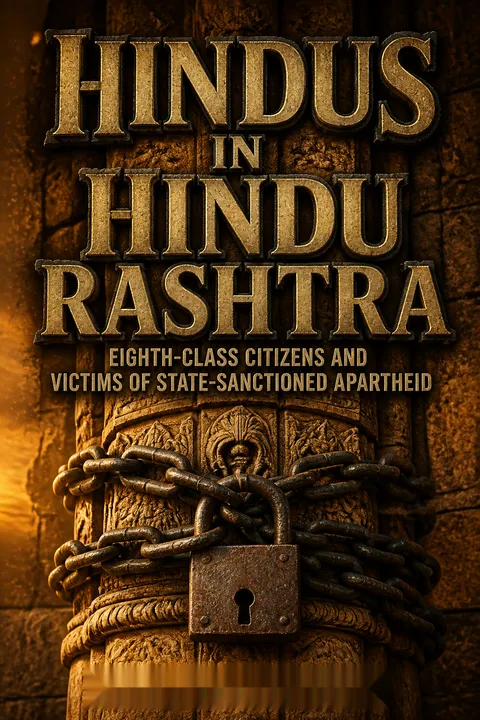

نکات کلیدی
1. هندوها در هند با آپارتاید دولتی مواجه هستند.
بدتر از تسلیم یک جامعه، آپارتاید علیه دیگر جوامع است.
تبعیض به جای تسلیم. این کتاب استدلال میکند که در حالی که تسلیم اقلیتها وجود دارد، تبعیض فعال علیه هندوها مسئلهای مهمتر است. این تبعیض در قانون اساسی، سیاستها و چارچوب قانونی گنجانده شده و هندوها را در کشور خود به عنوان شهروندان درجه دو احساس میکند.
نمونههای تبعیض:
- کنترل دولتی بر معابد هندو
- بیعدالتی نسبت به هندوهای کشمیری
- قانون وقف
- قانون حق تحصیل
واقعیتهای سیاسی. نویسنده اشاره میکند که تسلیم اغلب بهمنظور کسب رأی در انتخابات انجام میشود، اما تبعیض سیستماتیک علیه هندوها مسئلهای عمیقتر و مضرتر است. این تبعیض صرفنظر از اینکه کدام حزب سیاسی در قدرت است، ادامه دارد.
2. کنترل دولتی بر معابد هندو یک کلاهبرداری مالی است.
کنترل دولتی بر معابد هندو و اموال آنها بهطور قابل توجهی بزرگترین و مالیترین کلاهبرداری هند مستقل است.
غارت و چپاول. کنترل دولتی بر معابد هندو بهعنوان یک کلاهبرداری مالی بزرگ توصیف میشود که حتی از بخش نفت نیز در زمینه خسارت مالی بیشتر است. نویسنده استدلال میکند که اگر دین باید از دولت جدا باشد، دولت نیز باید از دین جدا باشد.
نمونههای کنترل دولتی:
- دولتهای 10 ایالت تنها بیش از 110,000 معبد هندو را کنترل میکنند.
- دولت تامیل نادو بهتنهایی 36,425 معبد و 56 مکتب را کنترل میکند.
- دولت کمونیستی کرالا پنج هیئت دیواسوم را مدیریت میکند که 3,058 معبد را تحت کنترل دارند.
تأثیر مالی. خسارت به معابد هندو به دلیل کنترل دولتی در طول دههها به لکسهای کرور تخمین زده میشود. این خسارت مانع از تأمین مالی وید پاتشالاها، مدارس، کالجها، گاوشالها، بورسهای تحصیلی، یتیمخانهها و مراکز فرهنگی و مذهبی هندو میشود.
3. هندوهای کشمیری در سرزمین خود بهطور ناعادلانهای رنج میبرند.
ما در کشوری از آینههای شکسته زندگی میکنیم، جایی که اگر هندو کشمیری باشید، نه سایهای دارید و نه انعکاسی.
پاکسازی قومی. این کتاب به بیعدالتیهایی که هندوهای کشمیری با آن مواجه هستند، اشاره میکند که از سرزمین خود پاکسازی قومی شدهاند. با وجود تردد بالای گردشگران در کشمیر، دولت نتوانسته است مسکن و امنیت کافی برای ساکنان اصلی فراهم کند.
نمونههای بیعدالتی:
- تنها 17% از خانههای وعده داده شده برای هندوهای کشمیری در شش سال گذشته تکمیل شده است.
- تنها 5,928 هندو کشمیری از طریق طرح شغلی نخستوزیر استخدام شدهاند.
- هندوهای کشمیری که میخواهند فرار کنند زیرا از جان خود میترسند، در حال حبس هستند.
فیلم «پروندههای کشمیر». فیلم "پروندههای کشمیر" تلاش کرده است تا روایت هندوهای کشمیری را بازتنظیم کند، اما بسیاری از صداهای برجسته کشمیری خواستار ممنوعیت این فیلم شدهاند. نویسنده استدلال میکند که بدون یادآوری، آشتی ممکن نیست.
4. قانون وقف به تصرف زمین کمک میکند.
وقف سومین مالک بزرگ زمین در هند است.
مالکیت زمین. وقف سومین مالک بزرگ زمین در هند است که بخش زیادی از اراضی آن به زمان پیش از استقلال برمیگردد. قانون وقف 1995 به هیئت وقف اختیارات وسیعی برای اعلام املاک بهعنوان زمین وقف میدهد.
نمونههای املاک وقف:
- هفتاد و هفت درصد از دهلی بر روی زمین وقف است، از جمله دادگاه عالی دهلی.
- مرکز ویستا، مجتمع CGO و استادیوم جواهر لعل نهرو بر روی زمین وقف قرار دارند.
- هیئت وقف ادعای 354,913 ملک و 866,035 املاک را دارد که شامل 802,000 جریب زمین هندی است.
اختیارات دیکتاتوری. قانون وقف 1995 به کمیسر بازرسی وقف اختیارات و قدرتی مشابه دادگاههای مدنی میدهد. همچنین به وقف این قدرت را میدهد که تعیین کند آیا زمین شما وقف است یا خیر.
5. قانون حق تحصیل علیه مدارس هندو تبعیض قائل میشود.
همه مدارس مذهبی برابرند، اما برخی از آنها کمتر برابرند.
کاربرد نابرابر. قانون حق تحصیل (RTE) بهطور انتخابی بر مدارس غیر اقلیتها اعمال میشود و منجر به تبعیض علیه مدارس تحت مدیریت هندوها میشود. این قانون الزامی میکند که 25% از صندلیها باید به کودکان از بخشهای اقتصادی ضعیف (EWS) اختصاص یابد، اما این برای مدارس اقلیتها اعمال نمیشود.
نمونههای تبعیض:
- مدارس غیر اقلیت نمیتوانند هزینه ثبتنام داشته باشند یا دانشآموزانی را که میخواهند پذیرش کنند، غربال کنند.
- بازپرداخت هزینه توسط دولت هرگز بهموقع نیست و این امر باعث میشود که مدرسه به بدهی بیفتد و حتی تعطیل شود.
- شما باید یک رویه انتخابی که توسط دولت تعیین شده برای معلمان داشته باشید - که شامل استخدام بر اساس سهمیه است.
بستن مدارس. در سال 2017، اتحادیه مدارس مستقل ملی (NISA) فهرستی از مدارس در 12 ایالت تهیه کرد که بهدلیل عدم رعایت مقررات سختگیرانه RTE خواسته شده بودند تعطیل شوند. تا 7,000 مدرسه در مهاراشترا به تعطیلی تهدید شده بودند.
6. قوانین به نفع غیر هندوها و علیه هندوها عمل میکنند.
در هندوئیسم، دین یک شاخه از سبک زندگی است، در حالی که در اسلام، سبک زندگی یک شاخه از دین است.
استانداردهای دوگانه. این کتاب استدلال میکند که دولت اغلب استانداردهای متفاوتی را برای هندوها و غیر هندوها اعمال میکند و در حالی که به اصلاح شیوههای هندو میپردازد، از اصلاحات مشابه در دیگر ادیان خودداری میکند. این منجر به وضعیتی میشود که قوانین به نفع غیر هندوها و علیه هندوها عمل میکنند.
نمونههای استانداردهای دوگانه:
- چندهمسری تحت قانون هند ممنوع است اما تحت قانون شخصی مسلمانان مجاز است.
- لایحه پیشگیری از خشونتهای قومی و هدفمند (دسترسی به عدالت و جبران خسارت) 2011 برای حفاظت از اقلیتها طراحی شده بود اما میتوانست برای تبعیض علیه هندوها استفاده شود.
- فمینیستها در مورد کارواچائوت خشمگین میشوند اما در مورد اعطای حقوق ارث برابر به زنان مسلمان، به زیر سنگ محبوب خود میروند.
انتقاد آمبدر. نویسنده به انتقاد دکتر آمبدر از انتقاد انتخابی از هندوئیسم اشاره میکند و خاطرنشان میکند که جامعه مسلمان در هند نیز از همان مشکلات اجتماعی رنج میبرد که جامعه هندو.
7. قوه قضائیه اغلب تنها به اصلاح هندوئیسم میپردازد.
مفاهیم عقلانیت نمیتوانند در مسائل مذهبی مطرح شوند.
مداخله انتخابی. قوه قضائیه اغلب بهطور انتخابی در شیوههای مذهبی هندو مداخله میکند و از مداخله مشابه در دیگر ادیان خودداری میکند. این موضوع در رأیگیری سابریمالا که بر خلاف سنتهای چندصد ساله معبد بود، مشهود است.
نمونههای مداخله انتخابی:
- دادگاه عالی تریپورا قربانی کردن حیوانات را ممنوع کرد، در حالی که هندوها استدلال کردند که این عمل یک سنت تانتریک چندصد ساله است.
- قضات دادگاه عالی هیماچال پرادش نیز سنت چندصد ساله قربانی کردن حیوانات در جشن کلو داسهرا را ممنوع کردند.
- NGT شبهقضائی دستور ممنوعیت نواختن زنگ و خواندن شلوکها توسط زائران در آمرنات را صادر کرد.
قربانی کردن حیوانات. نویسنده این سؤال را مطرح میکند که چرا تنها هندوهای مذهبی از قربانی کردن حیوانات منع میشوند، در حالی که عمل حلال بهطور مشابه مورد بررسی قرار نمیگیرد.
8. هند کسانی را که هندوها را کشتند، گرامی میدارد.
تاریخ ما توسط کسانی نوشته شده که از هندوها، هندوئیسم و هندوستان متنفر بودند.
گرامیداشت ویرانگران. این کتاب به انتقاد از عمل گرامیداشت شخصیتهای تاریخی میپردازد که میلیونها هندو را کشتند و به زور به دینهای دیگر تبدیل کردند. این شامل نامگذاری شهرها و خیابانها به نام این شخصیتها و بزرگداشت آنها به روشهای مختلف است.
نمونههای ویرانگران گرامیداشته شده:
- بختیار خلیجی که دانشگاه نالاندا را ویران کرد، دارای ایستگاه راهآهن و شهری به نام اوست.
- بابر که معابد را ویران کرد، در مرکز دهلی خیابانی به نام او وجود دارد.
- سنت فرانسیس ژاویر که رهبری تفتیش عقاید گوا را بر عهده داشت، توسط میلیونها هندی بزرگداشت میشود.
تیپو سلطان. نویسنده به مورد تیپو سلطان اشاره میکند که معابد را ویران کرد و هزاران نفر را به زور به دین اسلام تبدیل کرد، اما اغلب بهعنوان نماد همزیستی مذهبی جشن گرفته میشود.
9. قانون مکانهای عبادت بیعدالتی را تداوم میبخشد.
این قانون به تاریخ ما و آینده ملت اشاره میکند؟ نه. این قانون تاریخ ما را پاک میکند و آینده ما را نابود میکند.
حفظ بیعدالتی. قانون مکانهای عبادت 1991، حفظ تمام مکانهای مذهبی بههمان شکلی که در 15 اوت 1947 بودند را الزامی میکند و بهطور مؤثری اصلاح بیعدالتیهای تاریخی را ممنوع میکند. تأیید این قانون توسط دیوان عالی در سال 2019 مورد انتقاد قرار گرفته است.
نمونههای بیعدالتی:
- بیعدالتی تاریخی کاشی یا متورا اکنون هرگز نمیتواند مورد بررسی قرار گیرد مگر اینکه پارلمان این قانون را لغو کند.
- ناندی در مسجد گیانوپی 400 سال است که منتظر است تا پروردگارش ظهور کند.
- این قانون مانع از بازپسگیری مکانهای عبادت و اصلاح بیعدالتیهای تاریخی میشود.
فراخوان برای لغو. نویسنده خواستار لغو قانون مکانهای عبادت میشود و استدلال میکند که این یک قانون وحشیانه است که تاریخ را پاک میکند و آینده را نابود میسازد.
خلاصه نقدها
کتاب "هندوها در هندو راشترا" دیدگاهی جنجالی درباره وضعیت هندوها در هند ارائه میدهد و ادعا میکند که آنها با وجود اینکه اکثریت هستند، با تبعیض سیستماتیک مواجهاند. منتقدان این کتاب به پژوهشهای آن و بینشهای روشنگرانهاش اشاره میکنند، در حالی که برخی دیگر آن را یکسویه و فاقد ظرافت میدانند. این کتاب به موضوعاتی مانند کنترل معابد، قوانین آموزشی و تعصب قضایی میپردازد. بسیاری از خوانندگان آن را تحریککننده مییابند، هرچند برخی به لحن و دقت اطلاعات آن شک دارند. بهطور کلی، این کتاب بهعنوان یک فراخوان پرشور برای رسیدگی به ناعدالتیهای ادراکشده علیه هندوها در هند معاصر تلقی میشود.
دیگران نیز خواندهاند





سؤالات متداول
What’s "Hindus in Hindu Rashtra" by Anand Ranganathan about?
- Central Thesis: The book argues that Hindus, despite being the majority in India, face state-sanctioned discrimination and are treated as "eighth-class citizens" in their own country.
- Eight Illustrations: Ranganathan identifies and analyzes eight key areas—legal, legislative, and societal—where Hindus are systematically disadvantaged.
- Focus on Policy and Law: The book critiques both historical and current governments, including the BJP, for perpetuating or failing to address this discrimination.
- Evidence-Based Approach: The author uses legal documents, historical references, and contemporary examples to substantiate his claims.
Why should I read "Hindus in Hindu Rashtra" by Anand Ranganathan?
- Unique Perspective: The book offers a contrarian view to the mainstream narrative that India is becoming a "Hindu Rashtra" hostile to minorities, arguing instead that Hindus are institutionally disadvantaged.
- Comprehensive Analysis: It provides detailed, referenced discussions on laws, policies, and court judgments affecting Hindus.
- Awareness and Advocacy: Readers interested in Indian politics, law, and society will gain insight into lesser-discussed aspects of secularism and minority rights.
- Call to Action: The book encourages Hindus and policymakers to recognize and address these systemic issues.
What are the key takeaways from "Hindus in Hindu Rashtra" by Anand Ranganathan?
- State Control of Temples: Hindu temples are uniquely subject to state control and financial exploitation, unlike places of worship of other religions.
- Legal and Constitutional Discrimination: Laws like the Waqf Act, RTE Act, and Places of Worship Act institutionalize discrimination against Hindus.
- Judicial and Legislative Bias: The judiciary and legislature often target Hindu practices for reform while avoiding similar scrutiny of other religions.
- Historical Narrative Manipulation: The book claims that Indian history education and public memory glorify invaders and downplay atrocities against Hindus.
How does Anand Ranganathan define "state-sanctioned apartheid" against Hindus in "Hindus in Hindu Rashtra"?
- Legal Discrimination: The author uses the term to describe laws and policies that explicitly or implicitly disadvantage Hindus, such as state control of temples and selective application of educational regulations.
- Political Tokenism: He argues that political parties, including those seen as pro-Hindu, offer only symbolic gestures without substantive policy change.
- Entrenched in Constitution: Ranganathan claims that this discrimination is embedded in constitutional amendments and legal frameworks.
- Societal Impact: The result is a Hindu majority that is fragmented, marginalized, and denied equal rights in key areas.
What are the eight main areas of discrimination against Hindus identified in "Hindus in Hindu Rashtra"?
- State Control of Hindu Temples: Government management and financial exploitation of Hindu religious institutions.
- Injustice towards Kashmiri Hindus: Lack of justice and rehabilitation for victims of the Kashmiri Hindu exodus and genocide.
- The Waqf Act, 1995: Special legal privileges and powers granted to Muslim religious endowments, often at the expense of Hindu property rights.
- The RTE Act: Selective application of the Right to Education Act, burdening Hindu-run schools while exempting minority institutions.
- Legislations Targeting Hindus: Laws and bills that reform or restrict Hindu practices but avoid similar reforms for other religions.
- Judicial Reform Focused on Hinduism: Courts disproportionately target Hindu customs for reform while sparing others.
- Celebration of Historical Perpetrators: Glorification of figures who committed atrocities against Hindus in public spaces and education.
- Places of Worship Act, 1991: Legal barriers to reclaiming Hindu sites destroyed or converted by invaders.
How does "Hindus in Hindu Rashtra" by Anand Ranganathan critique the State control of Hindu temples?
- Financial Exploitation: The book details how state governments control temple revenues and properties, often diverting funds away from Hindu causes.
- Selective Application: Only Hindu temples are subject to such control, while mosques and churches manage their own affairs.
- Impact on Community Services: State control limits temples’ ability to fund educational, cultural, and charitable activities for Hindus.
- Legal Challenges Ignored: Petitions to free temples from state control have languished in courts without resolution.
What is Anand Ranganathan’s analysis of the Waqf Act, 1995, in "Hindus in Hindu Rashtra"?
- Parallel Legal System: The Waqf Act creates a powerful, autonomous system for managing Muslim religious properties, with its own tribunals and enforcement mechanisms.
- Discriminatory Provisions: The Act allows Waqf Boards to claim property as Waqf with minimal oversight, often shifting the burden of proof to non-Muslim owners.
- No Equivalent for Hindus: There is no similar legal framework for Hindu, Sikh, or Christian religious properties.
- Political and Judicial Support: Attempts to challenge the Act have been dismissed by courts and ignored by successive governments.
How does "Hindus in Hindu Rashtra" address the Right to Education (RTE) Act and its impact on Hindu-run schools?
- Selective Enforcement: The RTE Act’s requirements, such as the 25% EWS quota, are enforced on Hindu-run schools but not on minority institutions.
- Financial Strain: Delayed government reimbursements and strict regulations have led to the closure of thousands of Hindu schools.
- Constitutional Loopholes: Articles 30 and 15(5) of the Constitution are cited as enabling this discrimination.
- Long-Term Consequences: The author argues this leads to the decline of Hindu educational institutions and increased conversion pressures.
What examples does "Hindus in Hindu Rashtra" give of judicial and legislative bias against Hindus?
- Reform Targeting Only Hindus: Laws and court judgments often focus on reforming Hindu practices (e.g., Sabarimala, animal sacrifice) while avoiding similar scrutiny of other religions.
- Overturning Pro-Hindu Judgments: Political interventions have reversed court decisions that favored Hindu interests, such as the Shah Bano case.
- Selective Outrage: The judiciary and activists are portrayed as quick to criticize Hindu customs but silent on issues within other communities.
- Impact on Religious Freedom: The book argues this bias undermines the constitutional right of Hindus to manage their own religious affairs.
How does "Hindus in Hindu Rashtra" by Anand Ranganathan critique the historical narrative taught in India?
- Glorification of Invaders: The book claims that Indian history textbooks and public spaces honor figures who perpetrated violence against Hindus.
- Distortion and Erasure: Atrocities against Hindus are downplayed or blamed on Hindus themselves, while the achievements of Hindu heroes are minimized.
- Impact on Identity: This narrative, according to the author, fosters self-loathing and weakens Hindu civilizational consciousness.
- Call for Reclamation: Ranganathan urges a re-examination and correction of historical narratives to reflect the true experiences of Hindus.
What is the significance of the Places of Worship Act, 1991, according to "Hindus in Hindu Rashtra"?
- Legal Freeze on Injustice: The Act mandates that the religious character of places of worship as of 1947 cannot be changed, except for the Ram Janmabhoomi site.
- Blocks Redressal: This law prevents Hindus from reclaiming sites that were converted or destroyed by invaders, regardless of historical evidence.
- Judicial Endorsement: The Supreme Court’s Ayodhya judgment is cited as having ratified this Act, further entrenching the status quo.
- Civilizational Implications: The author argues that denying justice for historical wrongs undermines the continuity and dignity of Hindu civilization.
What are the best quotes from "Hindus in Hindu Rashtra" by Anand Ranganathan and what do they mean?
- "Hindus were and continue to be eighth-class citizens, regardless of who holds the reins of power."
This encapsulates the book’s central argument that discrimination is systemic and not limited to any one political party. - "Appeasement may rankle, but Indians have learnt to accept it... The issue is of apartheid."
The author distinguishes between political appeasement and deeper, structural discrimination. - "History that is written by the victors is peddled by the vanquished."
Ranganathan critiques the way history is taught and remembered in India, arguing it perpetuates Hindu marginalization. - "The concept of justice is like memory. It keeps getting passed on until realised."
This quote reflects the book’s call for historical redress and the enduring nature of the quest for justice.
درباره نویسنده
کتابهای دیگر از آناند رانگاناتان
دانلود PDF
دانلود EPUB
.epub digital book format is ideal for reading ebooks on phones, tablets, and e-readers.








































