نکات کلیدی
1. پرورش ذهنی زیبا از طریق گوش دادن فعال و پاسخهای اندیشمندانه
یک شنونده خوب تقریباً به اندازه یک گوینده خوب جذاب است. شما نمیتوانید ذهنی زیبا داشته باشید اگر ندانید چگونه گوش دهید.
گوش دادن فعال کلید است. برای توسعه ذهنی زیبا، باید هنر گوش دادن را به خوبی بیاموزید. این شامل توجه کامل به گوینده، نشان دادن علاقه واقعی و تلاش برای درک دیدگاه اوست. گوش دادن فعال فراتر از شنیدن صرف است؛ این نیاز به درگیر شدن با ایدهها و احساسات گوینده دارد.
پاسخهای اندیشمندانه گفتوگوها را ارتقا میدهد. یک ذهن زیبا به گونهای پاسخ میدهد که گفتوگو را غنیتر میکند. این شامل پرسیدن سوالات روشنکننده، ارائه مثالها یا داستانهای مرتبط و گسترش ایدههای گوینده است. با این کار، شما احترام به گوینده را نشان میدهید و به گفتوگویی سازنده و لذتبخش کمک میکنید.
2. تسلط بر هنر توافق و عدم توافق برای گفتوگوهای معنادار
عدم توافق نشاندهنده توجه به حقیقت است. شما نمیخواهید اجازه دهید کسی با چیزی که یا نادرست است یا به عنوان حقیقت بدون اثبات ارائه شده، فرار کند.
توافق با احتیاط. یک ذهن زیبا به دنبال نقاط توافق بهطور واقعی اما نه تملقآمیز است. هنگام توافق، به موارد زیر توجه کنید:
- شرایط خاصی که در آن بیانیه درست است
- ارزشهای زیرین که با بیانیه همراستا هستند
- تجربیات شخصی که دیدگاه را حمایت میکند
عدم توافق بهطور سازنده. هنگام عدم توافق، با ادب و احترام عمل کنید. بر روی موارد زیر تمرکز کنید:
- اشتباهات در منطق یا تفسیر
- ادراک انتخابی یا تعصب احساسی
- تعمیمهای گسترده که نیاز به ظرافت دارند
- توضیحات یا احتمالات جایگزین
3. تولید گزینهها و کاوش در امکانات برای غنیسازی بحثها
گزینهها مخالف سختی هستند. عدم تمایل به جستجوی گزینهها نشاندهنده ذهنی بسیار سخت است که به دنبال دیدگاه بهتر از جهان یا راه بهتری برای انجام کارها نیست.
تفکر خلاق را در آغوش بگیرید. یک ذهن زیبا بهطور مداوم گزینهها را تولید کرده و امکانات را کاوش میکند. این رویکرد گفتوگوها را با:
- به چالش کشیدن حکمتهای متعارف
- ارائه دیدگاههای تازه در مورد مشکلات قدیمی
- تحریک راهحلهای نوآورانه غنی میکند
تفکر حدسی را تمرین کنید. از سناریوهای "اگر" برای کاوش در نتایج و پیامدهای بالقوه استفاده کنید. این روش:
- دامنه بحث را گسترش میدهد
- حل مسئله تخیلی را تشویق میکند
- فرصتها یا چالشهای پیشبینینشده را نمایان میسازد
4. بهرهبرداری از قدرت مفاهیم برای پرورش ایدهها و دیدگاههای جدید
مفاهیم مانند والدینی هستند که فرزندان (ایدهها) را به وجود میآورند و مانند تقاطعهای جادهای هستند که چندین جاده دیگر را باز میکنند.
جوهره را درک کنید. مفاهیم اصول یا ایدههای زیرین هستند که به افکار یا اعمال خاصی منجر میشوند. با درک مفاهیم، میتوانید:
- ایدههای مرتبط را بهراحتی تولید کنید
- اصول را در حوزههای مختلف به کار ببرید
- ارتباطات بین موضوعات ظاهراً نامرتبط را ببینید
مفاهیم را استخراج و به کار ببرید. تمرین کنید تا مفاهیم اصلی را در بحثها شناسایی کرده و از آنها به عنوان سکوی پرتاب برای ایدههای جدید استفاده کنید. این شامل:
- شناسایی الگوها و اصول
- انتزاع ایدههای عمومی از مثالهای خاص
- به کار بردن مفاهیم در زمینههای نوآورانه برای تولید بینشهای تازه است
5. پذیرش احساسات و ارزشها به عنوان اجزای جداییناپذیر تفکر
احساسات و عواطف بخش بسیار مهمی از تفکر هستند.
هوش عاطفی را شناسایی کنید. یک ذهن زیبا نقش احساسات را در تصمیمگیری و ادراک میپذیرد. احساسات:
- بر نحوه ادراک و تفسیر اطلاعات تأثیر میگذارند
- انتخابها و اولویتهای ما را هدایت میکنند
- بینشهای شهودی را فراهم میکنند که منطق به تنهایی ممکن است از دست بدهد
تعادل بین منطق و احساس. احساسات و ارزشها را در فرآیند تفکر خود ادغام کنید:
- از احساسات به عنوان نقاط داده ارزشمند استفاده کنید، نه به عنوان تنها محرکهای تصمیمگیری
- شناسایی کنید که چگونه ارزشهای شخصی نظرات و قضاوتها را شکل میدهند
- برای ترکیب هماهنگ تحلیل منطقی و هوش عاطفی تلاش کنید
6. توسعه نگرش انعطافپذیر و تمایل به تغییر نظرات
تغییر نظر هرگز نشانه ضعف نیست. برعکس، این یکی از معدود راههایی است که تفکر باز را که در یک ذهن زیبا ضروری است، نشان میدهد.
تواضع فکری را در آغوش بگیرید. یک ذهن زیبا در برابر تغییر نظرات در پرتو اطلاعات جدید یا استدلالهای قانعکننده باز میماند. این انعطافپذیری:
- رشد و بلوغ فکری را نشان میدهد
- بحثهای سازندهتری را پرورش میدهد
- به تصمیمگیری و حل مسئله بهتر منجر میشود
تمرین بازنگری فعال در نظرات. بهطور منظم نظرات خود را با:
- جستجوی دیدگاههای متنوع
- به چالش کشیدن فرضیات خود
- اذعان به زمانی که موضع اولیه شما نادرست یا ناقص بوده است، ارزیابی کنید
7. به کارگیری تفکر موازی با استفاده از روش شش کلاه تفکر
تفکر موازی نبرد استدلال را با کاوش مشترک در موضوع جایگزین میکند، زیرا همه طرفها در هر لحظه بهطور همزمان "در موازی" فکر میکنند.
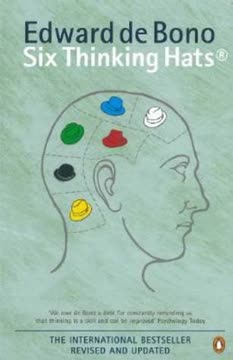
شش کلاه را درک کنید. روش شش کلاه تفکر ادوارد دِ بونو، کاوش همکاری را ترویج میکند:
- کلاه سفید: تمرکز بر دادهها و اطلاعات موجود
- کلاه قرمز: ابراز احساسات و شهود
- کلاه سیاه: شناسایی مشکلات و خطرات بالقوه
- کلاه زرد: کاوش در مزایا و جنبههای مثبت
- کلاه سبز: تولید ایدهها و گزینههای خلاقانه
- کلاه آبی: مدیریت فرآیند تفکر و تعیین اهداف
تفکر موازی را به کار ببرید. از این روش برای:
- کاوش در موضوعات از زوایای مختلف بهطور همزمان
- کاهش تعارض در بحثها با جدا کردن حالتهای مختلف تفکر
- بهبود حل مسئله با اطمینان از اینکه همه جنبهها در نظر گرفته شدهاند، استفاده کنید
8. تعادل بین جمعآوری اطلاعات و حدسهای خلاقانه
نیاز به فعال بودن به جای واکنش منفعل وجود دارد. این موضوع به نشستن و گفتن "من را سرگرم کن" مربوط نمیشود. بلکه بیشتر به کار مشترک برای دیدن اینکه چه چیزی میتوان از یک پایگاه دانش محدود ساخت، مربوط است.
دانش گسترده را پرورش دهید. یک ذهن زیبا به دنبال تعادل بین عمق و وسعت دانش است:
- آگاهی عمومی از رویدادهای جاری و موضوعات متنوع را توسعه دهید
- زمینههای تخصص عمیقتری را پرورش دهید (اصل "زولو")
- حقایق و داستانهای جالب را جمعآوری کنید تا گفتوگوها را غنیتر کنید
در حدسهای خلاقانه شرکت کنید. هنگامی که با اطلاعات محدود مواجه هستید:
- از تخیل برای پر کردن شکافهای دانش استفاده کنید
- فرضیههایی را پیشنهاد دهید و پیامدهای آنها را کاوش کنید
- دیگران را به پیوستن به تفکر حدسی تشویق کنید
9. پرورش علاقه واقعی و پرسیدن سوالات چالشبرانگیز
سوالات یک وسیله کلیدی برای تعامل در هر گفتوگو یا بحث هستند. یک شنونده باید به دنبال پرسیدن سوالات باشد.
کنجکاوی را پرورش دهید. یک ذهن زیبا علاقه واقعی به طیف وسیعی از موضوعات را حفظ میکند:
- به موضوعات ناآشنا با اشتیاق نزدیک شوید
- به دنبال جنبههای جالب در موضوعات به ظاهر عادی باشید
- تمرین کنید تا ارتباطات بین حوزههای مختلف دانش را پیدا کنید
سوالات قدرتمند بپرسید. گفتوگوها را با پرسیدن:
- سوالات باز که تشویق به توضیحات بیشتر میکند
- سوالات روشنکننده برای اطمینان از درک
- سوالات عمیق که فرضیات زیرین را کاوش میکند
- سوالات فرضی که تفکر خلاق را تحریک میکند، غنیتر کنید
خلاصه نقدها
کتاب چگونه ذهنی زیبا داشته باشیم نقدهای متفاوتی دریافت کرد. بسیاری از خوانندگان آن را بینشافزا دانسته و توصیههای عملی آن را برای بهبود مهارتهای مکالمه و توسعه ذهنی جذاب مفید یافتند. برخی از زبان ساده و نکات کاربردی آن برای تعاملات اجتماعی تمجید کردند. با این حال، دیگران آن را ابتدایی یا تکراری دانسته و پیشنهاد کردند که بیشتر برای مبتدیان یا جوانان مناسب است. چندین منتقد از تأکید د بونو بر ذهن باز و اختلاف نظر محترمانه قدردانی کردند. به طور کلی، به نظر میرسد کتاب بر اساس دانش قبلی و انتظارات خوانندگان، نظرات متفاوتی را به خود جلب میکند.
دیگران نیز خواندهاند




سؤالات متداول
What's "How to Have a Beautiful Mind" about?
- Focus on Mind's Beauty: The book emphasizes the importance of having a beautiful mind, which is more attractive than physical beauty. It suggests that a beautiful mind can be developed through creativity, imagination, and empathy.
- Conversational Skills: Edward de Bono provides practical advice on how to enhance conversational skills to make one's mind more appealing and engaging in social situations.
- Techniques and Methods: The book introduces various techniques, such as the Six Thinking Hats and lateral thinking, to improve thinking and communication.
- Mind's Appeal: It argues that a beautiful mind is independent of age and can grow more attractive with wisdom and experience.
Why should I read "How to Have a Beautiful Mind"?
- Enhance Communication: The book offers strategies to improve your conversational skills, making interactions more engaging and meaningful.
- Develop Creativity: It provides tools to foster creativity and imagination, which are essential for a beautiful mind.
- Practical Advice: Edward de Bono's methods are practical and can be applied in everyday conversations to make them more interesting.
- Personal Growth: Reading the book can lead to personal development by encouraging empathy and understanding in discussions.
What are the key takeaways of "How to Have a Beautiful Mind"?
- Agree and Disagree: Learn how to agree and disagree politely and constructively, focusing on understanding rather than winning arguments.
- Be Interesting: The book emphasizes the importance of being interesting in conversations by using information, speculation, and creativity.
- Listening Skills: It highlights the value of listening attentively to gain new insights and perspectives.
- Use of Six Hats: The Six Thinking Hats method is a key takeaway, providing a structured way to explore different aspects of a topic.
How does Edward de Bono define a "beautiful mind"?
- Appreciated by Others: A beautiful mind is one that can be appreciated by others, often through engaging and thoughtful conversation.
- Not About Intelligence: It doesn't require a high IQ or extensive knowledge but rather the ability to use creativity and empathy.
- Independent of Age: A beautiful mind can grow more attractive with age, as it gains wisdom and experience.
- Conversational Focus: The beauty of the mind is reflected in how one converses, making interactions more appealing.
What is the Six Thinking Hats method in "How to Have a Beautiful Mind"?
- Parallel Thinking: The method encourages parallel thinking, where everyone looks at a problem from the same perspective at the same time.
- Six Hats: Each hat represents a different mode of thinking: White (information), Red (emotions), Black (caution), Yellow (benefits), Green (creativity), and Blue (process control).
- Structured Exploration: It provides a structured way to explore a subject thoroughly, avoiding the pitfalls of argument-based thinking.
- Widely Used: The method is used in business and education to enhance decision-making and problem-solving.
How can I be more interesting according to "How to Have a Beautiful Mind"?
- Share Information: Use unusual or intriguing information to capture interest in conversations.
- Speculate and Imagine: Engage in "what if" scenarios to explore possibilities and stimulate discussion.
- Connect Ideas: Make connections between different topics to enrich the conversation.
- Creativity and New Ideas: Introduce new ideas and perspectives to keep discussions lively and engaging.
What role do emotions play in "How to Have a Beautiful Mind"?
- Red Hat Thinking: Emotions and feelings are given a formal place in thinking through the Red Hat, allowing for their expression without needing justification.
- Influence on Perception: Emotions can direct attention and influence perception, highlighting the importance of managing them.
- Decision-Making: Emotions are crucial in decision-making, as they link values to situations and guide choices.
- Balance Needed: While emotions are important, they should be balanced to avoid overly selective perception.
How does Edward de Bono suggest we handle disagreements in "How to Have a Beautiful Mind"?
- Politeness and Respect: Disagree politely and gently, focusing on understanding the other person's perspective.
- Errors and Logic: Identify errors in logic or selective perception without being confrontational.
- Explore Differences: Lay out the reasons for differences and seek to reconcile them if possible.
- Challenge Certainty: Encourage the shift from certainty to possibility, opening up room for discussion.
What are the concepts discussed in "How to Have a Beautiful Mind"?
- Concepts as Parents: Concepts are seen as the parents of practical ideas, helping to generate new thoughts and solutions.
- Levels of Concept: Concepts can vary in specificity, from broad to specific, and should be used appropriately.
- Types of Concepts: Different areas have their own concepts, such as business, value, and mechanism concepts.
- Vagueness and Completeness: Concepts may seem vague but are essential for understanding and innovation.
How does "How to Have a Beautiful Mind" suggest we improve listening skills?
- Active Listening: Pay attention and show genuine interest in what is being said to gain maximum value.
- Repeat Back: Summarize and repeat back what you have heard to ensure understanding and show engagement.
- Ask Questions: Use questions to clarify, explore further, and show interest in the conversation.
- Notice Language: Pay attention to the words and adjectives used, as they reveal the speaker's feelings and perspectives.
What are the best quotes from "How to Have a Beautiful Mind" and what do they mean?
- "A discussion should be a genuine attempt to explore a subject rather than a battle between competing egos." This quote emphasizes the importance of collaboration over competition in conversations.
- "Beauty is something that can be appreciated by others." It highlights that a beautiful mind is one that others find engaging and appealing.
- "If you never change your mind, why have one?" This encourages openness to new ideas and the willingness to adapt one's thinking.
- "I do, therefore I matter." It suggests that action and contribution are what give significance to one's existence.
How does "How to Have a Beautiful Mind" address the concept of values?
- Core Values: Some values are fundamental and do not change with circumstances, such as honesty and integrity.
- Circumstantial Values: Other values may shift in priority depending on the situation, like friendship versus honesty.
- Different Perspectives: Recognize that different parties may have varying values, which can influence discussions.
- Personal and Organizational Values: Understand the distinction between personal values and those of organizations or cultures.
درباره نویسنده
کتابهای دیگر از ادوارد دو بونو