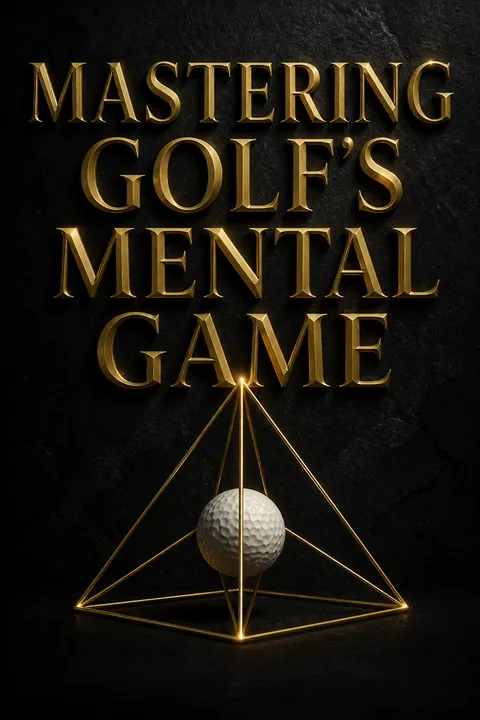
نکات کلیدی
۱. تسلط بر بازی ذهنی: هرم پیش از ضربه
بهسادگی، من به افراد تحت فشار کمک میکنم بهتر فکر کنند.
هرم پیش از ضربه چارچوبی ذهنی است که از شش مؤلفه تشکیل شده: نگرش، انگیزه، کنترل، بهینهسازی، تمرکز و برنامهریزی. این عناصر در کنار هم ذهنیتی متمرکز و روشن پیش از هر ضربه ایجاد میکنند.
- این هرم برای همه سطوح مهارتی، از حرفهایهای تور تا آماتورهای با هندیکپ بالا کاربرد دارد
- به بازیکنان کمک میکند از انتخاب منطقی ضربه به اجرای خلاقانه منتقل شوند
- هدف نهایی رسیدن به حالت «ذهن دانا» است، جایی که اجرا بهصورت غریزی و بدون زحمت انجام میشود
با تسلط بر هرم پیش از ضربه، گلفبازان میتوانند بهطور مداوم بهترین عملکرد خود را داشته باشند، فارغ از فشارها یا شرایط بیرونی.
۲. نگرش: پایهی عملکرد اوج
میتوانید با تغییر نحوهی تفکرتان، احساس و رفتار خود را تغییر دهید، حتی اگر محیط بیرونیتان تغییر نکند.
ذهنیت رشد در برابر ذهنیت ثابت. ذهنیت رشد، باور به اینکه تواناییها از طریق تلاش و پشتکار قابل توسعهاند، برای پیشرفت در گلف و زندگی حیاتی است. بازیکنانی که ذهنیت رشد دارند:
- چالشها را فرصتی برای یادگیری میبینند
- در مواجهه با شکستها پافشاری میکنند
- تلاش را راهی برای تسلط میدانند
در مقابل، ذهنیت ثابت که باور دارد استعدادها ذاتی و تغییرناپذیرند، میتواند منجر به:
- اجتناب از چالشها
- تسلیم شدن آسان
- احساس تهدید از موفقیت دیگران شود
پرورش ذهنیت رشد کلید باز کردن پتانسیل کامل شما در زمین گلف و فراتر از آن است.
۳. بهرهگیری از انگیزه: یافتن شور و اشتیاق
انگیزه درونی و عمیق همیشه بر انگیزه بیرونی و سطحی برتری دارد.
سه نوع انگیزه:
۱. اولیه: غرایز بقا (ترس، گرسنگی)
۲. ثانویه: رفتارهای آموختهشده (پاداشها، تنبیهها)
۳. ثالثیه: اشتیاق و خلاقیت درونی
قدرتمندترین و پایدارترین انگیزه از درون میآید – عشق خالص به بازی. برای بازگشت به شور و اشتیاق خود:
- به دلایل شروع بازی گلف فکر کنید
- برنامههای تمرینی لذتبخش بسازید
- تمرکز خود را بر بهبود شخصی به جای پاداشهای بیرونی قرار دهید
با اتصال به انگیزه درونی، لذت و عملکرد پایدارتری در گلف خواهید داشت.
۴. کنترل هیجانات: مدیریت ترس و اضطراب
شما میتوانید انتخاب کنید چگونه و چه چیزی فکر کنید، یعنی میتوانید انتخاب کنید چگونه و چه چیزی احساس کنید.
استراتژیهای کنترل هیجانات:
- درک اینکه ترس در زمین گلف واکنشی بیش از حد است
- استفاده از تکنیکهای تنفس برای فعالسازی عصب واگ و کاهش اضطراب
- ایجاد روتین ثابت پیش از ضربه برای ساختن حباب روانی
تمرین جایگزینی افکار با افکار آرام و خنثی به جای افکار منفی یا فنی. برای مثال:
- به جای «نباید توپ را در آب بیندازی»، فکر کنید «آرام و روان»
- به جای «بازوی چپت را صاف نگه دار»، بگو «ریتم نرم»
با مدیریت مؤثر هیجانات، میتوانید تمرکز خود را حفظ کرده و تحت فشار بهترین عملکرد را ارائه دهید.
۵. بهینهسازی افکار: بازسازی گفتار درونی منفی
جایگزینی افکار یکی از ارزشمندترین ابزارهای شماست و کمک بزرگی در مسیر هرم پیش از ضربه است.
تکنیکهای درمان شناختی رفتاری (CBT) به گلفبازان کمک میکند افکار منفی را بازسازی کرده و عملکرد خود را بهبود بخشند:
۱. شناسایی گفتار درونی منفی
۲. به چالش کشیدن اعتبار این افکار
۳. جایگزینی آنها با جملات مثبت و واقعبینانه
نمونه بازسازیها:
- «همیشه تحت فشار خراب میکنم» → «قبلاً تحت فشار موفق بودهام و میتوانم دوباره موفق شوم»
- «در پوتینگ خیلی بد هستم» → «پوتینگ من با تمرین در حال بهبود است»
با بازسازی مداوم افکار منفی، اعتماد به نفس و تابآوری خود را در زمین گلف افزایش میدهید.
۶. تمرکز: تعادل بین توجه و آرامش
شما «ابزار» تمرکز خود را حفظ میکنید تا در طول کل بازی به بهترین شکل استفاده شود.
چهار بعد تمرکز:
۱. تمرکز خارجی باریک (مثلاً توپ در حالت آمادهباش)
۲. تمرکز خارجی گسترده (مثلاً استراتژی کلی زمین)
۳. تمرکز داخلی باریک (مثلاً احساس یک فکر خاص در حرکت)
۴. تمرکز داخلی گسترده (مثلاً ارزیابی وضعیت هیجانی خود)
برای حفظ تمرکز در طول بازی:
- هنگام ضربه از تمرکز باریک استفاده کنید
- بین ضربات به تمرکز گسترده سوئیچ کنید
- بهطور متناوب بین تمرکز داخلی و خارجی جابهجا شوید
این «پالس» توجه به حفظ انرژی ذهنی و عملکرد اوج در ۱۸ سوراخ کمک میکند.
۷. تعیین هدف: نقشه راه پیشرفت
فعالیت به معنای پیشرفت نیست.
تعیین هدف مؤثر:
- ترکیب اهداف فرآیندی و نتیجهمحور
- تعیین اهداف کوتاهمدت، میانمدت و بلندمدت
- مشخص، قابل اندازهگیری و چالشبرانگیز اما دستیافتنی بودن اهداف
یک ماتریس تعیین هدف بسازید:
۱. اهداف نتیجهای را مشخص کنید (مثلاً کاهش هندیکپ به میزان ۳ ضربه)
۲. اهداف فرآیندی برای رسیدن به هر نتیجه تعیین کنید (مثلاً تمرین پوتینگ روزانه ۳۰ دقیقه)
۳. بازههای زمانی برای هر هدف تعیین کنید
اهداف خود را بهطور منظم مرور و تنظیم کنید تا انگیزه حفظ شده و پیشرفت رصد شود.
۸. تجسم: زنده کردن تخیل
ایجاد تصویر ذهنی پیش از بازی از نظر عصبی مزایای واقعی در عملکرد دارد.
دو نوع تصویرسازی ذهنی:
۱. بصری: ساختن «فیلم» ذهنی از ضربهی مطلوب
۲. حرکتی: تمرکز بر حس حرکت صحیح
برای بهبود تجسم:
- هر دو نوع تصویرسازی بصری و حرکتی را تمرین کنید
- تمام حواس خود را در تمرین ذهنی درگیر کنید
- از تصویرسازی در تمرین و زمین استفاده کنید
با آزمایش تکنیکهای مختلف تجسم، بهترین روش برای خود را بیابید. تمرین مداوم توانایی اجرای ضربات مطابق تصویر ذهنی را تقویت میکند.
۹. کارت امتیاز ذهنی: اندازهگیری پیشرفت فراتر از ضربات
میتوانید هر دو را داشته باشید!
سیستم کارت امتیاز ذهنی به گلفبازان امکان میدهد:
- نیاز به بازخورد نتیجهمحور را برآورده کنند
- در حین بازی فرآیندمحور باقی بمانند
نحوه کار:
۱. رویکرد ذهنی خود را در هر ضربه ارزیابی کنید (یک امتیاز برای تکمیل هر سه مرحله هرم پیش از ضربه، صفر برای ناقص)
۲. امتیاز ذهنی خود را بهصورت درصدی محاسبه کنید (کل امتیازها تقسیم بر کل ضربات)
۳. روندهای عملکرد ذهنی خود را در طول زمان پیگیری کنید
امتیاز ذهنی خوب در ۸۵ تا ۹۰ درصد مواقع با امتیاز واقعی خوب همبستگی دارد. با بهبود مداوم امتیاز ذهنی، احتمالاً شاهد پیشرفتهای موازی در هندیکپ و عملکرد کلی خود خواهید بود.
خلاصه نقدها
کتاب «تسلط بر بازی ذهنی گلف» عمدتاً با بازخوردهای مثبت مواجه شده است و خوانندگان از رویکرد عملی آن در بهبود عملکرد ذهنی در گلف تمجید میکنند. بسیاری مفهوم «کارت امتیاز ذهنی» را بسیار مفید میدانند. برخی از خوانندگان به تکراری بودن مطالب و گاه کمعمقی کتاب اشاره کردهاند. به طور کلی، منتقدان تمرکز کتاب بر جنبههای ذهنی گلف را میپسندند و گزارش میدهند که پس از بهکارگیری تکنیکهای ارائهشده، پیشرفت قابل توجهی در بازی خود مشاهده کردهاند. این کتاب به عنوان اثری قابل دسترس و انگیزهبخش شناخته میشود، هرچند برخی معتقدند ممکن است برای مبتدیان کمی سنگین و پیچیده باشد.
دیگران نیز خواندهاند






سؤالات متداول
1. What is "Mastering Golf's Mental Game" by Dr. Michael T. Lardon about?
- Comprehensive mental guide: The book is a step-by-step guide to improving your mental approach to golf, aiming to help players of all levels lower their scores and enjoy the game more.
- Focus on mental skills: Dr. Lardon, a sports psychiatrist, shares techniques and systems developed from decades of working with elite athletes, including PGA Tour pros.
- Practical system: The core of the book is the Pre-Shot Pyramid and the Mental Scorecard, which help golfers structure their thinking before every shot.
- Universal application: While rooted in golf, the mental strategies are applicable to other sports and high-pressure situations in life.
2. Why should I read "Mastering Golf's Mental Game" by Dr. Michael T. Lardon?
- Proven results: The methods have been used by top professionals like Phil Mickelson to achieve major victories and overcome setbacks.
- Actionable exercises: The book is filled with practical, easy-to-follow exercises and case studies that can be applied immediately.
- Addresses all skill levels: Whether you’re a tour pro or a weekend golfer, the system is designed to be effective for any handicap.
- Focus on enjoyment: Beyond performance, the book emphasizes increasing your enjoyment and satisfaction with the game.
3. What are the key takeaways from "Mastering Golf's Mental Game" by Dr. Michael T. Lardon?
- Six Components of Mental Excellence: Attitude, Motivation, Control, Optimization, Concentration, and Planning are the building blocks for mental performance.
- Pre-Shot Pyramid: A repeatable, learnable process for approaching every shot, integrating both logical and creative thinking.
- Mental Scorecard System: A unique method for tracking your mental execution on the course, independent of your physical score.
- Process over results: Shifting focus from outcome to process leads to better performance and more consistent improvement.
4. How does the Pre-Shot Pyramid work in "Mastering Golf's Mental Game" by Dr. Michael T. Lardon?
- Three-step process: The Pyramid consists of Calculate (logical shot planning), Create (visualizing or feeling the shot), and Execute (swinging with a clear, focused mind).
- Integrates both brain hemispheres: Uses left-brain logic for planning and right-brain creativity for visualization and feel.
- Repeatable routine: Encourages a consistent pre-shot routine to manage nerves, focus, and decision-making.
- Adaptable to all players: The process is scalable to any skill level, making it accessible for amateurs and pros alike.
5. What is the Mental Scorecard System in "Mastering Golf's Mental Game" by Dr. Michael T. Lardon?
- Parallel to physical score: In addition to your regular scorecard, you track whether you completed your mental process for each shot.
- Objective measurement: Each shot is scored as a 1 (process completed) or 0 (process not completed), regardless of the shot’s outcome.
- Focuses on process: Shifts attention from results to the quality of your mental approach, reinforcing good habits.
- Correlates with improvement: Higher mental scores are strongly linked to better physical scores and lower handicaps.
6. What are the Six Components of Mental Excellence in "Mastering Golf's Mental Game" by Dr. Michael T. Lardon?
- Attitude: Your mindset, self-confidence, and openness to learning.
- Motivation: Understanding what drives you—fear, reward, or passion—and how to harness it.
- Control: Managing emotions like fear, anger, and anxiety to stay focused and composed.
- Optimization: Using positive thought cycles and reframing negative thoughts to enhance performance.
- Concentration: Mastering different types of focus (narrow/wide, internal/external) and knowing when to use each.
- Planning: Setting clear, actionable goals and building routines to achieve them.
7. How does "Mastering Golf's Mental Game" by Dr. Michael T. Lardon help golfers handle pressure and nerves?
- Pre-shot routine: Emphasizes the importance of a consistent routine to create a psychological bubble and reduce anxiety.
- Breathing techniques: Introduces yogic breathing and heart rate variability training to calm nerves before and during play.
- Emotional management: Offers strategies for channeling fear and anger productively, rather than letting them disrupt performance.
- Perspective and acceptance: Encourages players to accept bad shots and focus on response rather than outcome.
8. How does "Mastering Golf's Mental Game" by Dr. Michael T. Lardon address motivation and burnout?
- Three types of motivation: Explains primary (survival/fear), secondary (learned rewards), and tertiary (passion/creativity) motivation.
- Reconnecting with passion: Provides exercises and case studies to help players rediscover their love for the game.
- Perspective shifts: Suggests changing routines, playing formats, or goals to reignite interest and enjoyment.
- Balancing external and internal drivers: Teaches how to use both fear and passion as productive fuels for improvement.
9. What practical exercises and homework does "Mastering Golf's Mental Game" by Dr. Michael T. Lardon provide?
- Self-assessment: Tools to evaluate your mindset, motivation, and process vs. results orientation.
- Thought journaling: Techniques for reframing negative self-talk and tracking progress.
- Pre-shot routine practice: Step-by-step guides to building and refining your own routine.
- Goal-setting matrix: Templates for setting and tracking both process and results-oriented goals.
10. How does "Mastering Golf's Mental Game" by Dr. Michael T. Lardon use case studies and real-world examples?
- Tour player stories: Shares detailed accounts of PGA and LPGA pros overcoming mental barriers and achieving breakthroughs.
- Amateur parallels: Illustrates how the same mental challenges and solutions apply to club golfers and recreational players.
- Diverse sports: Draws on experiences from other sports (e.g., table tennis, show jumping) to reinforce universal mental principles.
- Actionable lessons: Each case study is paired with specific takeaways and exercises for the reader.
11. What are the best quotes from "Mastering Golf's Mental Game" by Dr. Michael T. Lardon and what do they mean?
- “Simply put, I help people under pressure think better. I help them find ‘The Zone.’” — Emphasizes the book’s core mission: teaching mental skills for peak performance.
- “Perfectly executed means perfectly executed for you.” — Stresses that mental excellence is relative to your own ability, not someone else’s.
- “You can choose how and what you think, which means you can choose how and what you feel.” — Highlights the power of cognitive reframing and self-control.
- “Control breeds confidence, and confidence breeds good play.” — Underlines the importance of mastering your mental process to unlock your best golf.
12. How can I implement the advice from "Mastering Golf's Mental Game" by Dr. Michael T. Lardon into my own golf routine?
- Start with self-assessment: Use the book’s tools to evaluate your current mindset, motivation, and focus.
- Build your Pre-Shot Pyramid: Develop and practice a consistent pre-shot routine using the three-step process.
- Track your mental performance: Use the Mental Scorecard alongside your regular scorecard to monitor progress.
- Set and review goals: Regularly update your goal-setting matrix and adjust your practice and play accordingly.
- Practice regularly: Integrate the book’s exercises into your practice sessions and rounds, revisiting them every few months for continued growth.
دانلود PDF
دانلود EPUB
.epub digital book format is ideal for reading ebooks on phones, tablets, and e-readers.








































